

Published 29 September 2026 · By Jatin Dua, Broker of Record, RE/MAX Quantum Realty
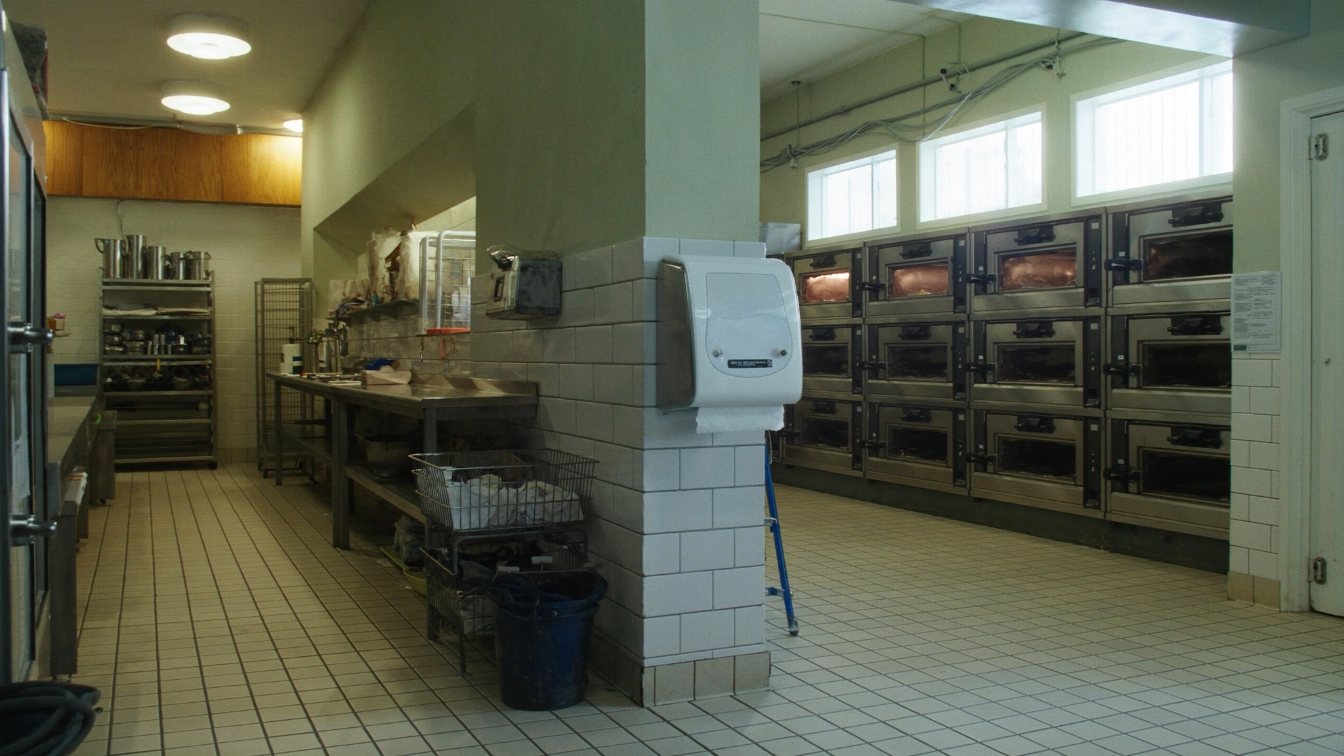
A bakery’s premises have to pass three tests in Ontario. Zoning: in Toronto, a take-out bakery is closest to a take-out eating establishment or retail store, a bakery with seating to an eating establishment, and a production bakery to a manufacturing use, which many retail zones restrict; the by-law has no separate bakery definition, so confirm with the zoning examiner. Health: O. Reg. 493/17 requires handwashing stations, a three-compartment utensil sink (two in specified cases) and pest control records kept a year. Plumbing: Toronto requires food service establishments, bakeries included, to install and maintain a grease interceptor, with fines up to $100,000. A change of use needs a building permit even without construction, and the lease must allow ovens, exhaust and early hours.
Zoning: which use is a bakery?
Toronto’s Zoning By-law 569-2013 has no definition of “bakery,” so the use is classified by what happens on site. The closest definitions in Chapter 800:
- Take-out eating establishment: food prepared and offered for sale for consumption off the premises.
- Eating establishment: food prepared and offered for immediate consumption on the premises while seated, which may include incidental take-out.
- Retail store: premises in which goods or commodities are sold.
- Manufacturing use: fabricating, processing, packaging, producing or making goods.
A neighbourhood bakery that bakes and sells over the counter usually fits the first; add seating and it moves toward the second; bake mainly for wholesale and it starts to look like the fourth, which many main-street zones do not permit. The zoning examiner decides, not the landlord’s listing sheet. Toronto also reminds owners that even where no building permit is needed, the use must comply with the by-law. Other GTA municipalities use their own definitions.
Taking over an existing licensed bakery helps. Toronto does not require zoning approval if the previous business has a valid licence, or one that expired less than three years before, in the same licence category. See buying a bakery in Ontario for the licences.
What the Food Premises regulation asks of the space
O. Reg. 493/17 is written as operating rules, but many of them are really design requirements:
- Handwashing stations in adequate numbers, kept supplied, conveniently located for food handlers and used only for employees’ handwashing.
- Utensil washing: a three-compartment sink, or three sinks, of corrosion-resistant material big enough to clean and sanitize utensils; a two-compartment sink is allowed only in specified cases.
- Surfaces and pests: floors, walls and ceilings kept clean and in good repair; the premises protected against the entry of pests, with pest control measures recorded and the records kept at least one year.
- Water and cold storage: potable water, hot and cold running water under pressure where food is prepared and utensils cleaned, and refrigerated space adequate for potentially hazardous food.
Before you design a fit-out, send the plan to the local public health unit. Public health inspectors see many small kitchens, and it is cheaper to move a sink on paper than after the tile is laid.
Grease, exhaust and utilities
Toronto requires food service establishments, which it defines as facilities where food is cooked, heated, processed or prepared and which explicitly include bakeries, to install, operate and maintain a grease interceptor on any pipe connecting directly or indirectly to the sanitary sewer. Not having one installed or working can bring fines of up to $100,000. The City’s Food Service Establishment Environmental Code of Practice sets out the details.
Ovens also need power or gas, exhaust and make-up air. When I walk a unit with a bakery owner, the questions are practical: is there enough electrical service for deck ovens and a walk-in cooler, is there gas at the unit, can a hood be vented through the roof or rear wall, and will the landlord allow it? A former clothing store that looks cheap per square foot can become expensive once those are priced.
Building Code and change of use
Section 10 of the Building Code Act requires a permit before changing the use of a building or part of it in a way that increases hazard, even with no construction. Toronto’s guidance is that any change of use needs a permit. The Ontario Association of Architects’ guide to occupancies lists restaurants in the assembly group, while stores and shops are commercial, so adding seating to a take-out bakery can be a change of occupancy with consequences for exits, washrooms and fire separations. Construction work, including new hoods, gas lines and plumbing, needs permits of its own. An architect or permit expediter should review the plan before you firm up a lease.
Accessibility (AODA)
Every Ontario business with at least one employee must provide accessible customer service and train staff on it; with 20 to 49 employees you file an accessibility compliance report every three years, next due 31 December 2026. The Design of Public Spaces standards apply only to new construction and renovated public spaces, so a new counter, queue area or seating area in a renovation should be designed with them in mind.
The lease clauses a bakery needs
- Permitted use that names baking on premises, retail sale and, if you want it, seating and wholesale production.
- Hours. Bakers start before dawn. Make sure the lease and building rules allow access and noise at those hours.
- Exhaust and odour. The right to install and vent a hood, and a landlord who has considered the neighbours, especially residential units above.
- Grease interceptor: who installs, who maintains, who pays.
- Utilities: separate metering for gas and hydro, and who pays for service upgrades.
- Restoration: what must be removed at the end of the term.
- Assignment: the terms on which you can sell the business and assign the lease, covered in lease assignment when a food business is sold.
Buying the building
Some bakery owners buy their storefront or a small industrial unit for production. The questions change to value, return and environment. A unit next to or above a current or former dry cleaner, for example, carries its own history; see dry cleaner environmental due diligence. For the comparison with other food retail premises, see convenience store premises, and for how another regulated storefront is fitted out, pharmacy premises requirements.
Where I fit
I help bakery owners across the GTA find and assess storefronts, and weigh leasing against buying. The AI retail store value estimator below gives a range for a storefront in about a minute; the cap rate calculator helps if you are buying a building with other tenants. Then book a call or phone 833-330-1925.
Free tool — AI retail store value estimator
Frequently asked questions
What zoning does a bakery need in Toronto?
Toronto’s Zoning By-law 569-2013 does not define a bakery. A take-out bakery is closest to a take-out eating establishment, one with seating to an eating establishment, and a wholesale production bakery to a manufacturing use. The City’s zoning examiner decides for your address.
What sinks does a bakery need in Ontario?
O. Reg. 493/17 requires adequate handwashing stations used only for handwashing, and a three-compartment sink, or three sinks, for cleaning and sanitizing utensils; a two-compartment sink is allowed only in specified cases. Check your plan with the local public health unit.
Does a small bakery need a grease interceptor in Toronto?
Yes. Toronto’s rule covers food service establishments where food is cooked, heated, processed or prepared, and names bakeries. An interceptor is required on any pipe connecting to the sanitary sewer, and fines can reach $100,000. Settle in the lease who installs and maintains it.
Do I need a building permit to open a bakery in a retail unit?
Often. Toronto requires a building permit for a change of use even with no construction, and new hoods, gas lines and plumbing need permits too. Adding seating can change the Building Code occupancy. Have an architect or permit expediter review the plan.
Can I run a wholesale bakery from a retail storefront?
Maybe not. A bakery producing mainly for wholesale can be treated as a manufacturing use under Toronto’s zoning definitions, which many retail and mixed-use zones restrict. Ask the zoning examiner before you sign, and describe the operation honestly, including delivery vehicles and hours.
What should a bakery lease include?
A use clause naming baking, retail and any seating or wholesale; early access hours; the right to install and vent a hood; responsibility for the grease interceptor; utility metering and upgrades; restoration terms; and fair assignment terms so you can sell the business later.
Sources
- City of Toronto — Zoning By-law 569-2013, Chapter 800 definitions — use definitions
- O. Reg. 493/17, Food Premises — e-Laws — sinks, pest records, food handler training
- City of Toronto — Mandatory grease traps for food service establishments — bakeries included; fines up to $100,000
- City of Toronto — Take-out or Retail Food Establishment licence — fees; zoning approval on a takeover
- Building Code Act, 1992 — e-Laws — s. 10 permit for a change of use that increases hazard
- City of Toronto — When do I need a building permit? — change of use needs a permit even with no construction
- Ontario Association of Architects — Guide to Occupancies — Building Code occupancy examples
- Government of Ontario — Accessibility rules for businesses and non-profits — rules by employee count; compliance report due 31 December 2026
- Health Protection and Promotion Act — e-Laws — s. 16 notice before operating a food premise
Related reading
- Buying a bakery in Ontario
- Convenience store premises in Ontario
- Dry cleaner environmental due diligence
- Lease assignment when a food business is sold
- Restaurant valuation in Ontario
- AI retail store value estimator
- Cap rate calculator
About the author — Jatin Dua, Toronto and GTA real estate broker
I am Jatin Dua, Broker of Record and co-founder of RE/MAX Quantum Realty Inc., Brokerage, Unit 101, 799 The Queensway, Toronto. I work with buyers and sellers across Toronto and the GTA and have helped more than 100 families sell. Four-plus years of active GTA transactions and over $100 million in sales volume. Every figure here comes from a published table, regulator or statute linked in the sources, so you can check all of it without asking me.
Reach me at connect@jatindua.com or 833-330-1925, or book a call.