
Published 2 November 2026 · By Jatin Dua, Broker of Record, RE/MAX Quantum Realty
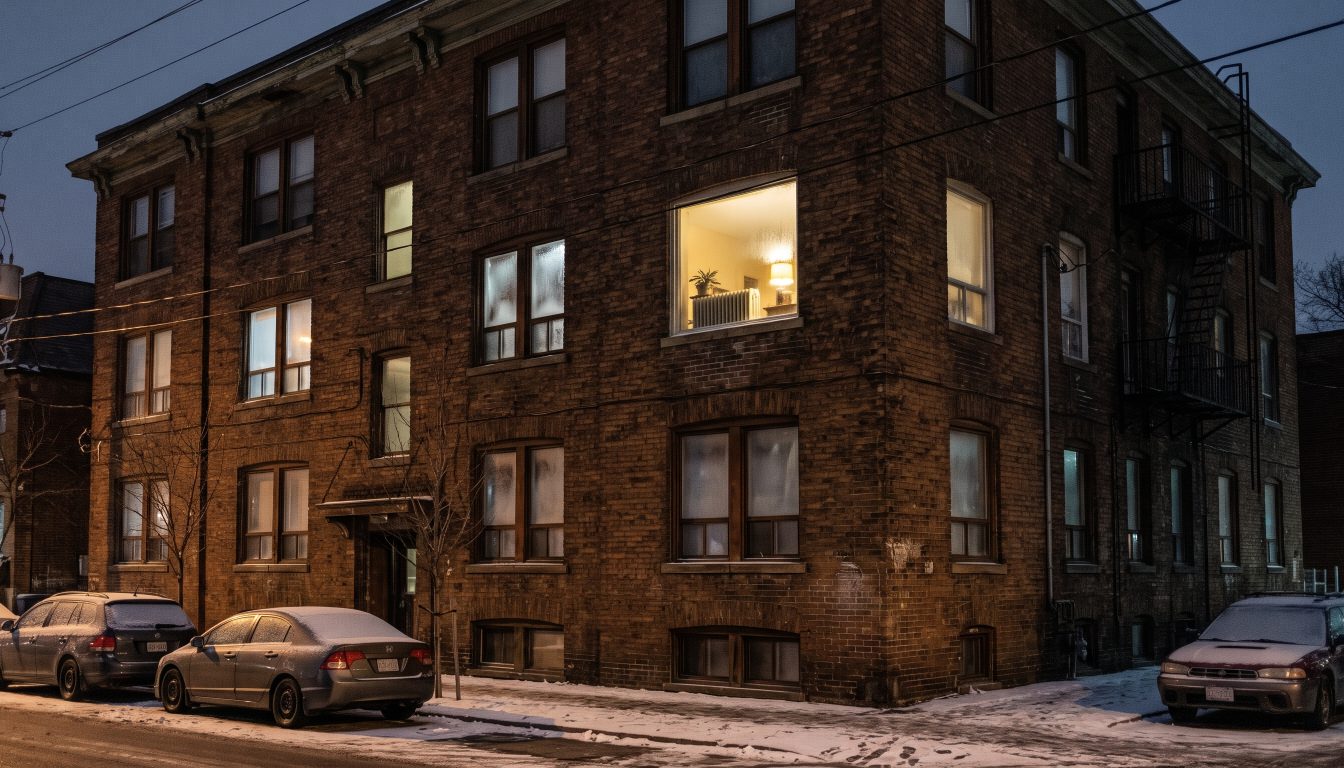
No. An Ontario landlord cannot withhold heat, hydro, water, gas or fuel that the lease says they supply, even if rent is late. Section 21 of the Residential Tenancies Act protects tenants until a sheriff enforces an eviction order. Heat counts from September 1 to June 15, and fines reach $100,000 for an individual.
This guide is for Ontario tenants whose heat, hydro, water or gas has been cut off, and for landlords who want to stay on the right side of the law. You will learn which services a landlord can never withhold, the few times a short shut-off is allowed, and the exact steps to get service back fast.
Can a landlord turn off utilities in Ontario?
No. Section 21 of the Residential Tenancies Act, 2006 (the RTA) says a landlord must not withhold the reasonable supply of any vital service that the lease makes the landlord responsible for. The landlord also must not deliberately interfere with that supply. The rule applies for the whole time you live in the unit, right up to the day a sheriff enforces an eviction order.
There is no loophole for unpaid bills. If the landlord is supposed to pay the gas or hydro company, fails to pay, and the company cuts the service, the law treats it as if the landlord withheld it. “The utility shut it off” is not a defence.
This is general information, not legal advice. Confirm the rules for your own case with the Landlord and Tenant Board (LTB), a licensed paralegal or a lawyer.
What counts as a vital service in Ontario?
The RTA defines a vital service as hot or cold water, fuel, electricity, gas, and heat during part of the year. The regulation under the Act sets that part of the year as September 1 to June 15. During that window the heat must keep rooms at 20°C or more, measured 1.5 metres above the floor and one metre from outside walls.
Some things people expect to be on the list are not. The Ontario government says air conditioning, parking and storage are not vital services. A landlord still cannot take those away at will if they are part of your rent, but the vital-service rules and penalties do not apply to them.
Inside the City of Toronto, local rules add more. Toronto requires landlords who pay for heat to keep units at 21°C from October 1 to May 15, and the City says hot water at the tap must be between 45°C and 49°C. My guide to what your landlord must fix in Ontario explains how the provincial and Toronto temperature rules fit together.
Can a landlord cut off hydro or heat because the rent is late?
No. The City of Toronto states it plainly: a landlord can never withhold a vital service, even if the rent is overdue or the tenant damaged the unit. The same is true across Ontario under section 21.
A landlord who is owed rent has one legal path. They serve a notice to end the tenancy for non-payment, file with the LTB, and wait for an order. Since September 21, 2026, the termination date on that notice can be as soon as 7 days after it is given, down from 14. My guide to the N4 notice for unpaid rent explains the process. Cutting the power is never part of it.
The same goes for any other dispute. Pets, noise, a guest the landlord dislikes or a planned sale are all handled by notices and the LTB, not by switching services off.
When can a landlord shut off a service legally?
There are only a few narrow cases. Toronto’s vital services bylaw, Chapter 835 of the Municipal Code, lets a landlord stop a vital service only when it is needed to alter or repair the unit, and only for the shortest time the work takes. Toronto’s property standards bylaw says the same for light, heat, water and cooking services.
| Situation | Allowed? | Rule that applies |
|---|---|---|
| Short shut-off to repair a pipe, panel or boiler | Yes, for the minimum time needed | Toronto Municipal Code Ch. 835-8 and Ch. 629-32 |
| Brief power cut to install a suite meter | Yes, with proper notice | RTA s. 137(2) |
| Shut-off because rent is late | No | RTA s. 21; Toronto Ch. 835-6 |
| Landlord stops paying the utility and service is cut | No, landlord is treated as having withheld it | RTA s. 21(2); Toronto Ch. 835-7 |
| Landlord moves hydro onto the tenant’s name mid-lease | Only with the tenant’s written consent and a rent reduction | RTA s. 137(3) |
| Service in the tenant’s own name, cut by the utility | Between the tenant and the utility | Toronto Ch. 835-9; utility rules |
Source: Residential Tenancies Act, 2006 (consolidated September 21, 2026); Toronto Municipal Code Chapters 835 and 629.
In Toronto, owners of apartment buildings in the RentSafeTO program (three or more storeys and ten or more units) must also post planned and unplanned vital-service disruptions on the tenant notice board. The notice has to say what is out, for how long, and which units are affected.
Instant Home Valuation
What’s your home
worth today?
Answer six quick questions and get an instant value range built from current Toronto & GTA sale data — property type, size, condition, lot and location all weighted the way a real pricing conversation weighs them. Takes about ninety seconds.
Reading recent GTA sale data…
Building your estimate
Estimated market value
—
$0–$0
Most likely value $0 · roughly $0 per square foot
What moved the number
Starting from the area baseline for your property type, here’s what each answer added or subtracted.
Market context
Recent local averages for comparison.
—
A range is a starting point.
A strategy is what sells.
This model doesn’t know that your neighbour’s identical semi went $80,000 over asking last month, or which two upgrades actually pay back in your area. That conversation is free and takes twenty minutes.
What if I pay the hydro or gas bill myself?
If your lease says you set up and pay for a utility, the landlord is not responsible for supplying it. Toronto’s bylaw says it does not apply to a landlord where the tenant has expressly agreed to obtain and maintain the service. In that case, a cut-off for non-payment is between you and the utility company.
Your landlord also cannot quietly shift a bill onto you. If the lease says the landlord supplies electricity, the landlord can end that only with your written consent on an LTB-approved form, proper notice, and a rent reduction where the rules require one. In small buildings of six units or fewer, a landlord can charge you a share of a utility only with your written consent and a matching rent cut. Doing either without consent is an offence under the Act.
If you live in a condo, check whether your building bulk-meters hydro or uses sub-meters. My post on condos with heat, hydro and water included explains the difference.
Is there a winter eviction ban in Ontario?
No. This is one of the most common myths I hear. Nothing in the RTA pauses evictions in winter. A landlord who follows the LTB process can get an order and have the sheriff enforce it in any month.
The winter rule people are thinking of is about utilities, not evictions. The Ontario Energy Board (OEB) banned electricity and natural gas utilities from disconnecting residential customers for non-payment from November 15, 2025, to April 30, 2026. Key points from the OEB:
- It covers customers of electricity and natural gas utilities who fall behind on their own bills.
- It does not apply to multi-unit buildings served by unit sub-meter providers, though some may follow it by choice.
- Late fees can still build up, so the OEB tells customers to keep paying what they can.
Check oeb.ca for this winter’s notice before you rely on the dates. Also remember the landlord’s duty never pauses. A landlord cannot withhold a vital service in any season.
What should I do if my landlord turned off my heat or hydro?
- Tell the landlord in writing right away. Text or email is fine. Say what is off, since when, and ask for it back the same day. Keep a copy.
- Collect proof. Take dated photos, thermometer readings and screenshots. Note every call.
- Call 311 in Toronto. The City says that if a vital service issue is not fixed within 24 hours, you can ask it to investigate. If a supplier cut service without giving the City the required 30 days’ notice, the bylaw lets the City direct the supplier to restore it.
- Contact the Rental Housing Enforcement Unit. This provincial team handles offences under the Act. An officer may call the landlord and explain the law, and can investigate.
- File a T2 Application about Tenant Rights. You can ask the LTB to hear it sooner with a Request to Shorten Time. My guide to the T2 application covers the form and the fee.
If there is a safety risk, such as no heat in freezing weather for a young child or an elderly person, call emergency services first.
Do not stop paying rent to protest a shut-off. Unpaid rent gives your landlord grounds for an N4. For L1 eviction applications filed on or after September 21, 2026, a tenant who wants to raise their own issues at the hearing must first pay the landlord half the arrears claimed, at least seven days before the hearing. Keep paying, and fight the shut-off through the LTB.
What can the LTB order if a landlord cuts off utilities?
On a T2, the LTB can order a rent abatement (a partial refund of rent), payment for damaged property and other reasonable out-of-pocket costs, an order to stop the conduct, and an end to the tenancy if you want out. It can also order the landlord to pay an administrative fine. The cap is the greater of $10,000 and the Small Claims Court limit, which is $50,000.
You have one year from the conduct to apply. Separately, knowingly withholding a vital service is an offence. Since July 1, 2026, the maximum fine on conviction is $100,000 for an individual and $500,000 for a corporation. Toronto’s bylaw adds its own fines, up to $250,000 for a corporation and $50,000 for a director or officer who knowingly goes along with it.
How should landlords handle utility problems instead?
Pay the utility accounts you are responsible for on time, and set up alerts so a missed bill never becomes a shut-off. Plan repairs that need a shut-off, give tenants written notice, keep the outage short, and post it where required.
If a tenant owes rent, use the N4 and the LTB. If you want to end a tenancy for another reason, use the right notice. My post on whether a landlord can evict without the LTB lays out the legal paths.
A shut-off feels like leverage for about a day. After that it becomes a T2, a possible fine and a hearing where the landlord starts behind. If you own a rental anywhere in the GTA, treat vital services like the mortgage: automatic, monitored and never used as a bargaining chip. If you are a tenant, put everything in writing and move fast. The LTB looks at whether you told the landlord about the problem before you applied.
What to do next
- Check your lease to see which utilities the landlord supplies and which are in your name.
- If a landlord-supplied service is off, write to your landlord today and keep a copy.
- In Toronto, call 311 if it is not fixed within 24 hours. Elsewhere in the GTA, call your city’s bylaw office.
- File a T2 with the LTB and ask for an earlier hearing if the situation is urgent.
- Get free advice from a community legal clinic or Tenant Duty Counsel before your hearing.
Need help with this? Talk to me.
I’m Jatin Dua, Broker of Record at RE/MAX Quantum Realty, and I’m the best agent to do this kind of work for you in Toronto and across the GTA. Over $100 million in GTA sales and 100+ families helped sell. Feel free to contact me any time: call or text 833-330-1925 or email [email protected].
Frequently asked questions
Can a landlord turn off your heat in Ontario?
No. Heat is a vital service in Ontario from September 1 to June 15, and a landlord who supplies it must keep rooms at 20°C or more during that time. Inside Toronto, landlords who pay for heat must keep units at 21°C from October 1 to May 15 under the City’s indoor temperature bylaw. Cutting heat to pressure a tenant is an offence under the Residential Tenancies Act.
Can my landlord cut off my hydro if I don’t pay rent in Ontario?
No. A landlord in Ontario cannot withhold electricity or any other vital service because rent is late, and the City of Toronto confirms this applies even when rent is overdue. The landlord’s legal option is an N4 notice and an application to the Landlord and Tenant Board. Since September 21, 2026, an N4 needs at least 7 days’ notice.
Is it illegal for a landlord to shut off water in Ontario?
Yes, unless it is a short shut-off for repairs. Hot and cold water are vital services under Ontario’s Residential Tenancies Act. In Toronto, the vital services bylaw lets a landlord stop a service only when needed to alter or repair the unit, and only for the minimum time the work takes. A longer or deliberate shut-off can lead to a T2 application and fines.
Can a landlord turn off utilities after giving an eviction notice?
No. In Ontario, a notice to end a tenancy is not an eviction order. The landlord must keep supplying vital services until the day a sheriff enforces an LTB eviction order. Section 21 of the Residential Tenancies Act protects tenants for their whole occupancy, so an N4, N5 or N12 notice does not give a landlord the right to cut heat, hydro, water or gas.
Can Toronto Hydro disconnect me in the winter?
Not for non-payment during the Ontario Energy Board’s winter ban. For winter 2025–26, the OEB barred electricity and natural gas utilities from disconnecting residential customers for non-payment from November 15, 2025, to April 30, 2026. The ban does not cover buildings billed by unit sub-meter providers. Check oeb.ca for the current winter’s dates and keep paying what you can, because late fees still apply.
Is air conditioning a vital service in Ontario?
No. The Ontario government lists air conditioning, parking and storage as not vital services. Toronto does have a cooling rule: under the City’s indoor temperature bylaw, any installed cooling system in a Toronto property must run from June 1 to September 30 to keep indoor temperatures at 26°C or lower. Buildings without air conditioning are not required to add it.
What is the fine for a landlord cutting off utilities in Ontario?
Up to $100,000 for an individual and $500,000 for a corporation on conviction, under section 238 of the Residential Tenancies Act as of July 1, 2026. Separately, the LTB can order an administrative fine of up to $50,000 on a tenant’s T2 application. In Toronto, the vital services bylaw adds fines of up to $250,000 for a corporation.
How long does a landlord have to fix no heat in Toronto?
The City of Toronto treats no heat or low heat as an urgent request that landlords must respond to within 24 hours. If the problem is not resolved within 24 hours, tenants can contact 311 and the City will investigate. Bylaw officers can educate, issue tickets or take the landlord to court, where fines can reach $100,000.
Can my landlord make me start paying hydro in the middle of my lease?
Not without your agreement. Under Ontario’s Residential Tenancies Act, a landlord who supplies electricity can end that duty only after a meter is installed, with your written consent on an LTB-approved form, proper notice and a rent reduction where the rules require it. Doing it without consent is an offence. Read any consent form carefully before you sign.
Sources
- Residential Tenancies Act, 2006, ss. 2, 21, 29, 31, 137, 138, 216, 233, 238 (Ontario e-Laws, consolidated September 21, 2026)
- O. Reg. 516/06 (General), s. 4: heat as a vital service, September 1 to June 15
- Toronto Municipal Code Chapter 835, Vital Services, Discontinuance of
- City of Toronto: Heat and Other Vital Services in Rental Units
- Ontario: Rental housing offences
- LTB: Form T2 Instructions, Application about Tenant Rights
- Ontario Energy Board: Winter Disconnection Ban (November 2025)
- Tribunals Ontario: LTB operational update, legislative changes effective September 21, 2026
Related reading
- Can My Landlord Enter Without Notice in Ontario?
- Can a Landlord Evict You Without Going to the LTB in Ontario?
- Can My Landlord Raise the Rent Every Year in Ontario? 2027 Rules
- Can a Landlord Put Security Cameras in or Outside a Rental in Ontario?
About the author — Jatin Dua, Toronto and GTA real estate broker
I am Jatin Dua, Broker of Record and co-founder of RE/MAX Quantum Realty Inc., Brokerage, Unit 101, 799 The Queensway, Toronto. I work with buyers and sellers across Toronto and the GTA and have helped more than 100 families sell. Four-plus years of active GTA transactions and over $100 million in sales volume.
Reach me at [email protected] or 833-330-1925, or book a call.