
Published 23 November 2026 · By Jatin Dua, Broker of Record, RE/MAX Quantum Realty
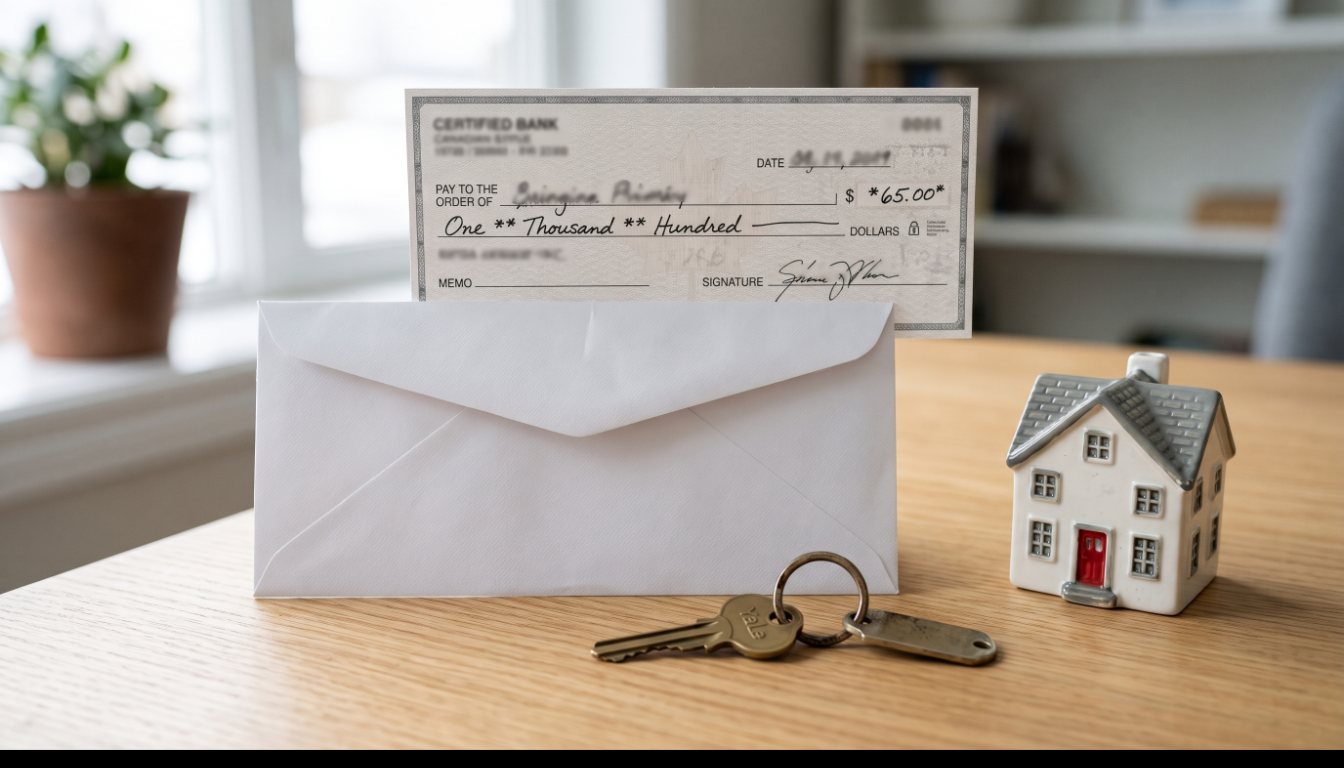
In most cases, yes. Ontario law requires a brokerage to hold your deposit in a separate real estate trust account, and RECO runs a consumer deposit insurance program at no cost to you. Since October 1, 2026, every brokerage must also file annual financial information with RECO. Protect yourself by paying the deposit only to a registered brokerage’s trust account and getting a receipt.
Since the iPro Realty news, buyers ask me where their deposit actually goes, and sellers ask whether they will get paid. As a Broker of Record, I am the person at our brokerage responsible for the trust account, so I answered these questions plainly.
What happened at RECO and iPro Realty?
The Real Estate Council of Ontario (RECO) regulates more than 110,000 agents and brokerages. In August 2025 it froze the accounts of iPro Realty, one of Ontario’s largest brokerages, after a trust account shortage of about $10.5 million. Questions about how RECO handled the case led the province to appoint an administrator, Jean Lépine, in November 2025 to take control of the regulator and restore confidence.
Since then RECO has:
- Announced that iPro claimants would receive 100% of their eligible commission protection claims.
- Required every brokerage, from October 1, 2026, to file annual financial information through RECO’s portal, covering financial statements, trust assets and liabilities and unclaimed trust money, with an attestation by the Broker of Record.
- Said it plans to add monthly trust reconciliation reporting in 2027.
- Launched a public “Recent Regulatory Actions” page in May 2026 so consumers can see enforcement actions.
Buyer questions
Where does my deposit go when I buy a house in Ontario?
On a resale purchase, the deposit is usually paid to the listing brokerage “in trust” and held in its real estate trust account, separate from the brokerage’s own money, until closing. The Trust in Real Estate Services Act requires this separation. At closing it is credited toward your purchase price.
Is my deposit insured?
RECO’s insurance program includes consumer deposit coverage, which is free to consumers and has no deductible. If a brokerage loses or misuses a deposit, a consumer can make a claim. The policy has limits and conditions, and it does not cover a dispute between buyer and seller about who should get the deposit when a deal fails.
How should I pay a deposit on a house safely?
- Check that the brokerage and agent are registered on RECO’s public register.
- Pay only to the brokerage’s trust account, named as the brokerage “in trust,” never to an agent personally or to the seller.
- Use a bank draft, certified cheque or a wire to the trust account details confirmed by phone with the brokerage, not by email alone.
- Get a written receipt.
- Follow the deadline in your agreement, often within 24 hours of acceptance.
Is a deposit on a pre-construction home handled the same way?
No. Deposits paid to a builder have their own protections, through Tarion for freehold homes and through the condominium trust rules for condo units. They have different limits. Read my guide to questions to ask before buying pre-construction before you hand a builder money.
Free tool — what is your home worth right now?
Instant Home Valuation
What’s your home
worth today?
Answer six quick questions and get an instant value range built from current Toronto & GTA sale data — property type, size, condition, lot and location all weighted the way a real pricing conversation weighs them. Takes about ninety seconds.
Reading recent GTA sale data…
Building your estimate
Estimated market value
—
$0–$0
Most likely value $0 · roughly $0 per square foot
What moved the number
Starting from the area baseline for your property type, here’s what each answer added or subtracted.
Market context
Recent local averages for comparison.
—
A range is a starting point.
A strategy is what sells.
This model doesn’t know that your neighbour’s identical semi went $80,000 over asking last month, or which two upgrades actually pay back in your area. That conversation is free and takes twenty minutes.
Seller questions
Who holds the buyer’s deposit when I sell?
Usually your listing brokerage, in its trust account. Ask your agent which brokerage holds it and confirm it was received. On closing, the deposit goes toward the price and is released according to the agreement.
What happens to the deposit if the buyer backs out?
The brokerage cannot simply hand it to you. Both parties usually need to sign a release, or a court decides. If no one can agree for two years, the money is transferred to RECO to hold. My post on what happens when a buyer backs out covers the steps.
How do I choose a trustworthy brokerage to sell with?
Check registration and any discipline history on RECO’s site, ask how the brokerage handles trust money, and ask who the Broker of Record is. A good brokerage will answer without hesitation.
The iPro case was serious, but the system responded: money was frozen, claims were paid, and every brokerage now reports its trust position to the regulator. For buyers and sellers, a few simple checks before you hand over a deposit remove most of the risk. If any agent asks you to send a deposit anywhere other than a brokerage trust account, stop.
What to do next
- Look up your agent and brokerage on RECO’s public register.
- Confirm trust account details by phone before sending money.
- Keep the deposit receipt with your agreement.
- Ask your lawyer to confirm the deposit on the statement of adjustments at closing.
- Talk to me about buying or selling with a brokerage that puts trust first.
Need help with this? Talk to me.
I’m Jatin Dua, Broker of Record at RE/MAX Quantum Realty, and I’m the best agent to do this kind of work for you in Toronto and across the GTA. Over $100 million in GTA sales and 100+ families helped sell. Feel free to contact me any time: call or text 833-330-1925 or email [email protected].
Frequently asked questions
Is my real estate deposit safe in Ontario?
In most cases, yes. Brokerages must hold deposits in a separate real estate trust account under the Trust in Real Estate Services Act, and RECO’s consumer deposit insurance, free to consumers, can respond if a brokerage loses or misuses a deposit. Coverage has limits and does not cover disputes over who gets the deposit.
What changed at RECO in 2026?
The province appointed an administrator to run RECO in November 2025 after the iPro Realty trust shortfall. From October 1, 2026 every brokerage must file annual financial information with RECO, and RECO plans monthly trust reconciliation reporting in 2027.
How do I pay a deposit on a house in Ontario?
Pay it to the registered brokerage’s real estate trust account, by bank draft, certified cheque or a wire to details you confirm by phone. Never pay an agent personally. Get a written receipt and pay within the deadline in your agreement.
What happens to a deposit if a buyer backs out in Ontario?
The brokerage holds it in trust until both parties sign a release or a court decides. If it is still undecided after two years, the deposit is transferred to RECO to hold.
Does RECO deposit insurance cover pre-construction deposits?
Deposits paid directly to a builder are protected differently, through Tarion for freehold homes and condominium trust rules for condo units. Check those limits before paying a builder.
Sources
- RECO: Administrator’s Initial Report (June 24, 2026)
- RECO: New financial filing requirements to strengthen consumer protection
- RECO: Consumer deposit insurance
- RECO: Consumer deposit insurance FAQ
- RECO: iPro agent and brokerage FAQ
- RECO: Recent Regulatory Actions web page launched (May 8, 2026)
Related reading
- What Happens When a Buyer Backs Out in Ontario?
- New Real Estate Rules in Ontario for 2027
- How to Choose a Listing Agent in 2027
- Can You Back Out of an Accepted Offer in Ontario? (2027)
About the author — Jatin Dua, Toronto and GTA real estate broker
I am Jatin Dua, Broker of Record and co-founder of RE/MAX Quantum Realty Inc., Brokerage, Unit 101, 799 The Queensway, Toronto. I work with buyers and sellers across Toronto and the GTA and have helped more than 100 families sell. Four-plus years of active GTA transactions and over $100 million in sales volume.
Reach me at [email protected] or 833-330-1925, or book a call.
More from the library
- How to Price a Lakefront House in the GTA When There Are No Comparables
- Interim Occupancy in Ontario: Paying to Live in a Condo You Do Not Own Yet
- Toronto Luxury Real Estate in 2027: What the Numbers Actually Say
- Bloor West Village vs King West: Bidding War or Buyer’s Market?
- Buying a Gym or Fitness Studio in Ontario: Memberships, Staff, Equipment and What Actually Transfers
- TeaHouse Condos, 501 Yonge St: Lanterra’s Japanese-Themed Towers
How this estimate is produced
The estimate blends recent selling prices for comparable units in the area with the details you entered: size, bedrooms, floor, exposure, parking, locker and condition. It is a statistical estimate, not an appraisal and not a formal opinion of value.
What it cannot see
- Interior condition and upgrades beyond what you told it
- Unit-specific issues: noise, an obstructed view, a pending special assessment
- Your reserve fund and where the maintenance fee is heading
- What is competing with you in your own building right now
What moves the number most
- Floor and exposure, which can separate otherwise identical units
- Parking and locker, each priced separately by buyers
- Kitchen and bathroom condition
- Maintenance fee per square foot against the rest of the building
Treat it as a range, not a price
A single figure to the dollar would be false precision. Use the estimate to decide whether a move is worth exploring. Before you price anything for the market, the number needs checking against what is actually selling and sitting in your building this month, and that takes a person. I will do that for you at no cost and with no obligation.
Market data is sourced from the Toronto Regional Real Estate Board. Information is deemed reliable but is not guaranteed. This tool does not provide an appraisal or a formal opinion of value, and it is not a substitute for advice on your specific property. Jatin Dua, Broker of Record, RE/MAX Quantum Realty.