

Published 29 September 2026 · By Jatin Dua, Broker of Record, RE/MAX Quantum Realty
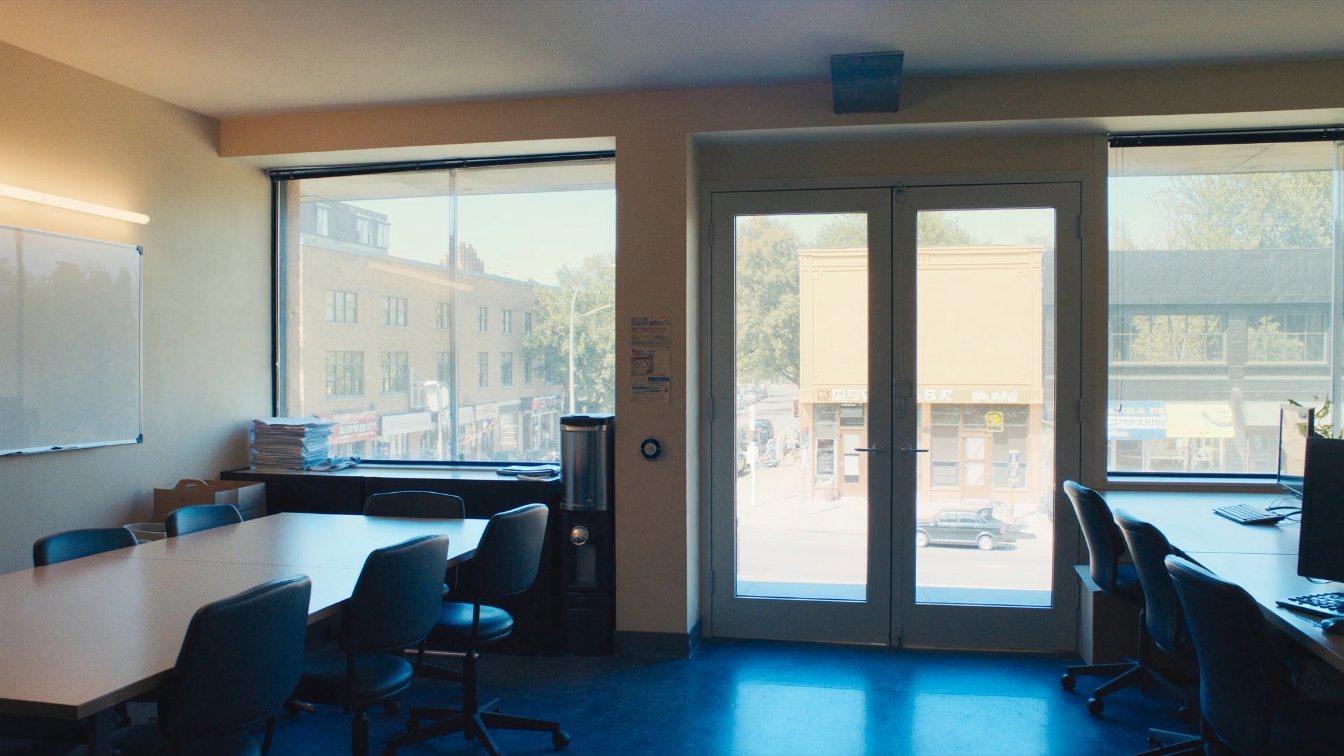
Ontario does not set a facility standard for a mortgage brokerage the way it does for a pharmacy or a dental office. What the rules do require: an Ontario mailing address that is not a post office box (O. Reg. 408/07), records kept for at least six years at the principal place of business in Ontario or other premises FSRA has been told about (O. Reg. 188/08), and a notice to FSRA within five days of moving the principal place of business or opening or closing an office open to the public (O. Reg. 193/08). The rest is ordinary commercial real estate: the unit must be zoned for the use, a change of use needs a building permit in Toronto even with no construction, the accessibility rules apply, and the lease must allow the business you are running.
What the mortgage rules require of your premises
The Mortgage Brokerages, Lenders and Administrators Act and its regulations are about conduct, not buildings. The premises points are few, and all of them are about FSRA being able to find you and your records:
- An Ontario mailing address that is not a post office box and can receive registered mail. It is a licensing requirement under O. Reg. 408/07 for corporations, partnerships and sole proprietorships.
- A principal place of business in Ontario where the records are kept, unless you tell FSRA you keep them at other specified premises in Ontario (O. Reg. 188/08, section 48, and O. Reg. 193/08, section 5).
- Five-day notices. Move the principal place of business, or open or close an office that is open to the public, and FSRA must be told no later than five days afterwards (O. Reg. 193/08, sections 8 and 9).
That means a brokerage can run from a small suite. It also means a move or a second location is a filing, not just a moving truck. If you are buying a brokerage as well as its space, start with buying a mortgage brokerage in Ontario.
Zoning: office or financial institution?
Zoning decides whether the use is allowed at the address at all. Toronto’s city-wide Zoning By-law 569-2013 lists “office” as a use and separately defines a financial institution as “premises used to provide financial services to the public, other than exclusively through an automated banking machine.” Chapter 800 of the by-law does not define “office” or mention mortgage brokerages by name.
So which category a brokerage falls into is a question for the City’s zoning examiner, not something to assume. It matters because some zones permit one and not the other, or cap one by floor area. Toronto’s building department puts it plainly: even if a building permit is not required, compliance with the zoning by-law is. Outside Toronto, Mississauga, Brampton, Vaughan and every other GTA municipality has its own by-law and its own list of uses; check the one that applies.
Change of use and the Building Code
Under section 10 of the Building Code Act, no one may change the use of a building or part of a building in a way that increases the hazard, as determined under the Building Code, without a permit, even when no construction is planned. Toronto’s guidance goes further in practice: if a change of use is proposed, a building permit is required even with no construction.
The Ontario Association of Architects’ guide to Building Code occupancies lists offices and banks in the same commercial group as shops and stores. Moving a brokerage into a unit that was already an office is usually the simple case. Taking over a former restaurant, a clinic or a warehouse unit, or combining units, is where you need an architect or permit expediter to tell you whether the occupancy changes and what the permit will involve. Ask before you waive conditions.
Accessibility (AODA)
Ontario’s accessibility rules apply to every private business with at least one employee: accessible customer service, training on the Human Rights Code and customer service, accessible employment practices and accessible information on request. At 20 to 49 employees you file an accessibility compliance report every three years, with the next deadline on 31 December 2026; at 50 or more you also need a posted multi-year plan and accessible public websites.
The Design of Public Spaces standards apply only to new construction and renovated public spaces. If you rebuild the reception and waiting area of a brokerage office, those standards come into play for the parts you renovate. If you move into an upper-floor suite with no elevator, think about how you will meet clients who cannot use stairs; many brokerages solve it with a ground-floor meeting room or by meeting at the client’s home.
Records, privacy and the back office
Six years of files for every mortgage adds up. Plan for it:
- Storage. Locked, fire-resistant storage for paper files, or a document system that meets the section 48 test of producing records promptly in understandable electronic and paper form.
- Privacy. Meeting rooms where a borrower’s income and credit can be discussed without being overheard, and screens that face away from the window.
- Trust accounting. If you hold trust money, the person reconciling it monthly needs a proper workspace, not the reception desk.
- Connectivity. Most brokerage work is online; confirm the building’s internet options before you sign.
Storefront or upper floor?
When I walk office space with a brokerage owner, the first question is where the business comes from. A brokerage that lives on referrals from realtors, accountants and past clients rarely needs a storefront; a second-floor suite on a main street costs less and does the job. A brokerage that relies on walk-in traffic in a busy plaza or a neighbourhood with a strong language community may justify ground-floor rent and signage. Either way, remember the five-day notice if the office is open to the public.
The same trade-off shows up with other professional offices; I cover it in law office space and accounting firm office space. And if you are comparing sectors, the storefront questions for a service business are very different, as in hair salon premises.
The lease clauses that matter
- Permitted use. Name the business: mortgage brokerage, mortgage administration if relevant, and ancillary office use. A narrow clause such as “insurance office” can block you later.
- Assignment and change of control. Many leases treat a sale of shares as an assignment needing landlord consent. If you are buying the brokerage by share purchase, this clause decides whether the lease survives.
- Signage. Location, size and who pays; municipal sign permits are separate.
- After-hours access and HVAC. Evening and weekend appointments are common; check building hours and after-hours heating and cooling charges.
- Relocation and demolition clauses. A landlord’s right to move you means another FSRA notice and another fit-out.
- Personal guarantee and term. Match the term to your plans and negotiate the guarantee down over time.
Buying the unit instead of renting it
Some owners buy a commercial condominium office unit and lease it to their own brokerage. It can make sense when you plan to stay, but it ties up capital that could fund growth. Run the numbers both ways. The AI office space value estimator below gives a range for an office unit in about a minute, and the cap rate calculator shows what the rent you would pay yourself implies as a return. HST on buying commercial real estate is a separate question from the business election; ask your accountant.
If you want a second opinion on a lease or a unit anywhere in the GTA, book a call or phone 833-330-1925.
Free tool — AI office space value estimator
Frequently asked questions
Can a mortgage brokerage operate from a home office in Ontario?
The licensing rules require an Ontario mailing address that is not a post office box and a principal place of business in Ontario where records are kept or retrievable. They do not require a storefront. Whether a home office is allowed is a zoning question for your municipality, and privacy and records security still apply.
Do I have to tell FSRA when my brokerage moves offices?
Yes. O. Reg. 193/08 requires a brokerage to notify FSRA no later than five days after changing its principal place of business, and no later than five days after opening or closing an office in Ontario that is open to the public.
Is a mortgage brokerage an office or a financial institution under Toronto zoning?
Toronto’s Zoning By-law 569-2013 defines a financial institution as premises providing financial services to the public, and lists office as a separate use without a definition. It does not name mortgage brokerages, so ask the City’s zoning examiner before you sign a lease.
Do I need a building permit to move my brokerage into a retail unit?
Possibly. Section 10 of the Building Code Act requires a permit for a change of use that increases hazard, and Toronto says a change of use needs a permit even with no construction. An architect or permit expediter can tell you whether your move is a change of occupancy.
Where must a mortgage brokerage keep its records in Ontario?
At its principal place of business in Ontario, or other Ontario premises it has told FSRA about, for at least six years. Electronic records can be kept elsewhere if they can be produced promptly in understandable electronic and paper form.
What AODA rules apply to a small brokerage office?
Every business with at least one employee must provide accessible customer service, training and accessible information on request. With 20 to 49 employees you also file a compliance report every three years, next due 31 December 2026. Public space design standards apply only to new or renovated public areas.
Sources
- O. Reg. 408/07, Mortgage Brokerages: Licensing — e-Laws — eligibility, E&O minimums, suitability
- O. Reg. 188/08, Mortgage Brokerages: Standards of Practice — e-Laws — records, trust funds, reconciliations
- O. Reg. 193/08, Reporting Requirements for Licensees — e-Laws — five-day notices
- City of Toronto — Zoning By-law 569-2013, Chapter 800 definitions — use definitions
- Building Code Act, 1992 — e-Laws — s. 10 permit for a change of use that increases hazard
- City of Toronto — When do I need a building permit? — change of use needs a permit even with no construction
- Ontario Association of Architects — Guide to Occupancies — Building Code occupancy examples
- Government of Ontario — Accessibility rules for businesses and non-profits — rules by employee count; compliance report due 31 December 2026
- FSRA — About mortgage brokerage and mortgage administrator licences — continuous licence, annual fee, E&O
Related reading
- Buying a mortgage brokerage in Ontario
- Opening a real estate brokerage office in Ontario
- Law office space in Ontario
- Accounting firm office space in Ontario
- Hair salon and barbershop premises in Ontario
- AI office space value estimator
- Cap rate calculator
About the author — Jatin Dua, Toronto and GTA real estate broker
I am Jatin Dua, Broker of Record and co-founder of RE/MAX Quantum Realty Inc., Brokerage, Unit 101, 799 The Queensway, Toronto. I work with buyers and sellers across Toronto and the GTA and have helped more than 100 families sell. Four-plus years of active GTA transactions and over $100 million in sales volume. Every figure here comes from a published table, regulator or statute linked in the sources, so you can check all of it without asking me.
Reach me at connect@jatindua.com or 833-330-1925, or book a call.