Published 2 November 2026 · By Jatin Dua, Broker of Record, RE/MAX Quantum Realty
What's Your Home Worth Right Now?
Get a free AI-powered price range for your property in under 90 seconds, based on recent GTA comparable sales. No name or address required.
Get My Free Estimate →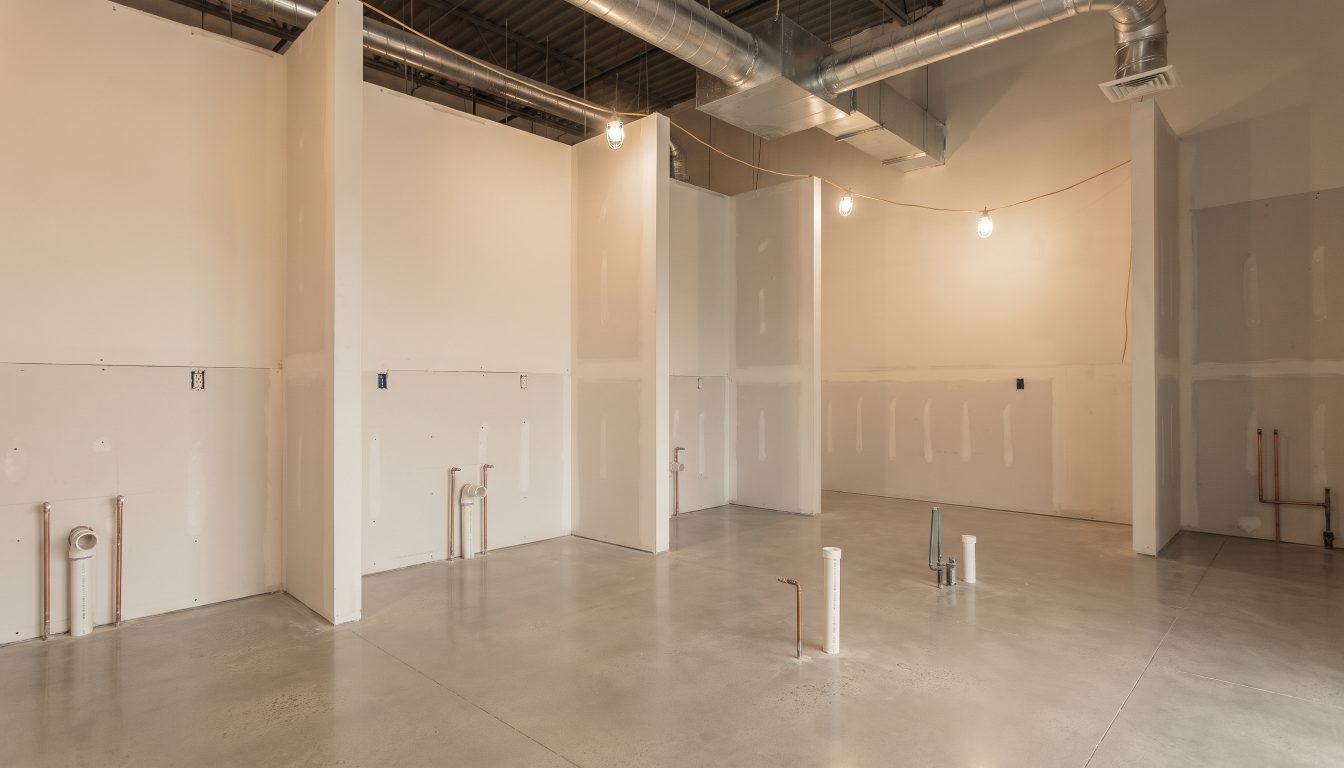
A GTA contractor’s 2026 pricing puts a veterinary clinic build-out at about $200 to $420 per square foot, or roughly $450,000 to $2.8 million in total. Its example 2,500 sq ft, four-exam-room clinic runs about $800,000 to $1 million before a full radiology room. Equipment, permits and design may be extra, and landlord allowances can offset part of it.
This guide is for veterinarians in Toronto and the GTA who are planning a new clinic, a relocation or a second location in 2027. You will get the published cost ranges per square foot, how much space a clinic needs, what the College of Veterinarians of Ontario (CVO) standards add to the bill, what a landlord may pay for, and how long the work and approvals take.
How much does it cost to build out a vet clinic in the GTA?
There is no official price list, so I rely on published figures and label each one. The most detailed GTA numbers I found come from a GTA contractor’s 2026 pricing page for veterinary clinic build-outs.
| Tier or project | Cost per sq ft | Typical project total |
|---|---|---|
| Floor tier | $200 to $260 | $450,000 to $900,000 |
| Standard tier | $290 to $360 | $1.1M to $1.8M |
| Premium tier | $360 to $420 | $1.6M to $2.8M |
| 2,500 sq ft, 4 exam rooms, surgery, dental and intraoral x-ray, no boarding | Standard tier | $800,000 to $1M |
| Same clinic plus a full radiology room | Standard tier | $1.1M to $1.4M |
| Same clinic plus 15 to 30 kennel or boarding runs | Standard tier | $1.6M to $2.2M |
| Same clinic plus CT and 24-hour operations | Standard tier | $2.5M or more |
Source: Renohouse, veterinary clinic build-out pricing, 2026 GTA and Ontario market data. Contractor figures are estimates, not quotes.
Two cautions. These are marketing figures from a firm that sells this work, not an independent survey. And the page does not give figures for equipment, permit fees or sprinklers, so always ask any contractor exactly what their number includes: construction only, or construction plus equipment, IT, furniture and design fees.
What do independent construction cost guides say for 2026?
Altus Group’s 2026 Canadian Cost Guide, with prices as at January 31, 2026, does not have a veterinary category. Its GTA ranges for related building types are still a useful check on any quote.
| Building type (GTA) | Cost per sq ft, 2026 | What it covers |
|---|---|---|
| Office interior fit-out, Class B | $110 to $150 | Finishing an office interior |
| Office interior fit-out, Class A | $160 to $265 | Higher-grade office interior |
| Strip plaza | $220 to $295 | New single-storey plaza; retail units left as shell |
| Office building under 5 storeys, Class B | $260 to $355 | Base building, tenant finishes excluded |
| Medical clinic or treatment centre (public sector) | $460 to $800 | New building; parking and furniture and equipment excluded |
Source: Altus Group, 2026 Canadian Cost Guide, private and public sector cost per square foot, GTA column. Ranges exclude site development.
A vet clinic sits between an office fit-out and a medical building. It needs far more plumbing, ventilation and wall work than an office, which is why the contractor’s per-foot figures run well above Altus Group’s office fit-out ranges. Altus Group also reported in April 2026 that overall construction costs in Toronto had come down over the past year, while metals, including metal-heavy mechanical and electrical components, were the main cost pressure nationally because of US tariffs.
How much space does a vet clinic need?
Space drives both your build-out and your rent. The contractor’s base example is a 2,500 sq ft clinic with four exam rooms, and its average 24-hour emergency hospital is about 8,000 sq ft. A US industry article from dvm360 (2019) offers a quick planning rule:
- Allow about 100 sq ft for each exam room.
- Allow about 120 sq ft for each treatment or induction station.
- Add up every room and station, then multiply by 1.5 for corridors, walls and support space.
The same article suggests adding about 35% to construction costs for financing, professional fees, equipment, furnishings and contingency. Those are US figures and rules of thumb, so use them for a first budget only.
What makes a vet build-out cost more than an office?
The CVO’s accreditation standards drive much of the cost. Every facility must meet the Essential Standards, and you add Additional Scope of Practice standards for each service you offer, such as surgery, radiology, dentistry or hospitalization. A smaller scope means fewer rooms and a cheaper build. The items that cost the most:
- Sinks and drains. Each treatment area needs a drained sink with hot and cold running water, which drives the plumbing layout.
- Floors. Exam room floors must be fluid-impervious, and the standards say unsealed concrete is not acceptable, which matters in industrial units.
- Surgical suite. A closed, single-purpose room with no through traffic, solid walls floor to ceiling and a covered ceiling, and no sinks.
- Anesthesia. A scavenging system for waste gas where inhalant anesthetic is used, plus an oxygen supply with a backup. The contractor prices active scavenging for a four-station surgery at $8,000 to $18,000.
- Radiology. Shielding for a standard x-ray room at about $30,000 to $55,000, and $60,000 to $110,000 for CT, per the contractor.
- Kennels. If the landlord has no exhaust riser for kennel areas, the contractor adds $40,000 to $80,000.
- Reception. A self-contained reception area entered directly from outside, which can force a redesign of some units.
My guide to veterinary facility premises in Ontario goes through each standard in detail.
Decide your scope of services before you choose a unit. A general practice without boarding or CT needs a very different space from a 24-hour hospital, and the wrong unit can add six figures to the build. I shortlist units by checking ceiling height, drain locations, exhaust routes and the entrance before we talk rent.
Comparing leasing a unit with buying one? Get a private value and rent range for a clinic space with the estimator below.
What approvals does a vet clinic x-ray room need?
Veterinary x-ray falls under Ontario’s X-ray Safety regulation (R.R.O. 1990, Reg. 861) under the Occupational Health and Safety Act, and the CVO points facility directors to the Ministry of Labour’s Radiation Protection Service. Two rules affect your schedule:
- An x-ray source in a permanent location cannot be installed or used until an application with plan location drawings, including the shielding, has been reviewed and accepted by an inspector.
- The employer that has possession of the x-ray source must be registered with a Director before it is used.
The regulation’s sections on registration and plan review do not apply to machines covered by the Healing Arts Radiation Protection Act, which governs x-ray in human health care. The CVO’s radiology standard also requires everyone who takes radiographs to be monitored for radiation exposure, with individual badges, as approved by Health Canada’s National Dosimetry Services.
Do not build the x-ray room walls before the plan review is accepted. The shielding shown in the accepted drawings is what you must install, and changing it after drywall is up costs time and money. The same goes for construction in general: never start before the lease is signed and the building permit is issued.
How much will a GTA landlord pay toward a vet build-out?
Many landlords offer a tenant improvement allowance, a set amount per square foot toward your construction, usually in return for a longer lease. The contractor lists typical 2026 GTA allowances of:
- About $25 to $70 per sq ft for plaza space, on a 10 to 15 year lease.
- About $50 to $100 per sq ft in a medical building, on a 10 year lease.
- Usually none for a standalone building, which is normally bought or held on a long ground lease.
Read the lease as carefully as the construction quote. A relocation clause matters more for a vet than for most tenants, because moving the clinic means new accreditation. Restoration clauses can also make you pay to remove plumbing and walls at the end of the term. My commercial lease clauses guide and my note on change of use permits cover what to settle before you sign.
How long does it take to open a new vet clinic?
The contractor’s schedule puts a four-exam-room general practice at about 22 to 26 weeks, and a full emergency hospital with imaging at about 28 to 36 weeks. Add time before that for lease negotiation, design, the building permit and the x-ray plan review.
The CVO’s own process for a new practice has several steps:
- Submit the Opening a New Practice, Inspection Application through the Professional Practice Portal and pay the inspection fee.
- Pass the opening inspection, which also checks record templates, drug registers, logs and any municipal occupancy permit.
- If the facility meets the standards, sign an acknowledgement and undertaking and receive a temporary waiver of enforcement so you can open. Unmet standards get 30 days to fix.
- About 90 to 120 days after opening, an inspector returns to check medical records. If that is satisfactory, a five-year certificate of accreditation is issued.
How do you pay for a vet clinic build-out?
Most vets combine a bank loan with the landlord’s allowance. Scotiabank said in March 2026 that it can finance up to 100% of the cost of buying or starting a practice for qualified veterinarians, usually without a down payment, and can offer an interest-only period while the practice ramps up. Build a contingency into your budget and get fixed-price quotes for the items that drive cost, such as plumbing, ventilation and shielding.
A start-up is not the only route. Buying an operating clinic can be faster and avoid much of the construction, though you take on its lease and its facility. My guide to buying a veterinary practice in Ontario covers that path.
What to do next
- Write down your scope of services, number of exam rooms and whether you need surgery, radiology, kennels or CT.
- Estimate your space with the planning rule above, then shortlist units by entrance, drains, exhaust and ceiling height.
- Get two or three contractor quotes that state exactly what is included, and compare them with the Altus Group ranges.
- Negotiate the tenant allowance, rent-free period, relocation and restoration clauses before you sign.
- Book the x-ray plan review and the CVO new-practice inspection early, and line up financing before construction starts.
Need help with this? Talk to me.
I’m Jatin Dua, Broker of Record at RE/MAX Quantum Realty, and I’m the best agent to do this kind of work for you in Toronto and across the GTA. Over $100 million in GTA sales and 100+ families helped sell. Feel free to contact me any time: call or text 833-330-1925 or email [email protected].
Frequently asked questions
How much does it cost to open a vet clinic in Ontario?
A 2026 GTA contractor’s pricing puts a veterinary clinic build-out at about $200 to $420 per square foot, or roughly $450,000 to $2.8 million in total. Its example 2,500 sq ft, four-exam-room clinic without boarding runs about $800,000 to $1 million. Equipment, permits and design may be extra, so ask every Ontario contractor what their number includes.
What is the cost per square foot to build out a veterinary clinic in Toronto?
About $200 to $420 per square foot, according to a GTA contractor’s 2026 pricing, across floor, standard and premium tiers. For comparison, Altus Group’s 2026 Canadian Cost Guide puts a Class B office interior fit-out in the GTA at $110 to $150 per square foot. Toronto vet clinics cost more because of plumbing, ventilation, surgery and x-ray requirements.
How big should a small animal vet clinic be?
A GTA contractor’s 2026 example uses about 2,500 sq ft for a four-exam-room clinic with surgery and dental. A 2019 US planning rule from dvm360 allows about 100 sq ft per exam room and 120 sq ft per treatment station, then multiplies the total by 1.5 for support space. Your scope of services in Ontario drives the final size.
How much does x-ray shielding cost for a vet clinic?
A GTA contractor’s 2026 pricing puts shielding for a standard veterinary x-ray room at about $30,000 to $55,000, and $60,000 to $110,000 for a CT room. In Ontario, the plan location drawings showing the shielding must be reviewed and accepted by an inspector under the X-ray Safety regulation before the machine is installed, so budget time as well as money.
Does a veterinary x-ray need HARP Act approval in Ontario?
No. The Healing Arts Radiation Protection Act covers x-ray in human health care. Veterinary x-ray in Ontario falls under the X-ray Safety regulation, Reg. 861, under the Occupational Health and Safety Act. It requires plan review of a permanent installation and registration of the employer that has the x-ray source, handled through the Ministry of Labour’s Radiation Protection Service.
Will a landlord pay for my vet clinic build-out in the GTA?
Often in part. A GTA contractor lists typical 2026 tenant improvement allowances of about $25 to $70 per square foot for plaza space on a 10 to 15 year lease, and $50 to $100 in a medical building on a 10 year lease. Standalone buildings usually come with no allowance. Get the amount and payment timing written into the lease.
How long does it take to build a new vet clinic in the GTA?
A GTA contractor’s 2026 schedule puts a four-exam-room general practice at about 22 to 26 weeks of work, and a full emergency hospital with imaging at 28 to 36 weeks. Add time for the lease, design, building permit and x-ray plan review. After opening, the CVO returns in about 90 to 120 days to check records before issuing a five-year certificate.
What does the CVO inspect before a new vet clinic opens?
The CVO inspects the facility against its Essential Standards and the standards for each service you offer, such as surgery or radiology. It also checks record templates, drug registers, logs and any municipal occupancy permit. If you pass, you sign an undertaking and get a temporary waiver to open in Ontario; unmet standards get 30 days to fix.
Can I get 100% financing to open a vet clinic?
Sometimes. Scotiabank said in March 2026 that it can finance up to 100% of the cost of buying or starting a practice for qualified veterinarians, usually without a down payment, with an interest-only period available while the practice ramps up. Lenders will want a business plan, quotes and a signed lease, so prepare those before you apply in Ontario.
Sources
- Renohouse: Veterinary clinic build-out, 2026 GTA pricing
- Altus Group: 2026 Canadian Cost Guide (PDF)
- Altus Group: Cautious in 2026, optimistic for 2027, Cost Guide insights (April 2026)
- CVO: Accreditation Standards for Veterinary Facilities in Ontario
- CVO: A Guide to the Accreditation Process
- Ontario e-Laws: R.R.O. 1990, Reg. 861 (X-ray Safety), Occupational Health and Safety Act
- Scotiabank: Advice on setting up a veterinary practice (March 2026)
- dvm360 (US): Ballpark estimates for your new veterinary hospital (2019)
Related reading
- Where Can You Open a Dental Clinic in the GTA? Zoning by City (2027)
- Buying a Commercial Condo Unit for a Dental Clinic in the GTA (2027)
- Selling Your Dental Practice, Your Building, or Both: Options for Ontario Dentists in 2027
- The Canadian Dental Care Plan in 2027: What It Means for Buying, Selling or Opening a GTA Dental Practice
About the author — Jatin Dua, Toronto and GTA real estate broker
I am Jatin Dua, Broker of Record and co-founder of RE/MAX Quantum Realty Inc., Brokerage, Unit 101, 799 The Queensway, Toronto. I work with buyers and sellers across Toronto and the GTA and have helped more than 100 families sell. Four-plus years of active GTA transactions and over $100 million in sales volume.
Reach me at [email protected] or 833-330-1925, or book a call.
More from the library
- Buying a Massage Therapy Clinic in Ontario: RMT Rules, Records You Cannot Buy, HST and Licensing
- Commercial Lease Use Clause in Ontario: Permitted Use, Exclusives, Radius Clauses and Consent
- Tutoring and Learning Centre Premises in Ontario: Zoning, Private School Rules and the Lease
- Severing a Lot in Ontario: What Consent Really Costs and Takes
- Buying a Restaurant: Asset Purchase vs Share Purchase from the Buyer’s Side
- Bedford Mansion, 118 Bedford Rd: Four Suites in an 1897 Annex House
How this estimate is produced
The estimate blends recent selling prices for comparable units in the area with the details you entered: size, bedrooms, floor, exposure, parking, locker and condition. It is a statistical estimate, not an appraisal and not a formal opinion of value.
What it cannot see
- Interior condition and upgrades beyond what you told it
- Unit-specific issues: noise, an obstructed view, a pending special assessment
- Your reserve fund and where the maintenance fee is heading
- What is competing with you in your own building right now
What moves the number most
- Floor and exposure, which can separate otherwise identical units
- Parking and locker, each priced separately by buyers
- Kitchen and bathroom condition
- Maintenance fee per square foot against the rest of the building
Treat it as a range, not a price
A single figure to the dollar would be false precision. Use the estimate to decide whether a move is worth exploring. Before you price anything for the market, the number needs checking against what is actually selling and sitting in your building this month, and that takes a person. I will do that for you at no cost and with no obligation.
Market data is sourced from the Toronto Regional Real Estate Board. Information is deemed reliable but is not guaranteed. This tool does not provide an appraisal or a formal opinion of value, and it is not a substitute for advice on your specific property. Jatin Dua, Broker of Record, RE/MAX Quantum Realty.