
Published 18 October 2026 · By Jatin Dua, Broker of Record, RE/MAX Quantum Realty
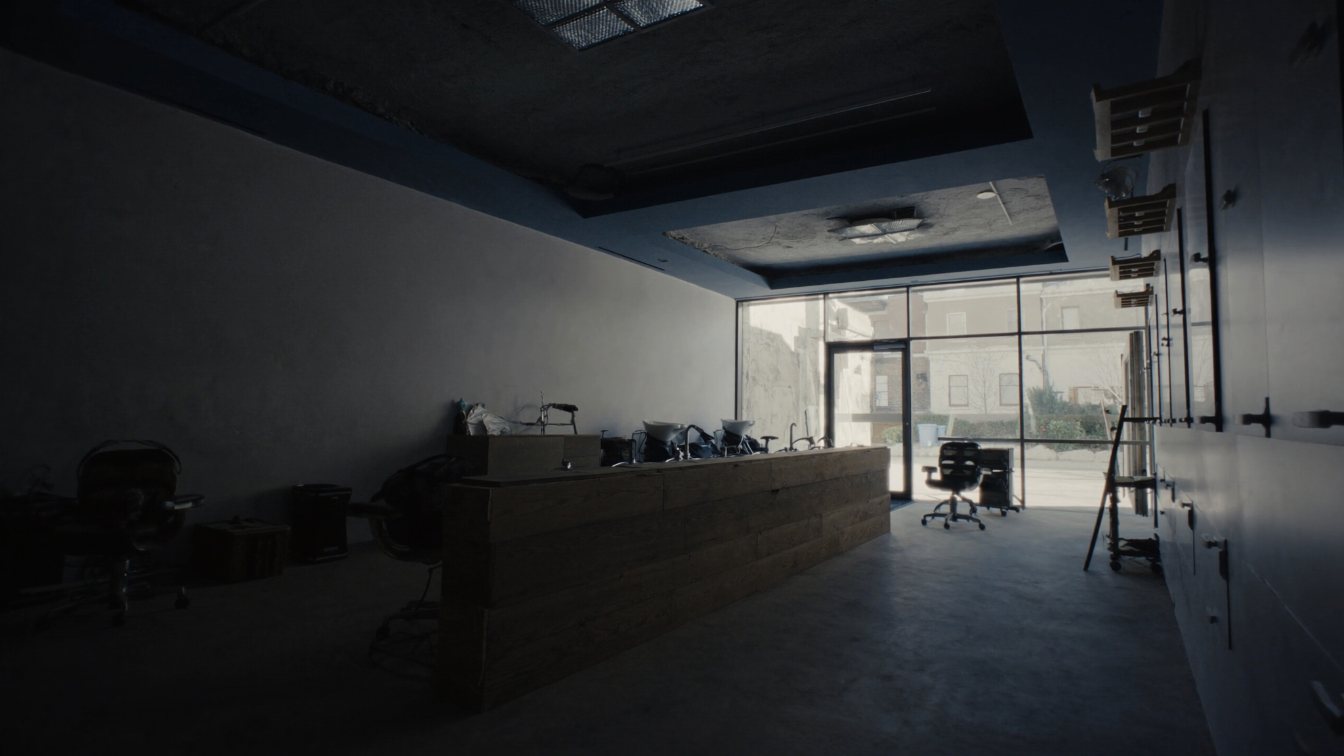
A tutoring centre in Ontario needs a unit where the use is permitted, safe pick-up parking at after-school hours, supervised instruction rooms, adequate washrooms and ventilation. Toronto's zoning treats tutoring as "education use," permitted in CR, CL and EO zones but not generally in industrial EL zones. Mississauga lists tutoring under "service establishment," permitted in C1 to C4 zones but not in employment zones. Daytime classes for five or more school-age pupils in school subjects can make you a private school under the Education Act, and supervision-first programs can need a child care licence.
Looking for tutoring centre space in Toronto or the GTA? Tell me what you need and I will send you units that fit, with the zoning and the lease checked before you commit.
What a tutoring centre needs from a unit
A tutoring or learning centre looks simple: a few rooms, some tables, a front desk. The difficulties are elsewhere. Most of the business happens between about 3:30 and 7 p.m. and on weekends, when parents are double-parked outside, and the zoning category it falls into differs from city to city. Two other provincial laws can turn a tutoring centre into something that needs a licence or a ministry filing if the program drifts.
On the floor plan, look for:
- Small instruction rooms with glazing so staff can see in. Supervision of children is a safety issue and a reputational one.
- An open study area and a reception counter with a waiting area for parents.
- Enough washrooms for a room full of students at break, ideally inside the unit rather than down a shared corridor.
- Ventilation sized for people, not shelves. A former retail unit’s HVAC may struggle when every room is full in June.
- A safe pick-up point where children can wait inside and see the car arrive.
| Item | Why it matters | Who to ask |
|---|---|---|
| Zoning category for tutoring | Toronto treats it as education use; Mississauga as a service establishment | City zoning examiner |
| Daytime instruction plans | Five or more school-age pupils between 9 and 4 in school subjects is a private school | Ontario Ministry of Education |
| Program purpose | Supervision-first programs can need a child care licence | Ministry of Education child care licensing |
| Parking and drop-off at 3:30 to 7 p.m. | Plaza lots are busiest at the same hours | Landlord; observe on a weekday afternoon |
| HVAC capacity | Full classrooms need fresh air | HVAC contractor |
| Franchise lease rider | Franchisors usually require specific lease terms | Franchisor, your lawyer |
Zoning: what Toronto and Mississauga call a tutoring centre
Toronto. Zoning By-law 569-2013 defines “education use” as “the use of premises for education or training,” other than a post-secondary school, a school regulated under the Education Act, or a religious education use. A tutoring or learning centre fits that definition. Education use is permitted in the CR commercial residential zone and the CL commercial local zone, and in the EO employment office zone. In the EL light industrial zone it is permitted only for technical and trade skills training on manufacturing equipment and for commercial vehicle driver education, so a tutoring centre in an industrial condo unit is generally not allowed.
The by-law treats a “private school,” meaning elementary or secondary education regulated under the Education Act but not publicly funded, as a separate use. The CL zone permits education use but does not list private school, and in the CR zone a private school must meet the specific rules in section 150.48. If your centre grows into a credit-granting school, the zoning answer can change.
Mississauga. Zoning By-law 0225-2007 is explicit: its definition of “Service Establishment” lists tutoring as an example, alongside health and beauty services, tailoring and dry cleaning. A separate “Commercial School” use covers instruction related to trades and technical learning. That matters because service establishment is permitted in the C1 to C4 commercial zones, but the E1 to E3 employment zones list commercial school and not service establishment. A tutoring centre cannot use the commercial school label to move into an employment area. Mississauga also requires a Certificate of Occupancy when the type of use of a unit changes.
Brampton, Vaughan, Markham and Oakville each have their own wording. Ask for a written answer from the city for the specific address; in Toronto, a Zoning Use Review is the quickest route.
When a tutoring centre becomes a private school
Ontario’s Education Act defines a private school as “an institution at which instruction is provided at any time between the hours of 9 a.m. and 4 p.m. on any school day for five or more pupils who are of or over compulsory school age in any of the subjects of the elementary or secondary school courses of study.”
A centre that only runs after school and on weekends is usually outside that definition. A centre that adds a daytime program for home-schooled students, or full-day classes for students who have left their school, may fall inside it. Private schools must notify the Ministry of Education of their intention to operate by September 1 every year, and new operators pay a $300 non-refundable fee for the first year, according to the ministry’s notice of intention page (last updated May 29, 2024).
That changes both the regulator and, as noted above, the Toronto zoning category. If daytime classes are in your business plan, read my guide to private school premises before you choose a unit.
Watch the 9-to-4 program
Adding a weekday daytime class for five or more school-age students in school subjects can make you a private school under the Education Act, with an annual ministry filing and a different zoning category in Toronto. Decide before you sign whether that is in the plan, and write the use clause to match.
Tutoring versus child care
The Child Care and Early Years Act, 2014, section 6(1), says no person shall operate a premises where child care is provided except under a licence. The Act then lists exceptions. One covers a service or program whose primary purpose “is not to provide temporary care for or supervision of children but rather to assist children with academic studies and skills,” and gives tutoring as the example. Another covers programs whose primary purpose is to promote recreational, artistic, musical or athletic skills or to provide religious, cultural or linguistic instruction.
The test is the primary purpose. A homework club with school pick-up, snacks and supervision until parents arrive after work starts to look like child care, not tutoring. If you plan to market “after-school care,” talk to the ministry first and read my notes on child care centre premises, because licensed child care has its own space and zoning rules.
Building permit, occupancy and accessibility
Under section 10 of the Building Code Act, 1992, a change of use that increases the hazard, as determined under the Building Code, needs a permit from the chief building official even if nothing is built. Turning a retail unit into classrooms where groups of students sit for an hour can be treated differently from a shop, so ask the building department or your designer how the new use will be classified before you assume the existing occupancy covers you. New partitions, glazing and washrooms usually need a permit anyway.
Ontario’s Building Code barrier-free requirements apply to most new construction and extensive renovations. A ground-floor unit with a level entrance and an accessible washroom inside the unit is the easiest path. Basement and second-floor units without an elevator create problems for students and parents with mobility needs, and may make a permit harder to get.
Parking and pick-up: test it at 4 p.m.
In Toronto, Chapter 200 of By-law 569-2013 places education use in Tier 2 and sets only maximum parking rates for it (0.8, 1.0 or 3.5 spaces per 100 square metres depending on the parking zone), so the city is unlikely to stop you for lack of parking. In Mississauga, service establishment requires 3.0, 4.0 or 5.0 spaces per 100 square metres depending on the precinct, unless a plaza-wide retail centre rate applies.
The by-law number is not what decides whether parents stay with you. What decides it is whether a parent can pull in at 4:15 p.m. on a Tuesday, walk a child to the door and leave. Visit the plaza at that hour before you sign. If the lot is full of restaurant pick-ups and gym members, negotiate signed short-term spaces near your door.
Rent the afternoon, not the morning
Landlords show units at 10 a.m. when the lot is empty. Your business happens after school. Go back on a weekday between 3:30 and 6:30 p.m. and on a Saturday morning, count free spaces near your door and watch how children would get from the car to the entrance.
Franchise tutoring centres: the lease rider
Many tutoring brands in the GTA are franchises. Under the Arthur Wishart Act (Franchise Disclosure), 2000 and its regulation, O. Reg. 581/00, the franchisor’s disclosure document must include an estimate of costs for leasehold improvements, equipment and leases, a description of any exclusive territory, the franchisor’s policy on the proximity of other franchises, and a list of franchise locations in Ontario. Read those sections against the specific unit you are looking at.
Franchisors usually also require their own lease rider. Common requests include the franchisor’s right to take over the lease if the franchisee defaults, notice to the franchisor of any default with time to cure, franchisor approval of signage and layout, a use clause that matches the system, and de-identification at the end of the term. Landlords often push back on some of these. Sort out which ones the franchisor treats as mandatory before you negotiate, so you do not sign a lease the franchisor later rejects.
The lease clauses that matter for a tutoring centre
- Use clause. “Tutoring, learning centre, test preparation and academic enrichment for children and adults, including small-group and online instruction.” If you may add daytime classes, include private school use subject to approvals.
- Zoning condition. A condition on written confirmation that the use is permitted.
- Exclusive. An exclusive on tutoring and learning centres in the plaza.
- Hours. Weekday evenings to at least 9 p.m. and full weekends, with HVAC included.
- Parking and pick-up. Signed short-term spaces near your entrance.
- HVAC capacity. Landlord warranty that the rooftop units are in good working order and adequate for the planned occupancy, or an allowance to upgrade.
- Signage. Storefront and pylon signage approved in the lease, including franchise branding.
- Franchise rider. The franchisor’s required terms agreed in the lease, not left to a later side letter.
- Assignment. Assignment to a buyer of the business or to the franchisor without unreasonable refusal.
Rent is quoted as net rent per square foot per year plus TMI. For more on wording the use clause, see commercial lease use clauses.
Deal-killers to check on a viewing
- The wrong zone, especially an industrial or employment unit offered at a low rent.
- A full parking lot at 4 p.m. or no safe walking route from the lot to the door.
- Shared washrooms down a public corridor, out of staff sight.
- Neighbours that do not suit children, which landlords sometimes forget when they lease the next unit.
- Undersized HVAC or windowless interior rooms with no fresh air supply.
- A franchise exclusive or proximity policy that conflicts with another location close by.
Similar timing and parking issues apply to music schools and martial arts and dance studios, which often compete for the same after-school units.
Where I fit
I help tutoring operators and franchisees find and assess space across Toronto, Mississauga, Brampton and the rest of the GTA. I check the zoning category before you sign, visit the plaza with you at pick-up time, and read the lease for the use clause, exclusive, hours and the franchisor’s rider so nothing surprises you after opening.
Find me tutoring centre space
Tell me the area, size, budget and timing, plus your peak hours and whether you are a franchise, and I will send units that fit.
I will come back to you personally, usually the same day, with spaces that fit. If it is urgent, call or text 833-330-1925.
Frequently asked questions
Is a tutoring centre allowed in any Toronto plaza?
Not every one. Toronto's Zoning By-law 569-2013 treats tutoring as education use, which is permitted in the CR, CL and EO zones. In the EL light industrial zone, education use is limited to trade skills training and commercial driver education, so a tutoring centre generally is not allowed there. Site-specific exceptions can change the answer, so check the exact address.
How does Mississauga zone a tutoring business?
Mississauga's Zoning By-law 0225-2007 lists tutoring as an example of a service establishment. Service establishment is permitted in the C1 to C4 commercial zones but not in the E1 to E3 employment zones. The separate commercial school use is limited to trades and technical learning, so it does not open employment zones to tutoring.
When does a tutoring centre count as a private school in Ontario?
Under the Education Act, a private school is an institution providing instruction at any time between 9 a.m. and 4 p.m. on a school day to five or more pupils of compulsory school age or older in elementary or secondary school subjects. A centre operating that kind of daytime program must file a notice of intention with the Ministry of Education by September 1 each year.
Does a tutoring centre need a child care licence?
Usually not. The Child Care and Early Years Act exempts programs whose primary purpose is to help children with academic studies and skills, naming tutoring as an example. The exemption depends on primary purpose, so an after-school program focused on pick-up and supervision until parents arrive can start to look like child care, which needs a licence.
How much parking does a tutoring centre need?
In Toronto, education use has only maximum parking rates under Chapter 200 of the zoning by-law. In Mississauga, a service establishment needs 3.0 to 5.0 spaces per 100 square metres depending on the precinct, unless a plaza-wide rate applies. In practice, visit at 4 p.m. on a weekday and negotiate short-term spaces near your door.
What should a tutoring franchise lease rider include?
Franchisors commonly require the right to take over the lease if the franchisee defaults, notice of any default with time to cure, approval of signage and layout, a use clause matching the system, and de-identification at the end of the term. Agree which items are mandatory with the franchisor before negotiating, and get them into the lease itself.
What lease clauses matter most for a learning centre?
A broad use clause covering tutoring, test preparation and enrichment for children and adults, a zoning condition, an exclusive on tutoring in the plaza, evening and weekend hours with HVAC included, short-term parking near your door, an HVAC warranty, signage rights, the franchise rider if any, and the right to assign to a buyer.
Sources
- City of Toronto — Zoning By-law 569-2013, Chapter 800 Definitions — education use and private school definitions
- City of Toronto — Zoning By-law 569-2013, Section 30.20 Commercial Local Zone — education use permitted in CL
- City of Toronto — Zoning By-law 569-2013, Section 60.10 EL Zone — education use limited to trade training
- City of Mississauga — Zoning By-law 0225-2007, Definitions — tutoring as service establishment; commercial school
- City of Mississauga — Zoning By-law 0225-2007, Part 6 Commercial Zones — C1 to C4 permitted uses
- Ontario e-Laws — Education Act — private school definition
- Government of Ontario — Private schools: notice of intention to operate — September 1 deadline, $300 first-year fee
- Ontario e-Laws — Child Care and Early Years Act, 2014 — licence requirement and tutoring exception
- Ontario e-Laws — O. Reg. 581/00 under the Arthur Wishart Act — franchise disclosure of lease costs and territory
Related reading
- Private school premises in Ontario
- Child care centre premises
- Music school premises
- Driving school premises
- Retail store valuation tool
- The use clause in a commercial lease
About the author — Jatin Dua, Toronto and GTA real estate broker
I am Jatin Dua, Broker of Record and co-founder of RE/MAX Quantum Realty Inc., Brokerage, Unit 101, 799 The Queensway, Toronto. I help business owners across Toronto and the GTA find, assess and lease commercial space, and I work with buyers and sellers of homes and businesses. Four-plus years of active GTA transactions and over $100 million in sales volume. Every rule here comes from a regulator, statute or by-law linked in the sources, so you can check all of it without asking me.
Reach me at [email protected] or 833-330-1925, or book a call.