

Published 10 September 2026 · By Jatin Dua, Broker of Record, RE/MAX Quantum Realty
South is the most valuable in Toronto because it delivers usable light all year and the winter sun is low enough to reach far into the unit. West gets late afternoon and evening sun and is the hardest to keep cool in summer. East is bright in the morning and cool by mid-afternoon. North is the coolest, the most consistent and the cheapest, and it is genuinely the best choice for some people. Exposure cannot be changed after you buy, and in a glass tower it affects comfort and hydro bills as much as it affects the view.
What each direction actually delivers
| South | West | East | North | |
|---|---|---|---|---|
| Light | All day, all year; deepest penetration in winter | Afternoon into evening | Morning, fading by early afternoon | Indirect and consistent, no direct sun |
| Summer heat | Moderate — the high summer sun is partly blocked by the slab above | The worst; low evening sun comes straight in when the day is already hot | Manageable; heat arrives early and dissipates | The coolest |
| Winter | The best; low sun reaches deep into the unit | Short but welcome late light | Bright mornings, dark afternoons | Dim; artificial light needed most of the day |
| Typical price | Highest | High, especially with a view | Moderate | Lowest |
| Best for | Most buyers; plants; anyone home during the day | People out during the day who want evening light | Early risers; light sleepers who want to wake naturally | Shift workers; people sensitive to heat; anyone with screens or art |
| Watch out for | Glare on screens; fading of textiles | Cooling costs and evening glare | The 2 p.m. drop-off | Needing lamps on at midday |
Why west is harder than people expect
West-facing units photograph beautifully and sell on sunsets. The problem is thermal timing. On a hot summer day the building has been absorbing heat since morning, and then at four or five in the afternoon the sun drops low enough to come in almost horizontally, under any overhang, straight through the glass. That is the moment the unit is hardest to cool and the moment you are most likely to be home.
In a modern glass tower, where a large share of the exterior wall is window, this is a real running cost and a real comfort issue, not a preference. If you are considering a west unit, ask about the glazing, look at whether there is any shading from the balcony above, and budget for good window coverings.
Why north is undervalued
North gets no direct sun, and the market prices it accordingly. For a substantial minority of buyers that is not a drawback:
- Consistent light all day, which is why studios and workspaces have historically faced north.
- The coolest unit in the building in summer, and the lowest cooling costs.
- No glare on screens, and no fading of art, textiles or wood floors.
- Better sleep for shift workers, and no 6 a.m. wake-up from the sun.
- Lower price for the same square footage, in the same building, with the same fees.
The trade-off is winter, when a north unit needs artificial light for much of the day and can feel darker than the numbers suggest. If you are home during winter days, weigh that honestly.
Thinking about buying or selling here?
I work this area every week and I will give you a straight answer, including when the answer is to wait. No pressure, and no drip campaign you cannot get out of.
Call or text 833-330-1925 Send me a message
Jatin Dua, Broker of Record — RE/MAX Quantum Realty Inc., Brokerage. Not intended to solicit buyers or sellers currently under contract with another brokerage.
Exposure is not the same as view
These get conflated and they are separate variables, both of which are priced.
Exposure is which way the windows face, and it determines light and heat. View is what is in front of them, and it determines outlook. A south-facing unit looking directly at another building forty feet away has good exposure and no view. A north-facing unit on a high floor looking over open parkland has poor exposure and an excellent view.
Decide which you are buying, and check the second one: look at what physically sits between the unit and the horizon — parking areas, low-rise buildings, vacant parcels — and find out what is zoned or under application there. In redeveloping Etobicoke corridors this is not a theoretical question.
Etobicoke specifics
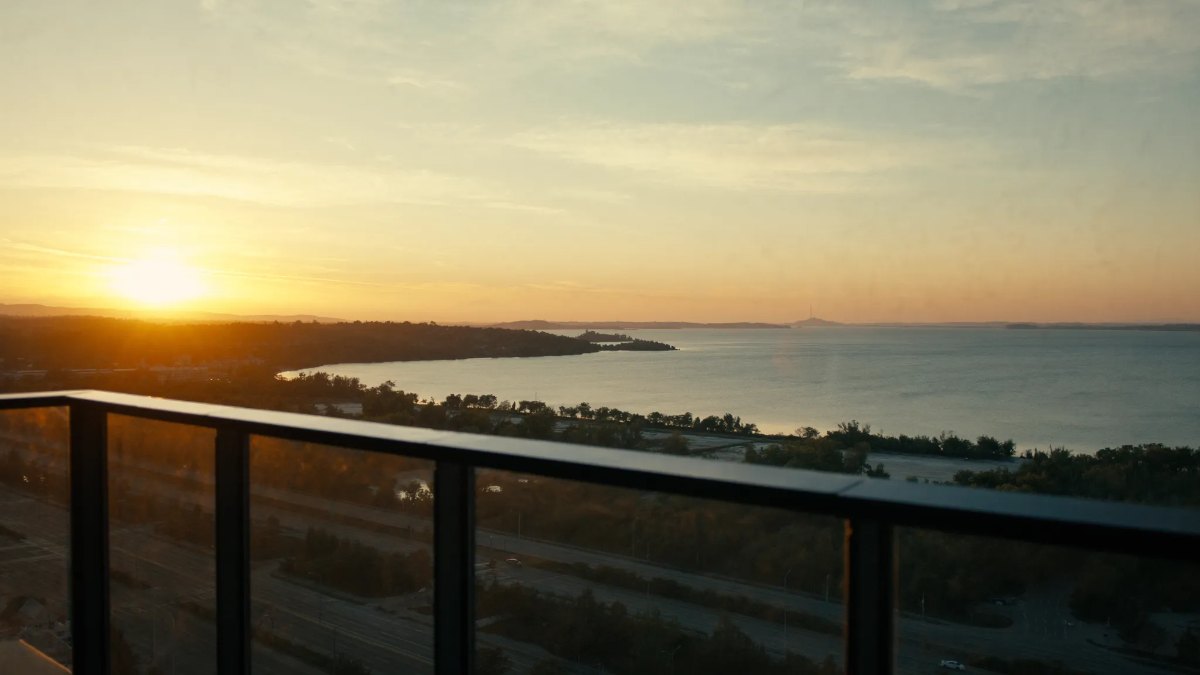
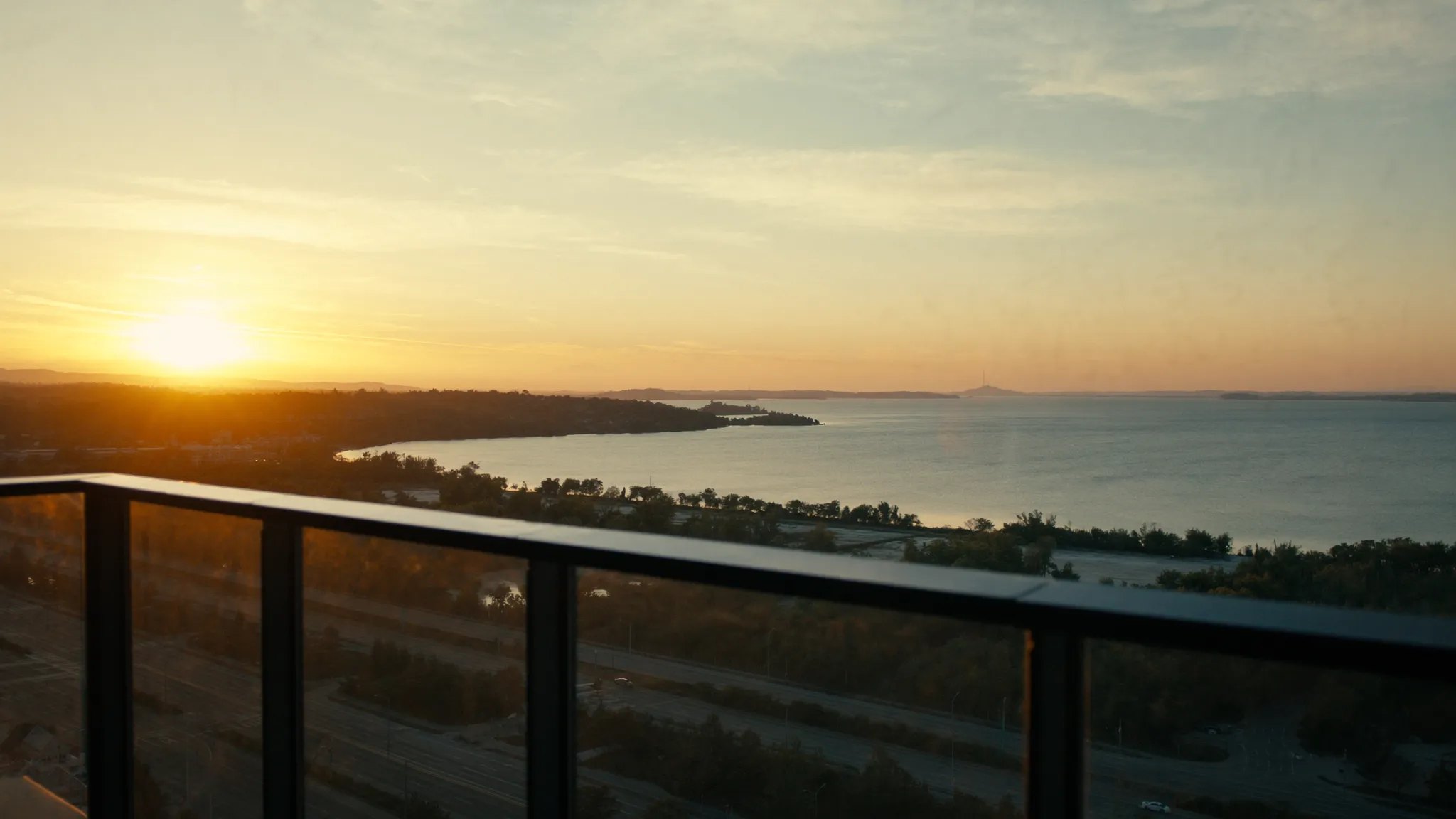
Humber Bay Shores. South and southeast carry the lake, and the market pays a substantial premium for unobstructed water views. West gets the sunset over the lake, which is beautiful and thermally demanding. North faces the city and the Gardiner, which is cheaper and, for many, perfectly liveable.
The Queensway. The arterial runs east–west, so the practical question is which side of the street you face rather than which compass point. North-facing units look over the road; south-facing units look into the neighbourhood behind. Noise and exposure interact here in a way they do not in a waterfront tower.
Older Etobicoke corporations. Smaller window-to-wall ratios mean exposure matters somewhat less for heat load than in a glass tower, but it still governs light. These buildings frequently have deeper balconies, which shade the unit below and change the calculation.
How to test a unit properly
- Visit at more than one time of day. A single midday viewing tells you very little.
- Visit a west unit late on a warm afternoon, with the air conditioning off if you can.
- Visit a north unit on an overcast day, which is the honest test.
- Stand at the window with a compass app.
- Look at what is between you and the horizon, and ask what is proposed there.
- Ask the neighbours. If you meet somebody in the elevator, ask what the unit is like in July and in January. People are candid.
- Ask about hydro. If the unit is separately metered, ask the seller for a year of bills.
- Check the balcony above. A deep overhang shades the unit meaningfully.
Choosing, honestly
Buy south if you are home during the day, you want plants to live, and you are prepared to pay for it.
Buy west if you are out during the day, you value evening light, and you will invest in window coverings.
Buy east if you wake early and do not mind losing direct sun by mid-afternoon.
Buy north if you work from screens, sleep during the day, run hot, own art or textiles you care about, or simply want more square footage for the same money in the same building.
Frequently asked questions
What is the best condo exposure in Toronto?
South, for most buyers, because it delivers usable light through the whole year and the low winter sun reaches deep into the unit. It is priced accordingly. The honest answer, though, is that the best exposure depends on when you are home, how you feel about heat, and what you do in the space — north units are genuinely better for some people and cost less.
Is a west-facing condo too hot?
It is the hardest exposure to keep comfortable in summer, because low evening sun comes in almost horizontally at the point in the day when the building is already warm. In a glass tower that is a real cooling cost and a real comfort issue. If you want a west unit, check the glazing, look at whether the balcony above provides shade, and budget for good window coverings.
Are north-facing condos a bad buy?
No, and they are frequently undervalued. North gives consistent indirect light with no glare, the coolest unit in the building in summer, lower cooling costs, no fading of art or textiles, and better daytime sleep for shift workers — at a lower price for the same square footage in the same building. The trade-off is needing lamps on during winter days.
Does exposure affect my hydro bill?
In a modern glass tower, meaningfully. West and south exposures carry higher cooling loads in summer; north carries the lowest. Where the unit is separately metered — which is standard in newer buildings — that shows up on your own bill. Ask the seller for a year of hydro bills rather than estimating.
What is the difference between exposure and view?
Exposure is which way the windows face and it governs light and heat. View is what is in front of them. A south unit facing a wall forty feet away has good exposure and no view; a north unit above parkland has the reverse. Both are priced, so decide which you are buying and verify the view by checking what is zoned or proposed on the parcels in front.
How do I confirm a unit’s true exposure?
Stand at the window and open the compass app on your phone. Marketing plans sometimes rotate the north arrow for graphic convenience, and listings describe southwest units as south-facing because it sells better. It takes ten seconds and exposure is one of the few things about a condominium that can never be changed.
Does exposure matter in older Etobicoke buildings?
It still governs light, but it matters less for heat load than in a glass tower, because window-to-wall ratios are much smaller and balconies are often deeper, shading the unit below. What tends to matter more in those buildings is the reserve fund position and what the fee includes, since heat, hydro and water are frequently in the common expenses.
Should I pay a premium for a lake view in Humber Bay Shores?
Only after checking whether it is protected. Look at what physically sits between the unit and the water — parking areas, low-rise buildings, vacant parcels — and find out what is zoned or under application there. A lake view is one of the largest components of price in that neighbourhood and it is the one component a development application can remove.
Sources
- Natural Resources Canada — Energy — solar orientation, glazing and residential heating and cooling loads. Accessed 10 September 2026.
- Condominium Act, 1998 — rules on window coverings and alterations visible from the common elements. Accessed 10 September 2026.
- TRREB Market Watch, August 2026 — Etobicoke condominium apartment sales and price data. Accessed 10 September 2026.
Related reading
- Condo layouts that hold value
- What a view premium is actually worth
- Humber Bay Shores condo guide
- The Etobicoke condo buying guide
- Parking and lockers in Etobicoke condos
About the author — Jatin Dua, Etobicoke real estate agent
I am Jatin Dua, Broker of Record at RE/MAX Quantum Realty Inc., Brokerage, Unit 101, 799 The Queensway in Etobicoke, with more than four years of active GTA transactions and over $100M in sales volume. Exposure is one of three things about a condominium you can never change, and it is the one buyers decide fastest.
Reach me at connect@jatindua.com or 833-330-1925.