
Published 18 October 2026 · By Jatin Dua, Broker of Record, RE/MAX Quantum Realty
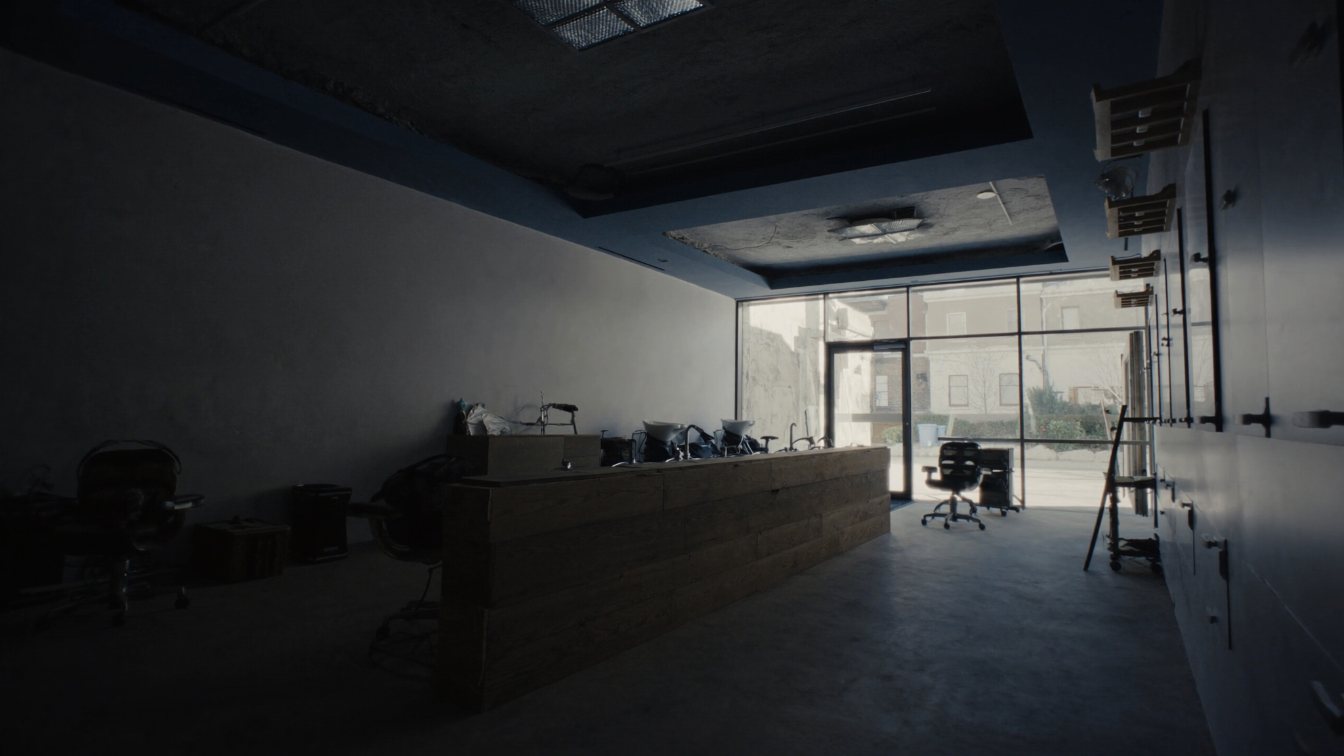
A fixed auto detailing shop in Ontario needs an enclosed bay with water supply, floor drains to the sanitary sewer through the right interceptors, and zoning that permits a vehicle washing or service use. In Toronto, Chapter 681 requires an interceptor for vehicle wash operations that discharge sand or grit and an oil interceptor where vehicles are maintained, and nothing but rain or melted snow may enter a catch basin. Toronto zoning adds location rules for washing establishments over 38 square metres. Toronto requires a Public Garage licence for car washes, and Brampton licenses car detailing as a Class D Automobile Service Station. Mobile detailers share responsibility for the wash water they leave behind.
Looking for auto detailing space in Toronto or the GTA? Tell me what you need and I will send you units that fit, with the zoning and the lease checked before you commit.
What a detailing unit must have
Detailing is a water business, even when most of the work is interior. Before I show a unit to a detailer, I check:
- Water supply. A domestic water line big enough for pressure washers and foam cannons, and a hot water heater that can keep up.
- Floor drains. Trench or floor drains in the bay, sloped correctly, connected to the sanitary sewer through an interceptor. A drain that ends in a parking lot catch basin is a problem you will own.
- An enclosed bay. Under Toronto zoning, mechanical washing, waxing and drying in a washing establishment must happen inside a wholly enclosed building, and every municipality I deal with expects the same for repair-type work.
- Ventilation and light. Coatings, solvents and polishing compounds need air movement, and paint correction needs proper lighting.
- Power. Extractors, dryers, compressors and polishers on separate circuits.
- Heat. An unheated bay in January means water on the floor that freezes.
Zoning: is detailing a car wash or a service shop?
This is the first question to answer, because the two uses are treated differently. Toronto’s Zoning By-law 569-2013 defines a vehicle washing establishment as premises used for washing or cleaning vehicles. A vehicle service shop covers service or customizing, such as glass or upholstery work and installation of parts or accessories. Hand washing and interior cleaning sit naturally under washing. Window tint, protection film and accessory installs look more like service. Ceramic coating can be argued either way. The zoning examiner decides, so describe your services honestly on the application.
Toronto’s section 150.96 applies to vehicle washing establishments with an interior floor area greater than 38 square metres, which captures almost any real detailing bay. Its rules include:
- all mechanical washing, waxing and drying inside a wholly enclosed building;
- a mechanical washing establishment needs at least 10 vehicle stacking spaces, each at least 3.0 by 6.5 metres, in a stacking aisle on the lot;
- the lot must abut a major street on the Policy Areas Overlay Map and have a front lot line at least 26.0 metres wide;
- vehicle access widths between 6.0 and 11.0 metres, and fencing requirements on corner lots;
- a cap of 20 square metres for any retail store or personal service shop on the same lot.
The 26-metre frontage and major street rules knock out many small plaza and industrial condo units, even where the zone lists the use. Toronto lists a vehicle washing establishment as a conditional use in zones such as Commercial Residential and Employment Industrial, but always confirm the specific address, because some properties are still governed by former municipal by-laws or site-specific exceptions.
Know which box you are in
If the city treats your shop as a washing establishment over 38 square metres, the frontage and major street rules apply. Get that answer in writing before you negotiate rent, not after.
Drains, interceptors and the sewer by-law
Toronto’s Municipal Code Chapter 681 (Sewers) is the rule book for what leaves your floor drains. The parts that matter for a detailer:
- Every owner or operator of premises from which sand, grit or similar materials may enter a sewer must take all necessary measures to keep them out.
- An industrial vehicle or equipment wash operation, or any premises discharging sand or grit, must install, operate and maintain an interceptor designed for that discharge, to the current Building Code.
- If vehicles are also repaired, lubricated or maintained on site, an oil interceptor is required too.
- Sanitary discharges must stay within the by-law’s Table 1 limits, which include a temperature limit below 60 degrees and a limit on mineral oil and grease.
- Car washes are a listed subject sector for pollution prevention planning, which means a first pollution prevention plan due within one year of starting operations and a new plan every six years unless you take part in an approved best management practices plan. Ask Toronto Water whether your detailing operation falls under that sector code.
In Mississauga and Brampton, sewers are regulated by the Region of Peel. Peel’s Wastewater By-law 53-2010 requires any industrial premises that may discharge solvent extractable matter (oils and greases) to install, operate and maintain an interceptor to the current Building Code. York, Durham and Halton have their own by-laws, so ask the region.
Water supply has its own rule. Toronto’s Chapter 851 (Water Supply) lists car washes as a severe hazard sector that must have a backflow prevention device for premise isolation. If the unit does not already have one rated for that hazard, someone has to buy, install and test it.
Licences before you open
Toronto. A car wash needs a Public Garage licence, and car wash is one of the licence classes the city lists. You need an approved Zoning Review for Business Licence first unless you are taking over a licensed business in the same category, plus an Occupancy Declaration Form signed by you and the landlord. The city lists $521.33 for a new licence and $350.51 for the annual renewal in 2026.
Brampton. Schedule 3 of the Business Licensing By-law 184-2023 names car detailing specifically: a Class D Automobile Service Station licence covers premises used for a car wash, whether mechanical, non-mechanical or coin operated, or car detailing. Window tinting and vehicle wrapping fall under Class F, which requires a licensed body person on staff, so think twice before adding wraps to a Brampton detailing shop. The schedule also requires posting your rates and hours, keeping vehicles parked neatly, and filing a site plan with the maximum number of vehicles stored on site.
Mississauga and the rest of the GTA. Each city has its own business licensing by-law and classes. Ask the licensing office which class covers your services before you apply, and get the zoning answer first, because most licences depend on it.
| Item | Why it matters | Who to ask |
|---|---|---|
| Use classification (washing vs service) | Decides which zoning rules apply | City zoning examiner |
| Frontage and major street (Toronto, over 38 m2) | Section 150.96 location rules | Toronto zoning review |
| Sand and grit interceptor, oil interceptor | Toronto Chapter 681, Peel By-law 53-2010 | Landlord, plumber, Toronto Water or Peel |
| Backflow preventer for premise isolation | Toronto Chapter 851 rates car washes severe hazard | Landlord, licensed plumber |
| Municipal licence class | Toronto Public Garage, Brampton Class D | Municipal licensing |
| Hot water, heat and power | Year-round operation | Landlord, electrician |
Mobile detailing versus a fixed shop
Many detailers start mobile and move into a unit once they have steady clients. The rules change when you do.
Mobile. Toronto’s guidance on washing cars and outdoor surfaces says nothing but rain and melted snow can flow into an outdoor catch basin. Soaps and cleaning products are prohibited, and even plain-water power washing counts because it dislodges contaminants. The page also says that when a mobile wash company is hired, both the person hiring and the mobile wash business are responsible for the wastewater. That is why serious mobile operators carry containment mats and recover their water. Brampton’s Mobile Licensing By-law 101-2025 covers driving schools, limousines, refreshment vehicles, taxis, transportation companies and peddlers of goods, and does not list a mobile detailing category, so check with your own municipality before assuming you need or do not need a licence.
Fixed. A shop gives you water, drains, heat and a place to cure coatings, but it brings zoning, interceptors, backflow, a licence and a lease. The advantage is that it is far easier to meet the sewer rules in a properly plumbed bay than in a client’s driveway.
A middle option some detailers use is a dedicated unit for paint correction and coatings, with no wet washing at all. That can change the zoning answer and the plumbing you need, so describe it that way on the zoning application if it is true.
The lease clauses that matter for a detailing shop
- Use clause. List washing, detailing, paint correction, coatings and any tint or film work you plan. A narrow clause blocks the services that pay best.
- Interceptors. Who installs, owns, pumps and repairs the sand, grit and oil interceptors, and a record of their condition at handover.
- Backflow device. Who supplies and tests the premise isolation device, and who pays for annual testing.
- Water and sewer charges. Whether your unit is separately metered. In a shared-meter plaza, a detailer’s water use can become a fight over additional rent.
- Drainage modifications. Consent to cut the slab for trench drains, and what you must restore at the end.
- Environmental baseline and indemnity. Photos and, where possible, a report on the drains and slab at possession.
- Parking and vehicle storage. Stalls for client cars waiting for pickup, and whether vehicles may stay overnight.
- Hours and noise. Extractors and compressors are loud. Agree on hours if residential neighbours are close.
- Exclusive. No competing wash or detailing tenant in the plaza.
Deal-killers to check on a viewing
Floor drains to a catch basin
If the bay’s drains, or the apron outside the door, flow to a storm catch basin, your wash water is a sewer by-law violation from the first day. Re-plumbing to the sanitary sewer through an interceptor can be one of the most expensive items in a fit-out. Find out where the drains go before you make an offer.
- Frontage and street. In Toronto, does the lot meet the 26-metre frontage and major street rules if you will be classed as a washing establishment?
- Existing interceptor. Is there one, what is it rated for, and when was it last cleaned?
- Backflow device. Is one installed for premise isolation at the right hazard level?
- Water pressure and hot water at the bay, not just at the washroom.
- Door height and bay depth for SUVs and pickup trucks.
- Heat in the bay for winter work.
If your detailing sits alongside repair work, read my notes on auto repair shop premises. If you are planning a full wash with tunnel equipment, the car wash site requirements guide covers the larger site questions, and the tire shop guide is useful if you are pairing detailing with seasonal tire changes.
Where I fit
I help detailers and wash operators find bays and small industrial units across Toronto, Mississauga, Brampton and the rest of the GTA. Before you sign, I check how zoning will classify your services, where the drains go, what interceptors and backflow devices are in place, and what the lease says about water costs and restoration. If you are comparing owning a small unit with leasing, my industrial property value estimator is a quick first look.
Find me auto detailing space
Tell me the area, number of bays, services you offer, budget and timing, and I will send units with the water and drains to match.
I will come back to you personally, usually the same day, with spaces that fit. If it is urgent, call or text 833-330-1925.
Frequently asked questions
Is auto detailing a car wash under Toronto zoning?
Often, yes. Toronto defines a vehicle washing establishment as premises used for washing or cleaning vehicles, which covers most detailing. Tint, film and accessory installs look more like a vehicle service shop. The zoning examiner decides based on your description. Washing establishments over 38 square metres must meet location rules, including a 26-metre front lot line on a major street.
Do I need an interceptor for a detailing shop in Toronto?
Usually. Toronto's Sewers By-law requires an interceptor for vehicle wash operations and premises discharging sand or grit, and an oil interceptor where vehicles are repaired, lubricated or maintained. Both must meet the current Building Code and be properly maintained. In Mississauga and Brampton, Peel's Wastewater By-law requires interceptors for premises that may discharge oils and greases.
Can mobile detailers let wash water go into the storm drain?
No. Toronto says nothing but rain and melted snow can enter an outdoor catch basin, soaps and cleaning products are prohibited, and even plain-water power washing counts. When a mobile wash business is hired, both the customer and the business are responsible for the wastewater. Containment mats and water recovery are the practical answer.
What licence does a car detailing shop need in Brampton?
Brampton's Business Licensing By-law 184-2023 lists car detailing under the Class D Automobile Service Station licence, alongside mechanical, non-mechanical and coin-operated car washes. Window tinting and vehicle wrapping fall under Class F, which requires a licensed body person on staff. The application also needs a site plan showing how many vehicles will be stored.
Does a detailing shop need a backflow preventer?
In Toronto, the Water Supply By-law lists car washes as a severe hazard sector that must have a backflow prevention device for premise isolation, installed and tested to the CSA B64 standards. Check whether the unit already has a device at the right hazard rating, and settle in the lease who pays for installation and annual testing.
Do I need a licence to run a car wash or detailing shop in Toronto?
Yes. Toronto requires a Public Garage licence for a car wash, with car wash as a licence class. You need an approved Zoning Review for Business Licence before applying, an Occupancy Declaration Form signed by the landlord and you, and other documents. The 2026 fees shown are $521.33 for a new licence and $350.51 to renew.
What should I look for when viewing a detailing unit?
Find out where the floor drains go, whether there is an interceptor and a backflow device, and whether the unit has heat, hot water and enough power for extractors and compressors. In Toronto, check frontage and major street rules. Check door height for trucks and SUVs, and whether the lease allows the slab work and water use you need.
Sources
- City of Toronto — Municipal Code Chapter 681, Sewers — sand, grit and oil interceptors, storm rules, P2 sectors
- City of Toronto — Washing Cars and Outdoor Surfaces — catch basins, mobile wash responsibility
- City of Toronto — Zoning By-law 569-2013, Chapter 800 Definitions — vehicle washing establishment, service shop
- City of Toronto — Zoning By-law 569-2013, Section 150.96 Vehicle Washing Establishment — 38 m2 threshold, frontage, stacking
- City of Toronto — Public Garage licence — car wash licence class, fees
- City of Toronto — Municipal Code Chapter 851, Water Supply — Schedule 5 backflow, car washes severe
- Region of Peel — Wastewater By-law 53-2010 — interceptor for oils and greases
- City of Brampton — Business Licensing By-law 184-2023, Schedule 3 — Class D car detailing, Class F tint and wrap
- City of Brampton — Mobile Licensing By-law 101-2025 — mobile licence categories
Related reading
- Car wash site requirements in Ontario
- Auto repair shop premises
- Tire shop premises
- Collision and body shop premises
- Buying a car wash in Ontario
- The use clause in a commercial lease
About the author — Jatin Dua, Toronto and GTA real estate broker
I am Jatin Dua, Broker of Record and co-founder of RE/MAX Quantum Realty Inc., Brokerage, Unit 101, 799 The Queensway, Toronto. I help business owners across Toronto and the GTA find, assess and lease commercial space, and I work with buyers and sellers of homes and businesses. Four-plus years of active GTA transactions and over $100 million in sales volume. Every rule here comes from a regulator, statute or by-law linked in the sources, so you can check all of it without asking me.
Reach me at [email protected] or 833-330-1925, or book a call.