
Published 18 October 2026 · By Jatin Dua, Broker of Record, RE/MAX Quantum Realty
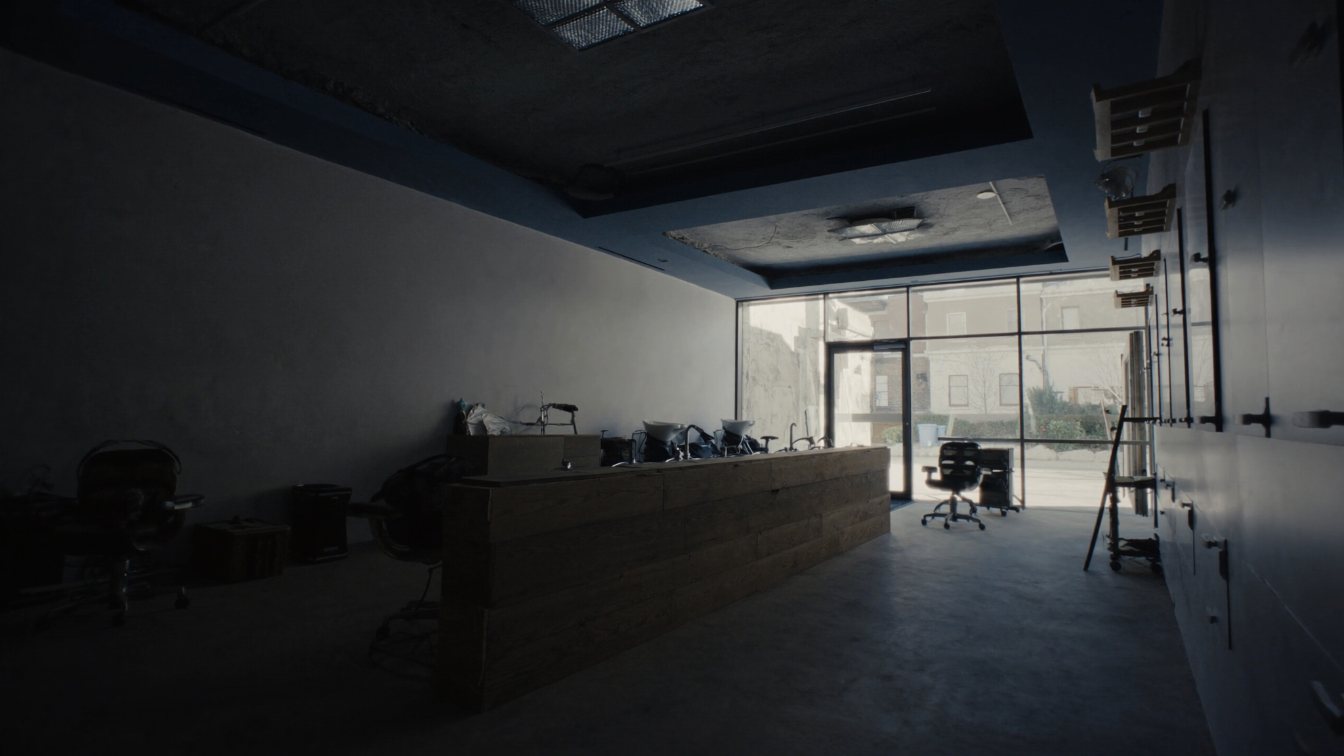
A pet store or grooming salon in Ontario needs a unit with washable floors, drainage for bathing tubs, strong ventilation and enough separation that animal noise doesn't reach neighbours. In Toronto, pet shops need a City licence today, and from 1 February 2027 a new Pet Establishment licence will also cover groomers, daycares, boarders and trainers, and dogs, cats, rabbits and guinea pigs for sale must come from shelters, registered humane societies or rescues, or owner surrenders at no charge, with an exception for purebreds. Zoning treats grooming (pet services) and boarding or training (kennel) differently, so confirm both before signing.
Looking for pet store or grooming space in Toronto or the GTA? Tell me what you need and I will send you units that fit, with the zoning and the lease checked before you commit.
Pet store, groomer or daycare: which use you are leasing for
Most of the pet tenants I work with combine retail with a service: a pet food and supply store with a grooming room at the back, a grooming salon that sells shampoo and treats, or a dog daycare that also does baths. Zoning, licensing and the landlord all care which of those is the main use, and they treat the service part very differently.
Toronto’s Zoning By-law 569-2013 draws the line clearly. Pet services means premises used to provide grooming of domestic animals, and a veterinary hospital or kennel is not pet services. A kennel means premises used for boarding, training or breeding dogs, cats or other domestic animals. A pet supply store is a retail store. Pet services is in the permitted use list of the commercial residential (CR) zone covering many Toronto main streets, and also in the employment industrial (E) zone. Kennel does not appear in the CR permitted list; it is in the E zone list. A dog daycare or boarding business in a Toronto main-street storefront may therefore need a minor variance or rezoning. Get a zoning review on the address and describe the overnight and daytime care honestly.
Mississauga’s business licence list includes both pet shops and breeding and boarding kennels. Brampton, Vaughan and Markham have their own definitions, so ask each city how a daycare is classified before you shortlist units. If you are adding veterinary services, read my veterinary facility premises guide first, because a vet clinic is a different use again.
Toronto licensing today and from February 2027
Today. Toronto requires a licence for shops where animals, including birds and fish, are sold as pets. The City’s page lists a $242.82 application fee and $545.51 licence fee ($788.33 total), annual renewal at $384.88, $1,000,000 in commercial general liability insurance, zoning approval for most new applications and a by-law enforcement inspection. Every application is also referred to the Medical Officer of Health. The City describes current practice as pet shops sourcing dogs and cats from animal shelters, humane societies, rescue groups and, in some cases, owner surrenders.
From 1 February 2027. City Council approved new rules for animal-related businesses in July 2025. A single Pet Establishment licence will replace the Pet Shop licence and also cover businesses that board, breed, train or groom animals, including pet daycares, groomers and kennels. Veterinary practices, shelters and rescues are not pet establishments. Businesses add endorsements for animal sales or adoptions, breeding, daycare, boarding and training, grooming, and overnight keeping, with no extra fee for endorsements. All pet establishments must meet standards for animal care, feeding and handling, housing, cleanliness and sanitation, record keeping and insurance. Businesses keeping animals for sale or adoption must source dogs, cats, rabbits and guinea pigs from animal centres, registered humane societies, registered rescue groups, or owner surrenders at no charge. The City notes an exception for purebred animals and says more detail and a self-assessment tool are coming in fall 2026.
Key takeaway
If you open a groomer or daycare in Toronto now, plan for the Pet Establishment licence before your first renewal. Lease a unit that can meet animal housing, sanitation and noise standards, not just one that works for a retail counter.
What the unit must have
Toronto’s current pet shop rules in Chapter 545 already describe much of what the space needs. Where animal quarters are part of, or attached to, a building the public uses, they must have a concrete or other impermeable floor with a drain built as a plumbing fixture, and the floor must be washed at least daily. The shop must be kept sanitary, well ventilated and free from offensive odours, with lighting good enough to observe every animal. Animals showing signs of illness must be kept in a separate quarantine area until cured, and an attendant must be present during business hours whenever the operator is away.
Two rules affect the storefront itself. A licensed pet shop must display a sign reading "Licensed Pet Shop" in letters at least 15 centimetres high over the street door, in the lower front window or another approved spot, and animals may only be displayed in a shop window at the rear of the window, out of draughts and direct sun. A bright south-facing window full of puppies is not an option, so plan the display around products instead.
Ontario’s animal welfare standards under the Provincial Animal Welfare Services Act (O. Reg. 444/19) also apply to every animal: adequate food and water, medical attention, resting areas, space to move, sanitary conditions, ventilation, light and protection from harmful temperatures, with enclosures in good repair and made of safe, non-injurious materials.
| Item | Why it matters | Who to ask |
|---|---|---|
| Floor drain and tub drains | Toronto requires an impermeable floor with a plumbed drain for animal quarters; grooming tubs need drainage that handles hair | Landlord; plumber; building permit office |
| Hot water capacity | Back-to-back baths empty a small tank quickly | Plumber |
| Exhaust and air changes | Odour, dryer heat and dander; the by-law requires a well-ventilated, odour-free shop | HVAC contractor |
| Sound separation | Barking through demising walls is the top landlord complaint | Landlord; acoustic consultant |
| Electrical for dryers and clippers | High-velocity dryers and multiple stations need dedicated circuits | Licensed electrical contractor |
| Separate isolation area | Required for sick animals in a pet shop | Your designer |
| Outdoor relief area | Daycares need somewhere for dogs to go; few plazas allow it | Landlord; zoning review |
Drains, plumbing and the building permit
Grooming puts hair, shampoo and grit into drains all day. Most units were plumbed for a single washroom, and the drain line may be on the wrong side of the unit. Adding tubs and a floor drain usually means cutting the slab and a plumbing permit, and the landlord will want the work done by their approved trades. Install hair traps on every tub and keep them on a cleaning schedule; a blocked shared drain in a plaza becomes your cost under most leases.
If the unit was previously a store or office, ask your designer whether bringing in animals and wet grooming is a change of use under the Building Code. Ontario’s Building Code Act requires a permit for a change of use that increases the hazard, even without construction, and Toronto Building says a change of use needs a permit. My change of use guide explains how that review works.
Noise and odour: the neighbour problem
Toronto’s noise by-law (Chapter 591) prohibits anyone from causing or permitting persistent noise, including barking, calling or whining, from any animal kept or used for any purpose. That rule doesn’t care whether your lease allows dogs. A daycare with twenty dogs next to a dental office or under apartments will generate complaints, and complaints lead to by-law enforcement and landlord default notices.
Practical steps I build into deals: choose end units or units beside other noisy or high-traffic uses, ask the landlord whether demising walls run to the underside of the deck, budget for sound insulation, and avoid units directly below residential suites. Odour works the same way. The pet shop rules require the premises to be free from offensive odours, and a shared ceiling plenum can carry smells to the next tenant.
A plaza that welcomes a pet store may not welcome a daycare
Landlords often approve "pet supplies and grooming" without realizing the tenant plans boarding or daycare. If your use clause doesn’t cover it, or zoning treats it as a kennel, you can be in default the day you open. Put every service, including overnight stays, in the use clause, and confirm zoning before you sign.
The lease clauses that matter for a pet store or groomer
- Use clause. Name every activity: retail sale of pet food, supplies and, if planned, animals or adoptions; grooming; bathing; daycare; training; boarding and overnight stays. See my use clause guide.
- Licensing and zoning condition. A conditional period for the zoning review and the City licence, with the landlord signing the occupancy declaration Toronto requires.
- Plumbing work. Landlord consent to cut the slab for drains, install tubs and upgrade hot water, and agreement on who pays.
- HVAC and exhaust. Permission to add exhaust and increase air changes, and confirmation the unit is on its own system rather than a shared return.
- Noise and odour. Negotiate a reasonable standard, not a blanket "no noise or odour" covenant you can’t meet, and a cure period before default.
- Exclusive. Pet supplies, grooming and daycare, so the landlord doesn’t lease the next unit to a competitor.
- Outdoor areas. If dogs need a relief area, get its location, fencing and cleaning obligations in writing. Without it, assume you have none.
- Hours and access. Early drop-off and late pickup for daycare, and 24-hour access if animals stay overnight.
- Restoration. Limit removal obligations for tubs, drains and wall finishes at the end of the term.
Deal-killers to check on a viewing
- Zoning that doesn’t allow kennel uses. In Toronto, kennel isn’t in the CR zone’s permitted list, which rules out many main-street units for daycare or boarding without a variance.
- Residential above. Barking and odour complaints from apartments are hard to cure.
- No way to add a floor drain. Structural slabs over parking, or no access to the sanitary line, can make a compliant animal area impractical.
- Shared HVAC. Odour and dander spread through a common return to every tenant on the system.
- Medical or food tenants next door. Clinics and restaurants are the most likely to complain and the least likely to tolerate animal traffic in the corridor.
- No parking for drop-off. Grooming and daycare depend on quick pickup and drop-off at the door.
If you are comparing a pet business with other service salons, my hair salon premises guide covers the plumbing side of wet services in detail.
Where I fit
I help pet store, grooming and daycare owners find units across Toronto and the GTA, and I check zoning for pet services versus kennel uses, the plumbing and the neighbours before you commit. I read the lease with you and push for a use clause, plumbing consent and a workable noise standard like the clauses above, and if you are buying an existing store the retail store valuation tool gives a first read on price.
Find me pet store or grooming space
Tell me the area, size, budget and timing, and whether you need grooming, daycare or overnight stays, and I will send units where zoning and plumbing can work.
I will come back to you personally, usually the same day, with spaces that fit. If it is urgent, call or text 833-330-1925.
Frequently asked questions
Do I need a licence for a dog grooming business in Toronto?
Starting 1 February 2027, yes. Toronto's new Pet Establishment licence will cover businesses that groom, board, breed or train animals, as well as pet shops, with endorsements for each service and no extra fee for endorsements. Pet shops that sell animals already need a licence. The City says more details are coming in fall 2026.
Can pet stores in Toronto sell puppies and kittens?
From 1 February 2027, businesses keeping animals for sale or adoption must source dogs, cats, rabbits and guinea pigs from animal centres, registered humane societies, registered rescue groups, or owner surrenders at no charge. The City notes an exception for purebred animals, with details still to come. Pet shops currently source dogs and cats from shelters, humane societies and rescue groups.
Is a dog daycare allowed in a retail plaza in Toronto?
Often not as of right. Toronto's zoning by-law treats boarding, training or breeding animals as a kennel, which is permitted in the employment industrial zone but isn't in the commercial residential zone's permitted list. Grooming alone is pet services, which is permitted in more commercial zones. Get a zoning review on the exact address.
What floor and drain does a pet store need in Toronto?
Toronto's pet shop rules require animal quarters attached to a building used by the public to have a concrete or other impermeable floor with a drain built as a plumbing fixture, washed at least once a day. The shop must also be sanitary, well ventilated and free from offensive odours, with a separate quarantine area for sick animals.
Can my landlord evict me because dogs bark at my grooming salon?
A landlord can rely on the lease's nuisance and noise covenants, and Toronto's noise by-law separately prohibits persistent barking, calling or whining from any animal. Repeated complaints can lead to default notices. Negotiate a reasonable noise standard with a cure period, choose units away from residential and medical neighbours, and budget for sound insulation.
What insurance does a Toronto pet shop need?
Toronto's pet shop licence requires a certificate of insurance showing $1,000,000 in commercial general liability coverage. The 2027 Pet Establishment rules include insurance standards for all pet establishments. Your landlord's lease may require higher limits, so ask your insurer what they will write for grooming or daycare before you agree to the lease's insurance clause.
What should the use clause say for a pet store with grooming?
List every activity you plan: retail sale of pet food and supplies, sale or adoption of animals if relevant, grooming and bathing, daycare, training, and any boarding or overnight stays. A clause that only says pet supplies can leave you in default for grooming or daycare, and zoning may treat those services as different uses.
Sources
- City of Toronto — Pet Shops licence — current requirements, fees, sourcing, insurance
- City of Toronto — Pet Establishments (effective February 1, 2027) — new licence, endorsements, sourcing rule
- City of Toronto — Municipal Code Chapter 545, Licensing — Article XX pet shop floor, drain, ventilation, quarantine
- City of Toronto — Zoning By-law 569-2013, Chapter 800 Definitions — pet services and kennel
- City of Toronto — Zoning By-law 569-2013, Chapter 40.10 CR Zone — pet services permitted
- City of Toronto — Zoning By-law 569-2013, Chapter 60.20 Employment Industrial Zone — kennel and pet services permitted
- City of Toronto — Municipal Code Chapter 591, Noise — persistent animal noise
- Ontario e-Laws — O. Reg. 444/19, Standards of Care and Administrative Requirements — basic standards of care for all animals
- City of Mississauga — Business licensing — pet shop and kennel licences
Related reading
- Veterinary facility premises
- Hair salon premises
- Change of use permits for tenants
- The commercial lease use clause
- Buying a veterinary practice
- The use clause in a commercial lease
About the author — Jatin Dua, Toronto and GTA real estate broker
I am Jatin Dua, Broker of Record and co-founder of RE/MAX Quantum Realty Inc., Brokerage, Unit 101, 799 The Queensway, Toronto. I help business owners across Toronto and the GTA find, assess and lease commercial space, and I work with buyers and sellers of homes and businesses. Four-plus years of active GTA transactions and over $100 million in sales volume. Every rule here comes from a regulator, statute or by-law linked in the sources, so you can check all of it without asking me.
Reach me at [email protected] or 833-330-1925, or book a call.