
Published 18 October 2026 · By Jatin Dua, Broker of Record, RE/MAX Quantum Realty
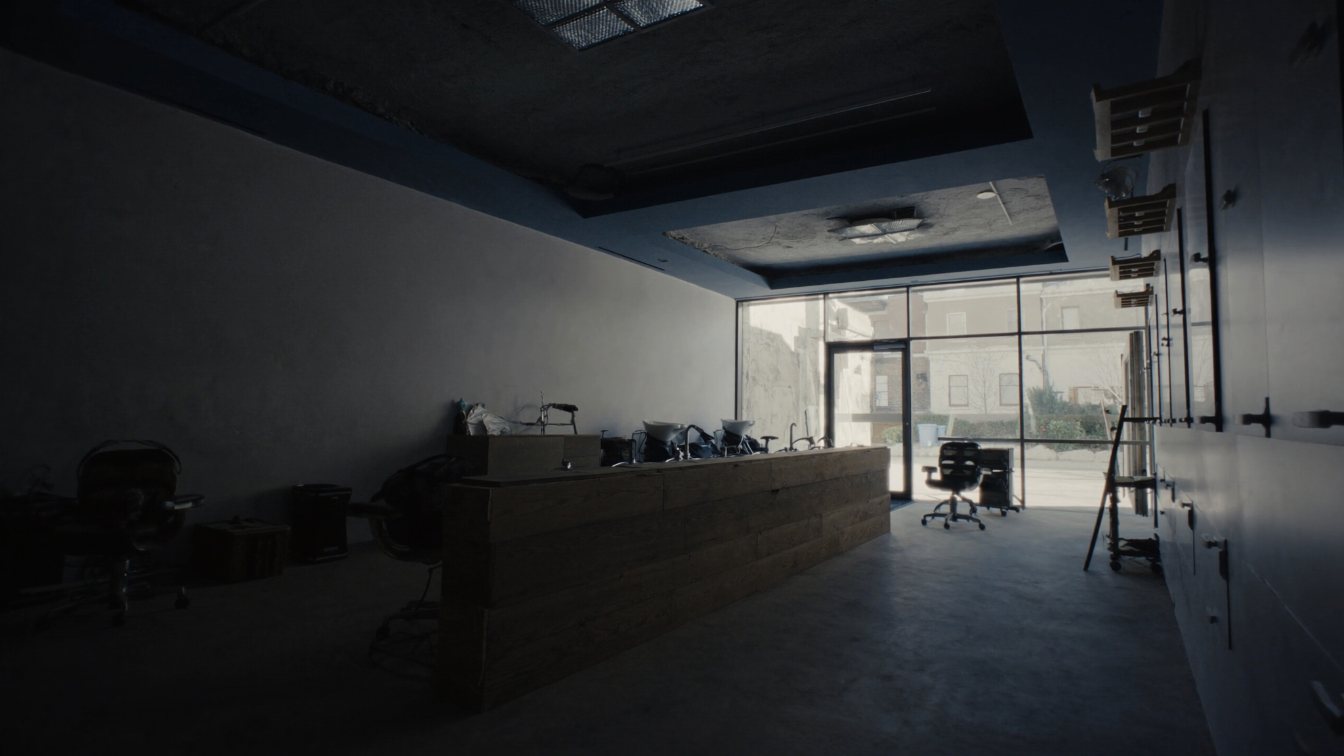
A place of worship can lease a plaza unit in Ontario only where zoning permits it. Toronto permits places of worship in CR zones subject to Section 150.50, but in employment zones such as EL only lawfully existing ones on major streets. Mississauga permits places of religious assembly in C1 to C4 and E1 to E3 zones, among others, with parking of up to 27.1 spaces per 100 m² of worship area with moveable seating. Brampton permits them in commercial zones and, with size caps, some industrial zones. Converting a store to worship space needs a change of use permit under the Building Code Act, and a tenant congregation usually still pays property tax through additional rent.
Looking for place of worship space in Toronto or the GTA? Tell me what you need and I will send you units that fit, with the zoning and the lease checked before you commit.
Why plazas work, and why landlords hesitate
Many congregations in the GTA, especially new and growing ones, start in a plaza or an industrial unit because it is affordable, has parking and can be fitted out quickly. Landlords see it differently. A place of worship brings crowds at the same few hours every week, can fill the parking lot when other tenants need it, and is hard to replace if the congregation leaves. Understanding the landlord’s concerns is the fastest way to a signed lease.
Before you look at units, know three numbers: your peak attendance, how much of the space will be worship area versus offices, classrooms and a hall, and how many cars arrive at peak. Zoning, parking and the building permit all depend on them.
Zoning in Toronto
Toronto’s Zoning By-law 569-2013 treats a place of worship differently depending on the zone, so the first question is always the zone of the exact lot.
- Commercial Residential (CR) zones. A place of worship is a use permitted with conditions; the condition is that it must comply with the specific use regulations in Section 150.50.
- Employment zones. In the Employment Light Industrial (EL) zone, a place of worship is permitted only if it is lawfully existing and on a lot whose front or side lot line abuts a major street on the Policy Areas Overlay Map; it may expand or be rebuilt only in compliance with Section 150.50 and the zone. A new congregation cannot simply lease an industrial bay in an employment zone in Toronto.
- Site-specific exceptions. Many older plazas carry exceptions or are still governed by former municipal by-laws. Ask for a zoning review on the exact unit.
Zoning in Mississauga
Mississauga’s zoning by-law, in Table 2.1.9.3 of Part 2 (revised February 2026, with 2025 amendments), says a place of religious assembly is permitted only in RL, RS, R12 to R14, R16, RM3 to RM6, RM8 to RM12, RA1 to RA5, C1 to C4, CC1 to CC4, E1 to E3, OS1, OS2 and I zones. In a non-residential zone it must meet that zone’s regulations, and:
- Tutoring and recreational uses, including a music school, dance school or martial arts school, are permitted as accessory uses, up to 20% of the place of religious assembly’s gross floor area.
- A community or multi-use hall for recreational, social, community and charitable activities is permitted, up to the gross floor area of the worship area.
- A parking area must be set back at least 4.5 m from a Residential Zone.
Note that C5 is not on the list. Check your unit’s zone and any exception before you sign, and check that the plaza’s parking can meet the requirement below.
Zoning in Brampton, including the 2026 by-law
Brampton’s places of worship policy, adopted by Council in 2010, permits places of worship as of right in residential zones (excluding executive housing and rural estate areas) and in commercial and institutional zones. In industrial zones it allows them in the Industrial Business (MBU) and Industrial One (M1) zones within 500 m of a residential zone and in industrial zones within a Business Corridor, up to 5,000 m², and in all other M1 zones up to 3,000 m². The zoning by-law also provides an alternative parking standard for places of worship with and without fixed seating.
Brampton is also in transition. On February 4, 2026, Council approved a new comprehensive Zoning By-law 14-2026. It is under appeal, and for now both By-law 270-2004 and By-law 14-2026 apply, with the most restrictive provisions prevailing. For any Brampton unit, ask zoning staff to check the use and the parking against both by-laws.
Do not sign on the landlord’s word that “churches are allowed”
Zoning for places of worship varies by city, zone, floor area and parking, and Brampton currently has two by-laws in force at once. Get a written zoning answer for your exact unit, with your floor plan and seating, before the lease becomes firm.
Parking: the number that decides most deals
Parking is where most plaza worship leases succeed or fail, because peak demand lands on Friday afternoons, Saturdays or Sundays when other tenants may also be busy.
| City | Rule for places of worship | What to ask |
|---|---|---|
| Toronto | Under By-law 89-2022, Chapter 200 places places of worship in a tier with maximum parking rates of 3.5 spaces per 100 m² of gross floor area in Parking Zone A, 4.0 in Parking Zone B and 6.0 elsewhere, rather than a minimum | How many spaces can the landlord actually allocate at your peak times? |
| Mississauga | Table 3.1.2.2, line 37: in Precincts 2 to 4, 1 space per 4.5 fixed seats plus 27.1 spaces per 100 m² of worship area with moveable seating, or 27.1 per 100 m² for all moveable seating, or 10.0 per 100 m² of gross floor area, whichever is greater; 0 in Precinct 1 | Does the plaza’s total parking still meet every tenant’s requirement once yours is added? |
| Brampton | An alternative standard for places of worship with and without fixed seating; check both current by-laws | Which by-law’s requirement is more restrictive for your unit? |
To see how quickly this adds up in Mississauga: a 200 m² worship area with moveable chairs works out to about 54 spaces before anything else in the plaza is counted. Seating for clergy, choirs and musicians counts too, an open bench counts one seat per 0.5 m, and a community hall no larger than the worship area adds no extra parking. If the plaza cannot meet the requirement, you may need a minor variance, which takes time and is not guaranteed.
Change of use and the building permit
A plaza unit built for retail or an industrial bay built for storage is not built for a room full of people. Section 10 of the Building Code Act says no one may change the use of a building or part of a building in a way that increases the hazard, as determined under the Building Code, without a permit, even if no construction is proposed. Turning a store or warehouse bay into an assembly space almost always needs that permit. Your architect will look at:
- Exits and the occupant load they can serve, which may cap your attendance.
- Washrooms for your peak attendance.
- Fire separations between your unit and neighbouring tenants, and whether sprinklers or a fire alarm are required.
- Accessibility, including an accessible entrance and washroom.
- Kitchens for community meals, which bring public health and ventilation requirements.
My change of use permit guide explains the process in detail. If you plan a large community hall for weddings and events, my banquet hall premises guide covers the assembly issues at that scale.
Property tax in a leased unit
Congregations are often surprised by the tax line in a plaza lease. Ontario’s Assessment Act (s. 3(1), paragraph 3) exempts land that is owned by a church or religious organization, or leased to it by another church or religious organization, and used as a place of worship. A unit leased from an ordinary commercial landlord does not fit that wording, so in most plaza leases the property tax remains, and you pay your share through additional rent (TMI). Budget for it, and ask the landlord for the current year’s tax figure for the unit, not an estimate.
The lease clauses that matter for a place of worship
- Permitted use. Spell out worship services, religious education, prayer meetings, community and charitable events, and any accessory classes, so the use clause matches what zoning allows. See my use clause guide.
- Conditions. Zoning confirmation for your floor plan and seating, a building permit for the change of use, and, where needed, a minor variance for parking.
- Parking allocation. The number of spaces you can use at your peak times, and any limits the landlord wants at other tenants’ peak times.
- Days and hours. Early-morning, evening and festival-day access, and overnight events if your tradition needs them.
- Noise and amplified sound. A reasonable standard for music, calls to prayer or amplified services, tied to sound insulation you will install.
- Landlord’s work and allowance. Who pays for washrooms, exits, fire separations and HVAC for a crowded room.
- Signage on the pylon and fascia.
- Tenant entity and guarantee. Landlords want to know who signs: a registered charity, a corporation, or trustees. Expect a request for a deposit or guarantee if the organization is new.
- Assignment. The right to transfer the lease to a successor or affiliated religious organization.
Solve the landlord’s parking worry up front
The congregations that get plaza leases signed usually bring a parking plan: their peak times, expected car counts, and how they will handle overflow, such as staggered services or an off-site arrangement. Present it with your offer, before the landlord raises it.
Deal-killers to check on a viewing
- The zone does not permit a place of worship, or permits it only if lawfully existing.
- The plaza’s parking cannot meet the requirement for your worship area once other tenants are counted.
- Another tenant’s lease restricts assembly or religious uses, or the landlord’s mortgage lender does not allow them.
- A single exit, or a unit too narrow for the exits and washrooms your attendance needs.
- Residential neighbours directly behind, with no room for the parking setback or noise control.
- In Brampton, a unit that passes one zoning by-law but not the other.
- A landlord who quotes TMI without the property tax for the unit.
Where I fit
I help congregations and religious organizations find plaza and industrial space across Toronto, Mississauga, Brampton and the GTA, and I check zoning and parking before we talk about rent. I read the lease before you sign, bring a parking plan to the landlord, and make the deal conditional on the zoning answer and the change of use permit. If you are also running classes, my private school premises guide covers the education side.
Find me place of worship space
Tell me the area, size, budget and timing, your peak attendance and how many cars arrive, and I will send you units that fit.
I will come back to you personally, usually the same day, with spaces that fit. If it is urgent, call or text 833-330-1925.
Frequently asked questions
Can a church or mosque lease a unit in an industrial plaza in Toronto?
Usually not as a new use. In Toronto's EL employment zone, a place of worship is permitted only if it is lawfully existing and on a lot abutting a major street on the Policy Areas Overlay Map, and expansion must comply with Section 150.50. In CR commercial residential zones, places of worship are permitted subject to Section 150.50. Always check the exact unit's zoning.
Which Mississauga zones allow a place of religious assembly?
Mississauga's Table 2.1.9.3 permits places of religious assembly only in RL, RS, R12 to R14, R16, RM3 to RM6, RM8 to RM12, RA1 to RA5, C1 to C4, CC1 to CC4, E1 to E3, OS1, OS2 and I zones. In non-residential zones they must meet the zone's regulations. Accessory tutoring and recreation can use up to 20 per cent of the floor area.
How much parking does a place of worship need in Mississauga?
Outside Precinct 1, Mississauga requires the greatest of: 1 space per 4.5 fixed seats plus 27.1 spaces per 100 m² of worship area with moveable seating; 27.1 spaces per 100 m² where all seating is moveable; or 10 spaces per 100 m² of gross floor area. Clergy and choir seating counts. A hall no larger than the worship area adds no extra parking.
Can a place of worship operate in a Brampton industrial unit?
Brampton's places of worship policy permits them in MBU and M1 industrial zones within 500 m of a residential zone, and in industrial zones within a Business Corridor, up to 5,000 m², and in other M1 zones up to 3,000 m². Brampton's new By-law 14-2026 is under appeal, so both it and By-law 270-2004 apply, with the most restrictive provision prevailing.
Do I need a building permit to use a store as a place of worship?
Usually yes. Section 10 of the Building Code Act requires a permit before changing the use of a building or part of one in a way that increases the hazard under the Building Code, even if no construction is planned. Converting retail or industrial space into assembly space generally does, and the review covers exits, washrooms, fire separations and accessibility.
Does a place of worship pay property tax when it leases a plaza unit?
Usually yes. The Assessment Act exemption covers land owned by a church or religious organization, or leased to it by another church or religious organization, and used as a place of worship. A unit leased from a commercial landlord generally does not qualify, so the tax stays in the landlord's additional rent and is passed on to you through TMI.
Why do plaza landlords hesitate to lease to places of worship?
Their main concerns are parking at peak times, the effect on other tenants, the cost of change of use work, and the risk of a hard-to-replace tenant if the congregation leaves. Some are also limited by other tenants' leases or their lender. A clear parking plan, a defined use clause, a solid tenant entity and a deposit or guarantee address most of these.
Sources
- City of Toronto — Zoning By-law 569-2013, Chapter 40.10 CR Zone — place of worship permitted with conditions
- City of Toronto — Zoning By-law 569-2013, Chapter 60.10 EL Zone — only lawfully existing places of worship
- City of Toronto — Zoning By-law 569-2013, Chapter 200 Parking — maximum parking rates, By-law 89-2022
- City of Mississauga — Zoning By-law 0225-2007, Part 2, Table 2.1.9.3 — permitted zones and accessory uses
- City of Mississauga — Zoning By-law 0225-2007, Part 3, Table 3.1.2.2 — parking for places of religious assembly
- City of Brampton — Places of worship FAQs — permitted zones, industrial size caps
- City of Brampton — New Zoning By-law and mapping — By-law 14-2026 under appeal, both by-laws apply
- Ontario e-Laws — Building Code Act, 1992, s. 10 — permit for change of use
- Ontario e-Laws — Assessment Act, s. 3(1) — property tax exemption for places of worship
Related reading
- Change of use permits for commercial tenants
- The commercial lease use clause
- Banquet hall premises in Ontario
- Private school premises in Ontario
- Warehouse and industrial space in Ontario
- The use clause in a commercial lease
About the author — Jatin Dua, Toronto and GTA real estate broker
I am Jatin Dua, Broker of Record and co-founder of RE/MAX Quantum Realty Inc., Brokerage, Unit 101, 799 The Queensway, Toronto. I help business owners across Toronto and the GTA find, assess and lease commercial space, and I work with buyers and sellers of homes and businesses. Four-plus years of active GTA transactions and over $100 million in sales volume. Every rule here comes from a regulator, statute or by-law linked in the sources, so you can check all of it without asking me.
Reach me at [email protected] or 833-330-1925, or book a call.