

Published 8 August 2026 · Updated 29 September 2026 · By Jatin Dua, Broker of Record, RE/MAX Quantum Realty
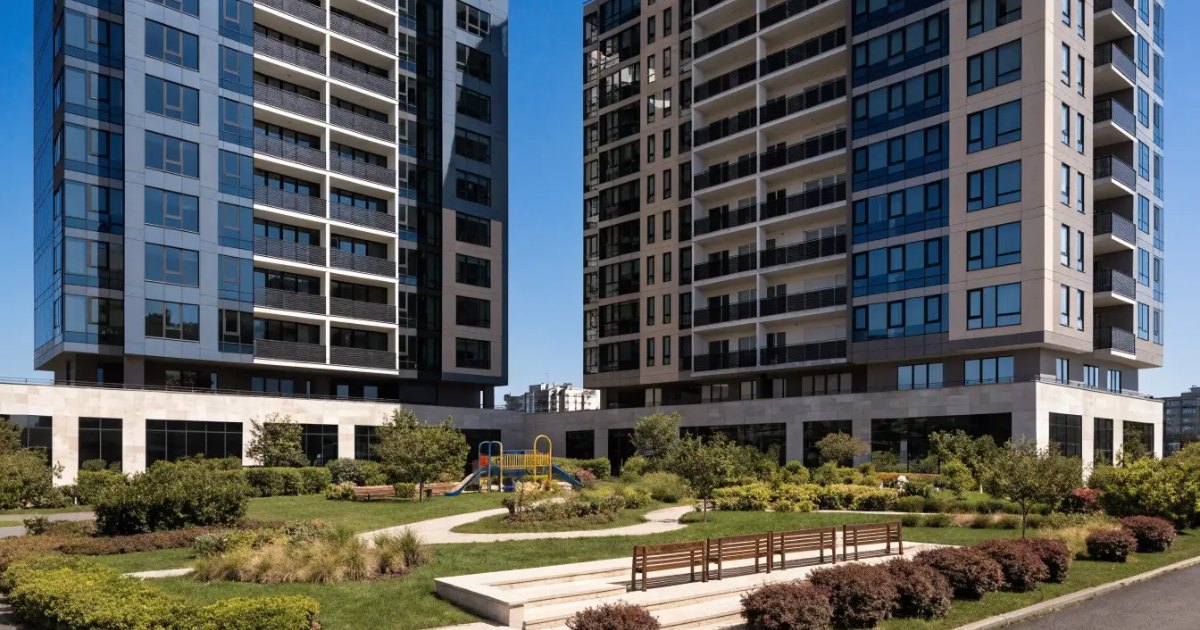
Rent in Etobicoke is driven by four things, roughly in order: rapid transit proximity, unit size, building age and parking. The lakeshore and Humber Bay Shores command the most on amenity and views; The Queensway corridor offers newer stock at lower rents; Mimico’s older large-format units win on square footage and a 15-minute GO commute; and central Etobicoke is cheapest per square foot. Two rules decide what you can do afterwards: Ontario’s annual rent increase guideline caps increases for most existing tenancies, and units first occupied for residential purposes after 15 November 2018 are exempt from that guideline — a distinction that changes an investor’s model completely. Meanwhile a soft resale market has pushed more investor units into the rental pool, which means tenants currently have more negotiating room than they have had in years.
I get this question from both sides every week — landlords asking what they can charge, tenants asking what they should expect to pay — and the honest answer starts the same way for both: it depends far more on transit and square footage than on the building’s marketing.
What has changed recently is supply. GTA condo values have softened, which means a portion of investor-owners who would have sold have instead held and rented. That has thickened the rental pool, particularly in newer buildings where investor ownership concentrates.
More listings competing for the same tenants means more room to negotiate — on rent, on parking, on a free month, on the start date. If you are renting, ask for those things. If you are letting a unit, understand what you are competing against.
Here is how the market actually breaks down.
What actually drives rent in Etobicoke
1. Rapid transit — the biggest single factor
Walking distance to Mimico GO or Long Branch GO (roughly 15 minutes to Union) or to Kipling or Islington subway commands a genuine premium. It is the first thing tenants filter on and the hardest attribute to substitute.
Conversely, Humber Bay Shores has no rapid transit station, which caps what its otherwise premium buildings achieve relative to their finish level.
2. Square footage
Mimico and Mystic Pointe buildings from the late 1990s and 2000s offer 900 to 1,100 sq ft two-bedrooms where new construction is often around 700. Tenants who need a genuine second room — and post-pandemic that is a lot of them — pay for it.
3. Building age and amenities
Newer stock rents at a premium per square foot: current finishes, in-suite laundry, gym, concierge. But it is a smaller premium than most investors assume, and it does not offset a bad location.
4. Parking and locker
Frequently priced separately. Including parking widens your tenant pool materially — and in areas without rapid transit it is close to essential.
5. Exposure and floor
Matters less in rentals than in sales. A protected lake view is worth something to a tenant, but nothing like what it is worth to a buyer. Do not over-invest in exposure if the unit is a rental.
What this means for you: Transit and square footage do most of the work. Finishes and views matter far less to tenants than they do to buyers.
Renting or leasing in the GTA?
Whether you are looking for a place or filling a vacancy, I can help you move faster and avoid the paperwork mistakes that cost people money.
Call or text 833-330-1925 Send me a message
Jatin Dua, Broker of Record — RE/MAX Quantum Realty Inc., Brokerage. Not intended to solicit buyers or sellers currently under contract with another brokerage.
The rent increase guideline — and the 2018 exemption
This is the rule that decides what happens after year one, and it is the single most important thing an investor needs to understand.
The guideline
Ontario sets an annual rent increase guideline. For most existing tenancies, a landlord may increase rent once every twelve months, with proper written notice, by no more than the guideline.
The consequence: a long-tenured tenant is often paying well below market, and you cannot simply raise the rent to market. This is why buying a tenanted unit means underwriting on the lease rent, not the achievable rent.
The 2018 exemption
Units first occupied for residential purposes after 15 November 2018 are exempt from the guideline.
This is a genuine dividing line in the Etobicoke market. Much of the newer stock on The Queensway and in recent Humber Bay Shores completions falls on the exempt side; older Mimico and central Etobicoke buildings do not.
Two things to be clear about. For an investor, this materially changes the long-term model — but it does not remove the tenant’s other protections, and it does not remove the notice requirements. For a tenant, renting an exempt unit means your rent is not guideline-capped at renewal, which is worth knowing before you sign a lease you intend to stay in for years.
Confirm the specific unit’s status — it turns on first residential occupancy, not on the building’s appearance or the year it looks like it was built.
Above-guideline increases
Landlords may apply to the LTB for an above-guideline increase in defined circumstances such as major capital work. It is an application, not an entitlement.
What this means for you: Whether a unit was first occupied before or after 15 November 2018 changes the entire long-term economics. Confirm it for the specific unit before you buy or sign.
For landlords: what it actually costs to run
Model it honestly
At current rates, most Toronto condos are not cash-flow positive. That is not a reason not to invest, but it is a reason to model on real numbers rather than hopeful ones.
Your costs: mortgage, maintenance fee, property tax, insurance, and a genuine allowance for vacancy and turnover. A month vacant plus paint and cleaning is a real annual cost that spreadsheets routinely omit.
Where the yield is best
The Queensway corridor has the best yield arithmetic in Etobicoke — lower purchase prices while achievable rents are not proportionally lower. The offsetting risk is competing new supply on the same corridor, which is a genuine drag on rent growth.
The risk that matters most
Not vacancy — a tenancy that goes wrong. Ontario’s Landlord and Tenant Board is running significant delays, with waits measured in many months plus further time for enforcement. During that period you carry every cost.
Which makes screening the single highest-return activity in the whole exercise. Verify employment and income properly. Check references, including a previous landlord rather than only the current one — a current landlord who wants a tenant gone gives glowing references. Use the Ontario Standard Lease.
Two rules you must not break
Deposits: Ontario permits a rent deposit applied to the last rental period. Damage deposits are not permitted.
Short-term rental: Toronto restricts short-term rentals to your principal residence. An investment unit cannot be run as one. Model long-term rent only.
What this means for you: Screening beats everything else. With LTB delays measured in many months, one bad tenancy costs more than several years of rent optimisation.
For tenants: what to ask for right now
You have more room than you think
Softer resale values have kept investor units in the rental pool, which means more competing listings. Ask for concessions — rent, parking included, a free month, a flexible start date. In this market landlords frequently say yes, and most tenants never ask.
Confirm inclusions in the lease itself
Hydro is frequently excluded, and in a glass tower with electric heating and cooling that is not a rounding error. Parking and locker are often separate and sometimes rented from a different owner than the unit.
Get every inclusion written into the lease. A listing description is not a contract.
Ask about upcoming building work
You do not pay a special assessment as a tenant, but you do live through the work. A garage membrane replacement or window project is a long, loud year. Ask.
Know which rules apply to your unit
Whether it was first occupied after 15 November 2018 determines whether guideline caps apply at renewal. If you intend to stay several years, this genuinely matters.
The paperwork
Ontario’s Standard Lease is required for most residential tenancies. A landlord may collect a rent deposit for the last rental period; a damage deposit is not permitted. Know the LTB forms before you need them, not after.
What this means for you: Ask for concessions — supply is on your side. Get every inclusion in the lease, and check whether your unit is guideline-exempt before signing a long-term plan.
Etobicoke rental market by area
| Area | Relative rent | Strength | Weakness |
|---|---|---|---|
| Humber Bay Shores | Highest | Amenities, lake views, newest stock | No rapid transit station |
| Mimico (older buildings) | Mid–high | 900–1,100 sq ft; 15 min GO to Union | Older finishes and systems |
| The Queensway corridor | Mid | Newer stock, best yield for owners | Bus to subway; competing new supply |
| Kipling / Islington | Mid | Only subway in Etobicoke | Heavy intensification nearby |
| Central (Eringate, W. Mall) | Lowest per sq ft | Large older units, most space | Car-dependent |
| Long Branch / Alderwood | Mid | Houses, GO access, beach | Limited condo rental stock |
Letting a unit, or looking for one?
If you are a landlord I will tell you what your unit realistically achieves in today’s market and help you screen properly — the part that actually protects you. If you are renting, tell me your budget and must-haves and I will send what is genuinely available, including units before they list.
Talk to JatinFree home valuationNet proceeds calculatorConfidential. Reviewed personally and answered within 24 hours. I never share, sell or distribute your information.
Free tool — AI condo value estimator
Condo Valuation
What’s your condo
worth today?
Three quick steps. Condos don’t price like houses — your floor, your view, and whether you own parking move the number more than anything else. This weighs all of them.
Reading recent condo sales…
Estimated market value
—
$0–$0
Most likely $0 · about $0 per square foot
What moved the number
Starting from what comparable units in your area sell for, here’s what your specifics added or subtracted.
Market context
—
—
Two units, same floor plan,
$90,000 apart.
That happens constantly in condos — one has the parking, the right exposure, or a board that keeps the reserve fund healthy. A model can’t see your status certificate. I can.
Frequently asked questions
What drives rent prices in Etobicoke?
Four things, roughly in order of importance: proximity to rapid transit, unit size, building age and amenities, and whether parking is included. Walking distance to Mimico GO or Long Branch GO — roughly 15 minutes to Union — or to Kipling or Islington subway commands a genuine premium and is the first thing tenants filter on. Square footage matters more than most investors expect, since older Mimico buildings offering 900 to 1,100 square foot two-bedrooms attract tenants needing a real second room. Newer finishes command a premium but a smaller one than owners assume, and they do not offset a poor location.
What is the Ontario rent increase guideline?
Ontario sets an annual rent increase guideline, and for most existing tenancies a landlord may increase rent only once every twelve months, with proper written notice, by no more than that guideline. The practical consequence is that long-tenured tenants often pay well below market and the rent cannot simply be raised to market. Landlords may apply to the Landlord and Tenant Board for an above-guideline increase in defined circumstances such as major capital work, but that is an application rather than an entitlement.
Which Toronto rental units are exempt from rent control?
Units first occupied for residential purposes after 15 November 2018 are exempt from the annual rent increase guideline. This is a significant dividing line in the Etobicoke market — much of the newer stock along The Queensway and in recent Humber Bay Shores completions falls on the exempt side, while older Mimico and central Etobicoke buildings do not. The exemption turns on first residential occupancy rather than on how new a building looks, so confirm the status of the specific unit. Note that exemption from the guideline does not remove a tenant’s other protections or the required notice periods.
Do Etobicoke condo rentals cash flow for investors?
At current interest rates most Toronto condos are not cash-flow positive, so model on real numbers rather than optimistic ones. Costs include the mortgage, maintenance fee, property tax, insurance and a genuine allowance for vacancy and turnover — a month vacant plus paint and cleaning is a real annual cost that spreadsheets routinely omit. The Queensway corridor offers the best yield arithmetic in Etobicoke because purchase prices are lower while achievable rents are not proportionally lower, though competing new supply on that corridor is a real drag on rent growth.
Can tenants negotiate rent in Etobicoke right now?
Yes, more than in recent years. Softer resale values have kept investor-owned units in the rental pool rather than being sold, which has increased competing listings. That gives tenants real room to ask for concessions — a lower rent, parking or locker included, a free month, or a flexible start date. Most tenants never ask. Confirm every inclusion in the lease itself rather than relying on the listing, particularly hydro, which is frequently excluded and can be substantial in a glass tower.
Can a landlord charge a damage deposit in Ontario?
No. Ontario permits a rent deposit, which must be applied to the last rental period of the tenancy, but damage deposits are not permitted. Most residential tenancies also require the Ontario Standard Lease. Landlords should note that screening is the highest-return activity in residential letting — verify employment and income properly and check references including a previous landlord rather than only the current one, since a current landlord who wants a tenant to leave may give a favourable reference.
The Etobicoke rental market in Toronto is driven primarily by proximity to rapid transit, unit size, building age and amenities, and parking inclusion. Walking distance to Mimico GO or Long Branch GO, roughly 15 minutes from Union Station, or to Kipling or Islington subway stations commands a premium; Humber Bay Shores has no rapid transit station despite premium finishes. Older Mimico and Mystic Pointe buildings offer 900 to 1,100 square foot two-bedrooms against roughly 700 in new construction. Ontario sets an annual rent increase guideline limiting increases for most existing tenancies to once every twelve months with proper written notice, but units first occupied for residential purposes after 15 November 2018 are exempt from that guideline — a distinction that materially affects both investor models and tenant costs at renewal, and which turns on first residential occupancy rather than apparent building age. Landlords may apply to the Landlord and Tenant Board for above-guideline increases in defined circumstances. At current interest rates most Toronto condominiums are not cash-flow positive; The Queensway corridor offers the strongest yield arithmetic in Etobicoke. Ontario permits a rent deposit applied to the last rental period but prohibits damage deposits, and most tenancies require the Ontario Standard Lease. Softer resale conditions have increased rental supply, giving tenants greater negotiating leverage.
Renting or leasing in the GTA?
Whether you are looking for a place or filling a vacancy, I can help you move faster and avoid the paperwork mistakes that cost people money.
Call or text 833-330-1925 Send me a message
Jatin Dua, Broker of Record — RE/MAX Quantum Realty Inc., Brokerage. Not intended to solicit buyers or sellers currently under contract with another brokerage.
Sources and further reading
Ontario Residential Tenancies Act, 2006 — rent increase guideline, the exemption for units first occupied for residential purposes after 15 November 2018, deposit rules and notice requirements · Ontario Standard Lease requirements · Landlord and Tenant Board above-guideline increase applications and current processing information · City of Toronto short-term rental by-law · Metrolinx GO Transit and TTC network information. Guideline amounts are set annually and rules change — confirm current figures with the Province of Ontario.
Related reading
- Ontario’s 2027 rent increase guideline is 1.9% — N1 dates and the math
- Is your Etobicoke rental actually rent-controlled? The 15 November 2018 rule
- Last month’s rent, key deposits and interest: the Ontario deposit rules
- Above-guideline rent increases: when they are legal and how to fight one
- Can my landlord enter or show my unit? The Ontario entry rules
- Landlord maintenance obligations: heat, cooling, pests, mould and appliances
Looking at Etobicoke more broadly? Start with my Etobicoke community guide — the neighbourhoods, what each pocket is like, and where they sit relative to one another.
General information prepared August 2026. This is NOT legal or investment advice. Ontario residential tenancy law is detailed and fact-specific, the annual rent increase guideline is set each year, and exemption status depends on the date a specific unit was first occupied for residential purposes — verify for the individual unit and confirm current rules with the Province of Ontario and the Landlord and Tenant Board. Statements about achievable rents and yields are general market observations, not projections or guarantees for any property. Landlords should obtain legal advice before serving any notice. Jatin Dua is a Realtor with RE/MAX Quantum Realty and is not a lawyer, licensed paralegal or financial advisor.