

Published 26 August 2026 · Updated 5 October 2026 · By Jatin Dua, Broker of Record, RE/MAX Quantum Realty
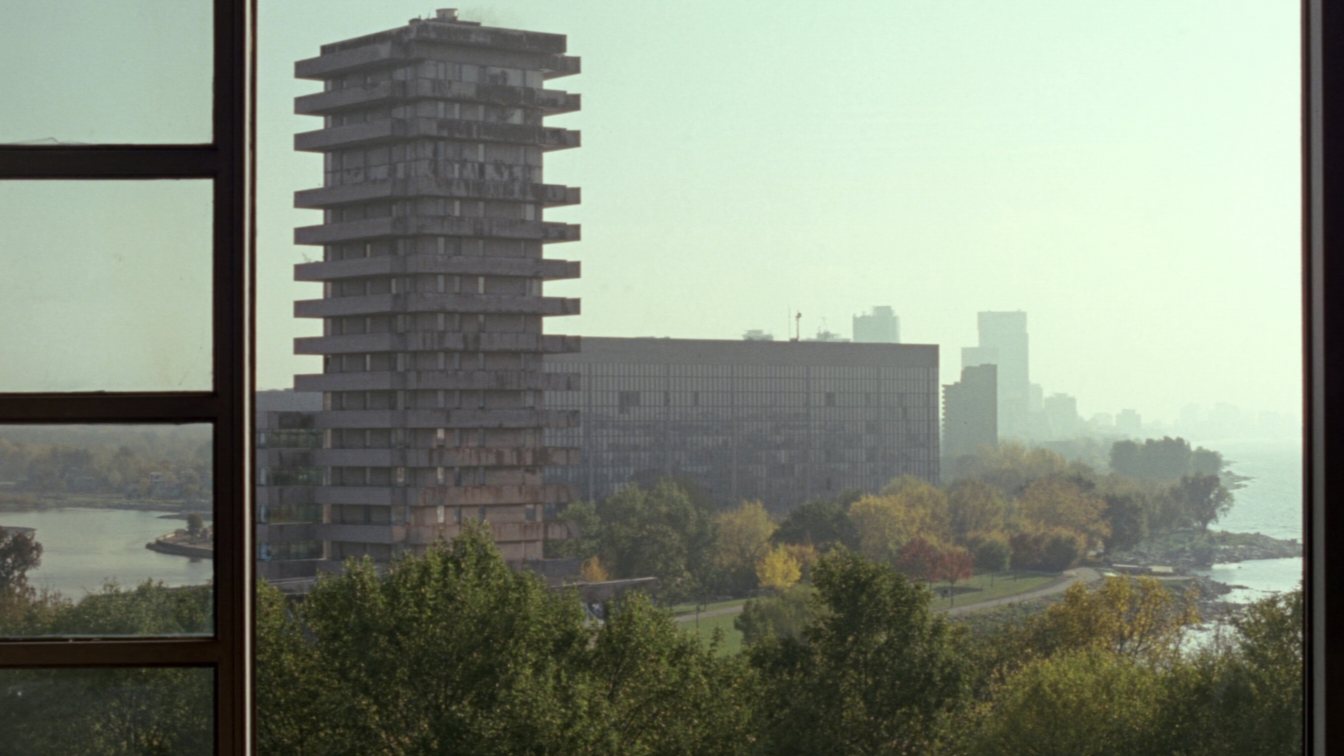
If you want a large suite on the Etobicoke waterfront, you are almost certainly buying a building between twenty and forty-five years old — the newer towers were not built at that size. That is not a reason to avoid them. It does mean the reserve fund matters more than the maintenance fee, and that your exposure to any special assessment is proportional to your unit factor. On a large suite, that share is large.
This follows directly from a finding on this site: every building on this waterfront with a verified suite over 2,000 square feet was registered between 1978 and 2007, with only two exceptions — Waterscapes in 2014 and Eau Du Soleil Sky Tower in 2019. The 2011 to 2018 wave that defines the skyline tops out below 2,000 square feet without a single exception.
So a buyer who wants space here ends up in an older building whether or not they set out to. Better to walk in knowing what to ask.
General information, not legal or engineering advice. A condominium lawyer and, where warranted, an engineer should review the documents on any specific purchase.
The one comparison that tells you most
In the status certificate package, put two numbers side by side:
- what the reserve fund study says the fund should hold and what the building is expected to spend;
- what the financial statements say the fund actually holds.
A large gap between them is the clearest advance warning available that fees will rise or an assessment is coming. It is a single subtraction, and most buyers never do it.
A documented Etobicoke example
Elsewhere on this site I have written up an Etobicoke corporation where a court judgment recorded a 2020 reserve fund study assuming $1,542,108 against an actual reserve of roughly $963,000, alongside a $7 to $7.8 million window replacement estimate, in a building of 897 units. That is what the gap looks like when it has been allowed to open, and it was all knowable from documents of the kind any buyer can order for $100.
That is a different building in a different part of Etobicoke, and I am not suggesting it describes any waterfront corporation. It is here as an illustration of what the arithmetic can reveal.
Thinking about buying or selling here?
I work this area every week and I will give you a straight answer, including when the answer is to wait. No pressure, and no drip campaign you cannot get out of.
Call or text 833-330-1925 Send me a message
Jatin Dua, Broker of Record — RE/MAX Quantum Realty Inc., Brokerage. Not intended to solicit buyers or sellers currently under contract with another brokerage.
What an older waterfront building is actually spending money on
Rather than guess at lifecycles I have not verified, these are the questions worth asking — each of which has a specific, checkable answer in the corporation’s records:
- The building envelope. When were the windows, sealed units, caulking and cladding last addressed, and what does the reserve fund study schedule for them? On a tower fronting open water this is usually the largest single line item in the building’s future.
- Balcony guards and glass. Have the balcony guards been reviewed, and were any repairs or replacements carried out? Ask for the engineer’s reports rather than a verbal assurance.
- The parking garage. When was the waterproofing membrane and structural slab last inspected and repaired? Underground garage work is expensive, disruptive, and easy to defer.
- Mechanical systems. Boilers, chillers, cooling towers, elevators — what is scheduled, and in which year?
- The corridors and amenities. Cosmetic, but real money, and often the item a board funds instead of the envelope.
The pattern to watch for is a building that has been keeping fees flat. In an older building with ageing equipment, flat fees are not usually good management; they are usually a correction being stored up.
Why this matters more on a large suite
Common expenses and special assessments are allocated by unit factor — your proportionate share of the corporation, fixed in the declaration. A 3,000 square foot suite carries a much larger share than a 600 square foot one.
So the same assessment that costs a studio owner a few thousand dollars can cost the owner of a large suite a multiple of that. The buyer with the most to lose from a weak reserve fund is precisely the buyer at the top of the building — which is the opposite of how most people at that price point think about risk.
What older buildings give you in exchange
This is not a page arguing against them. There are three real advantages, and two of them are impossible to buy in a new building:
- The square footage exists at all. That is the whole reason this page exists.
- An operating history. Twenty years of financial statements, minutes and engineering reports is far more information than a new building can offer. A new corporation’s first-year budget is an estimate prepared by the declarant; a twenty-year-old corporation’s budget is evidence.
- Amenity packages that were built to a different standard. Palace Pier’s fee includes hydro, an indoor pool, tennis, squash, racquetball, valet, concierge, guest suites, an on-site restaurant and a private downtown shuttle. Nothing built here since matches that, and nothing built here since is likely to.
The order to do this in
- Order the status certificate early. The corporation has ten days and it costs a maximum of $100 including tax. Then your lawyer needs time on top of that. A two-day condition period on an older building is not due diligence.
- Do the reserve fund subtraction yourself before anyone else weighs in. It takes two minutes.
- Read the minutes if they are available. Boards discuss the envelope long before it reaches a budget line.
- Ask what the fee has done over five years. The trend tells you more than the number.
- Ask what your unit factor is, and multiply it by a hypothetical million-dollar assessment. Whatever that produces is your actual exposure, and you should know it before you are exposed to it.
Do those five things and an older waterfront building becomes a considered purchase rather than a hopeful one. Skip them and you are buying the view and inheriting the schedule.
Thinking about this building?
Send me the unit number or the listing link. I’ll tell you what I actually know about the building, what I’d want to see in the status certificate, and whether the price makes sense against what has sold. No pitch, no obligation.
[email protected] · 833-330-1925 · Book a free consultation
Confidential. Reviewed personally and answered within 24 hours. I never share, sell or distribute your information.
Frequently asked questions
Are older waterfront condos in Etobicoke a bad buy?
Not inherently. Every building on this waterfront with a verified suite over 2,000 square feet was registered between 1978 and 2007, so a buyer wanting space has little choice. The reserve fund matters more than the headline fee, and an older corporation offers twenty years of financial statements and engineering reports that a new building cannot.
What is the single most useful check in a status certificate?
Compare what the reserve fund study says the fund should hold against what the financial statements say it actually holds. A large gap is the clearest advance signal that fees will rise or a special assessment is coming.
Why does a special assessment cost more on a large condo?
Because common expenses and special assessments are allocated by unit factor – your proportionate share of the corporation, fixed in the declaration. A 3,000 square foot suite carries a far larger share than a 600 square foot one, so the owner of a large suite has the most exposure to a weak reserve fund.
Is a low condo fee in an older building a good sign?
Usually the opposite. In a building with ageing equipment, fees that have been held flat often mean a correction is being stored up rather than that the building is cheap to run. Ask what the fee has done over five years, not just what it is today.
What should I ask about an older waterfront tower specifically?
When the building envelope – windows, sealed units, caulking and cladding – was last addressed and what the reserve fund study schedules for it; whether balcony guards have been reviewed and repaired; when the parking garage membrane and slab were last inspected; and what is scheduled for boilers, chillers and elevators.
Sources
- Condominium Authority of Ontario — Status certificates. The $100 maximum fee including all applicable taxes, the ten-day production requirement, and the requirement that the package include the budget, financial statements, reserve fund information and disclosure of special assessments and litigation. Accessed 24 August 2026.
- Condominium Act, 1998 — Ontario e-Laws. The statute governing common expenses, unit factors and reserve funds. Accessed 24 August 2026.
- Palace Place — Palace Pier building profile. The fee inclusion list and amenity package used as the example of what older buildings on this waterfront included. Accessed 24 August 2026.
Thinking about buying or selling here?
I work this area every week and I will give you a straight answer, including when the answer is to wait. No pressure, and no drip campaign you cannot get out of.
Call or text 833-330-1925 Send me a message
Jatin Dua, Broker of Record — RE/MAX Quantum Realty Inc., Brokerage. Not intended to solicit buyers or sellers currently under contract with another brokerage.
Related reading
- Waterfront Condo vs Waterfront House in the GTA: Which Holds Value?
- Winter on the Waterfront: What Lakefront Owners Deal With From November to March
- Lake View vs Lake Access vs Lakefront: Three Prices, Not One
- Harbourfront and Queens Quay Condos: Buying Downtown Toronto on the Water
- Burlington Lakefront Condos: Brant Street to Spencer Smith Park
- Port Credit Condos: Buying on the Mississauga Waterfront in 2026
- What a status certificate actually tells you before you buy
- Humber Bay Shores condos over 2,000 square feet
- What a 2,000 sq ft Humber Bay condo costs to carry
- 1990s Humber Bay condos vs the new towers
About the author — Jatin Dua, Etobicoke real estate agent
I’m the Broker of Record at RE/MAX Quantum Realty, 799 The Queensway in Etobicoke, a few minutes from every building on this page. I work with buyers, sellers and investors across Mimico, Humber Bay Shores, New Toronto, Long Branch, Alderwood and the Stonegate–Queensway corridor. I write these building guides the way I’d brief a client at my own kitchen table: what is documented, what isn’t, and where the published numbers disagree with each other.
Questions about a specific suite? [email protected] or 833-330-1925.