

Published 26 September 2026 · By Jatin Dua, Broker of Record, RE/MAX Quantum Realty
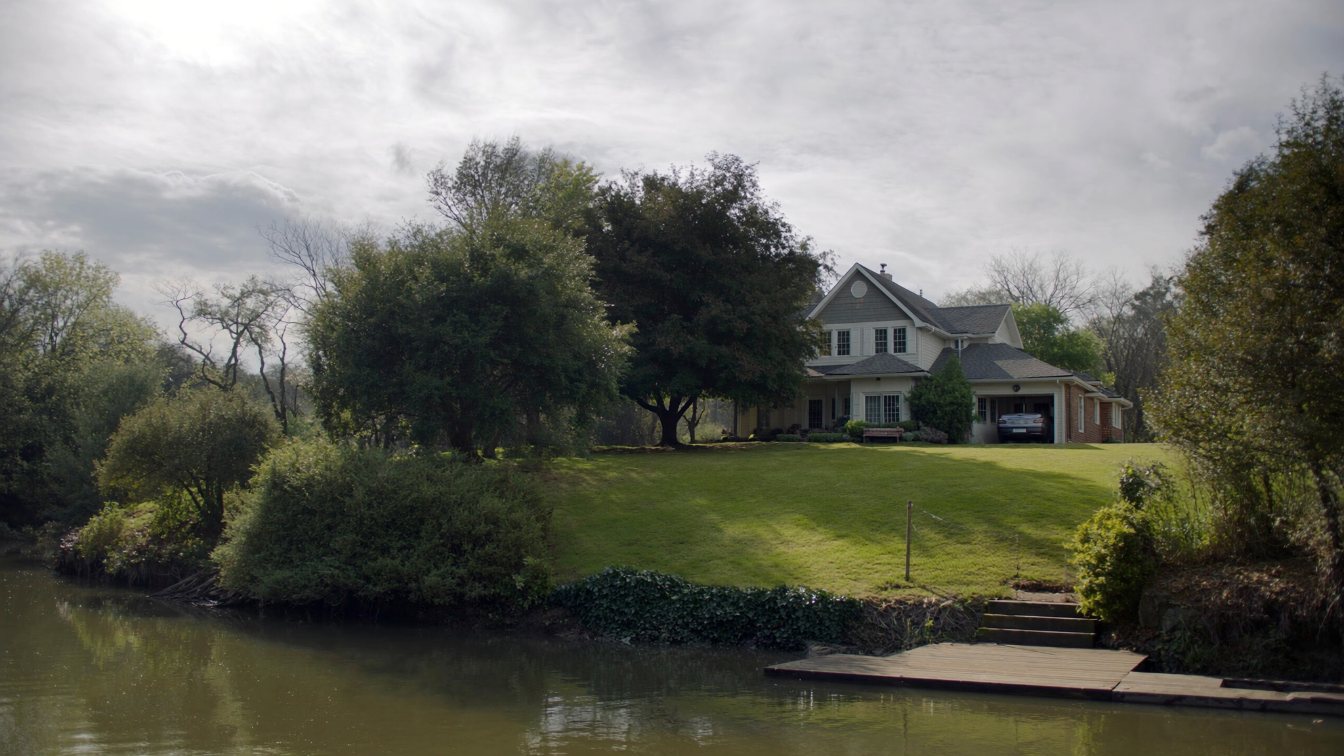
Most GTA houses are priced from three similar sales nearby in the last six months. A lakefront house cannot be, because the pool is small, the lots are unalike and sales are often a year or more apart. The honest method is different: gather every lakefront sale on your stretch of shore over three years, not six months; adjust each for six things, frontage, depth and buildable area after the conservation setback, shoreline condition and permits, insurability, heritage or private-community constraints, and whether the house is a keeper or a teardown; value the land first and add the house only if a buyer would keep it; state the result as a range with reasons; and then test it against what the same money buys inland and on other shores. MPAC’s assessment, still based on 2016 values, is not your price. Anyone who hands you a single confident number for a lakefront lot has skipped the work.
Why the normal method fails
A detached house in Mineola or Roseland has dozens of comparable sales a year within a few streets. A lakefront lot on the same street may have none. From Hamilton Beach to the Scarborough Bluffs there are only so many lots that touch the water, they trade when their owners’ lives change rather than when the market does, and no two are alike in frontage, depth, elevation, shoreline or what the conservation authority will allow on them. The result is a market set by a handful of decisions a year. That does not make pricing impossible. It makes the six-month, three-sale shortcut wrong, and it makes the person who tells you a lakefront price with confidence either very experienced on that exact shore or guessing.
Step one: widen the window and the shore
Start with every lakefront sale on your stretch over the last three years. For a Long Branch lot that means Lake Promenade and the Mimico and New Toronto edges; for southeast Oakville it means the harbour to Winston Churchill; for Stoney Creek it means Confederation Park to the Grimsby line. Include the sales that look too big or too small; you will adjust for that. Then add the adjacent stretch as a check, because a buyer for a Clarkson lakefront lot is also looking at Lorne Park and east Oakville, and the buyer for a Burlington lot is looking at west Oakville. The market crosses municipal lines even if the conservation authorities do not.
Step two: the six adjustments
| Adjustment | What you are measuring | Where to get it |
|---|---|---|
| Frontage and depth | Metres of shoreline and how far the lot runs back | Survey; the 2018 Long Branch guidelines cite waterfront depths of 46 to 80 m as typical there |
| Buildable area | What remains after the conservation setback and the zoning floor-area cap | Conservation authority mapping; municipal zoning (Oakville’s -0 ratio, Mississauga’s new zones) |
| Shoreline condition | Engineered and permitted protection versus open or failing edge | Permits from the conservation authority; a coastal engineer’s look |
| Insurability | Whether an insurer will write it, and with what exclusions | A quote on the address; erosion and earth movement are excluded everywhere |
| Constraints | Heritage district or designation; private-community rules; shore road allowance on title | Municipal heritage register; association documents; title search |
| Keeper or teardown | Whether a buyer keeps the house or values only the land | Your judgement, tested against what recent buyers on that shore did |
Each adjustment is a percentage or a dollar judgement applied to each comparable to bring it to your lot. Write them down. A seller who can show a buyer the adjusted comparables wins the argument before it starts.
Step three: land first, then the house
On most lakefront lots the land is worth more than the building on it, and a large share of buyers intend to rebuild. So value the land from the adjusted comparables first: this is what the lot is worth to a buyer who will clear it. Then ask whether your house adds to that. A recently rebuilt house with a permitted shoreline adds a great deal; a tired 1960s bungalow on a lot with a generous setback adds little, because the buyer will remove it; a beautiful older house inside a heritage district adds value to the buyer who wants it and subtracts from the buyer who wanted a clear lot. The house’s contribution is a separate line, and being honest about it is where sellers most often go wrong.
What MPAC’s number is, and is not
Your assessment notice is not a price. For the 2026 tax year Ontario assessments are still based on values as of 1 January 2016, because the reassessment that was due in 2020 was postponed and has not been rescheduled. MPAC does assess waterfront specifically, weighing the body of water, the amount of frontage, shoreline type, topography, exposure and whether access is seasonal or year-round, alongside the usual five factors of location, lot size, living area, age and quality. That makes the assessment a useful checklist of what matters and a useless guide to what a buyer will pay in 2026. If your assessment seems high relative to neighbours, a Request for Reconsideration is filed through MPAC before any appeal, with the 2026 deadline having been 31 March.
Step four: a range, and a reason for each end
The output is a range. The low end is what the lot is worth to a buyer who will clear it, insure it with exclusions and build within the setback; the high end is what it is worth to the buyer for whom this exact frontage, view and house are the point. Both buyers exist, and which one appears in your selling season is not in your control. A seller who lists at the high end with the low end in mind, and who knows which adjustments justify the gap, negotiates well. A seller who lists at a single number pulled from an inland average either sits or gives money away.
Step five: test it against the alternatives
Your buyer is not only comparing you with the lot next door. A buyer with the money for a southeast Oakville lakefront lot is also looking at Old Oakville, at Lorne Park, at a Muskoka lake and at a Toronto ravine. Ask what the same money buys in each and whether your lot wins. If your range only makes sense to someone who has never looked anywhere else, the range is wrong. Read lake view versus lake access versus lakefront for why a lake-view house two streets back is not a comparable at all.
The takeaway
Lakefront houses are priced from three years of shoreline sales, adjusted for frontage and depth, buildable area after the setback, shoreline condition and permits, insurability, constraints and whether the house is a keeper, with the land valued before the building. The answer is a range with reasons, tested against what the money buys elsewhere. MPAC’s 2016-based number is a checklist, not a price. Anyone offering a single confident figure has not done this.
Where I fit
I sell on the water from Hamilton to Scarborough and this is the method I use for every lakefront lot, written down and shown to the client. The estimator below gives you a baseline for your current home; for a lakefront lot, book a call and we will build the range from the actual sales.
Free tool — AI home value estimator
Instant Home Valuation
What’s your home
worth today?
Answer six quick questions and get an instant value range built from current Toronto & GTA sale data — property type, size, condition, lot and location all weighted the way a real pricing conversation weighs them. Takes about ninety seconds.
Reading recent GTA sale data…
Building your estimate
Estimated market value
—
$0–$0
Most likely value $0 · roughly $0 per square foot
What moved the number
Starting from the area baseline for your property type, here’s what each answer added or subtracted.
Market context
Recent local averages for comparison.
—
A range is a starting point.
A strategy is what sells.
This model doesn’t know that your neighbour’s identical semi went $80,000 over asking last month, or which two upgrades actually pay back in your area. That conversation is free and takes twenty minutes.
Frequently asked questions
How do you price a waterfront house with no recent comparable sales?
Widen the window to three years and the area to the adjacent shore, adjust each sale for frontage and depth, buildable area after the conservation setback, shoreline condition and permits, insurability, constraints and whether the house is a keeper, value the land before the building, and state a range with reasons.
Is my MPAC assessment a good guide to my lakefront home’s value?
No. Assessments for 2026 taxes are still based on 1 January 2016 values. MPAC’s waterfront factors are a useful checklist of what matters, not a current price.
How much more is a lakefront house worth than one across the street?
There is no reliable GTA-wide percentage. The measurable premium is on your own stretch of shore, from lakefront sales against near-lakefront sales of similar houses over the same period.
Should I price my lakefront house on the land or the house?
Land first. Most lakefront value is in the lot, and many buyers plan to rebuild. Add the house’s contribution as a separate line only if a buyer would keep it.
Why does the conservation setback affect price?
It decides how much of the lot can carry a new house. Two lots of the same size with different setbacks have different buildable areas and different values.
What if no insurer will write the property?
That is a price signal. An uninsurable or barely insurable lot is worth less than an insurable one, and buyers who ask early will price it in.
Should a seller list at the top of the range?
Often, if they understand the adjustments that justify it and are prepared to negotiate toward the low end with the buyer who appears. Listing at a single inland-derived number is the mistake.
Sources
- MPAC — Waterfront home property assessments — waterfront assessment factors
- MPAC — Assessment cycle — 2016 base year for 2026 taxes
- City of Toronto — Long Branch Neighbourhood Character Guidelines (2018) — waterfront lot depths
- Conservation Halton — Policies and Guidelines (amended June 2024) — setback definitions
- Insurance Bureau of Canada — Types of home insurance coverage — earth movement exclusion
- TRREB Market Watch, August 2026 — market context
Related reading
- What $2 million buys on the GTA waterfront
- What $3 million buys on the GTA waterfront
- Riverfront and ravine lots in the GTA
- Selling a waterfront house: what buyers will ask for
- Lake view vs lake access vs lakefront
- Waterfront condo vs waterfront house
- Old Oakville lakefront homes
- How to find sold prices in Toronto
About the author — Jatin Dua, Toronto and GTA real estate broker
I am Jatin Dua, Broker of Record and co-founder of RE/MAX Quantum Realty Inc., Brokerage, Unit 101, 799 The Queensway, Etobicoke. I work with buyers and sellers across Toronto and the GTA, with deep local knowledge of the west end and the Lake Ontario shoreline. Four-plus years of active GTA transactions and over $100 million in sales volume. Every market figure here comes from TRREB’s published tables and every rule from the regulator or the legislation, so you can check all of it without asking me.
Reach me at connect@jatindua.com or 833-330-1925, or book a call.