

Published 26 September 2026 · By Jatin Dua, Broker of Record, RE/MAX Quantum Realty
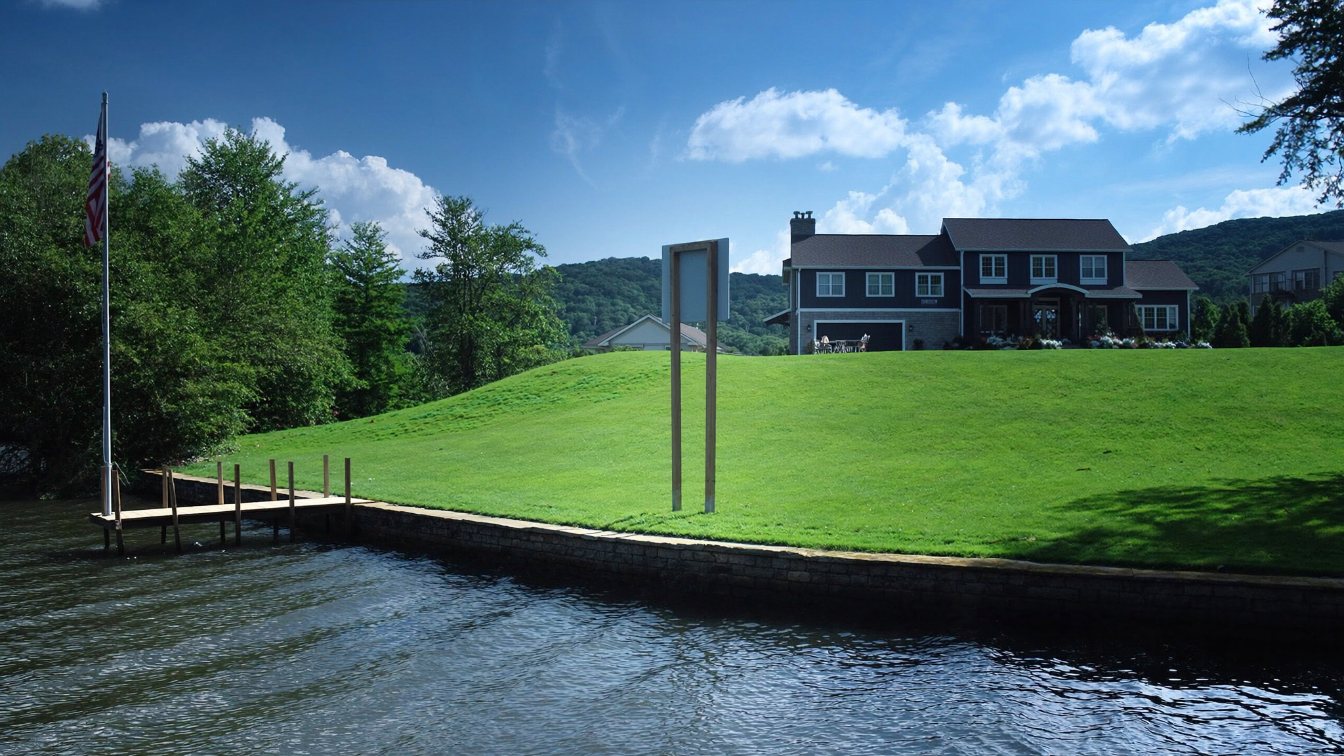
The GTA market has a seasonal shape: TRREB recorded 3,082 sales in January 2026 and 6,583 in May 2026, so spring runs at roughly double the winter pace and that is when most buyers are looking. Lakefront adds a second calendar. Buyers want to see the water, so a listing photographed and shown between May and October sells the lifestyle; but a spring with a high lake shows the shoreline at its worst, and a winter listing with ice on a well-built revetment sells the engineering to the serious buyer who will ask about it anyway. The right time is when your shoreline looks like what it is, your documents are assembled and the buyer pool is active, which for most GTA lakefront means listing in late spring or early autumn with photography that includes the shore at its real level. Drones make the case, and in most of the GTA they need an advanced pilot certificate and NAV CANADA permission.
The calendar the numbers show
TRREB’s Market Watch gives the shape. Calendar 2025 saw 62,433 sales across the GTA. January 2026 recorded 3,082 sales and 10,774 new listings; May 2026 recorded 6,583 sales and 17,698 new listings, and TRREB noted spring sales had been stronger than the year before. December 2025 had 3,697 sales. The pattern is the familiar one: activity roughly doubles from the depth of winter to the peak of spring, softens through the summer and lifts again in September and October before the holidays. Most buyers, and therefore most competition among sellers, are active from March to June and again in early autumn.
The second calendar: the lake
A lakefront seller is also selling the shore, and the shore has seasons of its own. Lake Ontario is typically highest in late spring and early summer and lowest in late autumn and winter. In a normal year that means a May showing has the water at the top of the beach and the revetment doing its job in plain sight; in a high-water year such as 2017 or 2019, when the lake reached record monthly means of 75.88 and 75.92 metres, a May showing has water where the lawn should be and debris on the trail. Conservation Halton posts a shoreline hazard warning when the static level passes 75.9 metres. Check the level and the forecast before you pick a listing date, because a buyer who sees the lot at its worst prices it there.
When each season works
| Season | For the seller | Against the seller |
|---|---|---|
| Spring (March–June) | Most buyers active; water and gardens at their best in a normal year | High-water risk; most competing listings; shoreline may look stressed |
| Summer (July–August) | Lifestyle on full display; lower water than spring | Buyers on holiday; fewer sales |
| Early autumn (Sept–Oct) | Second buyer wave; low water shows the full beach and the toe of the wall; fewer competing listings | Shorter days for photography; gardens fading |
| Winter (Nov–Feb) | Serious buyers only; ice on a sound revetment sells the engineering; no crowds | Fewest buyers; lifestyle harder to show; access can be poor |
For most GTA lakefront houses, late spring in a normal-water year or early autumn are the two best windows. Early autumn is underrated: the lake is lower, the shoreline is fully visible, buyers are back from the cottage and there are fewer lakefront listings to compare against.
Photograph the shore at its real level
Buyers want two pictures: the water from the house and the house from the water. Get both, and get them honestly. A photograph taken at the year’s lowest water that hides where the lake normally sits will be found out by the buyer’s survey, and a buyer who feels misled negotiates hard. A photograph that shows the revetment doing its job in a strong spring, or holding ice cleanly in February, sells the engineering to exactly the buyer who will ask for the permit. If you have photographs from 2017 or 2019 showing the shoreline holding, put them in the package; if they show it failing and you have since fixed it, show both. Read what buyers will ask for.
Drones, legally
The aerial shot is the lakefront listing’s signature and it is regulated. In Canada a drone between 250 grams and 25 kilograms must be registered and marked, with a $10 registration fee since April 2025, and the pilot needs a certificate; fines for individuals run from $1,000 for flying without a certificate to $5,000 for an unregistered drone. Most of the GTA shoreline is controlled airspace: parts of Lake Ontario fall under Billy Bishop’s control zone and the western shore sits under Pearson’s, both requiring an advanced pilot certificate, a compliant drone and permission from NAV CANADA. Since November 2025 operations beyond visual line of sight are possible for operators with an RPAS Operator Certificate. Hire a photographer who holds the advanced certificate and can show the airspace authorization for your address; a listing shot with an unauthorized drone is a liability with your name on it.
The honest winter listing
Conventional wisdom says never list lakefront in winter. I disagree for one kind of house: the one with an engineered, permitted shoreline and a seller who has assembled the file. A February listing with ice on the armour stone, a January utility bill in the package and the conservation permit on the table attracts the buyer who was going to ask about all three, and it faces almost no competition. It will not attract the buyer who wants a July afternoon, and the price may reflect the thinner pool. But the sale is cleaner, and the buyer who closes in March has already seen the worst the lake does. For a house whose shoreline is a weakness, winter is the wrong season; for one whose shoreline is a strength, it can be the right one.
Pricing to the season
Whatever the season, the price comes from the method in how to price a lakefront house: three years of shoreline sales, six adjustments, land before house, a range with reasons. The season changes which end of the range you lead with and how long you wait for the buyer. In spring with a low lake, lead high. In a high-water spring, wait for autumn or lead lower with the documents ready. In winter, lead in the middle and expect one serious buyer rather than three.
The takeaway
GTA sales roughly double from January to May, so spring is when the buyers are; but lakefront also sells on the lake’s own calendar, and a high-water spring shows the lot at its worst. Late spring in a normal year or early autumn are the best windows for most houses; winter suits a house whose shoreline is its strength. Photograph the shore at its real level, use a drone operator with an advanced certificate and NAV CANADA authorization, and put the high-water photographs in the package rather than hoping no one asks.
Where I fit
I sell on the water from Hamilton to Scarborough year-round and I will tell you which season your particular shoreline should be shown in. Run the estimator below on your current home, or book a call and we will look at the lake level before we look at the calendar.
Free tool — AI home value estimator
Instant Home Valuation
What’s your home
worth today?
Answer six quick questions and get an instant value range built from current Toronto & GTA sale data — property type, size, condition, lot and location all weighted the way a real pricing conversation weighs them. Takes about ninety seconds.
Reading recent GTA sale data…
Building your estimate
Estimated market value
—
$0–$0
Most likely value $0 · roughly $0 per square foot
What moved the number
Starting from the area baseline for your property type, here’s what each answer added or subtracted.
Market context
Recent local averages for comparison.
—
A range is a starting point.
A strategy is what sells.
This model doesn’t know that your neighbour’s identical semi went $80,000 over asking last month, or which two upgrades actually pay back in your area. That conversation is free and takes twenty minutes.
Frequently asked questions
What is the best month to sell a waterfront house in the GTA?
For most houses, late spring in a normal-water year or September and October. TRREB’s figures show spring sales at roughly double January’s, and early autumn combines a second buyer wave with low water and fewer competing listings.
Should I avoid listing a lakefront house in a high-water spring?
Usually. A lot shown with water over the lawn is priced at its worst. Wait for autumn, or list with the shoreline documents and high-water photographs in the package and price accordingly.
Can I sell a waterfront house in winter?
Yes, and for a house with an engineered, permitted shoreline it can work well: ice on a sound revetment sells the engineering, the file answers the questions and there is little competition. It suits fewer buyers, so expect one serious one rather than several.
Do I need a licence to fly a drone for real estate photos?
The pilot does. Drones over 250 grams must be registered, and most of the GTA shoreline is controlled airspace around Billy Bishop or Pearson requiring an advanced pilot certificate and NAV CANADA permission. Hire an operator who can show both.
Should I photograph the shoreline at low water?
Photograph it at its real level and include high-water images if you have them. A buyer’s survey will reveal where the lake normally sits, and a buyer who feels misled negotiates hard.
How does the season change my asking price?
It changes which end of your range you lead with. Low-water spring, lead high; high-water spring, wait or lead lower with documents ready; winter, lead in the middle and expect fewer, more serious buyers.
Sources
- TRREB Market Watch, May 2026 — May 2026 sales and listings
- TRREB, January 2026 Market Watch news release — January 2026 sales
- TRREB Market Watch, December 2025 — 2025 annual sales
- Transport Canada — Flying your drone safely and legally — registration, certificates, fines
- Transport Canada — 2025 summary of changes to Canada’s drone regulations — 2025 rule changes
- Conservation Halton — Lake Ontario shoreline status — hazard warning thresholds
- International Joint Commission — Impacts of extreme 2019 high water levels — record levels
Related reading
- What $5 million and up buys on the GTA waterfront
- Selling a waterfront house: what buyers will ask for
- How to price a lakefront house in the GTA
- Selling a house in winter in Toronto
- Listing photos and video that sell Toronto homes
- Winter on the waterfront
About the author — Jatin Dua, Toronto and GTA real estate broker
I am Jatin Dua, Broker of Record and co-founder of RE/MAX Quantum Realty Inc., Brokerage, Unit 101, 799 The Queensway, Etobicoke. I work with buyers and sellers across Toronto and the GTA, with deep local knowledge of the west end and the Lake Ontario shoreline. Four-plus years of active GTA transactions and over $100 million in sales volume. Every market figure here comes from TRREB’s published tables and every rule from the regulator or the legislation, so you can check all of it without asking me.
Reach me at connect@jatindua.com or 833-330-1925, or book a call.