

Published 29 September 2026 · By Jatin Dua, Broker of Record, RE/MAX Quantum Realty
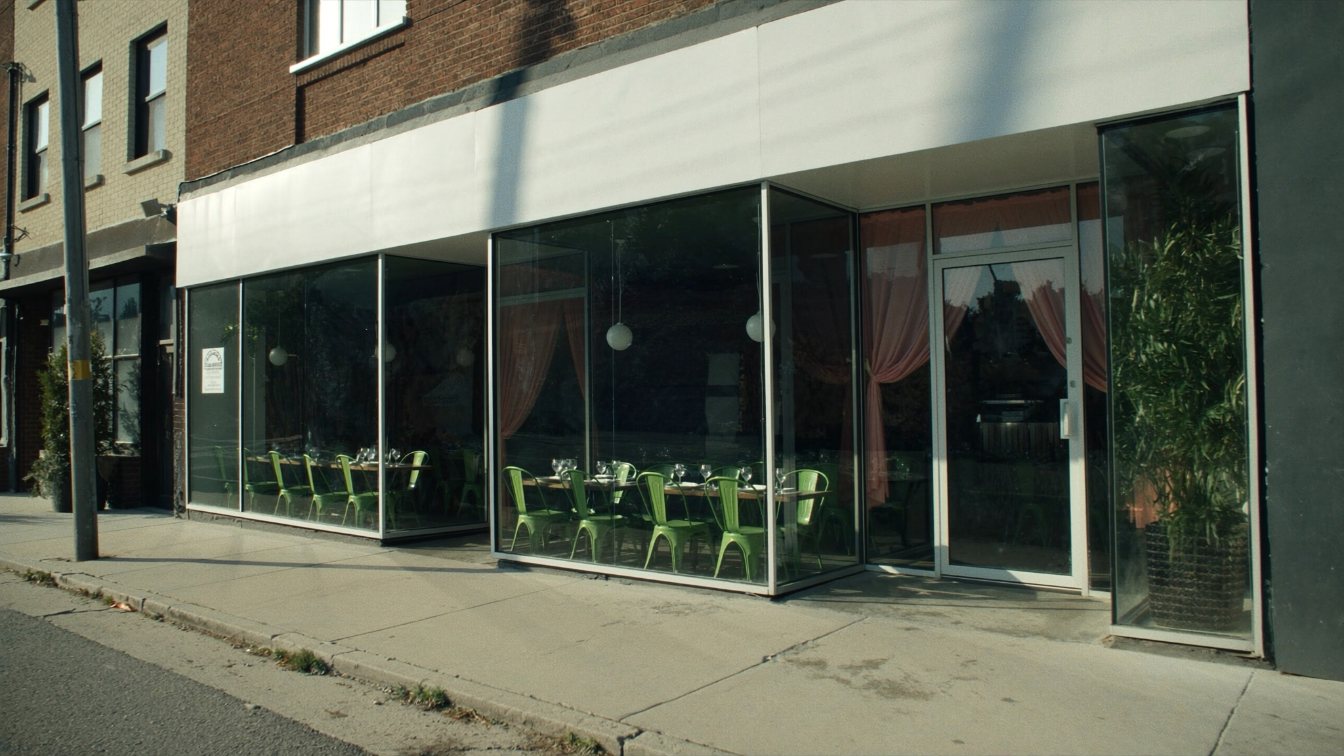
The biggest red flags when buying a Toronto restaurant are money you cannot verify and rights you cannot keep. Walk carefully if sales on the statements do not match the HST returns and bank deposits, or the seller talks about unreported cash; if the lease has little term left, no transferable renewal, or a demolition clause; if the AGCO licence has an outstanding monetary penalty or unpaid Retail Sales Tax Act or Liquor Tax Act debt, which block a transfer; or if DineSafe shows conditional passes or closures. Also check for PPSA liens on the equipment ($8 a search), leased equipment presented as owned, a missing or failed grease interceptor (City fines up to $100,000), a patio the business depends on that may shrink on transfer, and a seller who refuses conditions, a training period or a non-compete. Most can be checked from public records and documents during your due diligence period.
How to use this list
A red flag is not always a reason to walk away. Some are fixed with a lower price, a holdback or a condition in the offer. Others end the deal. The point is to find them while your conditions are still open, not after you have waived them.
Each flag below comes with the document or public record that confirms it. For the full checklist of what to request, see the restaurant due diligence checklist; for the order of events, see buying a restaurant step by step.
Money red flags
- Sales that do not match the HST returns. Sales in the financial statements should line up with the HST returns and the bank deposits for the same periods. When they do not, the story is wrong somewhere.
- “There is more cash than the books show.” You cannot verify unreported income, a lender will not finance it, and you should not pay for it. Price on what you can prove.
- Add-backs without proof. A seller’s adjusted earnings are only as good as the receipts behind each add-back. Unpaid family labour is a cost you will have to pay.
- A price justified by a “multiple”. No regulator or government body in Canada publishes restaurant sale multiples, so a multiple is an opinion. See how much to pay for a restaurant.
The AI restaurant valuation tool below gives you a price range from the numbers a seller should be able to show you, so you can test an asking price before you make an offer.
Lease red flags
- Short term, no real renewal. Goodwill lasts only as long as your right to stay. Watch for renewal options that are personal to the original tenant or that the seller has let lapse.
- A demolition, relocation or redevelopment clause. Common in older strip plazas and main-street buildings with development potential. It can end your tenancy regardless of what you paid.
- A landlord who will not engage. Ontario’s Commercial Tenancies Act, section 23, deems consent to assignment not to be unreasonably withheld, but only if the lease does not expressly say otherwise. In Toronto you also need the landlord to sign the Occupancy Declaration for your own business licence. A silent landlord is a stalled deal.
Arrears and disputes should be ruled out with an estoppel certificate. More in what buyers must check in a restaurant lease.
Licence and health red flags
- A liquor licence that cannot move. Under O. Reg. 746/21, the Registrar will not transfer a licence while an AGCO monetary penalty is outstanding against the holder, and the AGCO says a transfer cannot proceed until Retail Sales Tax Act or Liquor Tax Act debts are resolved. A proposal to suspend or revoke also rules out operating under an Authorization to Contract Out. Conditions on the licence, such as limits on hours or the patio, transfer to you. And if the room has more seats than the capacity on the licence, the sales may depend on a number you cannot legally use. Details in buying a restaurant with a liquor licence.
- A poor DineSafe record. Toronto Public Health’s DineSafe site shows two years of inspections, with pass, conditional pass or closed results and infractions rated minor, significant or crucial. Repeat conditional passes or a closure tell you about the kitchen’s habits, and the notice must be posted at the entrance for your customers to see.
- A licence that lapsed long ago. Toronto skips the zoning review for a takeover only if the existing eating or drinking establishment licence is valid or expired less than three years ago in the same category. A long-closed space, or a new concept in a different category, may need that review.
Equipment and premises red flags
- Liens and leased equipment sold as owned. Search the seller’s exact legal name in Ontario’s personal property registry ($8 online). Registered security or equipment leases mean the item is not the seller’s to sell free and clear. Ontario repealed its Bulk Sales Act in 2017, so your lawyer’s searches and payout directions are the protection.
- A missing or failed grease interceptor. The City of Toronto requires food service establishments to have one; not having one installed or working properly can mean conviction and fines of up to $100,000, and the City charges back the cost of clearing grease-blocked sewers. Ask for pumping and maintenance records.
Also watch the hood and fire suppression service tags, the walk-in, the roof-top units and the age of the dish machine. Replacement costs belong in your price.
Seller behaviour and patio red flags
- A seller who refuses conditions. A buyer’s offer should be conditional on due diligence, financing, landlord consent and the licence transfer. Pressure to go firm is a flag in itself.
- No training period and no non-compete. If the seller will not stay a few weeks or will not agree not to open nearby, ask why.
- Sales that depend on a patio. A Toronto sidewalk café permit is transferable, but the City warns a transfer may reduce the permit area to meet current by-laws. Curb-lane CaféTO patios run May through October and are applied for each year; the 2026 intake closed on 11 February. Summer sales from a patio you may not keep are not sales you are buying.
- Staff surprises. Long-service staff bring their service with them under ESA section 9. Get start dates and vacation owing; see taking over restaurant staff.
- Franchise surprises. A required remodel after transfer, a franchisor right of first refusal, or a new agreement with different royalties. See buying a franchise restaurant resale.
Red flags at a glance
| Red flag | How to check it | Usual fix, if any |
|---|---|---|
| Sales not on HST returns | Statements vs HST returns vs bank deposits | Price on verified sales only |
| Short or fragile lease | Lease, renewal clauses, estoppel | New lease or extension as a condition |
| Liquor licence blocked | iAGCO search, copy of licence, seller’s written confirmation | Condition on AGCO acceptance or Authorization to Contract Out |
| Poor inspection history | DineSafe, two years | Inspection by a kitchen trades person; price |
| Liens or leased equipment | PPSA search, $8 | Payouts at closing; exclude leased items |
| Grease interceptor issues | Maintenance records, inspection | Repair before closing or holdback |
| Patio-dependent sales | Permit copy; City rules | Price the business without the patio |
Sources: AGCO, O. Reg. 746/21, City of Toronto, Government of Ontario. For how sellers see the same issues, read restaurant sale mistakes.
Where I fit
I help buyers across Toronto and the GTA check these flags early, from the public records to the lease, and turn what we find into conditions, holdbacks or a better price. Your lawyer and accountant handle the legal and tax side. If you have a restaurant in view and something feels off, book a call or phone 833-330-1925.
Free tool — AI restaurant valuation
Restaurant valuation
What is your restaurant
actually worth?
Restaurants don’t sell on revenue — they sell on what the owner takes home, multiplied by how easy the business is to hand over. Your lease and your rent do more damage or more good than anything on the menu. This weighs all of it in about two minutes.
Reading comparable restaurant sales…
Indicative business value
—
$0$0
Most likely sale price $0 · Implied multiple 0×
Where I’d list it
$0
Comparable restaurants sell for about 85% of asking. Price to that, not to hope.
How the number is built
Your owner earnings, multiplied by what buyers pay for a business like yours — then adjusted line by line.
What the market pays
Benchmarks from completed restaurant sales.
What a buyer will ask for
- Three years of financials — statements and tax returns, not just POS reports.
- The lease, with the assignment clause and every option in writing.
- Proof of your add-backs. Lenders reject the ones you cannot document, and that is the single biggest reason deals reprice.
- Equipment list showing what is owned outright and what is leased or financed.
- Licences — AGCO, food premises, patio, and whether each one transfers.
- WSIB, HST and payroll accounts in good standing.
Want the number a buyer
would actually sign?
Send me three years of financials and your lease and I will price it properly — normalised earnings, real comparables, a defensible asking price and a confidential marketing plan that never tips off your staff or your landlord.
Frequently asked questions
What should I look out for when buying a restaurant?
Sales that do not match the HST returns and bank deposits, a short or fragile lease, a liquor licence with an outstanding penalty or tax debt, a poor DineSafe record, liens or leased equipment presented as owned, a failed grease interceptor, patio-dependent sales, and a seller who refuses conditions or a training period.
How can I check a Toronto restaurant’s health inspections?
Search the restaurant by name or address on Toronto Public Health’s DineSafe site. It shows two years of inspection results, whether each was a pass, conditional pass or closed notice, and the infractions found, rated minor, significant or crucial.
Can a liquor licence transfer be refused when I buy a restaurant?
Yes. Under O. Reg. 746/21 the Registrar will not transfer while an AGCO monetary penalty is outstanding or if the buyer would not be eligible, and the AGCO says a transfer cannot proceed while Retail Sales Tax Act or Liquor Tax Act debts are unpaid. Make the transfer a condition.
Should I buy a restaurant whose seller says it makes more cash than the books show?
Treat it as a red flag. You cannot verify unreported income, a lender will not finance it, and it may expose the business’s tax history. Price the restaurant only on sales you can confirm through statements, HST returns and bank deposits.
Is a short lease a deal breaker when buying a restaurant?
Not always, but it limits what the goodwill is worth. If the remaining term and transferable renewals do not cover the years you need to earn back the price, ask for a new lease or extension as a condition, or lower your price toward the equipment value.
Does Ontario protect restaurant buyers from the seller’s debts?
Not by statute any more. Ontario repealed its Bulk Sales Act in 2017. Buyers rely on PPSA searches, payouts directed from the purchase funds at closing, seller declarations and holdbacks, all set up by their lawyer.
Sources
- Commercial Tenancies Act, R.S.O. 1990, c. L.7 — s. 23, consent to assign
- City of Toronto — Eating or drinking establishment licence — $536.64 new; zoning review rule for takeovers
- O. Reg. 746/21 (Licensing) under the Liquor Licence and Control Act, 2019 — Part XI, ss. 154–158, licence transfers
- AGCO — Section 7: Transferring a liquor sales licence — transfer documents, Authorization to Contract Out, tax clearance
- iAGCO — Public licence search — look up a premises and its licence
- City of Toronto — About DineSafe — pass, conditional pass, closed; two years of results
- Government of Ontario — Register a security interest or search for a lien — PPSA search, $8
- Bulk Sales Act, R.S.O. 1990, c. B.14 (repealed) — repealed 22 March 2017
- City of Toronto — Mandatory grease interceptors for food service establishments — fines up to $100,000
- City of Toronto — Sidewalk café permit — transfer may reduce the permit area
- City of Toronto — 2026 CaféTO curb lane program — May to October season
Related reading
- Restaurant due diligence checklist
- Buying a restaurant in Ontario step by step
- Buying a restaurant with a liquor licence
- What buyers must check in a restaurant lease
- How much to pay for a restaurant
- Restaurant sale mistakes (seller's view)
- What buyers pay for when a Toronto restaurant sells
About the author — Jatin Dua, Toronto and GTA real estate broker
I am Jatin Dua, Broker of Record and co-founder of RE/MAX Quantum Realty Inc., Brokerage, Unit 101, 799 The Queensway, Toronto. I work with buyers and sellers across Toronto and the GTA and have helped more than 100 families sell. Four-plus years of active GTA transactions and over $100 million in sales volume. Every figure here comes from a published table, regulator or statute linked in the sources, so you can check all of it without asking me.
Reach me at connect@jatindua.com or 833-330-1925, or book a call.