

Published 29 September 2026 · By Jatin Dua, Broker of Record, RE/MAX Quantum Realty
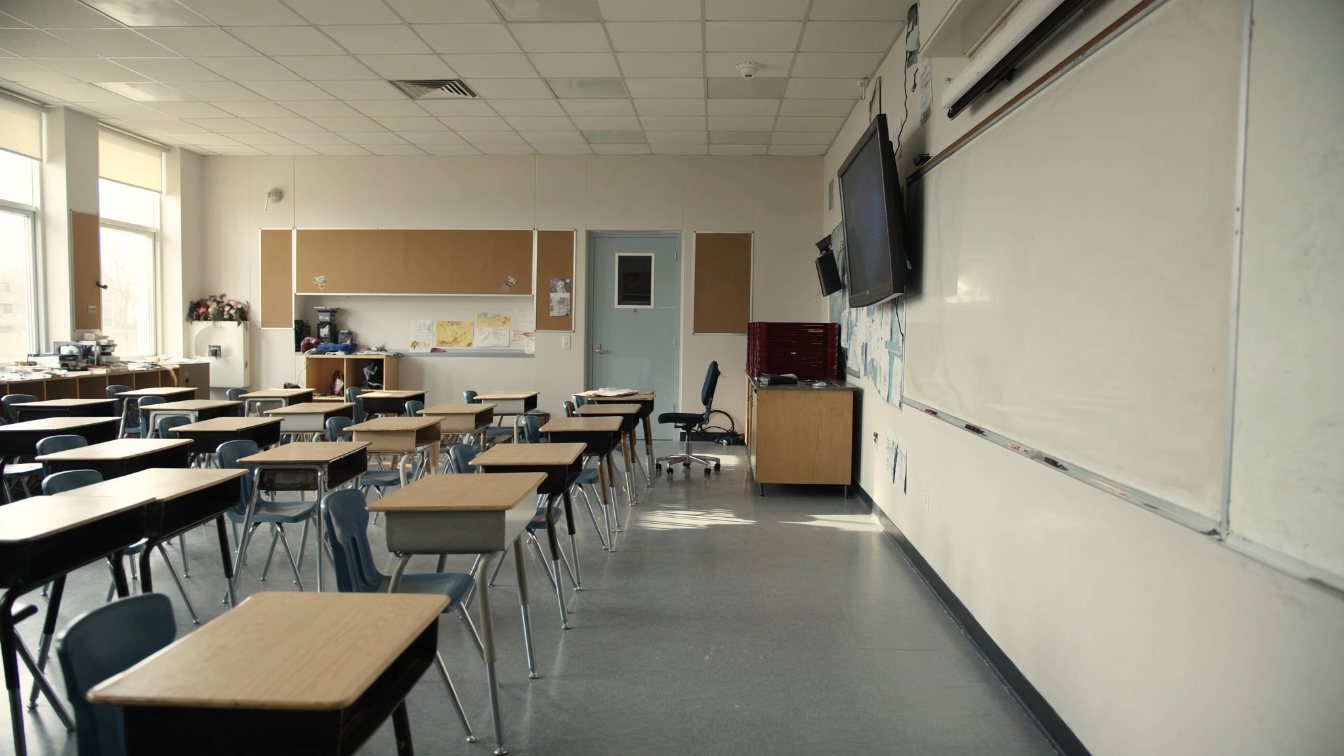
Because the Ministry of Education does not license private schools or inspect their buildings, the premises rules come from the municipality and the codes. In Toronto, Zoning By-law 569-2013 defines a Private School as premises for elementary or secondary education regulated under the Education Act but not publicly funded, a separate use from Education Use, which covers other education or training. So a zone that permits a tutoring centre does not automatically permit a private school. The Building Code treats non-residential schools as assembly occupancies, so moving into office or retail space is usually a change of use that needs a permit. The Fire Code requires at least three total evacuation fire drills in the fall term and three in the spring term.
Nobody at the Ministry checks your building
The Ministry of Education validates a private school and, for secondary schools that ask, inspects the standard of instruction. It says it “does not inspect health equipment nor practices related to safety and staffing issues.” That puts the premises squarely on the operator, the municipality and the fire department. A validation visit does compare what you wrote on your Notice of Intention with what the inspector sees, and the manual lists a mismatch as a ground for removing the school’s BSID, so the address, hours and number of pupils on the NOI must match reality.
For the business side, including what happens to the BSID when a school is sold, see my guide to buying a private school.
Zoning: private school is not the same as education use
Toronto Zoning By-law 569-2013 has three separate definitions that matter:
| Use | Definition (summarized) |
|---|---|
| Private School | Premises used for elementary or secondary education regulated under the Education Act but not publicly funded |
| Public School | Elementary or secondary education regulated and funded under the Education Act |
| Education Use | Education or training other than a post-secondary school, a school regulated under the Education Act, or religious education |
The practical point: a tutoring centre, test-prep business or language school usually falls under education use; a school with five or more pupils of compulsory age during school hours is a private school. A unit zoned for one is not automatically zoned for the other. Ask the city for a zoning review or preliminary project review of the exact address before you sign. Outside Toronto, GTA municipalities each define and place schools differently.
Change of use: schools are assembly occupancies
Under section 10 of the Building Code Act, a change of use that increases hazard needs a permit even with no construction, and Toronto says any change of use needs a permit. The Ontario Association of Architects’ occupancy guide, based on the Building Code, lists non-residential schools under assembly, while offices and stores fall under commercial uses. Turning office or retail space into classrooms is therefore likely to change the occupancy, which can bring requirements for exits, fire separations, fire alarm, washrooms and occupant load. The cost can be small or it can sink the deal; your architect decides which.
I would never let a school client firm up a lease on the strength of “it was an office, so it is fine”.
Fire drills and the fire safety plan
The Ontario Fire Code sets drill frequency for schools and private schools as defined in the Education Act (2.8.3.2(3)):
- at least three total evacuation drills during the fall term;
- at least three during the spring term;
- in summer, at least three or at least one a month while in session, whichever is less.
Your building also needs a fire safety plan that fits a school occupancy. In a multi-tenant building, the landlord’s plan must account for a group of children evacuating at once. Ask the landlord for the building’s fire safety plan and last fire inspection before you commit.
Accessibility, washrooms and outdoor space
- Accessibility. Ontario’s accessibility standards apply to every organization with at least one employee. Schools with 20 to 49 employees file a compliance report every three years, next due 31 December 2026, and renovated public spaces must meet the public-spaces standard.
- Washrooms and occupant load. The Building Code sets fixture counts by occupancy and occupant load; a floor that worked for 20 office staff may not work for 60 pupils. Ask the architect.
- Outdoor space and drop-off. Not usually a zoning requirement I can cite for private schools, but parents judge a school by drop-off and play space. Check site plan and parking conditions with the municipality.
Children younger than school age
Many private schools add junior kindergarten or before- and after-school care. Care for young children is licensed under a different regime from schools, with its own premises standards. If your plan includes it, read my posts on child care centre premises and buying a daycare first, and ask the Ministry which rules apply to your program.
What to check in the lease
- A permitted use clause naming a private school, not just “education” or “office”.
- A condition period long enough for a zoning review and a code review of the change of use.
- Who pays for code upgrades, washrooms and fire alarm work.
- Hours of access that match the school day, after-school programs and events.
- Assignment rights, so a future sale of the school can include the lease.
- A term that covers at least the years you need to recover fit-out costs.
For comparison with another education business with regulated premises, see driving school office and classroom premises. The funeral home premises post shows how an assembly-type use is handled in a different sector.
Where I fit
I help schools and investors find and test commercial space across Toronto and the GTA. I start every search with the zoning use and the change-of-use question, because those decide which buildings are even possible. Book a call or phone 833-330-1925.
Frequently asked questions
What zoning does a private school need in Toronto?
Toronto Zoning By-law 569-2013 defines Private School as premises for elementary or secondary education regulated under the Education Act but not publicly funded. It is separate from Education Use, which covers other training. The zone of your address must permit a private school specifically.
Can I open a private school in an office building?
Possibly, if zoning permits a private school there and the building can meet the Building Code for a school. Schools are assembly occupancies, so converting office space is usually a change of use that needs a building permit and may need upgrades to exits, fire separations and washrooms.
How many fire drills does a private school need in Ontario?
The Ontario Fire Code requires at least three total evacuation fire drills in the fall term and three in the spring term. If the school runs in summer, it needs three drills or one a month while in session, whichever is less.
Does the Ministry of Education inspect private school buildings?
No. The Ministry inspects the standard of instruction for secondary schools that ask for credit-granting authority, and says it does not inspect health equipment or safety and staffing practices. Building, fire and zoning compliance rest with the operator and the municipality.
Is a tutoring centre a private school for zoning?
Usually not. A private school provides instruction during school hours to five or more pupils of compulsory school age in elementary or secondary subjects. Tutoring and training generally fall under Toronto’s separate education use, but confirm with a zoning review.
Do private schools have to meet accessibility rules in Ontario?
Yes. Ontario’s accessibility standards apply to every organization with at least one employee. Those with 20 to 49 employees file a compliance report every three years, next due 31 December 2026, and renovated public spaces must meet the design standard.
Sources
- City of Toronto — Zoning By-law 569-2013, Chapter 800 definitions — office consolidation, amendments to 30 April 2026
- Building Code Act, 1992 — e-Laws — s. 10, permit for a change of use
- City of Toronto — When do I need a building permit? — change of use needs a permit; zoning always applies
- Ontario Association of Architects — Guide to occupancy types — occupancy groups based on the Ontario Building Code
- Ontario Fire Code, O. Reg. 213/07 — e-Laws — fire drills; Section 9.7 retrofit for retirement homes
- Government of Ontario — Notice of intention to operate a private school — due 1 September; $300 first-year fee
- Ontario Ministry of Education — Private Schools Policy and Procedures Manual — change in school ownership, BSID, advertising
- Government of Ontario — Accessibility rules for businesses and non-profits — reports due 31 December 2026 for 20+ employees
Related reading
- Buying a private school in Ontario
- Driving school premises in Ontario
- Retirement home property in Ontario
- Child care centre premises
- AI office space value estimator
- Cap rate calculator
- Book a call with Jatin
About the author — Jatin Dua, Toronto and GTA real estate broker
I am Jatin Dua, Broker of Record and co-founder of RE/MAX Quantum Realty Inc., Brokerage, Unit 101, 799 The Queensway, Toronto. I work with buyers and sellers across Toronto and the GTA and have helped more than 100 families sell. Four-plus years of active GTA transactions and over $100 million in sales volume. Every figure here comes from a published table, regulator or statute linked in the sources, so you can check all of it without asking me.
Reach me at connect@jatindua.com or 833-330-1925, or book a call.