
Published 18 October 2026 · By Jatin Dua, Broker of Record, RE/MAX Quantum Realty
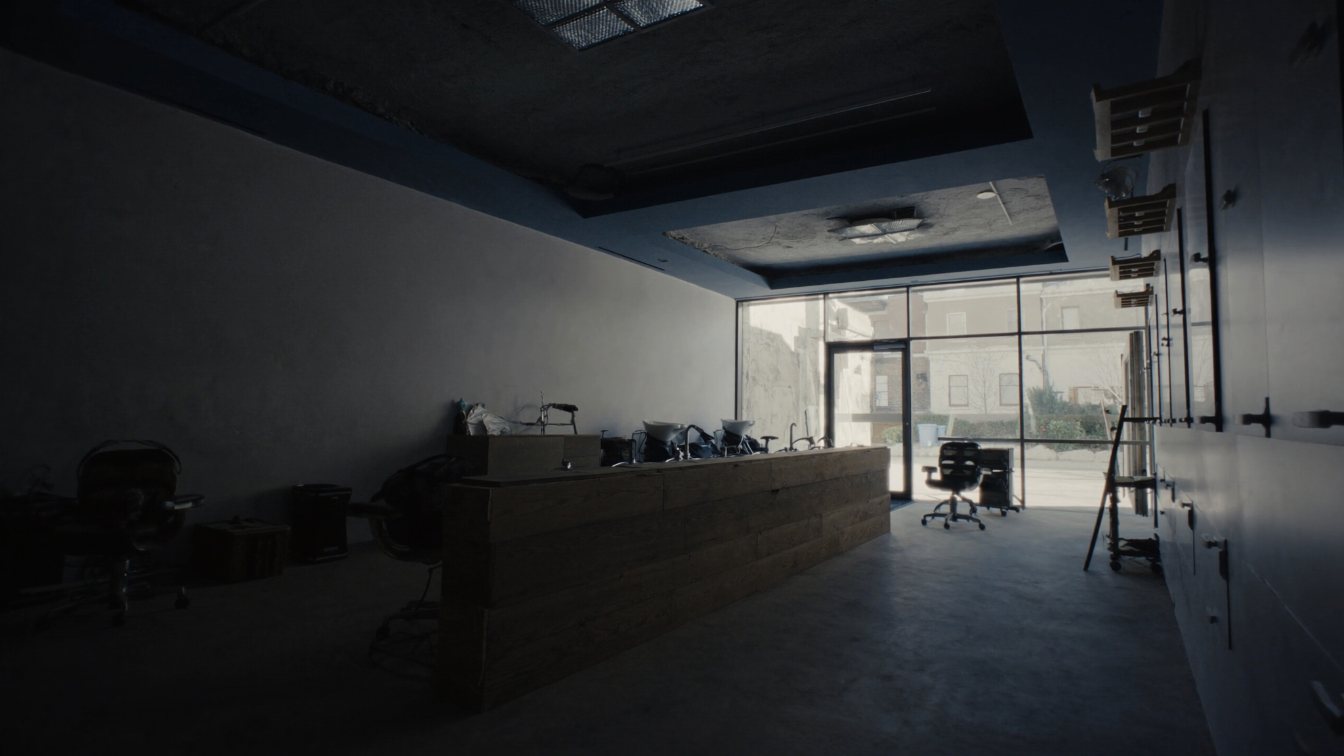
A music school in Ontario needs a unit where the use is permitted and the sound can be contained: studios with isolated walls and doors, a drum or band room on a slab away from neighbours, quiet HVAC and enough ceiling height for room-within-a-room work. Toronto zones lessons as "education use" and rehearsal rooms as "performing arts studio"; Mississauga calls music schools a "recreational establishment," permitted in C2 to C4 and employment zones. Both cities' noise by-laws protect workplaces as well as homes, so replace any lease clause banning all audible noise with an objective by-law standard.
Looking for music school space in Toronto or the GTA? Tell me what you need and I will send you units that fit, with the zoning and the lease checked before you commit.
What a music school needs from a unit
A music school is a sound problem with a business attached. Piano, voice and guitar lessons are manageable in most units with decent walls. Drums, amplified bands and group classes are not, and the neighbours who complain are often the ones the landlord cares about most. Before I look at rent with a music school, I look at what is on the other side of every wall, above the ceiling and below the floor.
- Teaching studios sized for the instrument, with doors and walls that keep sound in.
- A drum or band room on a concrete slab, away from shared walls, ideally at the end of a building.
- A group or recital room if you run ensembles, exams or student concerts.
- A waiting area for parents, plus instrument storage.
- Quiet HVAC with duct routes that do not connect studios to each other or to neighbours.
- Ceiling height for room-within-a-room construction, which can take up a lot of space.
| Item | Why it matters | Who to ask |
|---|---|---|
| Neighbours on all sides, above and below | Toronto’s noise by-law protects workplaces as well as homes | Landlord; walk the building |
| Slab floor and ceiling height | Floating floors and decoupled ceilings need both | Acoustic consultant, contractor |
| Zoning category | Lessons, rehearsal rooms and recreational uses are zoned differently | City zoning examiner |
| Landlord’s noise rules | Many leases ban any sound audible outside the unit | Read the lease and rules and regulations |
| Parking at lesson times | After-school and Saturday peaks | Landlord; visit at 4 p.m. and Saturday |
| Permit for sound construction | New walls, ceilings and ductwork usually need one | City building department |
Zoning: education use, performing arts studio or recreational establishment
Toronto. Zoning By-law 569-2013 has two definitions that can fit a music business. “Education use” means “the use of premises for education or training,” other than post-secondary, Education Act schools and religious education. “Performing arts studio” means “premises used for the rehearsal of performing arts, such as music, dance or theatre.” A lesson-based school reads as education use; a rehearsal-room business reads as a performing arts studio. Many schools do both.
The distinction matters because the zones treat them differently. The CR commercial residential zone permits both. The CL commercial local zone permits education use but does not list performing arts studio. The EL light industrial and E industrial zones permit performing arts studio, but in EL education use is limited to trade and commercial driver training, and the E zone does not list it. An industrial unit can suit rehearsal rooms but may not be allowed for a lesson school. The EO zone permits both under the “o” part of its label. Order a Zoning Use Review for the address and describe the full program.
Mississauga. Zoning By-law 0225-2007 settles the question by name: its definition of “Recreational Establishment” includes “businesses such as music, martial arts and dance schools.” Recreational establishment is permitted in the C2, C3 and C4 commercial zones but not the C1 convenience commercial zone, and it is permitted in the E1, E2 and E3 employment zones. The parking requirement is 4.5 spaces per 100 square metres of gross floor area in Precincts 2 to 4. A change in the type of use needs a Certificate of Occupancy. Other GTA cities have their own wording, so check each one.
Noise by-laws: what Toronto and Mississauga actually measure
Toronto. Chapter 591 of the Municipal Code was amended in 2024 (By-law 268-2024). It now defines “instrument sound” as sound made by any musical instrument, “including the unamplified playing of percussion instruments.” Section 591-2.1 limits amplified sound and instrument sound measured at a point of reception in a “living area,” and the by-law defines a living area as “any area that includes the premises of a dwelling or a workplace.” The neighbouring office, clinic or shop counts.
Measured outdoors, the limit is 55 dB(A) or 70 dB(C) from 7 a.m. to 11 p.m. and 50 dB(A) or 65 dB(C) from 11 p.m. to 7 a.m., as a ten-minute average. Where an officer decides an outdoor measurement is not reasonable, an indoor point of reception applies: 50 dB(A) or 65 dB(C) from 7 a.m. to 11 p.m. and 42 dB(A) or 57 dB(C) overnight. Where ambient sound is already above those limits, the test becomes whether your sound equals or exceeds the ambient level. A separate section prohibits noise that is both unreasonable and persistent.
Mississauga. The Noise Control By-law 0360-1979 (most recently amended in 2026) also defines a living area to include a workplace. It limits continuous amplified sound at a point of reception to 55 dB(A) or 70 dB(C) from 9 a.m. to 7 p.m. and 50 dB(A) or 65 dB(C) from 7 p.m. to 9 a.m. Its Schedule 2 prohibits the operation of a musical instrument that is clearly audible at a point of reception in a residential area from 11 p.m. to 7 a.m. (9 a.m. on Sundays), and at any time in a designated quiet zone.
The lease is usually stricter than the by-law
Many plaza leases and rules and regulations prohibit any noise audible outside the premises, at any time. That standard is far tighter than either city’s by-law, and a single complaint from the neighbour can put you in default. Replace it with an objective standard before you sign: compliance with the municipal noise by-law, plus an agreed test procedure and agreed hours.
Soundproofing: build it into the deal
Sound isolation for a music school is construction, not decoration. Common approaches include walls built as separate frames with insulation, walls extended to the underside of the structure above, decoupled or suspended ceilings, floating floors in drum rooms, solid-core or acoustic doors with seals, and duct silencers so ductwork does not carry sound from room to room. Foam panels on the wall improve the sound inside a room; they do little to stop it leaving.
Three practical points for the lease:
- Get an acoustic consultant’s scope before you agree to rent. It tells you whether the ceiling height and structure can take the work and what it will cost.
- Tie the landlord’s approval to that scope. Attach the drawings to the lease so the landlord cannot later refuse the work.
- Exclude the sound construction from restoration. Removing room-within-room construction at the end of the term is expensive and pointless if the next tenant can use it.
New walls, ceilings and ductwork usually need a building permit. If the unit’s use is changing, section 10 of the Building Code Act, 1992 also requires a permit where the change increases the hazard, even without construction, so confirm with the building department how a music school will be classified. Ontario’s Building Code barrier-free requirements apply to most extensive renovations.
Put the worst room at the end
Plan the drum and band rooms against an exterior wall, on the slab, at the end of the unit farthest from neighbours, with storage or corridors as buffers. Good planning costs nothing, and it reduces how much expensive isolation you need everywhere else.
Children, recitals and child care rules
Most music students are children. The Child Care and Early Years Act, 2014 requires a licence to operate premises where child care is provided, but it exempts programs whose primary purpose is “to promote recreational, artistic, musical or athletic skills.” A lesson program is within that. A summer camp or an after-school program focused on supervision may need a closer look under the Act’s other provisions.
Recitals and student concerts change the use for a few hours: more people, more parking and sometimes amplified sound. If you plan regular performances in the unit, raise it with the zoning examiner and the landlord, and keep larger concerts at a rented hall.
Parking, access and the lesson-hour crunch
Music lessons cluster after school and on Saturdays, and most lessons are 30 to 60 minutes, so parents arrive and leave constantly. In Toronto, education use and performing arts studios are both in Tier 2 of Chapter 200 and only have maximum parking rates, so the city will not usually block you for lack of parking. In Mississauga, a recreational establishment needs 4.5 spaces per 100 square metres in Precincts 2 to 4, which is more than a retail store needs in Precincts 2 and 3 and can be a problem in a stand-alone building.
Either way, visit at 4:30 p.m. on a weekday and at 10 a.m. on a Saturday. Watch how a parent with a cello case and a seven-year-old gets from the car to your door, and whether a ground-floor entrance with no steps is possible. Instruments, amplifiers and pianos also need a delivery route that does not involve stairs.
The lease clauses that matter for a music school
- Use clause. “Music school, including individual and group instruction, rehearsal, student recitals and the incidental sale and rental of instruments and accessories.”
- Noise standard. Replace “no noise audible outside the premises” with compliance with the municipal noise by-law, an agreed testing method and agreed operating hours.
- Sound construction approval. The acoustic scope attached to the lease and approved by the landlord.
- Restoration exclusion for sound isolation work.
- Neighbour covenant. The landlord will not lease adjoining units to noise-sensitive uses, such as hearing clinics, therapy offices or recording studios, without disclosing your use to them.
- Hours. Weekday evenings to at least 9 p.m. and full weekends, with HVAC.
- Parking. Short-term spaces near the door for lesson drop-off.
- Exclusive. An exclusive on music instruction in the plaza.
- Assignment. Assignment to a buyer of the school without unreasonable refusal.
Rent is quoted as net rent per square foot per year plus TMI. A unit that needs less isolation work can justify higher net rent than a cheaper unit that needs a full room-within-room build. For use clause wording in general, see commercial lease use clauses.
Deal-killers to check on a viewing
- Residential units above in a mixed-use building, or a wood-frame floor between you and the neighbour.
- A noise-sensitive neighbour: a hearing clinic, a psychotherapy office or a medical suite next to your drum room.
- Demising walls that stop at the ceiling grid, with a shared ceiling plenum.
- Low ceilings that leave no room for a decoupled ceiling.
- A C1 zone in Mississauga or a lesson program in a Toronto EL or E zone.
- A blanket noise ban in the lease that the landlord will not change.
Studios with similar issues include martial arts and dance studios and podcast and recording studios.
Where I fit
I help music schools and studio operators find and assess space across Toronto, Mississauga, Brampton and the rest of the GTA. I check the zoning category before you sign, walk the building with you to see who is on every side, and read the lease for the noise rules, sound construction approvals and restoration terms that decide whether the school can operate in peace.
Find me music school space
Tell me the area, size, budget and timing, plus how many studios and whether you need a drum room, and I will send units that can be made quiet.
I will come back to you personally, usually the same day, with spaces that fit. If it is urgent, call or text 833-330-1925.
Frequently asked questions
What zoning does a music school need in Toronto?
Toronto's Zoning By-law 569-2013 treats lessons as education use and rehearsal rooms as a performing arts studio. The CR zone permits both, the CL zone permits education use only, and the EL and E industrial zones permit performing arts studios but not a general lesson school. Order a Zoning Use Review for the address and describe the whole program.
How does Mississauga zone a music school?
Mississauga's Zoning By-law 0225-2007 defines a recreational establishment to include businesses such as music, martial arts and dance schools. It is permitted in the C2, C3 and C4 commercial zones and the E1 to E3 employment zones, but not the C1 convenience commercial zone. Parking is 4.5 spaces per 100 square metres in Precincts 2 to 4.
What are Toronto's noise limits for musical instruments?
Toronto's Chapter 591 limits instrument and amplified sound at a point of reception in a living area, which includes workplaces. Outdoors the limit is 55 dB(A) or 70 dB(C) from 7 a.m. to 11 p.m. and 50 dB(A) or 65 dB(C) overnight. Indoors it is 50 dB(A) or 65 dB(C) by day and 42 dB(A) or 57 dB(C) overnight.
Does Mississauga's noise by-law apply to music lessons?
Yes. Mississauga's Noise Control By-law limits continuous amplified sound at a point of reception, including workplaces, to 55 dB(A) or 70 dB(C) from 9 a.m. to 7 p.m. and lower in the evening. Operating a musical instrument clearly audible in a residential area is prohibited from 11 p.m. to 7 a.m., or 9 a.m. on Sundays.
Can a landlord stop a music school for noise?
Often yes, through the lease. Many plaza leases and rules prohibit any noise audible outside the premises, which is stricter than the noise by-law. A complaint can then be a default. Negotiate an objective standard instead: compliance with the municipal by-law, an agreed testing method and agreed hours, and attach the approved soundproofing scope to the lease.
Does a music school need a child care licence?
Generally not. Ontario's Child Care and Early Years Act exempts programs whose primary purpose is to promote recreational, artistic, musical or athletic skills. A lesson program fits that. Programs that are mainly about supervising children, such as some camps or after-school care, should be checked against the Act before you advertise them.
What soundproofing should I budget for in a music school?
It depends on the unit and the instruments, so get an acoustic consultant's scope before you sign. Common measures include separate-frame insulated walls taken to the structure above, decoupled ceilings, floating floors for drum rooms, sealed solid-core doors and duct silencers. Foam panels improve the sound inside a room but do little to stop it reaching neighbours.
Sources
- City of Toronto — Zoning By-law 569-2013, Chapter 800 Definitions — education use and performing arts studio
- City of Toronto — Zoning By-law 569-2013, Section 40.10 CR Zone — both uses permitted in CR
- City of Toronto — Zoning By-law 569-2013, Section 60.10 EL Zone — performing arts studio permitted, education limited
- City of Toronto — Municipal Code Chapter 591, Noise — instrument sound, living area, dB limits
- City of Mississauga — Zoning By-law 0225-2007, Definitions — recreational establishment includes music schools
- City of Mississauga — Zoning By-law 0225-2007, Part 6 Commercial Zones — C2 to C4 permission
- City of Mississauga — Zoning By-law 0225-2007, Part 3 Parking — recreational establishment parking rate
- City of Mississauga — Noise Control By-law 0360-1979 — amplified sound limits, musical instrument hours
- Ontario e-Laws — Child Care and Early Years Act, 2014 — musical skills program exception
Related reading
- Martial arts and dance studio premises
- Yoga and pilates studio premises
- Photography and podcast studio space
- Tutoring and learning centre premises
- Change of use permits for tenants
- The use clause in a commercial lease
About the author — Jatin Dua, Toronto and GTA real estate broker
I am Jatin Dua, Broker of Record and co-founder of RE/MAX Quantum Realty Inc., Brokerage, Unit 101, 799 The Queensway, Toronto. I help business owners across Toronto and the GTA find, assess and lease commercial space, and I work with buyers and sellers of homes and businesses. Four-plus years of active GTA transactions and over $100 million in sales volume. Every rule here comes from a regulator, statute or by-law linked in the sources, so you can check all of it without asking me.
Reach me at [email protected] or 833-330-1925, or book a call.