

Published 29 September 2026 · By Jatin Dua, Broker of Record, RE/MAX Quantum Realty
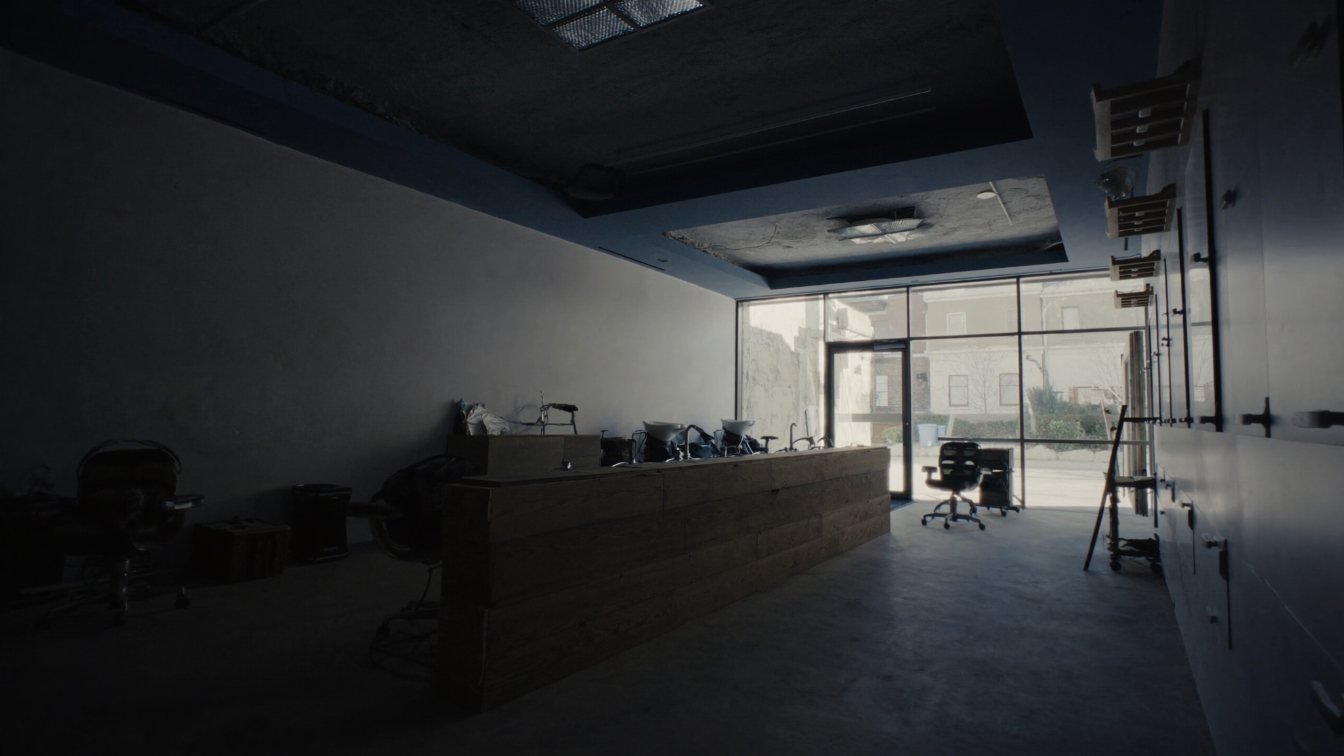
Under O. Reg. 136/18, a salon or barbershop must have smooth, impermeable, easily cleaned surfaces, potable hot and cold running water under pressure, at least one sink used only for hand washing, adequate lighting, ventilation, storage and waste receptacles, and it cannot be part of a room used as a dwelling or for food. Settings using reusable equipment usually need a separate reprocessing sink, but a setting that only does hairdressing or barbering is exempt if it reprocesses equipment before and after each business day. In Toronto, a personal service shop is a defined zoning use, and taking over a licensed salon avoids a new zoning approval if the licence is valid or expired less than three years ago. Renovations need notice to public health, 14 days ahead if you close for the work.
What O. Reg. 136/18 requires of the space
Section 8 of the Personal Service Settings regulation sets the physical standard for every salon and barbershop in Ontario:
- free from any condition that may be a health hazard;
- floors, walls, ceilings, fixtures and furniture in good repair, easily cleanable, smooth and impermeable;
- not a room or part of a room used as a dwelling, including for dining, sleeping or preparing or storing food;
- potable hot and cold running water under pressure;
- at least one sink used only for hand washing, conveniently located, always accessible and continuously supplied with hot and cold water, with soap in a dispenser and single-service towels or a hot air dryer nearby;
- lighting and ventilation sufficient for sanitary operation and safe service;
- waste receptacles, including biomedical and laundry waste where applicable;
- work surfaces that can be readily cleaned and disinfected, and adequate storage.
Shampoo basins are not hand-wash sinks. Plan a dedicated hand sink near the stations from the start.
The reprocessing sink and the hair-only exemption
A setting that uses reusable equipment must normally have a second sink, not the hand sink, that can immerse the largest piece of equipment, has hot and cold water, has counter space for preparing equipment, is not in a room with a toilet, and is separated from where services are provided (section 8(3)).
Section 8(6) exempts a setting that only provides hairdressing or barbering and reprocesses reusable equipment before the beginning and after the end of each business day. Add manicures, waxing or facials and the exemption is gone, and you need the reprocessing sink. Adding a service also needs 14 days’ written notice to the medical officer of health, and in Toronto a new endorsement with 30 days’ notice. Decide the service mix before you design the plumbing.
Toronto’s own minimum standards
Toronto’s licensing chapter adds infection prevention minimums for licensed personal services settings: premises and furniture in good repair and clean; well-lit work areas; a smooth, impervious top surface on every table or chair where clients sit or lie; a sink with hot and cold water and soap and towels; instruments cleaned and disinfected between uses; and approved sharps containers where razors are used. The most recent inspection notice must be posted near the entrance. These are the items a BodySafe inspector will look at, so build them into the fit-out.
Zoning and the takeover shortcut
Toronto’s Zoning By-law 569-2013 defines a personal service shop as premises used to provide personal grooming services or for the cleaning or care of apparel. A salon or barbershop fits squarely within it, and most commercial and mixed-use zones permit the use; check the zone and any site-specific exception.
Toronto’s licensing office does not require zoning approval if you take over an existing business with a valid licence, or one that expired less than three years before, in the same licence category. A unit that was a store or an office starts with zoning. If you are buying the business too, the licences are covered in buying a hair salon or barbershop.
Home-based salons
O. Reg. 136/18 contemplates services in part of a dwelling: the setting requirements then apply only to the rooms used for personal services (section 8(2)), but those rooms cannot be used for living, dining, sleeping or food. Zoning is a separate question. Home occupation rules vary by municipality and zone, so check before you invest in a basement salon, and remember the 14-day public health notice applies to a home setting just as to a storefront.
Building Code, permits and accessibility
The Ontario Association of Architects’ occupancy guide lists barber and hairdressing shops and beauty parlours in the commercial group with offices, shops and stores. Moving a salon into a former store or office may not change the occupancy, but Toronto requires a building permit for any change of use even without construction, and plumbing for basins and a hand sink, new electrical circuits for dryers and changes to walls all need permits.
If you renovate while closed, O. Reg. 136/18 requires written notice to the medical officer of health at least 14 days before the work starts; if you keep serving clients during the renovation, notice is still required before the work starts.
On accessibility, every business with at least one employee must provide accessible customer service; the Design of Public Spaces standards apply only to new construction and renovated public spaces, so a new reception area should follow them. Businesses with 20 to 49 employees file a compliance report, next due 31 December 2026.
The lease clauses a salon needs
- Permitted use covering hairstyling and barbering, retail of hair products and any other services you plan, such as nails or aesthetics.
- Plumbing and hot water. Capacity for several basins running at once, and who pays for a larger water heater.
- Ventilation for colour and chemical services.
- Signage and hours, including evenings and weekends.
- Restoration. Whether basins and plumbing must be removed at the end of the term.
- Assignment. How you can sell the salon later and assign the lease.
Compare the infection-control demands with a higher-risk setting in tattoo studio premises, or with a very different storefront in mortgage brokerage office space. For a regulated health comparison, see physiotherapy clinic space.
Where I fit
I help salon owners across the GTA find and assess storefronts, read leases and weigh buying a unit against renting. The AI hair salon value estimator below gives a range from the salon’s numbers in about a minute. Then book a call or phone 833-330-1925.
Free tool — AI hair salon value estimator
Frequently asked questions
Does a hair salon need a separate hand washing sink in Ontario?
Yes. O. Reg. 136/18 requires at least one sink used only for hand washing, conveniently located, always accessible and supplied with hot and cold running water, with soap and single-service towels or a hot air dryer nearby. Shampoo basins do not count.
Does a barbershop need a separate sink for cleaning tools?
Not if it only provides hairdressing or barbering and reprocesses reusable equipment before and after each business day; section 8(6) of O. Reg. 136/18 exempts it. Add other services such as nails or waxing and a separate reprocessing sink is required.
Can I run a hair salon from my home in Ontario?
The provincial rules allow services in part of a dwelling, applying the setting requirements to the rooms used, which cannot be used for living, sleeping or food. Zoning for home businesses varies by municipality, so check locally, and give public health 14 days’ notice before starting.
Is a hair salon allowed in a Toronto retail unit?
Usually. Toronto’s Zoning By-law 569-2013 defines a personal service shop as premises providing personal grooming services, and most commercial zones permit it. Check the zone and any exceptions, and whether a building permit is needed for the change of use and fit-out.
Do I need to tell public health before renovating my salon?
Yes. Under O. Reg. 136/18, if you close during the renovation you give written notice to the medical officer of health at least 14 days before it starts; if you keep serving clients, you give notice before the work starts. Routine maintenance and replacing existing equipment do not count as renovation.
What should a salon lease include?
A use clause covering all planned services, adequate plumbing and hot water, ventilation for chemical services, signage and hours, clear restoration terms for basins and plumbing, and fair assignment terms for a future sale. Confirm the landlord consents to the fit-out before you sign.
Sources
- O. Reg. 136/18, Personal Service Settings — e-Laws — notice, setting, equipment and records rules
- City of Toronto — Municipal Code Chapter 545, Licensing — licences are not transferable; licence categories
- City of Toronto — Personal services settings licence — fees, C of Q, $1,000,000 CGL, 14-day notice
- City of Toronto — About BodySafe — inspection frequency by risk
- City of Toronto — Zoning By-law 569-2013, Chapter 800 definitions — use definitions
- Ontario Association of Architects — Guide to Occupancies — Building Code occupancy examples
- City of Toronto — When do I need a building permit? — change of use needs a permit even with no construction
- Building Code Act, 1992 — e-Laws — s. 10 permit for a change of use that increases hazard
- Government of Ontario — Accessibility rules for businesses and non-profits — rules by employee count; compliance report due 31 December 2026
Related reading
- Buying a hair salon or barbershop in Ontario
- Tattoo studio premises in Ontario
- Mortgage brokerage office space in Ontario
- Physiotherapy clinic space in Ontario
- AI hair salon value estimator
- AI retail store value estimator
About the author — Jatin Dua, Toronto and GTA real estate broker
I am Jatin Dua, Broker of Record and co-founder of RE/MAX Quantum Realty Inc., Brokerage, Unit 101, 799 The Queensway, Toronto. I work with buyers and sellers across Toronto and the GTA and have helped more than 100 families sell. Four-plus years of active GTA transactions and over $100 million in sales volume. Every figure here comes from a published table, regulator or statute linked in the sources, so you can check all of it without asking me.
Reach me at connect@jatindua.com or 833-330-1925, or book a call.