

Published 29 September 2026 · By Jatin Dua, Broker of Record, RE/MAX Quantum Realty
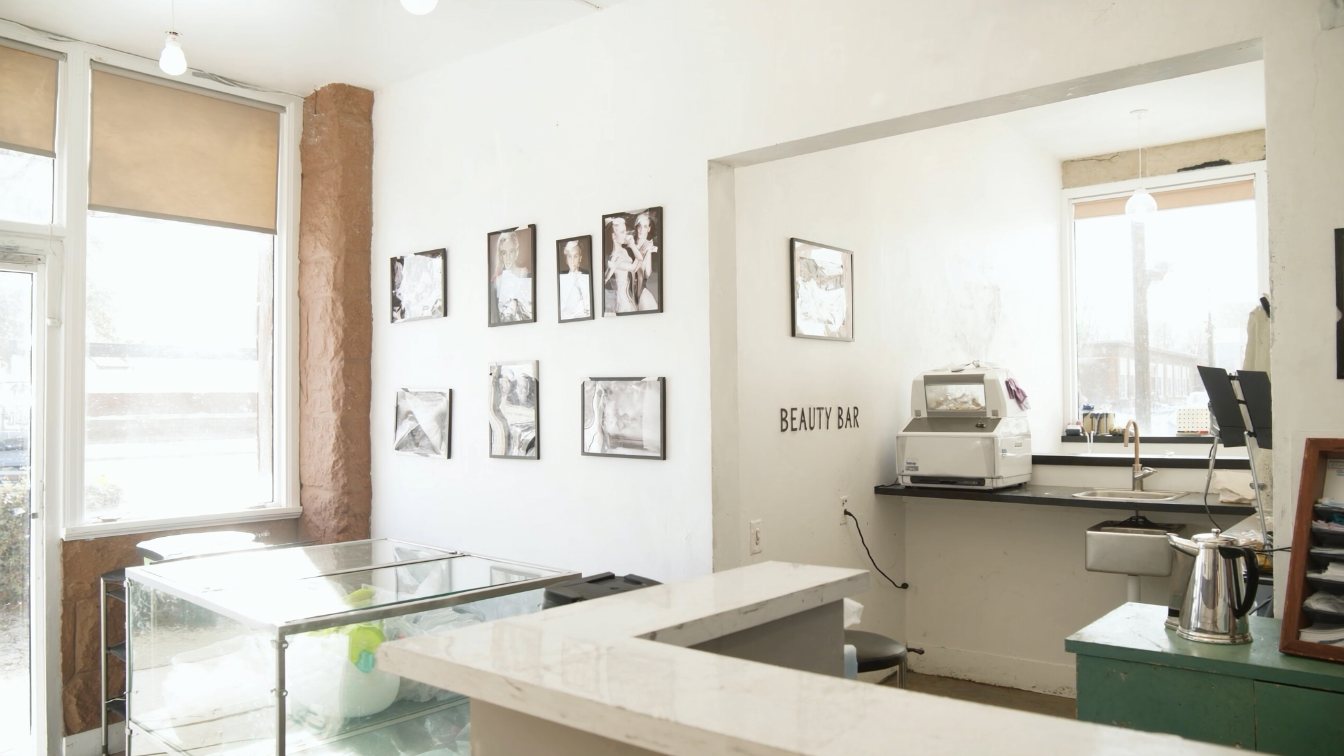
A tattoo studio in Ontario must meet the setting rules in O. Reg. 136/18: smooth, impermeable, easily cleaned surfaces; potable hot and cold running water under pressure; a sink used only for hand washing; and, because tattooing uses reusable equipment, a separate reprocessing sink that is not in a room with a toilet and is separated from where tattoos are done. The hair-only exemption does not apply. Sharps must be sterile, single-use and disposed of in CSA-compliant containers; sterilizers must meet Health Canada and CSA standards and be tested at least every two weeks unless public health directs otherwise. Toronto adds its own minimums and $1,000,000 insurance. The studio cannot be part of a room used as a dwelling or for food.
The setting rules that shape a floor plan
Section 8 of O. Reg. 136/18 applies to every personal service setting, and a tattoo studio has to meet all of it:
- no condition that may be a health hazard;
- floors, walls, ceilings, fixtures and furniture in good repair and made of smooth, impermeable, easily cleaned material;
- not a room or part of a room used as a dwelling, including for dining, sleeping or preparing or storing food;
- potable hot and cold running water under pressure;
- at least one sink used only for hand washing, conveniently located to the work area, always accessible, with soap in a dispenser and single-service towels or a hot air dryer nearby;
- lighting and ventilation sufficient for safe service;
- waste receptacles, including biomedical waste;
- work surfaces that can readily be cleaned and disinfected or sterilized, and adequate storage.
In practice that rules out carpet, fabric-covered furniture at stations and a hand sink shared with the washroom.
The reprocessing sink: no exemption for tattooing
Any setting using reusable equipment needs a sink, separate from the hand sink, that can immerse the largest piece of reusable equipment, has hot and cold running water, has counter space to prepare equipment, is not in a room with a toilet, and is far enough from the service area to prevent contamination (section 8(3)). The exemption in section 8(6) covers only settings that provide nothing but hairdressing or barbering, so a tattoo studio always needs it.
The usual design is a small back room with the reprocessing sink, the sterilizer and clean storage, kept apart from the stations and the washroom. When I walk a unit for a studio, the first thing I check is whether there is room and plumbing for that back room without taking space from the stations.
Sterilizers, sharps and waste
- Sharps used for invasive procedures must be sterile, single-use and from packaging that has not been opened or damaged (section 10(6)), and go straight into a sharps container close to where the service is provided.
- Sharps containers must comply with Canadian Standards Association standards and be disposed of under the Environmental Protection Act rules (section 10(8)).
- Sterilizers must suit the equipment and meet Health Canada and CSA standards (section 10(9)); without other direction from public health, they are checked and tested at least once every two weeks (section 10(10)). A failed test triggers written notice to everyone providing services and an alternate method.
- Waste, including biomedical waste, is removed as often as needed to keep the setting sanitary (section 8(4)).
Toronto’s licensing chapter adds that tables and chairs where clients sit or lie have smooth, impervious top surfaces, work areas are well lit, sterilizers are monitored by spore testing and temperature indicators, and single-use items are used on one person only. You need space for all of it, and a waste pickup contract.
Zoning and the takeover shortcut
Toronto’s Zoning By-law 569-2013 does not define a tattoo studio. The closest defined use is a personal service shop, “premises used to provide personal grooming services or for the cleaning or care of apparel,” and whether a tattoo studio falls within it for your zone is a question to put to the City’s zoning examiner in writing before you sign a lease.
If you take over an existing studio with a valid Toronto licence, or one that expired less than three years ago, in the same category, the City does not require zoning approval for the licence. Other GTA municipalities have their own definitions and licensing by-laws; check locally. For the licence and insurance side, see buying a tattoo studio in Ontario.
Building Code, renovations and accessibility
Toronto requires a building permit for a change of use even with no construction, and new plumbing for the hand and reprocessing sinks, electrical work and new walls need permits. The Ontario Association of Architects’ occupancy guide places barber and hairdressing shops and beauty parlours in the commercial group; ask your architect how the Building Code treats your studio.
O. Reg. 136/18 requires written notice to the medical officer of health at least 14 days before starting a reconstruction or renovation if you will close during the work, and notice before starting if you will keep working. Adding services such as piercing also needs 14 days’ notice, and in Toronto a new endorsement with 30 days’ notice.
On accessibility, every business with at least one employee must provide accessible customer service; the Design of Public Spaces standards apply only to new construction and renovated public spaces.
The lease clauses a studio needs
- Permitted use naming tattooing and, if offered, piercing. Some landlords list tattoo studios as a prohibited use in plaza leases; check the whole lease, not just the use clause.
- Plumbing: the landlord’s consent to two sinks and a dedicated back room.
- Waste: storage and pickup of biomedical and sharps waste.
- Privacy: window treatments and screens for clients being tattooed.
- Insurance: landlord requirements that match or exceed the City’s $1,000,000.
- Restoration and assignment: what must be removed at the end, and how you can sell later.
For comparison, a salon’s requirements are lighter; see hair salon and barbershop premises. For another regulated clinical space, see dental office space.
Where I fit
I help studio owners across the GTA find units that can take the plumbing and layout a studio needs, and read the lease before they sign. There is no tattoo-specific estimator on my site; the AI retail store value estimator gives a first range if you are thinking of buying a storefront unit. Then book a call or phone 833-330-1925.
Frequently asked questions
Does a tattoo studio need two sinks in Ontario?
Yes. O. Reg. 136/18 requires a sink used only for hand washing, and any setting that uses reusable equipment also needs a separate reprocessing sink that is not in a room with a toilet. Only hairdressing or barbering-only settings are exempt from the reprocessing sink.
How often must a tattoo studio test its sterilizer in Ontario?
At least once every two weeks, unless a medical officer of health or public health inspector directs otherwise, under section 10 of O. Reg. 136/18. Toronto also requires monitoring by spore testing and temperature indicators, and records of every sterilizer use and spore test.
Can I run a tattoo studio from my home in Ontario?
O. Reg. 136/18 allows services in part of a dwelling, but the rooms used cannot be used for living, sleeping or food, and all setting rules apply, including both sinks. Zoning for a home business is local, so check with your municipality first.
Is a tattoo studio allowed in a Toronto retail zone?
Toronto’s Zoning By-law 569-2013 does not define a tattoo studio. Ask the City’s zoning examiner whether it falls under a personal service shop in your zone. Taking over a licensed studio avoids zoning approval for the licence if the old licence is valid or expired under three years ago.
Do I need to notify public health before renovating a tattoo studio?
Yes. Under O. Reg. 136/18, give the medical officer of health written notice at least 14 days before a renovation if you will close during the work, and notice before starting if you will keep working. Adding a service also needs 14 days’ notice, and in Toronto a new endorsement.
What should a tattoo studio lease include?
A use clause naming tattooing and any piercing, no conflicting prohibited-use clause elsewhere in the lease, the landlord’s consent to the sinks and back room, biomedical waste arrangements, privacy for clients, insurance terms that match the City’s $1,000,000 requirement, and fair restoration and assignment terms.
Sources
- O. Reg. 136/18, Personal Service Settings — e-Laws — notice, setting, equipment and records rules
- City of Toronto — Municipal Code Chapter 545, Licensing — licences are not transferable; licence categories
- City of Toronto — Personal services settings licence — fees, C of Q, $1,000,000 CGL, 14-day notice
- City of Toronto — About BodySafe — inspection frequency by risk
- City of Toronto — Zoning By-law 569-2013, Chapter 800 definitions — use definitions
- Ontario Association of Architects — Guide to Occupancies — Building Code occupancy examples
- City of Toronto — When do I need a building permit? — change of use needs a permit even with no construction
- Government of Ontario — Accessibility rules for businesses and non-profits — rules by employee count; compliance report due 31 December 2026
Related reading
- Buying a tattoo studio in Ontario
- Hair salon and barbershop premises in Ontario
- Dental office space in Ontario
- Bakery premises requirements in Ontario
- AI retail store value estimator
- Cap rate calculator
About the author — Jatin Dua, Toronto and GTA real estate broker
I am Jatin Dua, Broker of Record and co-founder of RE/MAX Quantum Realty Inc., Brokerage, Unit 101, 799 The Queensway, Toronto. I work with buyers and sellers across Toronto and the GTA and have helped more than 100 families sell. Four-plus years of active GTA transactions and over $100 million in sales volume. Every figure here comes from a published table, regulator or statute linked in the sources, so you can check all of it without asking me.
Reach me at connect@jatindua.com or 833-330-1925, or book a call.