
Published 18 October 2026 · By Jatin Dua, Broker of Record, RE/MAX Quantum Realty
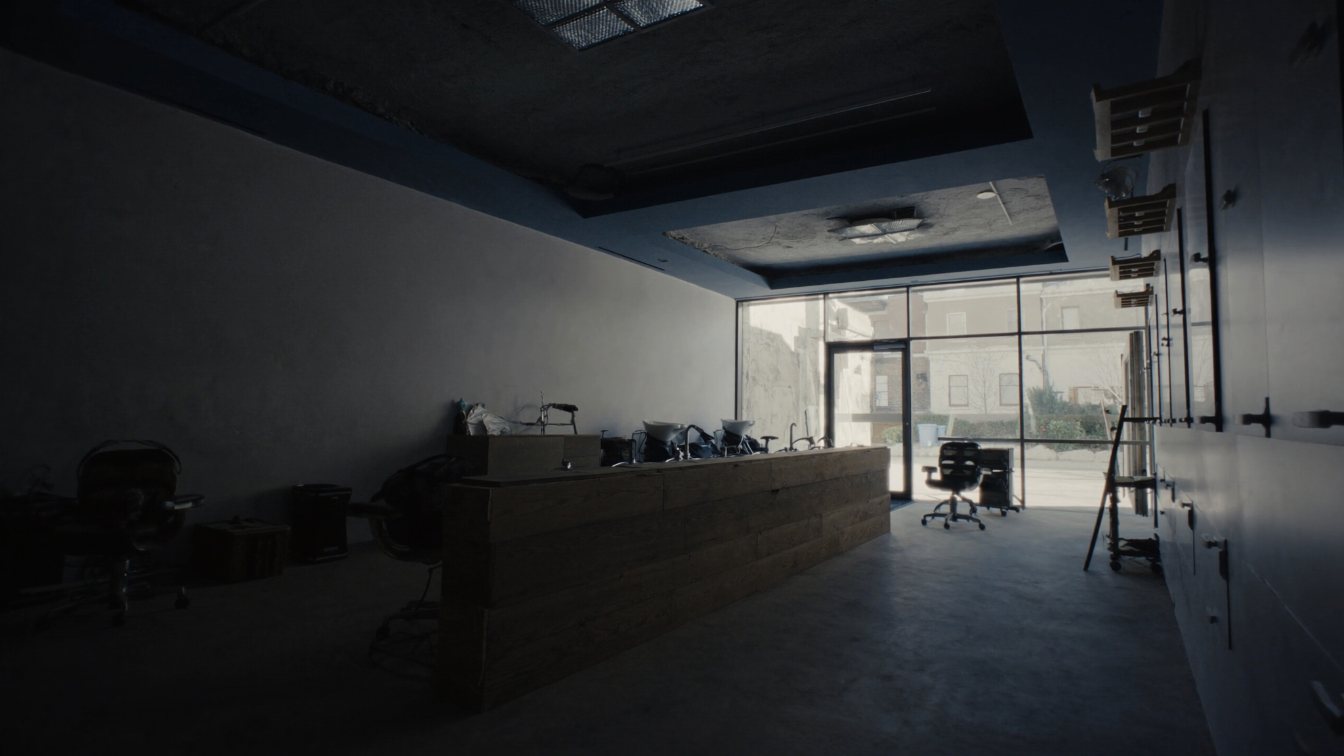
A nail salon in Ontario is a personal service setting under O. Reg. 136/18. The unit needs smooth, impermeable, cleanable surfaces, potable hot and cold running water under pressure, a sink used only for hand washing near the stations, and, because nippers, pushers and files are reused, a separate reprocessing sink that can immerse your largest tool, is not in a washroom and sits away from the service area. Ventilation must be enough for safe service, which in practice means source capture for acrylic dust and solvent vapour. You must notify public health 14 days before opening. Toronto requires a Personal Services Settings licence, Mississauga has its own personal services licence, and other GTA cities set their own rules.
Looking for nail salon space in Toronto or the GTA? Tell me what you need and I will send you units that fit, with the zoning and the lease checked before you commit.
What O. Reg. 136/18 requires of a nail salon unit
Every nail salon, nail bar and pedicure spa in Ontario is a personal service setting regulated by O. Reg. 136/18, and health units across the GTA inspect manicure and pedicure services under it. Section 8 sets the physical standard for the space:
- floors, walls, ceilings, fixtures and furniture in good repair, easily cleanable, smooth and impermeable;
- not a room or part of a room used as a dwelling, or for preparing, selling, eating or storing food;
- potable hot and cold running water under pressure;
- at least one sink used only for hand washing, conveniently located to the work area and accessible at all times, with soap in a dispenser and single-service towels or a hot air dryer beside it;
- lighting and ventilation sufficient for sanitary operation and safe service;
- waste receptacles, work surfaces that can be cleaned and disinfected, and adequate storage.
Toronto Public Health’s BodySafe guidance adds that waiting-room furniture counts too, and that fabric is not acceptable. The tufted velvet bench in the listing photos is a problem, not an asset. Section 7 of the regulation also bans fish pedicures outright, so a concept built around them will not get past the first inspection.
Sinks and pedicure plumbing: plan these before you sign
Plumbing decides more nail salon deals than rent does. You need three kinds of water point, and they cannot double up:
- Hand-wash sink. Dedicated, within a couple of steps of the stations (BodySafe’s wording), and on each floor where you provide services. A manicure bowl or pedicure tub is not a hand sink.
- Reprocessing sink. Required by section 8(3) wherever reusable equipment is used. It must immerse the largest reusable item, have hot and cold water under pressure and counter space, not be in a room with a toilet, and be separated from where services are provided. The hairdressing-only exemption in section 8(6) does not apply to a nail salon. BodySafe also asks for one-way flow from dirty to clean.
- Pedicure supply and drainage. York Region Public Health separates recirculating units (chairs or tubs with jets that connect to plumbing) from non-recirculating basins that are filled and drained by hand. Plumbed pedicure chairs need hot and cold supply and a drain at each chair, which in a slab-on-grade plaza often means trenching the floor.
Before you make an offer, ask the landlord where the existing sanitary and water lines run and how deep the drain is. A unit with plumbing only at the back washroom can still work for basins you fill and drain by hand. Plumbed chairs along the front window may cost you more in concrete cutting than a year of rent difference.
Key takeaway
Pick your pedicure equipment before you pick the unit. Plumbed whirlpool chairs, pipeless chairs and portable basins need very different plumbing, and the drain location in the slab decides which ones are affordable in that space.
Ventilation for acrylic, gel and solvent vapours
The regulation’s ventilation test is a performance one: it has to be sufficient for safe service. It does not give an air-change number, so the inspector, your HVAC designer and your landlord’s base-building system all come into it. The exposure is real. A study of Toronto nail technicians by the Occupational Cancer Research Centre detected acetone, ethyl acetate, methyl methacrylate, n-butyl acetate and toluene in every personal air sample, plus formaldehyde and plasticizers.
Three rules shape the design:
- Employer duty. If you have staff, Reg. 833 under the Occupational Health and Safety Act requires you to keep exposure within the Ontario or ACGIH limits, using substitution, engineering controls, work practices and, if those are not enough, protective equipment, in that order.
- Product choice. York Region’s manicure and pedicure fact sheet says nail adhesives containing methyl methacrylate (MMA) must not be used, because MMA is not permitted in Canada. Buy compliant product and keep the safety data sheets on file.
- Dust. York notes that electric files can put particles, including fungus and body fluids, into the air. That is another reason to capture dust at the table.
In practice that means extraction at the table (ventilated nail tables or downdraft units ducted outside, not just a filter box that recirculates the air) and enough make-up air so the exhaust actually works. Ask the landlord now whether you can run ducts through the roof or an exterior wall, who owns the rooftop unit, and whether its capacity can carry the extra load. In a mixed-use building, the exhaust outlet may need to sit well away from residential windows and fresh-air intakes. That is a design and approvals question, so get a mechanical designer to confirm it before you waive conditions.
Licences and inspections before you open
| Item | Why it matters | Who to ask |
|---|---|---|
| Notice to public health | O. Reg. 136/18 s. 3: written notice at least 14 days before opening, listing your services. Also 14 days before adding a service, or before a renovation if you close for it. | Toronto: [email protected]. Peel and York: online notification forms |
| Toronto PSS licence | Manicures and pedicures need a Personal Services Settings licence. The City lists a $211.73 application fee plus a $239.18 licence fee ($450.91 total), and a $296.45 renewal. | Municipal Licensing & Standards |
| Mississauga licence | Nail salons need a personal services business licence. You need health clearance from the Region of Peel, a Zoning Certificate of Occupancy and at least $2 million in general liability insurance. | Mississauga Business Licensing |
| Other GTA cities | Brampton, Vaughan, Markham and Oakville each set their own business licensing rules. Ask the city’s licensing office whether a nail salon needs a licence and what it requires. | That city’s licensing office |
| Inspection posting | Section 4 of the regulation requires you to post results as the inspector asks. Toronto requires the latest BodySafe notice at or near the entrance (Chapter 545). | The health unit for your area |
Toronto rates manicures and pedicures as semi-critical services, likely inspected once a year and on complaint, with results published on BodySafe. Ask the health unit to look at your floor plan before the contractor starts building. The full inspection process is covered in my guide to personal service setting inspections in Ontario.
One timing detail for Toronto. The City’s licence page asks for 14 days’ notice before you change your services. Chapter 545, s. 545-516 C still says 30 days for a change in the class of service, for example adding waxing (aesthetics). If you plan to add services, give 30 days.
Zoning: confirm the use before you sign
In Toronto, Zoning By-law 569-2013 defines a personal service shop as premises used to provide personal grooming services. A nail salon fits that definition, but whether it is permitted depends on the zone and any site-specific exceptions on that property. Ask the City’s zoning staff to confirm the use for that exact address in writing before you firm up.
The licence page also notes that zoning approval is not needed if you take over a business with a valid licence, or one that expired less than three years earlier. A unit that was a licensed nail salon last year is worth more to you than an identical one that was a cellphone store.
In Mississauga, the licence itself requires a Zoning Certificate of Occupancy, so zoning gets checked either way. Get written confirmation, and read the landlord’s permitted-use clause as carefully as the by-law. My use clause guide explains why.
Building permit, plumbing and electrical for the fit-out
New plumbing lines and new partitions generally mean a building permit. Ask the municipality’s building department what your drawings will need. If the previous use was something other than personal services, also ask whether the city treats your plan as a change of use. My guide to change of use permits for commercial tenants explains how that works.
Electrically, count your loads: UV/LED lamps, e-files, a sterilizer or ultrasonic cleaner, heated pedicure chairs, towel warmers and the extraction fans. Older plaza units often have a small panel. Hire a licensed electrical contractor, and get the panel size and any upgrade cost in writing before you waive conditions.
Watch out
Do not let a contractor build the stations before public health has seen the layout. A hand sink in the wrong place, or a reprocessing sink inside the washroom, is a section 8 failure that is expensive to move once the floor is closed and tiled.
The lease clauses that matter for a nail salon
- Permitted use. Spell it out: manicures, pedicures, nail enhancements including acrylic, gel and dip, nail art, and any waxing or lash work you may add. A use clause that just says “nail salon” can be read narrowly later.
- Exhaust and HVAC rights. The right to cut and duct through the roof or wall, add or upsize equipment, and run exhaust during all business hours, with the landlord’s approval not unreasonably withheld.
- Odour and nuisance. Many plaza leases have an odour clause. Get it to recognize normal nail-salon odours from compliant, ventilated operation, and set a cure period before default.
- Landlord’s work. Ask the landlord to supply hot and cold water, drain stubs or a trench allowance, a separate water heater if needed, and electrical service sized to your list.
- Conditions. Make the offer conditional on zoning confirmation, the city’s personal services licence and the health unit’s layout review.
- Exclusive. If the plaza is your market, ask for an exclusive on nail services. Check that no existing tenant already has one.
- HVAC maintenance. Make clear who maintains and replaces the rooftop unit, so a failed compressor in July is not entirely your cost.
- Assignment. Nail salons are resold often. Get consent to assign or sublet “not to be unreasonably withheld”, and an allowance to assign to a buyer of the business who meets set financial tests.
- Restoration. Limit any end-of-term obligation to remove ductwork, trenching and sinks, or agree that they stay.
Deal-killers to check on a viewing
- No realistic path for exhaust: no roof access, a residential tower above, or a landlord who refuses penetrations.
- Drains only at the back, combined with a plan for plumbed pedicure chairs at the front.
- A neighbour with a food use or a clinic who is likely to complain about odours, or an existing exclusive on nail services.
- Zoning that does not permit a personal service shop at that address, or a lease use clause that excludes “beauty services”.
- A 100-amp panel with no upgrade path.
- Carpet, drop-ceiling tiles stained by old leaks, or porous surfaces you would have to replace to meet section 8.
If the unit was a salon before, ask for the last public health inspection result and the old floor plan. The comparison with my hair salon premises guide is useful too, because hair-only salons are exempt from the reprocessing sink and nail salons are not.
Where I fit
I help nail salon owners across Toronto, Mississauga, Brampton, Vaughan and the rest of the GTA find units that can take the plumbing and ventilation before anyone signs. I check zoning, read the use, exclusive and HVAC clauses, and push for landlord’s work and approval conditions that protect your opening date. If you are buying an existing salon, my retail store valuation tool is a quick place to start.
Find me nail salon space
Tell me the area, size, budget and timing, plus how many stations and pedicure chairs you need, and I will send units that can take the plumbing and exhaust.
I will come back to you personally, usually the same day, with spaces that fit. If it is urgent, call or text 833-330-1925.
Frequently asked questions
Does a nail salon need a reprocessing sink in Ontario?
Yes, in almost every case. Section 8(3) of O. Reg. 136/18 requires a second sink, not the hand sink, wherever reusable equipment such as nippers, pushers or metal files is used. It must immerse the largest item, have hot and cold water and counter space, not be in a washroom, and be separated from service areas. The exemption is only for hairdressing or barbering-only settings.
What ventilation does a nail salon need in Ontario?
O. Reg. 136/18 requires ventilation sufficient for sanitary operation and safe service. It does not give a fixed air-change rate. If you employ staff, Ontario's Reg. 833 also requires engineering controls to keep chemical exposure within legal limits. In practice that means extraction at the table, ducted outside, plus enough make-up air, designed by a mechanical professional and approved by the landlord.
Do I need a licence to open a nail salon in Toronto?
Yes. Toronto requires a Personal Services Settings licence for manicures and pedicures. The City lists a $211.73 application fee and a $239.18 licence fee, with a $296.45 annual renewal. You also need to notify Toronto Public Health at least 14 days before opening, and zoning approval for most new locations.
How much notice does public health need before a nail salon opens?
At least 14 days in writing, under section 3 of O. Reg. 136/18. The notice must include the setting's name and location, the operator's contact information and the list of services. The same 14 days applies before adding services, and before a renovation if you close during it. Toronto, Peel and York each have an email or online form for this.
Is acrylic with MMA allowed in Ontario nail salons?
No. York Region Public Health's manicure and pedicure fact sheet says nail adhesives containing methyl methacrylate (MMA) must not be used because MMA is not permitted in Canada. Buy from suppliers who can show a compliant formulation, keep the safety data sheets on file, and still ventilate, because the other solvents in nail products are present as well.
Can I open a nail salon in a Mississauga plaza?
Usually, if zoning permits it. Mississauga requires a personal services business licence, health clearance from the Region of Peel, a Zoning Certificate of Occupancy and at least $2 million in general liability insurance. Peel Public Health also wants 14 days' notice before you open. Confirm the zoning for the specific unit before you waive conditions.
Are plumbed pedicure chairs worth the extra build-out cost?
It depends on the unit. Plumbed recirculating chairs need water and a drain at each chair, and York Region's fact sheet sets after-every-client and daily cleaning steps for their piping and filters. Basins you fill and drain by hand avoid trenching the slab. Get a plumber's quote for the specific unit before choosing equipment.
Sources
- Ontario e-Laws — O. Reg. 136/18, Personal Service Settings (Health Protection and Promotion Act) — premises, sinks, notice, records, prohibited services
- City of Toronto — Personal Services Settings licence — Toronto licence, fees, notice, zoning takeover rule
- City of Toronto — Municipal Code Chapter 545, Licensing (Article XLIV, Personal Services Settings) — posting of inspection notice, 30-day class change
- Toronto Public Health — About BodySafe — risk ratings, inspection frequency, disclosure
- Toronto Public Health — BodySafe general requirements for personal service settings — hand sink placement, one-way flow, no fabric furniture
- York Region Public Health — Aesthetic Manicures and Pedicures fact sheet — pedicure units, single-use items, MMA not permitted
- Occupational Cancer Research Centre — Occupational exposures among nail technicians in Toronto — chemicals measured in Toronto nail salons
- Ontario e-Laws — R.R.O. 1990, Reg. 833, Control of Exposure to Biological or Chemical Agents — employer duty to control chemical exposure
- City of Mississauga — Personal services business licence — Mississauga licence, Peel clearance, insurance
Related reading
- Hair salon and barbershop premises in Ontario
- Lash, brow and threading studio premises
- Day spa premises in Ontario
- Personal service setting inspections in Ontario
- The commercial lease use clause
- The use clause in a commercial lease
About the author — Jatin Dua, Toronto and GTA real estate broker
I am Jatin Dua, Broker of Record and co-founder of RE/MAX Quantum Realty Inc., Brokerage, Unit 101, 799 The Queensway, Toronto. I help business owners across Toronto and the GTA find, assess and lease commercial space, and I work with buyers and sellers of homes and businesses. Four-plus years of active GTA transactions and over $100 million in sales volume. Every rule here comes from a regulator, statute or by-law linked in the sources, so you can check all of it without asking me.
Reach me at [email protected] or 833-330-1925, or book a call.