

Published 10 September 2026 · By Jatin Dua, Broker of Record, RE/MAX Quantum Realty
A special assessment is a lump sum charged to owners when a corporation needs money the reserve fund does not have. It is almost never a genuine surprise to the board — the reserve fund study usually flagged the work years earlier. The status certificate must disclose an assessment that has been levied and one that is contemplated, and that second word is the one buyers skim past. Read three years of fee history, the reserve fund balance against the study, the minutes if you can get them, and the building’s age against the standard replacement cycles.
What a special assessment actually is
Ontario condominium corporations fund major repair and replacement of the common elements through a reserve fund, built up from a portion of every owner’s monthly common expenses under a funding plan derived from a reserve fund study. When the fund cannot cover work that must be done, the board can levy a special assessment: a charge to owners, over and above regular fees, allocated in the same proportions as common expenses.
It is not a penalty and it is not a fine. It is the bill arriving for work that was not saved for — or occasionally for genuinely unforeseeable damage. Amounts in Ontario range from a couple of thousand dollars per unit to well into five figures for envelope or garage failures in larger buildings. It is payable whether or not you can afford it, and unpaid amounts can become a lien on the unit.
The four causes, in order of frequency
- Chronic underfunding of the reserve. Boards keep fees artificially low because owners like low fees, and the study’s recommended contribution is never fully adopted. Ten years later the garage membrane fails.
- A big-ticket item arriving early or costing more than modelled. Construction cost inflation has been unkind to reserve fund studies written before it.
- Insurance. A large deductible on a significant claim, or a renewal that reprices the corporation’s risk sharply.
- Litigation or construction deficiency disputes, particularly in newer buildings where the corporation is pursuing or defending claims.
The warning signs, in the order you can see them
1. The reserve fund balance against the building’s age
This is the single most informative comparison available to a buyer. A corporation registered in 1979 that is about to face garage membrane work, window replacement and elevator modernisation needs a materially larger fund than a 2019 building whose first big cycle is decades away. If the fund looks small in absolute terms for a building at the wrong end of its cycles, that is your answer.
2. The reserve fund study, and how old it is
Studies are updated on a statutory cycle. Ask when the last update was and what the funding plan requires. If the plan calls for annual contribution increases and the budget has not delivered them, the gap is being carried forward to somebody — possibly you.
3. Three years of fee history
A corporation raising fees gently and consistently is funding itself. One that held fees flat for three years is deferring, and deferral compounds. A sudden mid-year increase outside the normal budget cycle is a board that ran out of room.
4. The word “contemplated” in the status certificate
The certificate must address special assessments that have been levied. It must also address ones the board is aware of or has contemplated. Buyers read the first and skim the second. Ask your lawyer to point to the exact language and to tell you plainly whether anything is flagged.
5. The physical building
Walk it before you offer, and look at the parts nobody stages:
- The underground garage. Efflorescence on the ceiling, rust staining, spalling concrete, propped-up sections, or a fresh patch that looks like triage rather than repair. Garage membrane work is one of the largest reserve items in a mid-rise or high-rise.
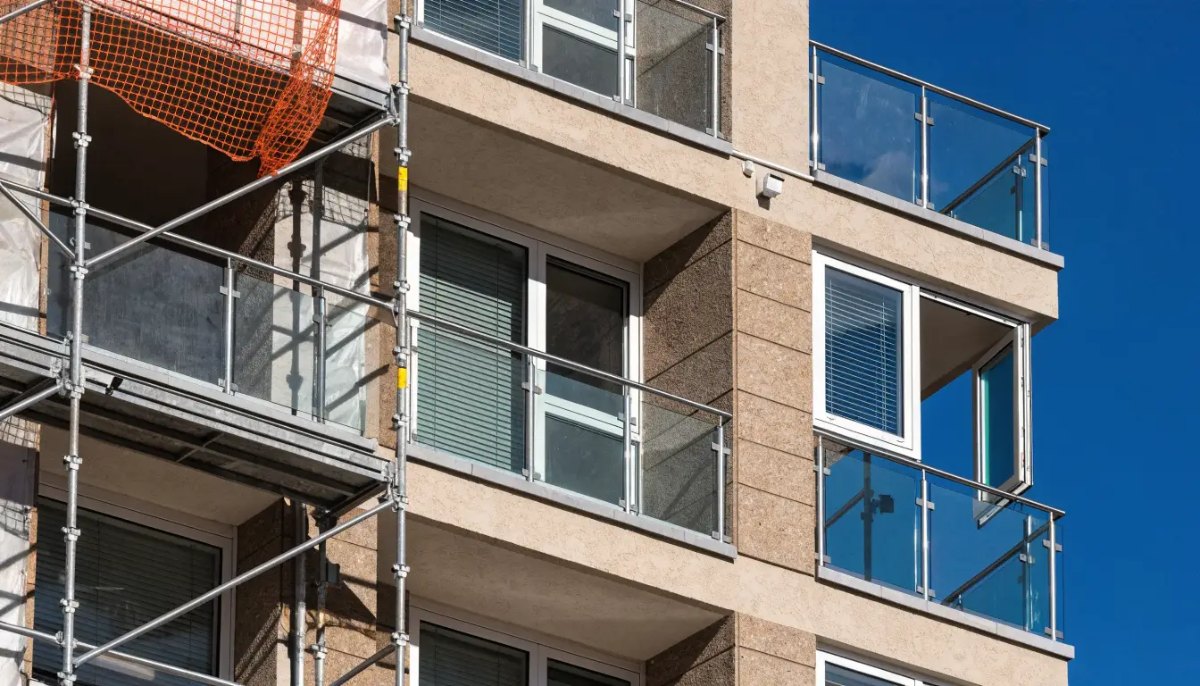
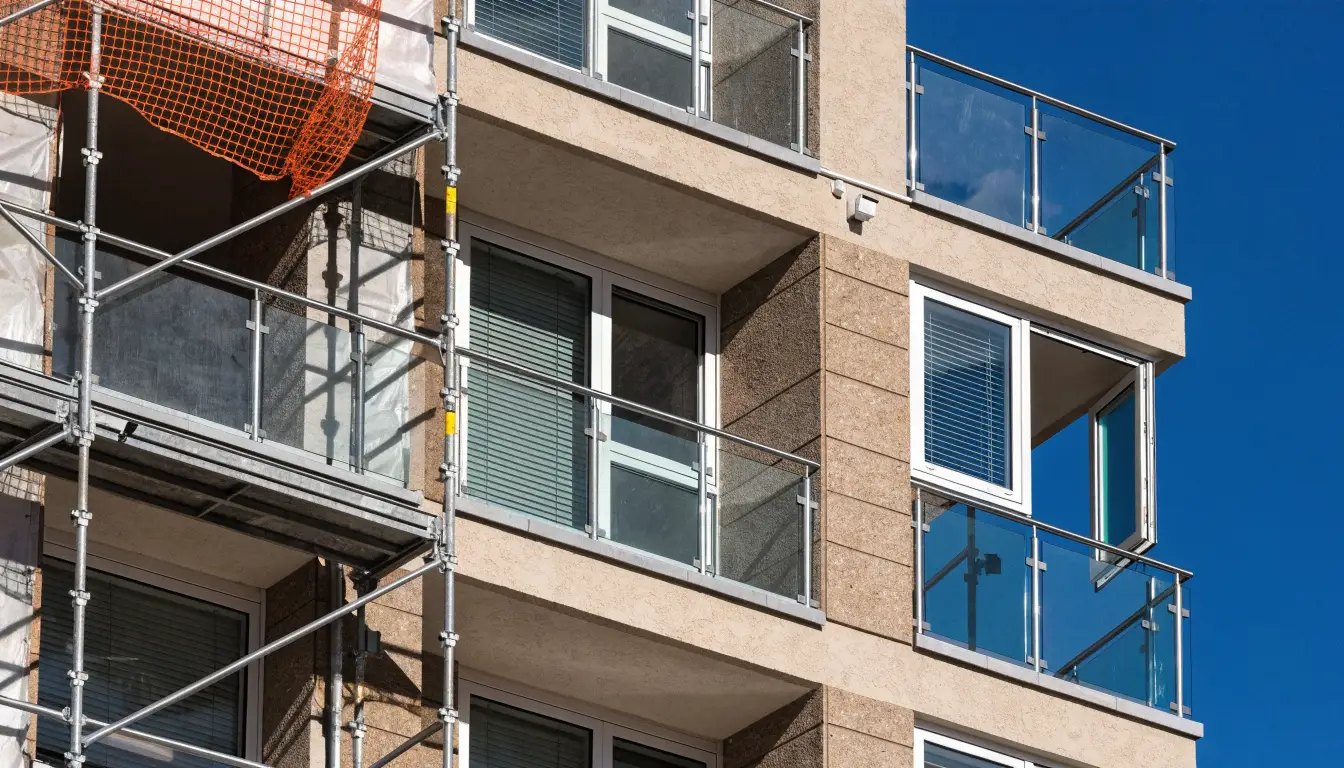
- The balconies and window wall. Sealant failure, staining, fogged sealed units, or scaffolding.
- The corridors and lobby. A building that has not been refreshed in twenty-five years has an unspent corridor line item — which is fine if the money is there and a warning if it is not.
- The mechanical rooms and elevators. Age of equipment, and whether the elevators have been modernised.
- The roof, if you can see it. Ask when it was last replaced.
Thinking about buying or selling here?
I work this area every week and I will give you a straight answer, including when the answer is to wait. No pressure, and no drip campaign you cannot get out of.
Call or text 833-330-1925 Send me a message
Jatin Dua, Broker of Record — RE/MAX Quantum Realty Inc., Brokerage. Not intended to solicit buyers or sellers currently under contract with another brokerage.
Typical replacement cycles to check against
| Component | Typical service life | Why it matters |
|---|---|---|
| Flat roof membrane | 20–30 years | Large, unavoidable, and leaks make it urgent |
| Underground garage membrane and structure | 25–40 years | Often the single largest reserve item |
| Elevator modernisation | 25–30 years | Long, disruptive, expensive, and hard to defer |
| Window wall and sealed units | 25–40 years | Dominant cost in glass towers; worse near the lake |
| Boilers and chillers | 20–30 years | Failure is a comfort emergency, not a scheduled project |
| Balcony guards and slabs | 25–40 years | Safety-driven, so timing is not negotiable |
| Corridor and lobby refurbishment | 15–25 years | Deferrable, which is exactly why it hides deferral |
| Parking structure and asphalt | 15–25 years |
Take the year of registration, add the cycle, and see what lands in the next five years. Then check whether the reserve fund plausibly covers it. This is rough arithmetic, not engineering — but it identifies the buildings that deserve a much closer look.
If you are buying: the protection
Keep a status certificate review condition wherever the market allows it, and ask for ten to fifteen business days — the corporation has statutory time to produce the certificate and your lawyer needs time to read it. The fee for the certificate is capped at $100 including taxes. Instruct your lawyer specifically to report on:
- the reserve fund balance and what the current study’s funding plan requires;
- any special assessment levied, and any the board has contemplated;
- any increase in common expenses since the budget was approved;
- legal proceedings the corporation is party to;
- the corporation’s insurance and, in particular, the deductible;
- arrears on the unit you are buying.
Where the documents are available, the minutes of recent board meetings are more candid than any other source. They are where a problem is discussed before it is disclosed.
If one lands while you own
- Read the notice and the supporting material properly. Boards generally circulate an explanation, an engineer’s report or a scope of work. Understand what is being repaired and why now.
- Ask about payment options. Many corporations allow instalments, and some borrow so the cost is spread. Both usually require owner approval or a by-law, so timing matters.
- Go to the meeting. Assessments are decided by boards elected by owners. The people who attend are the people who influence the outcome.
- Do not simply refuse to pay. Arrears can result in a lien on your unit and strong collection remedies, and they surface immediately on any future status certificate.
- Think carefully before selling to escape it. A levied or contemplated assessment must be disclosed on the status certificate, so buyers will find out and price it in. Selling mid-assessment usually costs more than paying it.
- Speak to your insurer. Some unit policies include limited loss assessment coverage. It is not broad, but it is worth checking.
Ten minutes of due diligence that is worth thousands
- Find the year of registration. Add the standard cycles. See what is due within five years.
- Get three years of fee history from the listing brokerage.
- Walk the underground garage and look up.
- Look at the balconies and window seals from outside the building.
- Ask directly: has there been a special assessment in the last five years, and is one contemplated?
- Have a lawyer read the status certificate and report on the reserve fund in plain English.
Frequently asked questions
What is a special assessment on a condo?
A lump sum charged to owners over and above regular common expenses, levied when the corporation needs money the reserve fund does not have — usually for major repair or replacement of common elements. It is allocated in the same proportions as common expenses, it is payable regardless of your circumstances, and unpaid amounts can result in a lien on the unit.
How can I tell if a condo is likely to have a special assessment?
Compare the reserve fund balance against the building’s age and the work its reserve fund study schedules for the next five to ten years. Look at three years of fee history: flat fees followed by a jump suggest deferral. Walk the underground garage and look at the balconies and window seals. Then have a lawyer read the status certificate and report on anything levied or contemplated.
Does the status certificate disclose special assessments?
Yes — both assessments that have been levied and ones the board is aware of or has contemplated. The second category is the one buyers miss, because it appears as cautious legal language rather than a number. Ask your lawyer to quote the exact wording and to tell you plainly whether anything is flagged.
How much can a special assessment be?
In Ontario, from a couple of thousand dollars per unit for a modest project to well into five figures for underground garage structural work, window wall replacement or a major envelope failure in a larger building. Your share is set by the proportions in the declaration, so a larger unit generally pays more.
Can I refuse to pay a special assessment?
No, not without serious consequences. Unpaid amounts are treated like unpaid common expenses: the corporation can register a lien against your unit and has strong collection remedies, and the arrears appear on any status certificate a future buyer orders. If paying is difficult, ask the board about instalments or a borrowing by-law rather than simply withholding.
Should I avoid buildings that have had a special assessment?
Not automatically. A corporation that has just completed and paid for major work may be in better shape than an identical building still deferring it. What matters is whether the work is done, whether the reserve fund has been restored, and whether the funding plan is now being followed. A completed assessment can be a positive signal about a board that faces problems.
Are older Etobicoke condos more likely to face assessments?
They are at the age where the large cycles land — garage membranes, window replacement, elevator modernisation, boilers. That does not make them bad buys; many of the 1970s and 1980s corporations here are well managed with strong reserves and offer far more space for the money. It does mean the reserve fund study is essential reading rather than optional.
Does insurance cover a special assessment?
Sometimes, partially. Some condominium unit policies include limited loss assessment coverage, which can respond where the assessment arises from an insured loss rather than from ordinary deferred maintenance. Coverage limits are usually modest and conditions apply. Ask your own insurer what your policy actually says before assuming it will help.
Sources
- Condominium Act, 1998 — reserve funds, reserve fund studies, common expenses, status certificates and liens. Accessed 10 September 2026.
- O. Reg. 48/01: General — reserve fund study requirements and the prescribed contents of a status certificate. Accessed 10 September 2026.
- Condominium Authority of Ontario — owner guidance on reserve funds, budgets and governance. Accessed 10 September 2026.
Related reading
- Condo maintenance fees in Etobicoke, explained
- What to look for in a condominium status certificate
- The Etobicoke condo buying guide
- Every Etobicoke condo building, by area
- Closing costs on an Etobicoke condo in 2026
About the author — Jatin Dua, Etobicoke real estate agent
I am Jatin Dua, Broker of Record at RE/MAX Quantum Realty Inc., Brokerage, Unit 101, 799 The Queensway in Etobicoke, with more than four years of active GTA transactions and over $100M in sales volume. I have read a great many Etobicoke status certificates, and the reserve fund page is the one I turn to first.
Reach me at connect@jatindua.com or 833-330-1925.