

Published 10 September 2026 · By Jatin Dua, Broker of Record, RE/MAX Quantum Realty
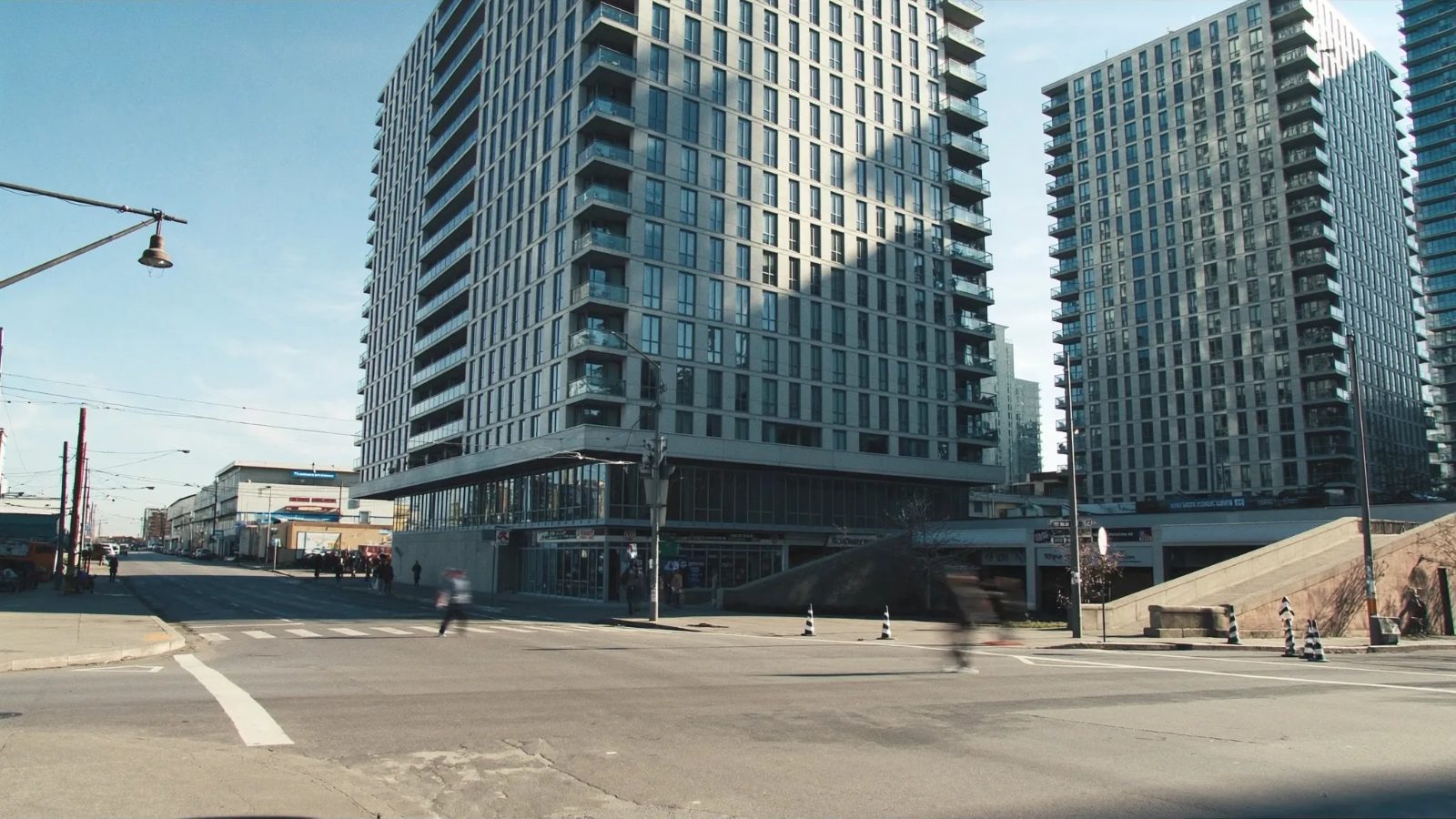
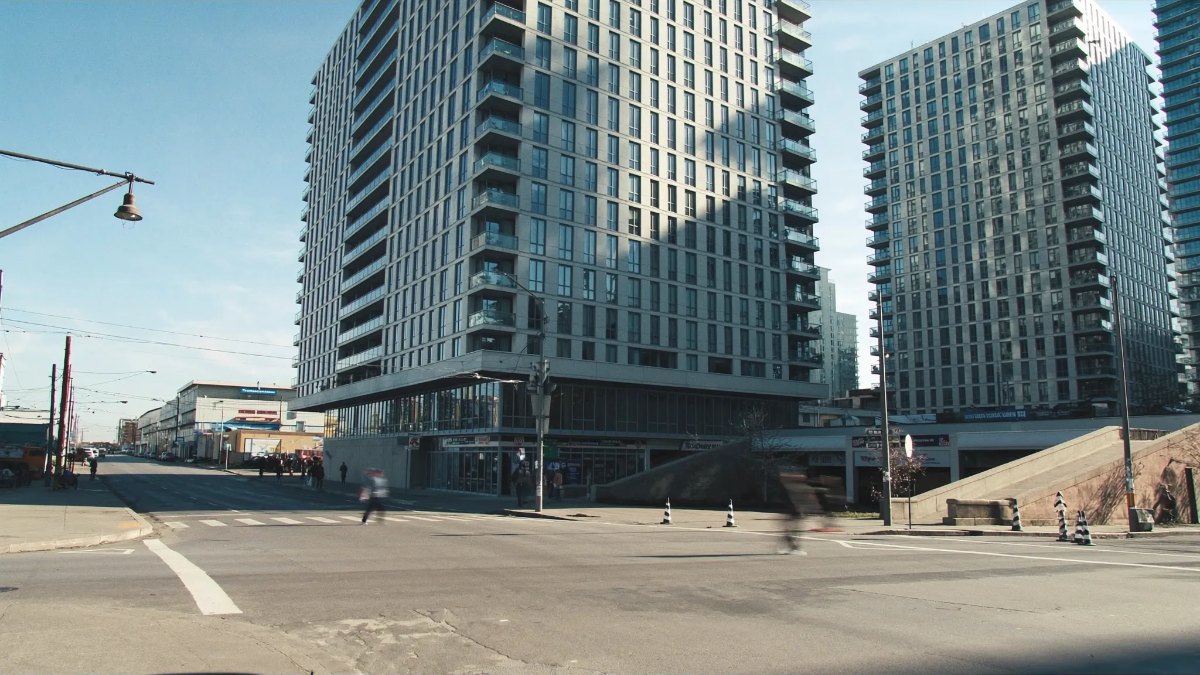
Islington City Centre West is Etobicoke’s designated downtown: the office and civic node around Bloor Street West between Islington and Kipling stations, with the Six Points intersection reconfigured to open up developable land. It offers something unusual in Etobicoke — two Line 2 subway stations and a GO and UP Express connection at Kipling — alongside two very different generations of condominium: 1970s and 1980s corporations with large suites, and newer towers with modern fees and thin reserve funds. Which generation you buy in changes the entire analysis.
What the area actually is
This is the part of Etobicoke that was planned to be its city centre, and it looks like it: office towers, the civic centre, big-box and plaza retail, wide arterials, and a transit interchange that is genuinely significant. Bloor Street West runs through it; Islington Avenue, Kipling Avenue, Dundas Street West and Highway 427 frame it.
Two things make it unusual within Etobicoke:
- Two subway stations. Islington and Kipling, both on Line 2. Kipling is also a GO Transit and UP Express connection and a major bus terminal, which makes it one of the best-connected points in the west end.
- Land that became developable. The Six Points interchange — the old grade-separated tangle of Bloor, Dundas and Kipling — was reconfigured into a conventional street grid, which freed up parcels and set up the area for the redevelopment that has followed.
The practical consequence for a buyer is that this is an area in transition. Some of what you see is finished, some is under construction, and some is still a parking lot with a proposal attached. That is an opportunity and a risk, and both belong in your decision.
Two generations of condominium, two different analyses
| 1970s and 1980s corporations | Newer towers | |
|---|---|---|
| Suite size | Substantially larger — often 30% to 60% more for the money | Efficient, smaller, modern layouts |
| Fees | Higher on paper, frequently all-inclusive | Lower on paper, utilities usually metered separately |
| Reserve fund | Mature, and doing real work — garages, windows, elevators | Still accumulating; first study updates typically raise the contribution |
| Amenities | Modest | Extensive, and paid for monthly |
| Parking | Usually plentiful | Often scarcer and sometimes rented rather than owned |
| Main risk | Major reserve work landing during your ownership | Fee escalation from a low base, and nearby construction |
| Main opportunity | Space per dollar that new construction cannot match | Modern efficiency, new systems, no immediate capital work |
Neither is better. But comparing a 1978 corporation’s $780 all-inclusive fee against a 2021 tower’s $520 plus metered hydro, and concluding the newer building is cheaper, is the mistake that gets made here constantly.
Thinking about buying or selling here?
I work this area every week and I will give you a straight answer, including when the answer is to wait. No pressure, and no drip campaign you cannot get out of.
Call or text 833-330-1925 Send me a message
Jatin Dua, Broker of Record — RE/MAX Quantum Realty Inc., Brokerage. Not intended to solicit buyers or sellers currently under contract with another brokerage.
What to check on the transit story
Transit is the reason most buyers are looking here, so verify rather than assume.
- Walk the route to the station yourself, at your own pace, at the hour you would actually travel. The difference between a five-minute and a fifteen-minute walk across wide arterials with long signal cycles is a real difference.
- Decide which station matters to you. Kipling adds GO and UP Express and the bus terminal; Islington is a step closer to the Bloor West and Kingsway side.
- Check the crossing. Wide arterials, big intersections and winter conditions all change the experience of a walk that looks short on a map.
- If you drive, test the 427 and Gardiner access at peak, not at 11 a.m. on a Sunday.
The status certificate questions that matter here
Under the Condominium Act, 1998 the fee for a status certificate is capped at $100 including taxes. It is the cheapest and most useful document in the transaction, and in this area it should be read with two specific questions in mind depending on the building’s age.
In an older corporation, ask: what does the reserve fund study schedule over the next ten years for the underground garage, the windows, the elevators and the boilers, and does the fund plausibly cover it? Has there been a special assessment in the last five years, and is one contemplated?
In a newer tower, ask: how old is the corporation, has the first reserve fund study update happened yet, and what did it do to the required contribution? Is the corporation party to any construction deficiency litigation? What have the fees done since registration?
In both cases: what the fee includes, whether the unit is separately metered, three years of fee history, arrears on the unit, and whether the parking space and locker are owned, exclusive use, or rented.
Closing costs
Islington City Centre is inside the City of Toronto, so both the provincial land transfer tax and the Toronto Municipal Land Transfer Tax apply, and neither can be added to your mortgage. On a $600,000 unit that is $8,475 plus $8,475 — $16,950 in cash. Budget 3% to 4% of the purchase price in cash overall on a resale, covering legal fees, disbursements, title insurance, the status certificate and its review, the reserve fund contribution of roughly two months of common expenses, and adjustments. First-time buyers can claim up to $4,000 provincially and up to $4,475 municipally; confirm eligibility and timing with your lawyer.
Before you offer
- Decide which generation of building you are buying in, and restrict your comparables to it.
- Walk to your station of choice and time it, at your commute hour.
- Find out what is proposed on the adjacent parcels.
- Get three years of fee history and confirm exactly what the fee includes.
- Have a lawyer read the status certificate and report on the reserve fund in plain English.
- Confirm parking and locker status in writing: owned, exclusive use, or rented.
- Ask directly whether any special assessment is levied or contemplated.
Market context
TRREB reported an average Etobicoke sale price of $1,049,793 across 243 sales in August 2026 across all property types; condominium apartments generally trade well below that average, and this area spans a wide range because of the two-generation split. Standing inventory here is typically higher than in the older suburban Etobicoke corporations further north and west, which gives buyers more choice and sellers more competition.
Frequently asked questions
Where is Islington City Centre West?
The office and civic node around Bloor Street West in Etobicoke, between Islington and Kipling subway stations, framed roughly by Islington Avenue, Kipling Avenue, Dundas Street West and Highway 427. It is Etobicoke’s designated downtown, and it includes the Six Points area reconfigured from the old grade-separated interchange into a conventional street grid.
Which subway stations serve the area?
Islington and Kipling, both on Line 2. Kipling is also a GO Transit and UP Express connection and a major bus terminal, which makes it one of the best-connected points in the west end. Walking distance from a given address varies considerably across wide arterials, so walk the route yourself at your own commute hour.
Should I buy an older or a newer building here?
They are different products. Older 1970s and 1980s corporations offer substantially larger suites, often with all-inclusive fees, and reserve funds actively working through garages, windows and elevators. Newer towers offer modern efficiency and lower headline fees with utilities metered separately, and reserve funds still accumulating from a low base. Compare true monthly cost and reserve fund health, not the headline fee.
Why are fees lower in the newer towers?
Mostly because the buildings are young, so the reserve fund contribution is still in its early accumulation years, and because utilities are usually separately metered so they appear on your own bills rather than in the fee. Expect faster percentage increases from that low base, particularly after the first reserve fund study update raises the required contribution.
Is there still construction happening in the area?
Yes. This is an active redevelopment node, and the reconfiguration of the Six Points interchange freed up developable parcels. That means opportunity and disruption in the same place. Before paying a premium for a view or for quiet, check what is zoned or under application on the adjacent parcels — the City’s development application records are public.
What are closing costs on a condo here?
Budget 3% to 4% of the purchase price in cash on a resale. Both land transfer taxes apply because this is inside the City of Toronto: on a $600,000 unit that is $16,950, none of which can be financed, before legal fees, disbursements, title insurance, the status certificate, the reserve fund contribution and adjustments. First-time buyer rebates of up to $4,000 provincially and $4,475 municipally may apply.
Is parking included with the unit?
Not necessarily, and the distinction matters. A space can be owned as a separate unit, granted as an exclusive-use common element, or rented from the corporation or another owner. Only the first two convey with the purchase, and a rented space can be taken away. Older corporations here generally have more parking than newer towers. Confirm the status in writing.
How do I check whether a building has a special assessment coming?
Have a lawyer read the status certificate and report specifically on the reserve fund balance against what the current reserve fund study schedules, and on any assessment levied or contemplated. Then look at three years of fee history: flat fees followed by a jump usually indicate deferral. In older buildings, the garage, windows and elevators are the items to ask about by name.
Sources
- Toronto Transit Commission — Islington and Kipling stations on Line 2 and the Kipling terminal connections. Accessed 10 September 2026.
- Condominium Act, 1998 — status certificates and the prescribed fee cap, reserve funds and reserve fund studies. Accessed 10 September 2026.
- City of Toronto — Municipal Land Transfer Tax — the Toronto brackets and the first-time buyer rebate. Accessed 10 September 2026.
- TRREB Market Watch, August 2026 — the Etobicoke average sale price of $1,049,793 across 243 sales. Accessed 10 September 2026.
Related reading
- Every Etobicoke condo building, by area
- Mimico vs Islington City Centre West
- Ten things no one tells you about Islington and Etobicoke Centre
- Condo maintenance fees in Etobicoke, explained
- Closing costs on an Etobicoke condo in 2026
About the author — Jatin Dua, Etobicoke real estate agent
I am Jatin Dua, Broker of Record at RE/MAX Quantum Realty Inc., Brokerage, Unit 101, 799 The Queensway in Etobicoke, with more than four years of active GTA transactions and over $100M in sales volume. This is the one part of Etobicoke where two subway stations and a GO connection sit inside one walk, and where the building you choose matters more than the address.
Reach me at connect@jatindua.com or 833-330-1925.