

Published 28 August 2026 · Updated 5 October 2026 · By Jatin Dua, Broker of Record, RE/MAX Quantum Realty
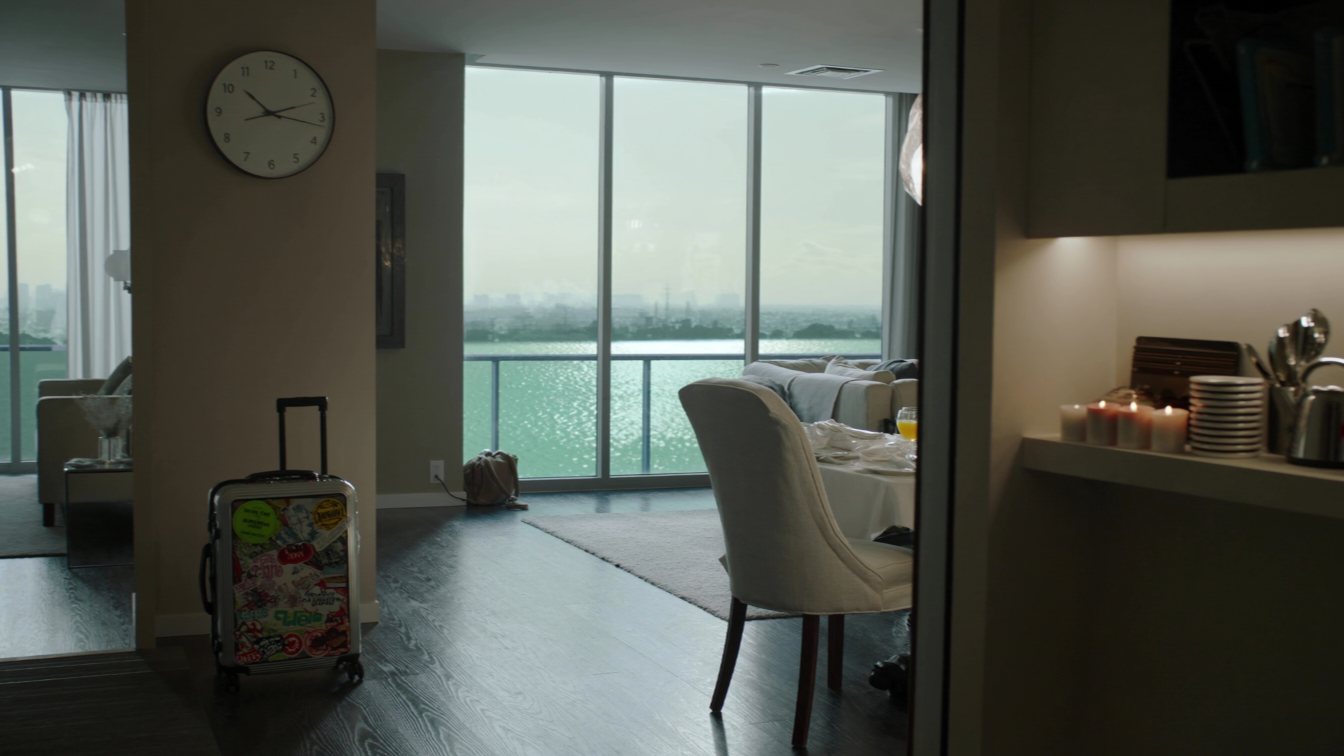
Only your principal residence can be short-term rented in Toronto, you must register with the City, and an entire home is capped at 180 nights a year. So an investor-owned Humber Bay condominium that is not where you live cannot legally be short-term rented under the City by-law. On top of that, your condominium corporation’s own rules may prohibit it outright.
This question comes up on nearly every Humber Bay investor conversation, usually with an assumption baked in that turns out to be wrong. Here are the rules currently in force.
Every figure below comes from the City of Toronto page that publishes it, fetched 26 August 2026, with that page’s own last-modified date noted. This is general information, not legal advice.
What counts as a short-term rental
The City defines it as all or part of a dwelling unit rented out for less than 28 consecutive days in exchange for payment. Anything 28 days or longer is a tenancy, governed by entirely different rules.
The four rules that decide it
- Registration is mandatory. Operators must register with the City in order to operate. The 2026 registration fee is $390, non-refundable and subject to annual increases.
- Principal residence only. The City defines your principal residence as where you live and the address you use for bills, identification, taxes and insurance — and you can only have one at a time.
- 180 nights a year, for an entire home. That is a hard annual cap.
- Partial-unit rentals are treated differently. You may rent up to three bedrooms with no annual night limit, and you can only advertise one fewer than the number of bedrooms available.
Renting or leasing in the GTA?
Whether you are looking for a place or filling a vacancy, I can help you move faster and avoid the paperwork mistakes that cost people money.
Call or text 833-330-1925 Send me a message
Jatin Dua, Broker of Record — RE/MAX Quantum Realty Inc., Brokerage. Not intended to solicit buyers or sellers currently under contract with another brokerage.
The Municipal Accommodation Tax — and the trap
Short-term rental operators must collect and remit the Municipal Accommodation Tax, currently 6 per cent. Short-term rental companies may sign voluntary collection agreements to collect it on operators’ behalf.
Here is the trap, and it is live right now. A temporary increase from 6 per cent to 8.5 per cent ran from 1 June 2025. That increase ended, and the rate returned to 6 per cent effective 1 August 2026.
But the City’s own short-term rentals overview page — last modified 4 June 2026 — still showed the 8.5 per cent figure when I checked on 26 August 2026. The dedicated Municipal Accommodation Tax page, last modified 11 August 2026, and the operators page, last modified 12 August 2026, both say 6 per cent.
Two City pages disagree with each other. If you are budgeting, or if someone quotes you 8.5 per cent, check the Municipal Accommodation Tax page rather than the overview page. Both links are in the sources below.
What it costs to get this wrong
The City publishes the fines:
- Failing to register — $1,000
- Operating an unregistered short-term rental — $1,000
- Renting a non-principal residence — $1,000
- Exceeding the 180-night limit — $700
- Missing emergency contact information — $400
- Conviction in court — up to $100,000, or $10,000 per day
The second rulebook people forget
Complying with the City by-law is necessary but not sufficient. A condominium corporation’s declaration, by-laws and rules can restrict or prohibit short-term rentals independently of the City, and they vary building to building. Some corporations impose minimum lease terms that make short-term rental impossible regardless of what the City permits.
I have not verified any specific Humber Bay building’s declaration, and I am not going to guess at one. The answer for your building is in the status certificate — which a corporation must produce within ten days for a maximum of $100 including tax. Have your lawyer read the rules before you buy on a short-term rental thesis.
The practical answer for a Humber Bay buyer
A Humber Bay condominium can be short-term rented only if all of the following are true:
- it is your principal residence;
- you are registered with the City;
- for whole-unit rentals, you stay under 180 nights a year;
- you collect and remit the accommodation tax; and
- your corporation’s own rules permit it.
If you are buying a unit to rent out and living somewhere else, the first condition fails and nothing after it matters. That is the whole answer, and it is worth knowing before you build a return on the assumption.
None of which makes Humber Bay a poor rental market — a standard tenancy of 28 days or longer sits outside this by-law entirely. It just is not the market some buyers think they are entering.
Thinking about this building?
Send me the unit number or the listing link. I’ll tell you what I actually know about the building, what I’d want to see in the status certificate, and whether the price makes sense against what has sold. No pitch, no obligation.
[email protected] · 833-330-1925 · Book a free consultation
Confidential. Reviewed personally and answered within 24 hours. I never share, sell or distribute your information.
Frequently asked questions
Can you Airbnb a condo in Toronto?
Only if it is your principal residence, you are registered with the City, and – for an entire home – you rent it no more than 180 nights per calendar year. A short-term rental is defined as under 28 consecutive days for payment.
Can an investor short-term rent a Humber Bay condo?
No, not under the City by-law. Short-term rentals are limited to the operator’s principal residence, and you can only have one principal residence at a time. A unit you own but do not live in cannot legally be short-term rented.
What is the short-term rental registration fee in Toronto?
$390 for 2026, non-refundable and subject to annual increases. Registration with the City is mandatory in order to operate.
What is the Municipal Accommodation Tax rate in Toronto?
6 per cent. A temporary increase to 8.5 per cent ran from 1 June 2025 and ended, with the rate returning to 6 per cent effective 1 August 2026. Note that the City’s own short-term rentals overview page still displayed the old 8.5 per cent figure when checked on 26 August 2026 – check the Municipal Accommodation Tax page instead.
Can a condo corporation ban short-term rentals?
Yes. A corporation’s declaration, by-laws and rules can restrict or prohibit short-term rentals independently of the City by-law, and they vary building to building. The answer for a specific building is in the status certificate, which costs a maximum of $100 including tax.
Sources
- City of Toronto — Short-term rental operators and hosts. The under-28-day definition, the mandatory registration requirement, the $390 fee for 2026, the principal residence rule, the 180-night cap on entire homes, the three-bedroom partial-unit rule, and the schedule of fines. Page last modified 12 August 2026. Accessed 26 August 2026.
- City of Toronto — Municipal Accommodation Tax. The current 6 per cent rate and the end of the temporary increase effective 1 August 2026. Page last modified 11 August 2026. Accessed 26 August 2026.
- City of Toronto — Short-term rentals overview. Cited only to record that this page still displayed the superseded 8.5 per cent accommodation tax figure when checked on 26 August 2026. Page last modified 4 June 2026. Accessed 26 August 2026.
- Condominium Authority of Ontario — Status certificates. The ten-day production requirement and $100 maximum fee including all applicable taxes, and the requirement that the package include the corporation’s declaration, by-laws and rules. Accessed 26 August 2026.
Renting or leasing in the GTA?
Whether you are looking for a place or filling a vacancy, I can help you move faster and avoid the paperwork mistakes that cost people money.
Call or text 833-330-1925 Send me a message
Jatin Dua, Broker of Record — RE/MAX Quantum Realty Inc., Brokerage. Not intended to solicit buyers or sellers currently under contract with another brokerage.
Related reading
- What a status certificate actually tells you before you buy
- Humber Bay Shores condo buildings: a guide to every tower
- Humber Bay Shores condos over 2,000 square feet
- Is Etobicoke still a city? What amalgamation means for your tax bill
About the author — Jatin Dua, Etobicoke real estate agent
I’m the Broker of Record at RE/MAX Quantum Realty, 799 The Queensway in Etobicoke, a few minutes from every building on this page. I work with buyers, sellers and investors across Mimico, Humber Bay Shores, New Toronto, Long Branch, Alderwood and the Stonegate–Queensway corridor. I write these building guides the way I’d brief a client at my own kitchen table: what is documented, what isn’t, and where the published numbers disagree with each other.
Questions about a specific suite? [email protected] or 833-330-1925.