
Published 18 October 2026 · By Jatin Dua, Broker of Record, RE/MAX Quantum Realty
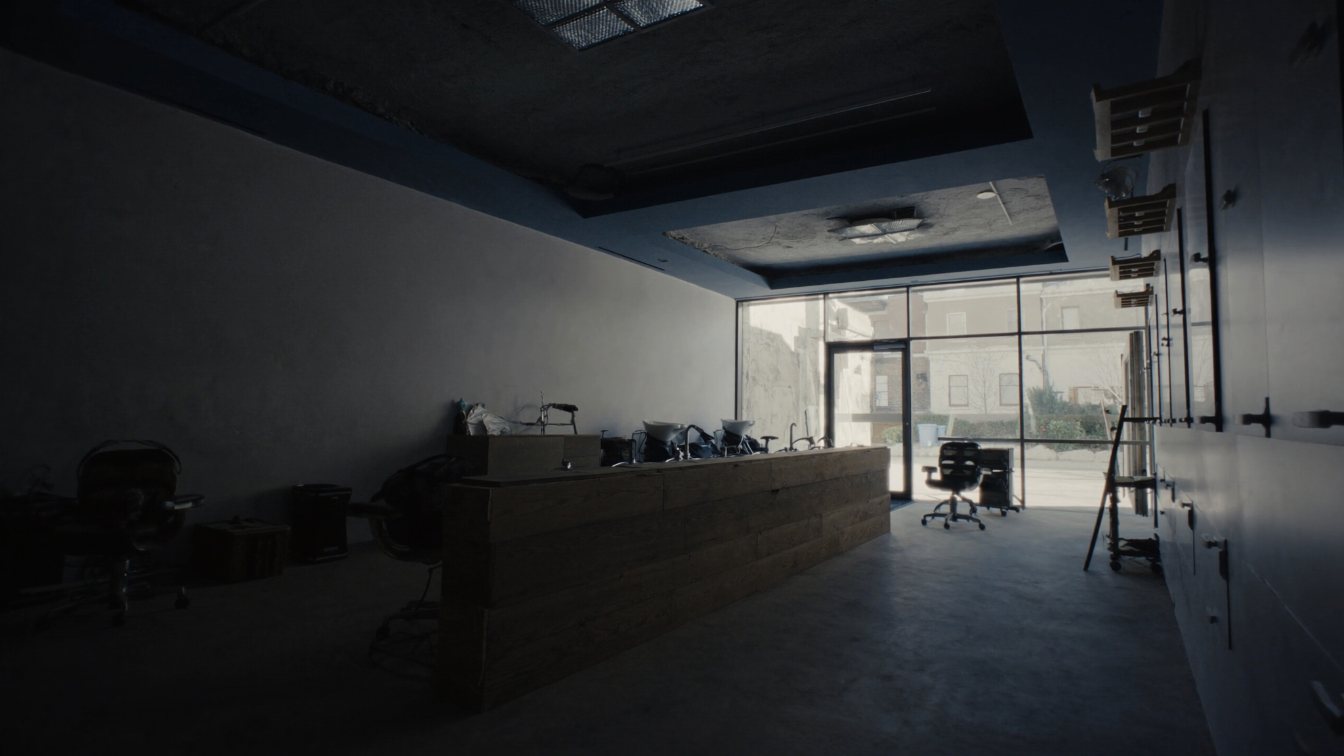
A café in Ontario is a food premises under O. Reg. 493/17, but how much kitchen you need depends on the menu. A counter that sells only hot drinks and pre-packaged, low-risk food, uses only disposable cups and has no more than 56 square metres of seating is exempt from the regulation's dishwashing and sanitary facility rules. Most espresso cafés that steam milk and plate food are not exempt and need handwashing stations, a dishwasher or three-compartment sink, refrigeration at 4°C, a grease interceptor in Toronto, and, in Toronto, backflow protection. Confirm zoning and the right licence category before you sign.
Looking for café or coffee shop space in Toronto or the GTA? Tell me what you need and I will send you units that fit, with the zoning and the lease checked before you commit.
Which café are you opening? The menu sets the build
When a client tells me they want a coffee shop, I ask them to show me the menu before we look at units. The Food Premises Regulation (O. Reg. 493/17) has two exemptions that matter here, and getting them wrong either way costs money.
- Hot drinks and pre-packaged food only (s. 3): If you sell only hot beverages or pre-packaged low-risk food, use only single-service articles, and your eating or drinking area is no larger than 56 square metres, you are exempt from clauses 7(3)(b) and (c) (hot and cold running water and handwashing stations), Part IV (dishwashing and sanitizing equipment) and Part V (the regulation’s sanitary facility rules). The building code still decides washrooms.
- Low-risk preparation only (s. 3.1): If you prepare only low-risk items and serve only low-risk or pre-packaged ready-to-eat food, you are exempt from the handwashing station clause, the dishwashing equipment rule in s. 18 and the food handler training rule in s. 32.
Milk, cream, sandwiches with meat or egg, and anything else that needs time and temperature control are “potentially hazardous food” under the regulation. Most espresso bars that steam milk, sell breakfast sandwiches or wash ceramic mugs fall outside both exemptions. Design for the full rules unless your menu really is that narrow.
What the unit must have for a full-service café
| Item | Why it matters | Who to ask |
|---|---|---|
| Hot and cold running water under pressure at the bar and prep areas | Required where food is prepared or utensils are cleaned (O. Reg. 493/17 s. 7(3)(b)) | Landlord, plumber |
| Staff-only handwashing station near the bar | Must be conveniently placed for food handlers and used only for handwashing (s. 7(3)(c), 7(4)) | Kitchen designer |
| Dishwasher or three-compartment sink | Required for utensils; a two-compartment sink is allowed only if you use no multi-service articles such as ceramic mugs (s. 18) | Equipment supplier |
| Under-counter refrigeration with thermometers | Milk and other potentially hazardous food must be held at 4°C or lower (s. 27, 30) | Refrigeration contractor |
| Floor drain or indirect drain near the espresso machine | Machines, ice makers and dipper wells need somewhere to drain; ice must be made from potable water (s. 26(5)) | Plumber |
| Dedicated electrical circuits | Espresso machines, grinders, ovens and blenders draw serious power; the work needs a Licensed Electrical Contractor and an ESA notification | Electrician |
| Floors in the bar and back of house | Must be tight, smooth and non-absorbent; carpet is allowed only in seating areas if kept clean (s. 7(1)(c), 7(2)) | Contractor |
Run the water line and the drain on your floor plan before you fall for a unit. An island espresso bar in the middle of a slab-on-grade plaza unit means trenching the concrete for drains. A bar against the back wall near the existing plumbing stack is cheaper.
Water, backflow and grease
Toronto Municipal Code Chapter 851, Schedule 5 lists “restaurant (including bar, coffee shop, food courts, lounge, etc.)” as a moderate hazard that requires a premise-isolation backflow prevention device. The owner installs it and must have it tested on installation, after any repair and every year. In a multi-tenant plaza, find out whether the building already has one and who pays for the annual test.
Toronto’s Chapter 681 grease interceptor rule (§ 681-10B) applies to any premises where food is cooked, heated, processed or prepared. A café that only warms pastries still has sinks that wash milk jugs and dishes, and those sinks have to connect to the interceptor. The City’s maintenance rules include one break for cafés: an establishment with low grease volume and no stove or fryer may service its own interceptor, with weekly skimming and monthly cleaning, instead of hiring a waste carrier. Everyone else services every four weeks. In Mississauga and Brampton, Peel’s Wastewater By-law 53-2010 imposes the same interceptor duty on business premises that may discharge fats, oils and grease.
Do you need a hood? Ovens, panini presses and the Fire Code
Ontario Fire Code Article 2.6.1.12 requires an NFPA 96 exhaust and fire protection system for any cooking that produces smoke or grease-laden vapour. Sentence (3)(b) excludes cooking that produces insignificant amounts of smoke or grease-laden vapour controlled by other approved measures. That exception is why many cafés run convection ovens, sandwich presses and ventless units without a full hood.
The decision is not yours or the equipment dealer’s. It belongs to the fire and building officials who review your permit. Bring the equipment list and spec sheets to the permit stage. If the menu includes eggs on a flat-top, bacon, or anything fried, assume a full hood, duct to the roof and suppression, and price the unit accordingly. Ontario’s Fire Code also requires portable extinguishers rated for Class K fires to protect cooking operations (6.2.6.12).
Zoning and licences in Toronto, Mississauga and Peel
Toronto Zoning By-law 569-2013 calls a café where customers eat while seated an eating establishment, which may include incidental take-out. A grab-and-go counter with no seating is a take-out eating establishment. Check which one the zone permits before you sign, because a few stools can change the use.
The licence follows the same split. Since 1 January 2025, a seated café needs an Eating or Drinking Establishment licence (application fee $268.32 plus $268.32 licence fee). A take-out-only coffee counter needs a Take-out or Retail Food Establishment licence ($197.60 application plus $197.60 licence, renewal $261.04). Most new applications require a zoning review first. If you serve wine or beer in the evening, you also need an AGCO liquor sales licence.
Mississauga’s licensing page lists cafés as restaurants. The licence needs a Zoning Certificate of Occupancy or a building permit and a health clearance from the Region of Peel. Peel Public Health asks for notice at least 14 days before you open and approves floor plans. If you are franchising, the Healthy Menu Choices Act, 2015 requires calorie posting once a chain has 20 or more food service premises in Ontario.
Seating, patio and dogs
The 56-square-metre seating cap in s. 3 is one reason to measure the dining area before you plan your layout. If you are relying on that exemption, a bigger lounge can push you into the full rules.
A Toronto patio on private land needs a Notice of Zoning By-law Compliance letter or a building permit approving it. Sidewalk and curb lane patios go through CaféTO. Smoking is banned on restaurant and bar patios and within nine metres of them (O. Reg. 268/18). Dogs are allowed on an outdoor eating area as long as no food is prepared there. Indoors, they are allowed only in a room where no food is prepared and only low-risk or pre-packaged food is served, and only if everything prepared on the premises is low-risk (O. Reg. 493/17 s. 14(2)). Most espresso cafés fail that second test.
Measure two things on the first viewing
The distance from the proposed bar to the nearest drain and water stack, and the square metres of the seating area. Those two numbers decide your plumbing budget and which rules apply to you.
The lease clauses that matter for a café
- Use clause: “A café serving coffee, tea, beverages, baked goods, sandwiches and light meals for consumption on and off the premises” gives you room to grow the menu. My use clause guide explains why narrow wording hurts.
- Exclusive: Ask for an exclusive on specialty coffee as a primary use, and check that no existing tenant already holds one.
- Hours: Make sure the landlord’s hours of operation allow a 6 a.m. opening and that HVAC and the parking lot are available then.
- Plumbing rights: Get the right to cut the slab for drains and to connect to the building’s water and sanitary lines, with the landlord confirming the line sizes.
- Grease interceptor and backflow: State who owns and maintains each device and who pays for the annual backflow test.
- Electrical capacity: Attach the panel size to the lease and require the landlord to deliver it, or credit you for the upgrade.
- Patio and signage: Get patio rights on the lease plan and storefront and pylon signage, subject to the municipal sign by-law.
- Fixturing period: Ask for rent-free time to cover the health plan review, permits and build-out.
- Assignment: Make sure you can assign the lease on a sale of the business, and that any radius clause stays small enough that you can open a second location.
Deal-killers to check on a viewing
A former café is not always a ready café
If the last tenant ran a take-out counter under the s. 3 exemption, the unit may have no handwashing station, no dish sink and no grease interceptor. Switching to ceramic cups and a full menu triggers all of them. Ask what licence category and inspection history the space had before you pay anything for leftover equipment.
- No drain near the only workable bar location, and a landlord who refuses slab cuts.
- A plaza exclusive for coffee already held by a chain.
- A single-phase panel with no room for an espresso machine, ovens and air conditioning together.
- Zoning that permits take-out only when you want seating, or the reverse.
- A menu that clearly needs a hood in a unit with no route for a duct.
- No legal patio area, when the business plan depends on summer seating.
For the full kitchen rules, read the restaurant premises hub. A baking-heavy café should also read the bakery premises guide, and a cold-drink concept should read the bubble tea and dessert shop guide.
Where I fit
I help café owners find corner units, plaza end caps and main-street storefronts across Toronto, Mississauga, Brampton and the rest of the GTA, and I check the plumbing, power and zoning before you commit. I also read the lease for exclusives, hours and assignment terms. If you are buying an existing café instead, my restaurant valuation tool gives you a starting number.
Find me café or coffee shop space
Tell me the area, size, seating, budget and timing, and I will send units with the water, drains and power a café needs.
I will come back to you personally, usually the same day, with spaces that fit. If it is urgent, call or text 833-330-1925.
Frequently asked questions
Does a coffee shop in Ontario need a three-compartment sink?
Usually, yes, unless you have a mechanical dishwasher. O. Reg. 493/17 requires either a dishwasher or a three-compartment sink with drainage racks. A two-compartment sink is allowed only if you use no multi-service articles such as ceramic mugs. A counter selling only hot drinks and pre-packaged food in disposable cups, with 56 square metres or less of seating, is exempt.
Does a café need a grease trap in Toronto?
In most cases, yes. Toronto Chapter 681 requires a grease interceptor wherever food is cooked, heated, processed or prepared, and dish and utensil sinks must connect to it. A café with low grease volume and no stove or fryer may service the interceptor itself, with weekly skimming and monthly cleaning, instead of using an approved waste carrier.
Does a coffee shop need a kitchen exhaust hood in Ontario?
Only if your cooking produces smoke or grease-laden vapour. Ontario Fire Code Article 2.6.1.12 requires an NFPA 96 hood and suppression for that, but excludes cooking that produces insignificant amounts controlled by other approved measures. Many cafés run ovens and presses without a hood, but the fire and building officials decide, so bring equipment specs to the permit stage.
What licence does a café need in Toronto?
A café with seating needs an Eating or Drinking Establishment licence, which costs $268.32 to apply plus $268.32 on approval. A take-out-only coffee counter needs a Take-out or Retail Food Establishment licence at $197.60 plus $197.60. Most new applications need an approved zoning review first. Serving alcohol also requires an AGCO liquor sales licence.
Can I bring my dog into a café in Ontario?
On an outdoor patio, dogs are allowed if no food is prepared there. Indoors, O. Reg. 493/17 allows dogs only if the café prepares nothing but low-risk food and the dogs stay in a room where only low-risk or pre-packaged food is served and none is prepared. Cafés that steam milk or make sandwiches usually do not qualify. Service animals are always allowed.
Does a Toronto coffee shop need a backflow preventer?
Yes. Toronto Municipal Code Chapter 851, Schedule 5 lists restaurants, including coffee shops, as a moderate hazard requiring a premise-isolation backflow prevention device. The property owner installs it, and it must be tested on installation, after repairs and every year. In a plaza, confirm whether one is already installed and who pays for the annual test before you sign.
How big can a café seating area be under the Ontario exemption?
The O. Reg. 493/17 section 3 exemption applies only if the eating or drinking area is no larger than 56 square metres, you sell only hot beverages or pre-packaged low-risk food, and you use only single-service articles. If any of those conditions fails, the full handwashing, dishwashing and sanitary facility rules apply. Measure the seating area before you design around the exemption.
Sources
- Government of Ontario (e-Laws) — O. Reg. 493/17: Food Premises — s. 3 and 3.1 exemptions, sinks, temperatures, dogs
- City of Toronto — Municipal Code Chapter 851, Water Supply — Schedule 5 coffee shop backflow hazard and testing
- City of Toronto — Grease interceptor maintenance — self-servicing for low-volume premises without stove or fryer
- City of Toronto — Municipal Code Chapter 681, Sewers — § 681-10B grease interceptor duty
- Government of Ontario (e-Laws) — O. Reg. 213/07: Fire Code — 2.6.1.12(3)(b) insignificant smoke exception, Class K
- City of Toronto — Eating or drinking establishment licence — eating or drinking establishment licence and fees
- City of Toronto — Take-out or retail food establishment licence — take-out or retail food establishment licence and fees
- City of Toronto — Zoning By-law 569-2013, Chapter 800 Definitions — eating establishment vs take-out eating establishment
- City of Mississauga — Restaurant or retail food business licensing — cafés licensed as restaurants, documents, fee
Related reading
- Restaurant premises in Ontario (food hub)
- Bakery premises requirements
- Bubble tea and dessert shop premises
- Pizza and take-out premises
- The use clause in a commercial lease
- Restaurant valuation tool
- The use clause in a commercial lease
About the author — Jatin Dua, Toronto and GTA real estate broker
I am Jatin Dua, Broker of Record and co-founder of RE/MAX Quantum Realty Inc., Brokerage, Unit 101, 799 The Queensway, Toronto. I help business owners across Toronto and the GTA find, assess and lease commercial space, and I work with buyers and sellers of homes and businesses. Four-plus years of active GTA transactions and over $100 million in sales volume. Every rule here comes from a regulator, statute or by-law linked in the sources, so you can check all of it without asking me.
Reach me at [email protected] or 833-330-1925, or book a call.