
Published 18 October 2026 · By Jatin Dua, Broker of Record, RE/MAX Quantum Realty
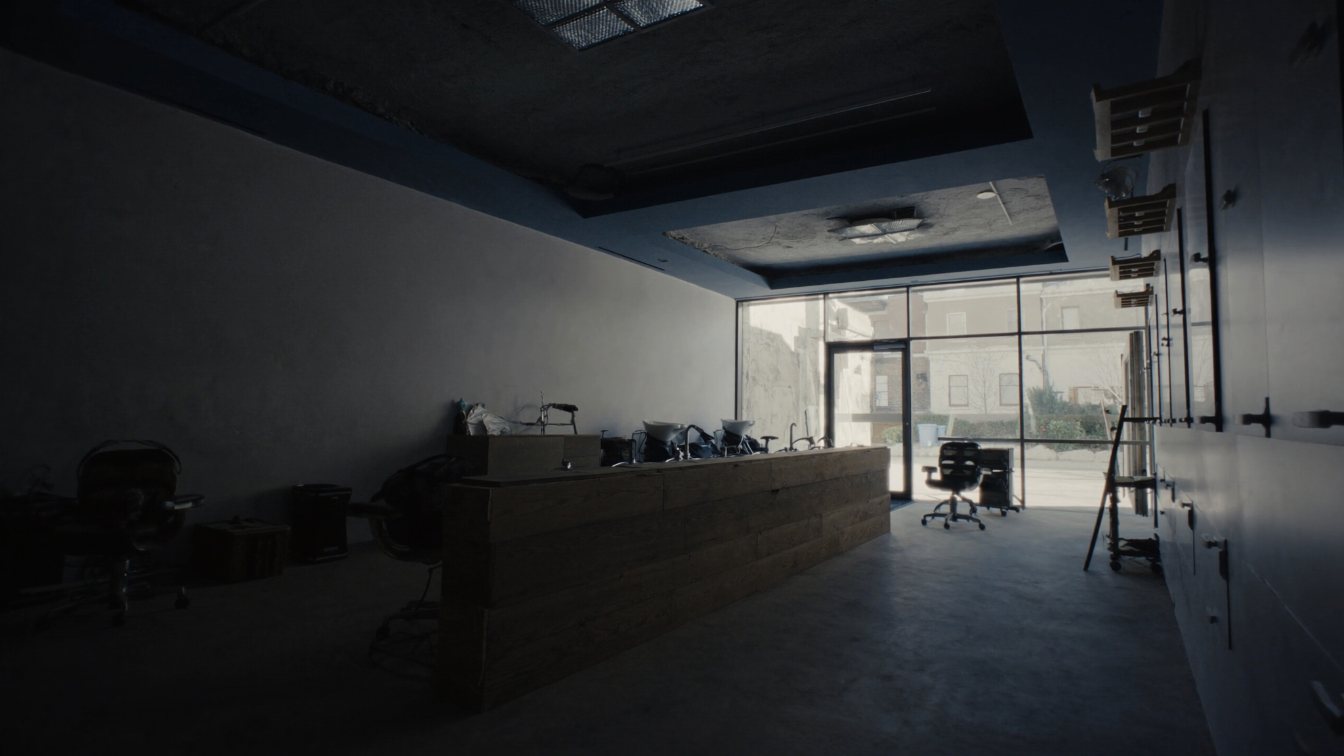
A bubble tea or dessert shop in Ontario is a food premises under O. Reg. 493/17. Because it serves cold, milk-based drinks, it does not qualify for the hot-beverage exemption, so it needs hot and cold running water, staff handwashing stations, refrigeration at 4°C, ice made from potable water and a way to sanitize utensils. A two-compartment sink is allowed only if no reusable cups or dishes are used. Making your own dairy base brings in the pasteurization rules. In Toronto, plan for a grease interceptor and backflow protection, confirm whether the zone permits seating or take-out only, and pick the matching licence.
Looking for bubble tea or dessert shop space in Toronto or the GTA? Tell me what you need and I will send you units that fit, with the zoning and the lease checked before you commit.
Why a bubble tea shop is not treated like a coffee counter
Bubble tea owners often assume they can open with the lighter rules that apply to a coffee kiosk. The exemption in s. 3 of the Food Premises Regulation covers premises that sell only hot beverages or pre-packaged low-risk food. A shop shaking iced milk tea, cooking tapioca and scooping fruit is outside it. The s. 3.1 exemption for low-risk food fails too, because milk, cream, cut fruit, custards and most toppings need time and temperature control. They are “potentially hazardous food” under the regulation.
Design for the full rules: hot and cold running water under pressure where drinks are made and utensils are cleaned (s. 7(3)(b)), enough staff-only handwashing stations (s. 7(3)(c)), and refrigeration with accurate thermometers that holds potentially hazardous food at 4°C or lower (s. 7(3)(d), 27, 30). Section 27 allows up to two hours out of temperature control while you prepare, so plan the bar so that toppings go back into the fridge between rushes.
What the unit must have
| Item | Why it matters | Who to ask |
|---|---|---|
| Two- or three-compartment sink, or a dishwasher | A two-compartment sink is allowed only if you use no multi-service articles, which fits a disposable-cup shop. Ceramic bowls or glass dessert plates require three compartments or a machine (O. Reg. 493/17 s. 18). | Kitchen designer |
| Sanitizing method | Water of at least 77°C for 45 seconds, or chlorine at 100 ppm, quaternary ammonium at 200 ppm or iodine at 25 ppm, at 24°C or more for 45 seconds (s. 19) | Chemical supplier |
| Ice machine on a potable supply with an indirect drain | Ice used in drinks must be made from potable water and handled in a sanitary way (s. 26(5)) | Plumber |
| Under-counter and reach-in refrigeration | Milk, cream, fruit and cooked toppings at 4°C or lower; frozen desserts kept frozen (s. 27, 28) | Refrigeration contractor |
| Electrical capacity | Blenders, sealing machines, induction burners for pearls, chillers and freezers run at the same time; work needs a Licensed Electrical Contractor and an ESA notification | Electrician |
| Floors and walls behind the bar | Tight, smooth and non-absorbent floors; cleanable walls (s. 7(1)) | Contractor |
| Waste and recycling space | Toronto’s eating establishment licence requires enough containers for garbage, recycling and organics, and the regulation requires removal as often as needed (s. 12) | Landlord |
Dairy, eggs and making your own base
Most shops buy pasteurized milk, cream and soft-serve mix and never pasteurize anything themselves. If you plan to make gelato, ice cream or a custard base from raw ingredients, read Part VII of O. Reg. 493/17 before you design the back room. Milk products with less than 10 per cent milk fat must be pasteurized at 63°C for 30 minutes (batch) or 72°C for 15 seconds (high temperature short time). Products with 10 per cent fat or more need 66°C for 30 minutes or 75°C for 15 seconds. They must then be cooled to 4°C or lower (s. 39, 40).
The pasteurizer needs indicating and recording thermometers, and you have to keep signed records of each batch for at least a year (s. 41, 42). If you repackage someone else’s milk products, the containers must identify the original processor, packing date and batch, or you need records that do (s. 46). Ungraded and Grade C hen eggs are prohibited on any food premises (s. 47). Buy graded eggs for waffles, crêpes and custards.
Grease, water and the hood question
Toronto Chapter 681 (§ 681-10B) requires a grease interceptor wherever food is cooked, heated, processed or prepared, and the City’s installation rules require utensil sinks to connect to it. The maintenance rules allow a premises with low grease volume and no stove or fryer to service its own interceptor, with weekly skimming and monthly cleaning. Add a waffle fryer or a hot line and you move to four-week servicing by an approved waste carrier. In Mississauga and Brampton, Peel’s Wastewater By-law 53-2010 imposes the same interceptor duty.
Toronto’s Chapter 851 lists restaurants, including coffee shops, as a moderate backflow hazard that needs a premise-isolation backflow preventer, tested every year. Treat a drinks shop the same way and ask the landlord whether one is already installed.
Under Ontario Fire Code Article 2.6.1.12, cooking that produces smoke or grease-laden vapour needs an NFPA 96 hood and suppression system. Cooking that produces only insignificant amounts, controlled by other approved measures, is excluded. Simmering pearls on an induction burner is usually a different conversation from deep-frying waffles or cooking Korean corn dogs. Bring the equipment list to the permit stage and let the officials decide.
Zoning, licence and late hours
Toronto Zoning By-law 569-2013 treats a shop where customers sit and eat as an eating establishment. A counter that sells only for consumption off the premises is a take-out eating establishment. Some plaza units allow one and not the other. Adding a dozen stools to a take-out unit can mean a zoning problem, a new washroom count and a different licence.
The licence follows the use. A dessert café with seating needs an Eating or Drinking Establishment licence, and a take-out-only tea counter needs a Take-out or Retail Food Establishment licence. Both usually require a zoning review first. Franchisees can submit a Franchise Agreement Declaration in place of a business name registration.
Late hours are common for dessert shops. Under the categories in force since 1 January 2025, opening past 11 p.m. on most days is only one of four criteria for the Expanded Activity licence, and you need three. The others are a liquor licence, entertainment and an occupant load over 150. A late-night dessert café with no alcohol normally stays in the standard category. The lease and any plaza rules on hours are often the tighter limit.
In Mississauga, the restaurant or retail food business licence covers both seated and take-out food businesses. It needs a Zoning Certificate of Occupancy or a building permit and a Peel health clearance, and Peel Public Health wants 14 days’ notice before you open.
Parking is rarely a zoning obstacle in Toronto. Chapter 200 of By-law 569-2013, as amended by By-law 89-2022, sets only maximum parking rates for eating establishments and retail stores. The real constraint is the plaza. Evening dessert crowds and delivery drivers compete for the same stalls as your neighbours’ customers, so ask the landlord how many spaces sit in front of your unit and whether any tenant has reserved parking rights.
Franchise brands: the extra layer
Many GTA bubble tea and dessert shops are franchises. The franchisor usually has its own build standard, equipment package and lease rider, and sometimes wants to hold the head lease. Read the franchise agreement and the lease together. The territory or radius in the franchise agreement, and any exclusive in the lease, should protect the same trade area. Once a brand has 20 or more food service premises in Ontario under the same name, the Healthy Menu Choices Act, 2015 requires the number of calories of every standard food item to be posted, so menu boards have to be planned for it.
Settle the menu before you settle the unit
Disposable cups and no fryer means a two-compartment sink, possible self-serviced grease, and maybe no hood. Ceramic bowls and fried waffles mean three compartments or a dishwasher, contractor-serviced grease and likely a hood. That one decision can double or halve the build cost.
The lease clauses that matter for a bubble tea or dessert shop
- Use clause: “Bubble tea, tea-based and blended beverages, frozen desserts, baked and prepared desserts and light snacks, for consumption on and off the premises.” A broad clause leaves room to change brands later. See the use clause guide.
- Exclusive: Bubble tea and frozen dessert exclusives are common in GTA plazas. Ask for one, and check the plaza’s existing exclusives first.
- Hours: Make sure the lease permits late evenings and weekends, with HVAC, lighting and the parking lot available.
- Plumbing and drains: Get the right to add a sink, ice machine and floor drain, and to cut the slab if needed.
- Grease interceptor and backflow: State who owns, services and replaces each device.
- Electrical: Put the panel size in the lease, or make the landlord responsible for an upgrade.
- Franchisor rights: Include a collateral agreement or step-in rights if your franchisor requires them, and confirm the landlord will sign the franchisor’s rider.
- Signage: Get storefront and pylon signage approvals that suit the brand, subject to the municipal sign by-law.
- Assignment: Allow assignment to a new franchisee or back to the franchisor without a new landlord approval process.
Deal-killers to check on a viewing
A take-out unit with seats is still a take-out unit
If the zoning and licence say take-out, adding tables can put you out of compliance with zoning, push your washroom count up and require a different licence. Confirm the permitted use for the exact unit before you plan a seating area.
- No drain or water line where the bar has to go.
- A panel too small for blenders, sealers, freezers and air conditioning together.
- An existing bubble tea or frozen dessert exclusive in the plaza.
- Lease hours that end at 9 p.m. when your trade peaks later.
- No back-of-house room for dry storage, cases of cups and recycling.
- A franchisor build standard that the unit cannot meet without a hood, and no route for a duct.
The restaurant premises hub covers the full kitchen and permit rules. The café and coffee shop guide explains the hot-drinks exemption, and the sweet shop and mithai guide covers production-heavy dessert kitchens.
Where I fit
I help bubble tea and dessert operators, franchise and independent, find plaza and main-street units across Toronto, Mississauga, Brampton, Markham and the rest of the GTA. I check zoning, power and plumbing before you commit, and I read the lease against your franchise agreement for exclusives, hours and assignment. If you are buying an existing shop, my restaurant valuation tool gives a starting number.
Find me bubble tea or dessert shop space
Tell me the area, size, brand or concept, budget and timing, and I will send units that suit a drinks and dessert build.
I will come back to you personally, usually the same day, with spaces that fit. If it is urgent, call or text 833-330-1925.
Frequently asked questions
Does a bubble tea shop need a three-compartment sink in Ontario?
Not always. O. Reg. 493/17 allows a two-compartment sink if the shop uses no multi-service articles, such as reusable cups or dishes, washing and rinsing work in the first sink, and the second is used for sanitizing. If you serve in ceramic or glass, you need a three-compartment sink or a mechanical dishwasher. Drainage racks are required with any sink option.
Is a bubble tea shop exempt from Ontario's food premises rules?
No. The section 3 exemption in O. Reg. 493/17 covers only hot beverages and pre-packaged low-risk food. Bubble tea uses milk, cream, fruit and cooked toppings, which are potentially hazardous food that must be held at 4°C or lower. Plan for hot and cold running water, staff handwashing stations, sanitizing and proper refrigeration.
What rules apply if I make my own ice cream or gelato in Ontario?
Under O. Reg. 493/17, a food premises that pasteurizes milk products must meet set time and temperature standards, use indicating and recording thermometers, and keep signed batch records for at least a year. Shops using commercially pasteurized mix avoid those steps. Ask your public health inspector whether your process needs anything more before you commit to equipment.
Does a bubble tea shop need a grease trap in Toronto?
Usually, yes. Toronto Chapter 681 requires a grease interceptor wherever food is cooked, heated, processed or prepared, and utensil sinks must connect to it. A shop with low grease volume and no stove or fryer may service it itself, skimming weekly and cleaning monthly. With fryers or a hot line, plan on four-week servicing by an approved waste carrier.
What licence does a bubble tea shop need in Toronto?
A shop with seating where customers eat or drink on site needs an Eating or Drinking Establishment licence. A counter selling only for off-site consumption needs a Take-out or Retail Food Establishment licence. Most new applications require an approved zoning review first, and franchisees can submit a Franchise Agreement Declaration instead of a business name registration.
Does staying open late change my Toronto licence?
Not on its own. The Expanded Activity Eating or Drinking Establishment licence applies when three of four criteria are met: open past 11 p.m. on most days, a liquor licence, entertainment, and an occupant load over 150. A late-night dessert café with no alcohol or entertainment normally stays in the standard category. Your lease hours may be the tighter limit.
Do bubble tea franchises have to post calories in Ontario?
Yes, once the brand is a chain of 20 or more food service premises in Ontario operating under the same or substantially the same name and offering the same standard items. The Healthy Menu Choices Act, 2015 then requires the number of calories of every standard food item to be displayed. Plan menu boards and drink-size options with this in mind.
Sources
- Government of Ontario (e-Laws) — O. Reg. 493/17: Food Premises — s. 3 scope, sinks, sanitizing, ice, dairy pasteurization, eggs
- City of Toronto — Grease interceptor installation — utensil sinks must connect to the interceptor
- City of Toronto — Grease interceptor maintenance — self-servicing for low-volume premises without stove or fryer
- Government of Ontario (e-Laws) — O. Reg. 213/07: Fire Code — 2.6.1.12 hood rule and insignificant-smoke exception
- City of Toronto — Eating or drinking establishment licence — eating or drinking licence, franchise declaration, waste containers
- City of Toronto — Changes to licensing and zoning by-laws for restaurants, bars and entertainment venues — Expanded Activity criteria from January 2025
- City of Toronto — Zoning By-law 569-2013, Chapter 800 Definitions — eating establishment vs take-out eating establishment
- Government of Ontario (e-Laws) — Healthy Menu Choices Act, 2015 — calorie posting for chains of 20 or more
- City of Mississauga — Restaurant or retail food business licensing — Mississauga licence documents
Related reading
- Restaurant premises in Ontario (food hub)
- Café and coffee shop premises
- Sweet shop and mithai premises
- Bakery premises requirements
- The use clause in a commercial lease
- Retail store valuation tool
- The use clause in a commercial lease
About the author — Jatin Dua, Toronto and GTA real estate broker
I am Jatin Dua, Broker of Record and co-founder of RE/MAX Quantum Realty Inc., Brokerage, Unit 101, 799 The Queensway, Toronto. I help business owners across Toronto and the GTA find, assess and lease commercial space, and I work with buyers and sellers of homes and businesses. Four-plus years of active GTA transactions and over $100 million in sales volume. Every rule here comes from a regulator, statute or by-law linked in the sources, so you can check all of it without asking me.
Reach me at [email protected] or 833-330-1925, or book a call.