
Published 18 October 2026 · By Jatin Dua, Broker of Record, RE/MAX Quantum Realty
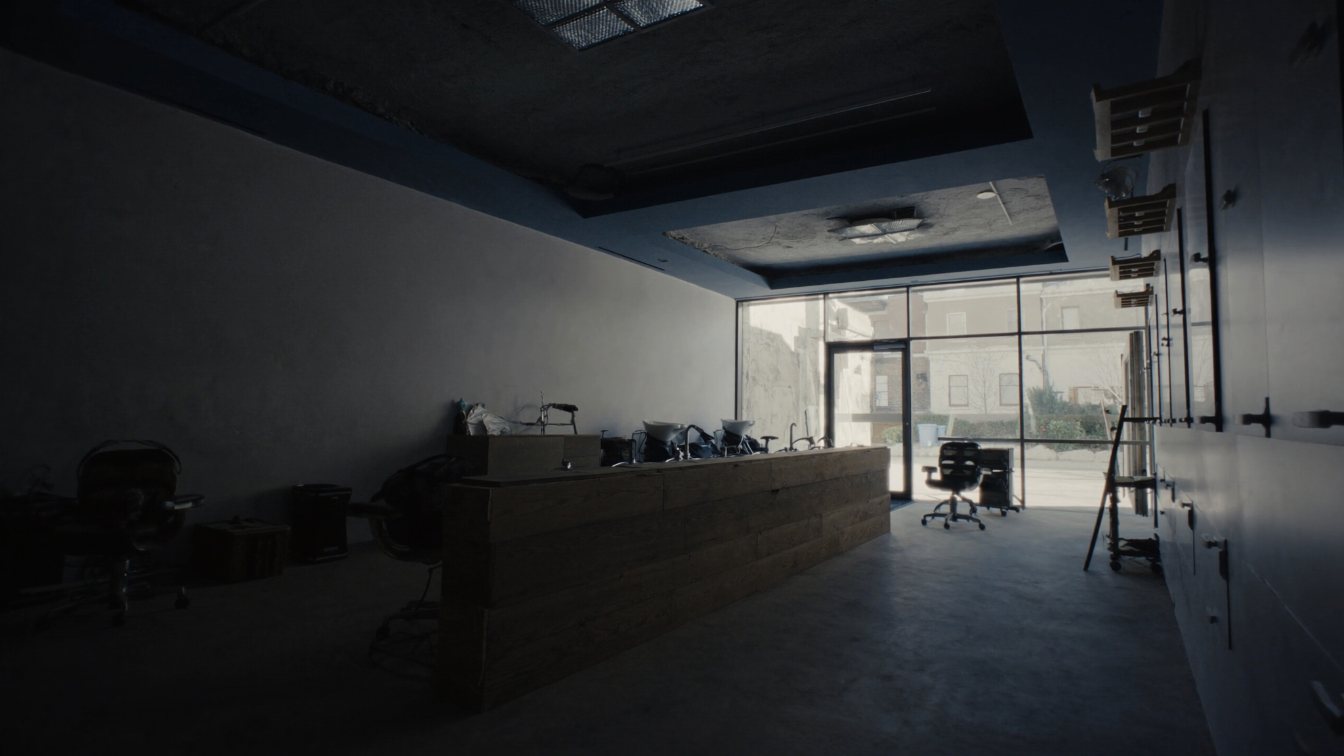
A cellphone repair store usually fits in a small retail unit, but check three things before signing. First, zoning: Toronto treats repairing goods as a service shop and selling goods as a retail store, and in some commercial residential zones service shops are capped at 400 m2 per lot. Second, licensing: buying used phones from the public to resell can require a second-hand shop licence, with a 15-day hold in Toronto and a 30-day hold in Brampton. Third, your use clause must cover repair, sales, accessories and buying devices. Electrical work needs a licensed electrical contractor.
Looking for cellphone repair store space in Toronto or the GTA? Tell me what you need and I will send you units that fit, with the zoning and the lease checked before you commit.
Repair, retail or both: decide what you are leasing for
Most phone repair tenants I work with run three businesses at once: repairs at the counter, accessories and cases on the wall, and buying and reselling used or refurbished phones. Each of those is treated differently by the zoning by-law, by the municipal licensing office, and by the landlord’s use clause. Get them all written down before you look at units.
Toronto’s Zoning By-law 569-2013 defines a retail store as premises in which goods or commodities are sold, rented or leased, and a service shop as premises used for servicing, repairing or refurbishing goods other than vehicles. A phone repair counter with accessories on display is both. Both uses appear in the permitted list for the commercial residential (CR) zone that covers many Toronto main streets, but the CR zone caps the total interior floor area of all service shops on a lot at 400 square metres where the lot is subject to Development Standard Sets 1, 2 or 4. In a small strip plaza that already has a shoe repair, a computer repair and a tailor, the cap can matter. Ask for a zoning review on the address and tell the examiner exactly what you do.
Outside Toronto the labels change, but the question is the same. In Mississauga, Brampton, Vaughan and Markham, confirm that the plaza’s zone allows repair as well as retail, and check any site-specific exception before you pay a deposit.
What the unit must have
A phone repair store does not need much floor area. It needs the right small things in the right place.
| Item | Why it matters | Who to ask |
|---|---|---|
| Storefront visibility and signage rights | Walk-in repair lives on being seen from the sidewalk or parking lot | Landlord; city sign permit office |
| Enough circuits at the bench | Soldering stations, microscopes, ultrasonic cleaners, chargers and screen separators all draw power | Licensed electrical contractor |
| Ventilation at the bench | Soldering fumes and adhesives in a small closed unit | Landlord’s HVAC contractor |
| Secure back room or safe | Customer devices left overnight and resale stock | Your insurer |
| Counter you can rebuild | A new service counter must accommodate a mobility aid under Ontario’s accessibility standards | Your designer |
| Separate storage for intake | Second-hand rules can require purchased goods to be kept apart during the hold period | Municipal licensing office |
On power: under Ontario’s electrical safety rules, anyone you hire to do electrical work must be a licensed electrical contractor, and a Notification of Work must be filed with the Electrical Safety Authority before, or within 48 hours of, the start of work. Adding bench circuits is a small job but not one to leave to a handyman.
Buying used phones: when a second-hand licence applies
This is the part most repair tenants underestimate. If you buy phones from the public to refurbish and resell, many GTA municipalities treat you as a second-hand dealer.
Toronto. Chapter 545 of the Municipal Code requires a Second Hand Shop licence for businesses that sell or exchange second-hand goods from a shop or store. The current City page lists an application fee of $242.82 and a licence fee of $545.51 ($788.33 total), with annual renewal at $384.88. The rules that follow from the licence affect how you run the counter:
- 15-day hold. Goods purchased or taken in exchange cannot be altered, repaired or disposed of for 15 clear days, not counting Sundays and holidays. They must stay on the licensed premises, kept separate from earlier purchases, and open to inspection by police and the City. A phone you buy cannot go on the repair bench for that period.
- Register. You must record the date and time received, a full description including serial and model numbers and manufacturer, the seller’s name, address and description, and the price paid. From 30 September 2026 the City says the register can be kept on paper or electronically.
- Who you can buy from and when. No purchases from anyone who appears under 18 or is under the influence of liquor, and no licensed business between 11 p.m. and 7 a.m. (to midnight on Saturdays and the day before a holiday).
- Signage and reporting. A "Licensed Second-hand Shop" sign must be displayed at the front, and you must report goods you suspect are stolen, including where serial or model numbers have been removed or tampered with.
The by-law relaxes several of these rules for a business whose primary business is selling new goods and which only takes trade-ins credited against the purchase of new goods. If trade-ins are your only used intake, ask Municipal Licensing and Standards to confirm how that exemption applies to you.
Brampton. The City of Brampton’s second-hand goods requirements define second-hand goods to include electronics, require $2,000,000 in commercial general liability insurance, a police clearance issued within 30 days, and zoning approval, and set a 30-day hold during which goods stay on the premises for inspection by Peel Regional Police. Records must be kept for two years. Mississauga also lists a second-hand goods shop licence. If you plan to buy devices at a Peel location, budget for the longer hold.
For a deeper look at second-hand rules, see my pawn shop and second-hand dealer guide.
Buying phones without the licence is the fastest way to lose the store
A repair shop that quietly buys phones for parts or resale without the licence, register and hold period is exposed to charges and, in Toronto, to licence refusal later; the City can deny a licence to anyone with five or more Chapter 545 or 546 offences in three years. Decide before you sign whether you will buy from the public, and pick a unit and municipality that suit that decision.
Batteries, e-waste and the refurbishing question
Ontario regulates electronics and batteries at end of life under the Resource Recovery and Circular Economy Act. Two regulations are relevant:
- Electrical and Electronic Equipment (O. Reg. 522/20). Telephones, including cellular phones, are in the information technology, telecommunications and audio visual category, along with chargers, cables and parts sold separately. For new equipment, the producer is the Canadian-resident brand holder; if there is none, it is the Ontario importer. If you import phones, chargers or accessories that have no Canadian brand holder, you may be the producer with registration and collection duties. The regulation also defines an EEE refurbisher as someone who prepares or refurbishes used equipment for reuse; registration is triggered at 10 tonnes or more a year refurbished to meet producer responsibilities.
- Batteries (O. Reg. 30/20). A battery refurbisher, meaning someone who prepares or refurbishes used consumer batteries for reuse, must register with the Resource Productivity and Recovery Authority within 30 days of refurbishing them.
Swapping a worn battery for a new one is not refurbishing batteries, but reselling harvested cells or packs can be. Ask the Authority if you are unsure. On the premises side, damaged lithium-ion batteries are a fire risk. Ask the landlord how the building’s fire alarm and sprinklers cover your unit, keep damaged cells in a metal container away from exits, and arrange a regular pickup with a registered collector rather than letting dead batteries pile up.
Key takeaway
Write your business model down first: repairs only, repairs plus accessories, or repairs plus buying and reselling devices. That one decision tells you which zoning definition, which licence and which hold period apply, and what the use clause must say.
Accessibility and customer service
Ontario’s Integrated Accessibility Standards (O. Reg. 191/11) apply to private businesses that serve the public. Every provider must have policies on serving people with disabilities, train staff and anyone serving customers on its behalf, and let a customer bring a service animal or support person onto the premises unless excluded by law. A small organization (1 to 49 employees in Ontario) is spared some of the written-document requirements, but not the training or the service obligations.
If you build or replace a service counter, the design of public spaces standard requires at least one counter that accommodates a mobility aid, with a countertop height usable from a seated position and knee clearance. That matters in a small repair unit where the counter takes up the whole front.
The lease clauses that matter for a cellphone repair store
- Use clause. Cover repair and servicing of phones, tablets, computers and small electronics; retail sale of new and used devices and accessories; buying and trading in used devices; and ancillary services such as unlocking or screen protectors. If the clause only says "retail sale of cellular accessories," you cannot add repair or buy-back later without the landlord’s consent. See my use clause guide.
- Exclusive. Plazas often have two or three phone stores. Ask for an exclusive on phone and electronics repair, and read the exclusives already granted to carrier dealers or accessory stores, because yours can’t conflict with theirs.
- Licensing condition. If you will buy used devices, make the lease conditional on obtaining the second-hand licence, and get the landlord’s signature on the City’s occupancy declaration form, which Toronto requires with the application.
- Signage. Get fascia and window signage rights in writing, including the licence notice the by-law requires.
- Electrical and HVAC. Record the electrical service to the unit, permission to add bench circuits, and the landlord’s responsibility for HVAC to a working standard at handover.
- Security. Permission to install cameras, an alarm and a floor or wall safe, and to keep the alarm code private.
- Hours. Make sure the lease’s required hours don’t conflict with the second-hand by-law’s 11 p.m. to 7 a.m. restriction if you hold that licence.
- Assignment. Repair stores often sell as going concerns. Ask for an assignment right to a buyer with comparable experience, without an unreasonable consent process.
Deal-killers to check on a viewing
- An existing exclusive. The carrier dealer two doors down may hold an exclusive on "cellular phones and accessories." Ask the landlord for a list of exclusives before you negotiate.
- Zoning that doesn’t list service shop. Some older plaza approvals and site-specific exceptions allow retail only.
- Service shop cap already used. In Toronto CR zones under SS1, SS2 or SS4, ask what other repair uses on the lot already take up the 400 square metres.
- One shared panel. A unit carved out of a larger store may share an electrical panel or have no capacity for more circuits.
- No back room. If you buy used phones, you need a separate, secure place to hold them during the hold period.
- Municipality mismatch. A Brampton unit means a 30-day hold and $2,000,000 in liability insurance for second-hand buying. Factor that into your inventory planning.
If you are considering a larger electronics or mobility format, my notes on e-bike shop premises cover battery-heavy repair, and convenience store premises covers small-format retail leases in plazas.
Where I fit
I help phone and electronics repair owners find small retail units across Toronto and the GTA, and I check zoning, existing exclusives and the second-hand licensing picture before you sign. I read the lease with you and push for a use clause and exclusive that cover repair, sales and buy-back, and if you are buying an existing store the retail store valuation tool gives a first read on price.
Find me cellphone repair store space
Tell me the area, size, budget and timing, and whether you plan to buy used devices, and I will send units that fit.
I will come back to you personally, usually the same day, with spaces that fit. If it is urgent, call or text 833-330-1925.
Frequently asked questions
Do I need a licence to open a cellphone repair shop in Toronto?
Repair alone does not have its own licence category in Toronto's Chapter 545. If you buy used phones from the public to resell, you will likely need a Second Hand Shop licence, which comes with a register, a 15-day hold before altering or reselling, and restrictions on buying from minors. Ask Municipal Licensing and Standards to confirm for your model.
Is a phone repair store a retail use under zoning?
In Toronto, repairing goods is a service shop and selling goods is a retail store under Zoning By-law 569-2013. Many commercial zones permit both, but in the commercial residential zone service shops are capped at 400 square metres per lot in some standard sets. Get a zoning review on the exact address and describe repair and sales.
How long must I hold a used phone before reselling it?
In Toronto, goods bought by a licensed second-hand shop cannot be altered, repaired or sold for 15 clear days, excluding Sundays and holidays, and must stay separate on the premises. Brampton's second-hand requirements set a 30-day hold with goods available for Peel Regional Police inspection. Check the rule in the municipality where your store is.
Do I need to register with RPRA as a phone repair shop?
Not just for repairs. You may have duties if you import phones or accessories with no Canadian brand holder, which can make you the producer under Ontario's electronics regulation, or if you refurbish used batteries for reuse, which requires registration within 30 days under the batteries regulation. Ask the Resource Productivity and Recovery Authority if unsure.
Can I add electrical outlets for repair benches in a leased unit?
Yes, with landlord consent and a licensed electrical contractor. Ontario requires anyone you hire for electrical work to hold an Electrical Safety Authority contractor licence, and a Notification of Work must be filed before work starts or within 48 hours. Get the landlord's consent and the unit's electrical capacity in writing before you sign.
What exclusive should a phone repair store ask for?
Ask for an exclusive on phone, tablet and small electronics repair, and ideally on buying and reselling used devices. Before you negotiate, ask the landlord which exclusives already exist in the plaza. A carrier store's exclusive on cellular phones and accessories can block your sales even if repair is allowed.
What should the use clause say for a cellphone repair store?
It should cover repair and servicing of phones, tablets and small electronics, retail sale of new and used devices and accessories, buying and trading in used devices, and related services. A narrow accessories-only clause can stop you from adding repair or buy-back later. Make the lease conditional on any second-hand licence you need.
Sources
- City of Toronto — Second Hand Shop licence — who needs it, register, fees, 2026 register change
- City of Toronto — Municipal Code Chapter 545, Licensing — Article XXIII hold period, register, hours, trade-in exemption
- City of Brampton — Second-hand goods licence requirements — electronics included, 30-day hold, insurance
- City of Toronto — Zoning By-law 569-2013, Chapter 800 Definitions — retail store and service shop
- City of Toronto — Zoning By-law 569-2013, Chapter 40.10 CR Zone — 400 m2 service shop cap
- Ontario e-Laws — O. Reg. 522/20, Electrical and Electronic Equipment — cell phones as ITT/AV, producer, refurbisher
- Ontario e-Laws — O. Reg. 30/20, Batteries — battery refurbisher registration
- Electrical Safety Authority — Property owner and manager obligations — licensed contractor, notification of work
- Ontario e-Laws — O. Reg. 191/11, Integrated Accessibility Standards — customer service and service counters
Related reading
- Pawn shop and second-hand dealer premises
- E-bike shop premises
- Thrift and consignment store premises
- The commercial lease use clause
- Convenience store premises
- The use clause in a commercial lease
About the author — Jatin Dua, Toronto and GTA real estate broker
I am Jatin Dua, Broker of Record and co-founder of RE/MAX Quantum Realty Inc., Brokerage, Unit 101, 799 The Queensway, Toronto. I help business owners across Toronto and the GTA find, assess and lease commercial space, and I work with buyers and sellers of homes and businesses. Four-plus years of active GTA transactions and over $100 million in sales volume. Every rule here comes from a regulator, statute or by-law linked in the sources, so you can check all of it without asking me.
Reach me at [email protected] or 833-330-1925, or book a call.