
Published 18 October 2026 · By Jatin Dua, Broker of Record, RE/MAX Quantum Realty
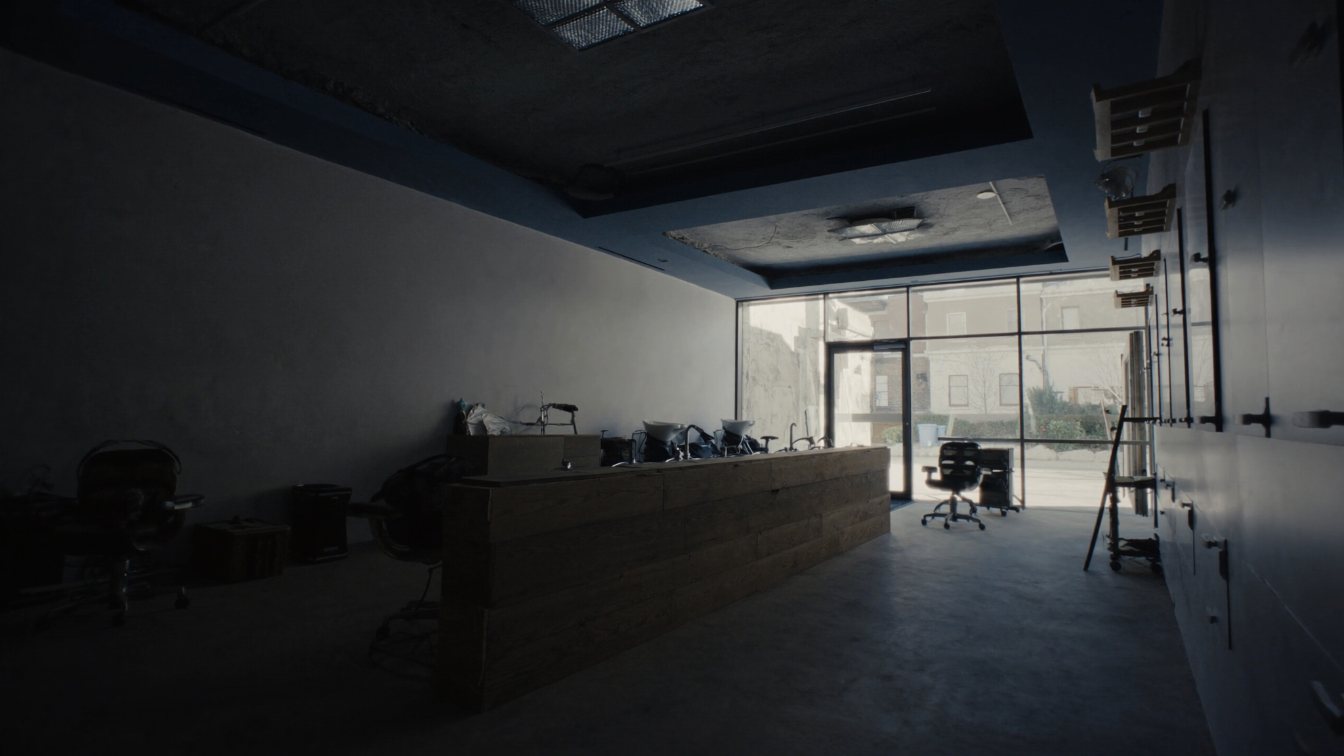
A coworking space in Ontario usually needs a unit zoned for office (Toronto's Zoning By-law 569-2013 permits office in CR and employment zones such as EL), a building permit for the fit-out, and a change of use permit under section 10 of the Building Code Act if the unit was previously a different major occupancy such as retail or industrial. Size washrooms, HVAC and exits for your busiest event. Most importantly, the head lease must give standing landlord consent to member licence agreements, because the Commercial Tenancies Act's 'consent not unreasonably withheld' rule can be overridden by the lease itself.
Looking for coworking space in Toronto or the GTA? Tell me what you need and I will send you units that fit, with the zoning and the lease checked before you commit.
What a coworking floor needs before you sign
A coworking space is an office tenancy with a hospitality business inside it. The landlord sees one tenant. You will have dozens or hundreds of members, guests and event attendees coming through, often outside business hours. The unit has to carry that density.
- A floor plate that divides well. You need open desks, private offices, meeting rooms and phone booths, each with daylight or at least decent air. Deep, narrow units with windows on one side lose a lot of sellable area.
- Washrooms and HVAC sized for people, not square footage. A coworking floor runs at a much higher headcount than a traditional office. Ask the landlord what occupant load the existing washrooms and HVAC were designed for.
- Telecom. Members leave over bad internet. Confirm which carriers serve the building, whether fibre is in the riser, and whether you can run your own lines.
- After-hours access and security. Members expect 24/7 access. The base building’s access control, elevators and HVAC schedule must allow it.
- Ground-floor presence or a good lobby. Walk-in tours sell memberships. A second-floor plaza unit with no signage works only if your marketing does the heavy lifting.
- Parking or transit. In Mississauga, Vaughan, Markham and Oakville, members drive. In downtown Toronto, transit matters more.
Zoning: coworking is usually office, events are not
For zoning, a coworking space is normally treated as an office use. In Toronto’s Zoning By-law 569-2013, office appears in the permitted-use lists for the Commercial Residential (CR) zone that covers many main streets, and for employment zones such as Employment Light Industrial (EL). The by-law does not define “office” in its definitions chapter, so the city reads it in its ordinary sense.
The trouble is the extras. A coworking business often wants a café counter open to the public, a podcast room, a fitness corner, a childminding room or a large event space rented to outside groups. Each of those can be a separate use with its own conditions. Toronto’s CR zone, for example, permits eating establishments and entertainment places of assembly only with conditions, and Toronto requires a zoning review before it issues business licences for eating or drinking establishments and entertainment places of assembly.
In Toronto, a Zoning Use Review confirms whether office and several other listed uses are permitted at a specific location, with no plans required, for $214.79 per request per registered lot as of January 1, 2026. If you plan a mix of uses or construction, the Zoning Applicable Law Certificate is the fuller review, and its fee is credited against the later building permit. In Mississauga, Brampton and the York Region cities, the zoning section of the building department will tell you what applies; Mississauga reminds owners that zoning applies even when a project does not need a building permit.
Building permit, fit-out and change of use
Almost every coworking fit-out needs a building permit: new partitions, glass offices, meeting rooms, kitchen, extra washrooms and HVAC changes all count as construction. Under section 10 of the Building Code Act, changing the use of a building or part of it so that the hazard increases also needs a permit, even if you build nothing.
Coworking falls in Group D, business and personal services, under the Ontario Building Code’s major occupancy table. If the unit was previously an office, you are likely staying in the same major occupancy and the permit is about the construction. If it was a store (Group E), a warehouse (Group F) or a restaurant (Group A), confirm with the building department whether your move is a change of major occupancy that triggers section 10 and the Part 10 upgrade rules.
Toronto’s permit fees for interior alterations are $12.45 per square metre for Group D as of January 1, 2026. Toronto also runs an Express Services stream that targets review within 3 business days for interior alterations to business, office and retail uses up to 600 square metres, but only where there is no change in use. If your project involves a change of use, plan for a regular review stream: Toronto targets 15 business days for complete small-building applications and 20 or 30 for large and complex buildings.
The full process, including who applies and what to budget, is in my guide to the change of use permit for commercial tenants.
Occupancy, fire and the event room
The Building Code bases occupant load on the number of persons the area is designed for, but not less than the Code’s table values, and says that if a room is used for different occupancies at different times, the value that gives the greatest number of persons applies. That rule is written for coworking: the meeting room that becomes a 70-person pitch night on Thursdays is designed as an assembly room, with the exits and washrooms to match.
The Ontario Fire Code adds day-to-day rules your community managers need to know:
- In an open business and personal services floor area that needs more than one exit, every required exit must be served by an aisle at least 1,100 mm clear, and every individual work area must sit beside an aisle or subsidiary aisle. Dense hot-desk layouts fail this when desks creep.
- In an assembly room, the number of people cannot exceed the occupant load, and where that load is more than 60 persons it must be posted in a conspicuous location.
- Furniture, deliveries and event gear cannot block exits.
If events will serve alcohol, the AGCO’s special occasion permit rules apply, and its definition of a private place excludes space that is rented out to the public. A coworking event room rented to outside groups needs a proper plan for that.
Accessibility and AODA
A coworking operator is a provider of services and facilities, so the customer service standards in Part IV.2 of O. Reg. 191/11 apply as soon as you have one employee in Ontario. You must have policies on providing services to people with disabilities, allow service animals and support persons on the premises, and give public notice of temporary disruptions to facilities people with disabilities rely on, such as an elevator or accessible washroom. Once you have 50 or more employees, those policies must be written down and available on request.
Physical access is mostly handled through the Building Code when you build. A ground-floor or elevator-served unit with a barrier-free washroom is far easier to permit and to sell to members and corporate clients. A second-floor walk-up is a real limit on your market.
Key takeaway
Design the space for your busiest night, not your quietest morning. Occupant load, washroom count, exits and accessibility are all driven by the most people you will ever put in a room.
Member agreements, subleases and landlord consent
This is where coworking leases are won or lost. Your members do not sign leases with you. They sign membership or licence agreements giving them the right to use desks, offices and shared rooms, without exclusive possession of any part of the premises. Your head lease, though, almost certainly says you cannot assign, sublet or part with possession of any part of the premises without the landlord’s consent.
The Commercial Tenancies Act shapes how that consent works:
- Section 23 says that where a lease requires consent to assign, sublet or part with possession, the consent is deemed not to be unreasonably withheld, unless the lease contains an express provision to the contrary. Many landlord forms contain exactly that contrary provision. Read it.
- Section 24 says a licence or consent extends only to the permission actually given. A one-off consent to your first member agreement does not cover the next hundred. You want a standing consent written into the lease.
- Section 21 lets an under-lessee ask the court to protect its interest if the landlord moves to forfeit the head lease. That protection is for subtenants. A member on a licence agreement is in a weaker position, which is something sophisticated corporate members will ask you about.
Watch for this
A private office signed to a member for a fixed term, with a lock and exclusive use, starts to look like a sublease, not a licence. If your lease bans subletting outright, structure and word those agreements carefully with your lawyer, and get the landlord to approve your standard member agreement as a schedule to the lease.
Coworking checklist: what to confirm and who to ask
| Item | Why it matters | Who to ask |
|---|---|---|
| Office permitted, plus any café, event or wellness extras | Each extra can be a separate zoned or licensed use | City zoning section; Toronto Zoning Use Review or ZALC |
| Previous major occupancy | Decides whether section 10 applies and whether Express review is available | Landlord’s permit history; building department |
| Washroom capacity and HVAC design load | Coworking runs at high headcount | Landlord’s base-building drawings; mechanical engineer |
| Fibre and carrier options | Member retention | Landlord; carriers serving the building |
| 24/7 access, elevators, after-hours HVAC | Members expect evenings and weekends | Landlord; property manager |
| Standing consent to member agreements | Your core revenue model | The lease; your lawyer |
| Signage rights | Walk-in tours and brand | Landlord; city sign permit rules |
| Accessible entrance and washroom | AODA policies and corporate members | Site visit; your designer |
The lease clauses that matter for a coworking operator
- Permitted use. “Flexible workspace, shared office and coworking centre, including the licensing of desks, offices and meeting rooms to members and guests, and ancillary events, meetings and food and beverage service for members.” My guide to the commercial lease use clause covers why every word counts.
- Standing consent to member agreements. Landlord consents in advance to licence agreements on your standard form, attached as a schedule, with no per-member approval and no share of member revenue.
- Profit-sharing and recapture. Strike or limit any clause that lets the landlord take a share of “sublease profit” or take back space you license to members.
- Assignment and change of control. Coworking businesses get sold and merged. Get the right to assign to a buyer of the business, or on a change of control, with consent not unreasonably withheld, and say what the landlord can ask for.
- Hours, access and HVAC. 24/7 access for you and members, and a fixed or capped charge for after-hours HVAC.
- Alterations and restoration. Pre-approve the fit-out plan and say which glass offices and booths stay at the end.
- Signage and lobby directory. Exterior signage, lobby listing and the right to tour prospects through common areas.
- Exclusive or restriction on competing tenants. If you anchor a smaller building, ask that the landlord not lease to another flex-office operator. The Competition Bureau has said exclusivity clauses are justified only in limited circumstances, so keep it narrow in time, area and scope.
- Permit condition and fixturing. Free fixturing time that starts once the building permit is issued, and a right to walk away if zoning or permits fail.
Deal-killers to check on a viewing
- A lease form that bans subletting and parting with possession with an express “landlord may withhold consent in its sole discretion” clause, and a landlord who will not change it.
- Washrooms and HVAC designed for a light office headcount, with no room to add more.
- No fibre in the building, or one carrier with no competition.
- A former store, restaurant or warehouse unit where change of use pushes you out of the fast permit stream and into upgrades.
- No after-hours access or elevator service.
- A deep floor plate with daylight on one side only.
- A landlord’s own flexible-office brand in the same building.
For comparison with traditional office tenancies, see my guides to law office space and accounting firm office space, which deal with single-tenant fit-outs.
Where I fit
I help coworking and flexible-office operators find space across Toronto and the GTA, from main-street units in Etobicoke and the Junction to suburban office floors in Mississauga, Vaughan and Markham. Before you sign, I confirm the zoning, look at the unit’s permit history and read the lease for the subletting, consent and assignment language that decides whether your member model works. My office space value estimator is a quick way to sense what the building itself is worth.
Find me coworking space
Tell me the area, size, budget, timing and how many desks and offices you want, and I will send floors that fit.
I will come back to you personally, usually the same day, with spaces that fit. If it is urgent, call or text 833-330-1925.
Frequently asked questions
What zoning does a coworking space need in Toronto?
Coworking is generally treated as an office use. Toronto's Zoning By-law 569-2013 lists office as a permitted use in the CR zone and in employment zones such as EL. Extras like a public café or an event space rented to outside groups can be separate uses with conditions. A Zoning Use Review confirms office at a specific address for $214.79.
Do coworking members sign a lease or a licence?
Usually a membership or licence agreement that grants the right to use desks, offices and shared rooms without exclusive possession. That keeps it closer to a licence than a sublease. A private office with a lock, a fixed term and exclusive use can start to look like a sublease, so have a lawyer review your standard member agreement.
Does my landlord have to consent to coworking members?
Check your lease. Most leases prohibit subletting or parting with possession without consent. The Commercial Tenancies Act says that consent cannot be unreasonably withheld, but only if the lease does not expressly say otherwise. Get a standing consent to your standard member agreement written into the lease before you sign.
Do I need a building permit to open a coworking space?
Almost always, because partitions, meeting rooms, kitchens, washrooms and HVAC changes are construction. If the unit was previously a store, restaurant or warehouse, section 10 of the Building Code Act can also require a change of use permit. Toronto's 3-day Express review is not available where there is a change in use.
How many people can a coworking space hold?
It depends on the occupant load the space is designed and permitted for, which drives exits and washrooms. The Building Code says a room used for different occupancies at different times uses the value giving the greatest number of persons. Under the Fire Code, an assembly room's occupant load must be posted once it exceeds 60 persons.
Does AODA apply to a coworking space?
Yes. The customer service standards in O. Reg. 191/11 apply to providers of services and facilities with at least one employee in Ontario. You need policies on serving people with disabilities, must allow service animals and support persons, and must give notice of disruptions to accessible facilities. Organizations with 50 or more employees must document those policies.
Can I sell my coworking business with the lease?
Only if the lease allows assignment. Negotiate the right to assign to a buyer of the business, or on a change of control, with consent not to be unreasonably withheld, and list what the landlord can ask for, such as financial statements. Without that clause a sale can stall on the landlord's approval or on a demand for new terms.
Sources
- Government of Ontario — Commercial Tenancies Act (e-Laws) — ss. 21, 23, 24 on under-leases and consent
- City of Toronto — Zoning By-law 569-2013, Chapter 40.10 CR zone — office permitted; conditional eating and assembly uses
- City of Toronto — Zoning Use Review — use confirmation, $214.79
- City of Toronto — Building permit review streams — review timelines and Express Services limits
- City of Toronto — Building permit fees — 2026 interior alteration rates
- Publications Ontario — 2024 Building Code Compendium update — major occupancies, occupant load 3.1.17.1
- Government of Ontario — Fire Code, O. Reg. 213/07 — aisles, occupant load posting
- Government of Ontario — O. Reg. 191/11 Integrated Accessibility Standards — customer service standards Part IV.2
- Competition Bureau Canada — Competitor property controls and the Competition Act — limits on exclusivity clauses
Related reading
- The commercial lease use clause
- Change of use permits for commercial tenants
- Law office space
- Accounting firm office space
- Photography and podcast studio space
- The use clause in a commercial lease
About the author — Jatin Dua, Toronto and GTA real estate broker
I am Jatin Dua, Broker of Record and co-founder of RE/MAX Quantum Realty Inc., Brokerage, Unit 101, 799 The Queensway, Toronto. I help business owners across Toronto and the GTA find, assess and lease commercial space, and I work with buyers and sellers of homes and businesses. Four-plus years of active GTA transactions and over $100 million in sales volume. Every rule here comes from a regulator, statute or by-law linked in the sources, so you can check all of it without asking me.
Reach me at [email protected] or 833-330-1925, or book a call.