
Published 18 October 2026 · By Jatin Dua, Broker of Record, RE/MAX Quantum Realty
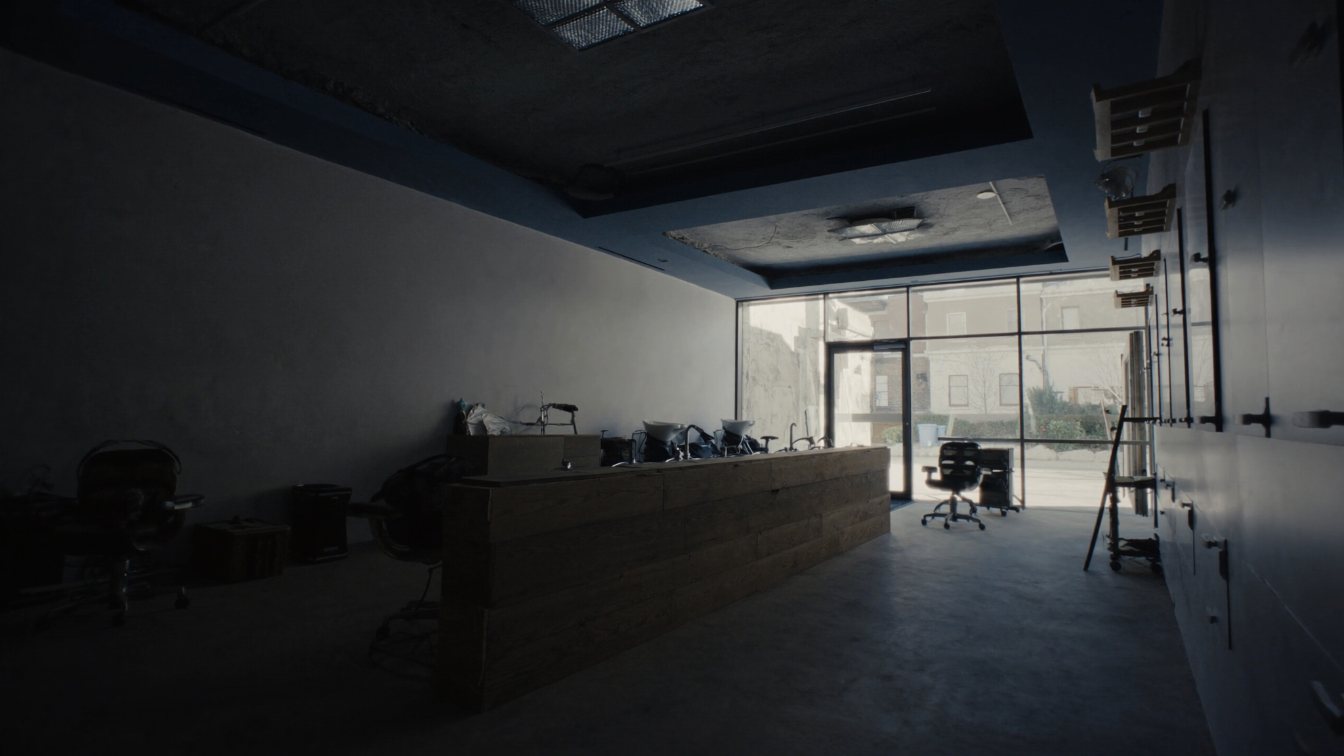
A courier and shipping store in Ontario needs a highly visible storefront with quick in-and-out parking, enough back-of-house to hold parcels securely until pickup, and preferably a rear door for carrier collections. The UPS Store, for example, describes its ideal unit as 800 to 1,200 square feet with 20 to 25 feet of glass frontage and rear-door delivery and pickup. In Toronto the use reads as a retail service under the zoning by-law. If you are a franchisee or a postal partner, the franchisor or carrier must approve the site, and the lease usually needs a franchise rider that lets the franchisor step in.
Looking for courier and shipping store space in Toronto or the GTA? Tell me what you need and I will send you units that fit, with the zoning and the lease checked before you commit.
What kind of shipping store are you opening
Courier and shipping counters come in three main shapes, and each changes what you need from the landlord.
- A franchise such as The UPS Store, where the franchisor approves the site and will almost always want rights in your lease.
- A carrier partner or dealer counter, for example a Canada Post authorized retail partner or a carrier’s authorized shipping location inside an existing business, where the carrier sets criteria and approves you.
- An independent shipping and mailbox store that resells several carriers’ services and often adds printing, packing supplies and mailbox rentals.
Independents have the most freedom on site selection, but the operational needs are the same: visibility, quick parking, a counter, a back room and a secure way to get parcels out the back to carrier vehicles. Many independents add copying and printing; if that is a large part of your plan, read my print and sign shop premises notes as well.
What the unit must have
The UPS Store’s franchising site lists its preferred real estate as 800 to 1,200 square feet, 20 to 25 feet of glass frontage, rear-door delivery and pickup, and a plaza with a strong grocery anchor or national-brand tenant mix, good visibility and ample parking. Those are one brand’s criteria, but they are a sensible benchmark for any shipping counter.
| Item | Why it matters | Who to ask |
|---|---|---|
| Frontage and visibility | Most shipping customers are making a quick errand and pick the location they can see from the road | Landlord; drive the site at peak hours |
| Short-term parking close to the door | Customers carry boxes; if they cannot park near the door they go elsewhere | Landlord; site plan; other tenants’ parking rights |
| Rear door or service corridor | Carrier drivers collect outbound volume without blocking the counter | Landlord and property manager |
| Secure back-of-house storage | Parcels held for pickup and outbound bags sitting overnight are your liability | Your insurer; landlord for alterations |
| Mailbox wall (if offered) | Needs a wall and secure access, sometimes after-hours access | Landlord for after-hours access and security system |
| Data and power at the counter | Carrier terminals, label printers, scales and copiers | Landlord; electrician |
| Accessible entrance and counter | Required for some carrier programs, and good practice for all | Carrier or franchisor; designer |
Zoning: confirm the use before you sign
In Toronto, Zoning By-law 569-2013 defines a Retail Service as premises in which photocopying, printing, postal or courier services are sold or provided. A counter-service shipping store fits that definition, and retail service uses are found in many commercial and mixed-use zones.
The same by-law defines a Warehouse as premises for keeping or storing goods to which the general public does not have access, which may also be used for distribution. If your plan is really a parcel depot, last-mile sortation or e-commerce fulfilment with a small counter at the front, you are describing something closer to a warehouse, and that belongs in an employment or industrial zone. My notes on warehouse and industrial space cover that side.
Mississauga, Brampton, Vaughan and the other GTA cities use their own zoning by-laws and their own use names. Ask the zoning desk which use your business falls under, and get the answer in writing during your condition period.
Franchise approval and the lease rider
If you are buying into a franchise, the franchisor’s real estate team is part of the deal. The UPS Store says it hand-picks each location to meet its criteria. In practice, that means your lease is reviewed against the franchisor’s requirements and usually carries a franchise rider or addendum.
Riders vary by brand and are negotiated, but they commonly cover:
- The franchisor’s right to receive copies of default notices and a chance to cure your default.
- The franchisor’s right to take an assignment of the lease, or put in a new franchisee, if your franchise agreement ends.
- The landlord’s consent to the brand’s signage, décor and fit-out standards.
- De-identification at the end, meaning removal of the brand’s signs and trade dress.
Read the rider alongside the franchise agreement, because the two must line up on term, renewals and what happens if one ends before the other. Ontario’s Arthur Wishart Act (Franchise Disclosure), 2000 requires the franchisor to give you a disclosure document at least 14 days before you sign the franchise agreement or pay any consideration, and it gives a franchisee rescission rights if disclosure is late or deficient. Ask your franchise lawyer how those timelines interact with your lease offer, so you are not firm on a lease before you have had proper disclosure.
Key takeaway
For a franchised shipping store, the site, the lease and the franchise agreement are one package. Do not firm up the lease until the franchisor has approved the site in writing and your lawyer has read the rider against the franchise agreement.
Postal and carrier partner programs
If part of your plan is a full-service post office counter, you are applying to a carrier, not just leasing a unit. Canada Post’s authorized retail partner page says it considers the store’s location and hours and opens retail post offices based on customer needs, that partners’ businesses must meet accessibility standards for retail businesses, and that partners who handle mail and access its facilities or systems must obtain security clearance. Options include a full-service post office, parcel pickup only, or stamps only.
Two practical consequences for the lease:
- Do not count on the postal counter in your business plan until it is approved, and ask the landlord for a condition or an early termination right if the program is central to your numbers.
- Accessibility at the entrance and counter is not optional for this route, so check the threshold, door width and washroom before you commit.
Carrier-authorized shipping locations run by FedEx, Purolator or others have their own criteria, which you get from the carrier.
Parcel storage, security and insurance
A shipping store is a small warehouse that the public walks into. At any moment you are holding other people’s property: outbound parcels waiting for collection, inbound parcels waiting for pickup and mailbox contents. That changes what you ask of the unit.
- Separate the public counter from the storage area with a locked door, and keep sight lines from the counter to the entrance.
- Ask the landlord whether you may install an alarm, cameras and a stronger rear door, and whether the plaza already has a monitored system.
- Ask your insurer before you sign what they require for goods in your care, after-hours storage and mailbox contents. Some conditions, such as monitored alarms, cost money to install.
- Check for water risk: a back room under a rooftop unit or next to a washroom stack is a poor place to stack parcels on the floor.
If you offer mailbox rentals with after-hours access, the landlord must agree to the access hours, any secondary door and the security setup, and it must be in the lease.
Short-term parking and the site plan
Parking decides most shipping store sites. Toronto’s review of parking requirements, adopted by Council in December 2021, moved the city away from minimum parking rates for most new development, so the parking you get in Toronto is whatever the plaza has, not a number the by-law guarantees for your unit. Suburban plazas in Mississauga, Brampton and Vaughan usually have more surface parking, but it is shared.
Ask for these in writing:
- A site plan showing parking, fire routes and loading areas, so you know where a carrier truck can legally stop.
- Whether any tenant has reserved or exclusive parking near your door.
- Whether the landlord will designate two or three short-term, signed spaces near your unit. Many landlords will, if you ask before signing.
- Whether carrier vehicles can reach your rear door without blocking a drive aisle.
The lease clauses that matter for a shipping store
- Permitted use. Shipping, courier and postal services, packing supplies, mailbox rentals, printing and copying, and any ancillary retail. Narrow use clauses are the most common problem I see; see how to word a use clause.
- Exclusive use. Ask for an exclusive on shipping and courier counters in the plaza, and check that you are not breaching someone else’s exclusive on copying or printing.
- Franchise rider. Notice and cure rights, assignment to the franchisor, brand signage consent, de-identification.
- Conditions. Franchisor or carrier approval, zoning confirmation and financing, with enough time for each.
- Parking. Designated short-term spaces, and a covenant that the landlord will not reconfigure the lot to remove them.
- Rear access and loading. Your right to use the rear door and service corridor for carrier pickups during business hours.
- Hours and after-hours access. Your right to open evenings and weekends and, if offered, after-hours mailbox access.
- Security alterations. Consent to alarms, cameras, a secure stock room and reinforced doors, and what must be removed at the end.
- Assignment. A clear path to assign the lease if you sell the business, which also matters to a franchisor’s resale process.
Deal-killers to check on a viewing
Watch for this
A great-looking unit at the back of a plaza, with parking taken by a busy restaurant at lunch and no rear door, will lose you customers every day. Visit at the hours your customers will come, usually late morning, lunch and late afternoon, before you decide.
- Parking within sight of your door is full at peak times.
- No rear door, or a rear door onto a fire route where trucks cannot stop.
- An existing tenant with an exclusive on shipping, copying or mailbox services.
- A step at the entrance or a narrow door that fails a carrier’s accessibility requirement.
- A landlord who will not allow after-hours access or security upgrades.
- A lease term shorter than your franchise term, with no renewal option to bridge the gap.
If you are buying an existing store, the retail store valuation tool gives a first read on value before we look at the lease.
Where I fit
I help shipping and courier store owners, both franchisees and independents, find visible plaza units with the parking and rear access this business needs across Toronto and the GTA. I check zoning before you sign, read the lease and franchise rider with you, and push for parking, exclusive-use and access terms while the landlord still wants the deal.
Find me courier and shipping store space
Tell me the area, size, budget and timing, and whether a franchisor or carrier has to approve the site.
I will come back to you personally, usually the same day, with spaces that fit. If it is urgent, call or text 833-330-1925.
Frequently asked questions
How big should a shipping store be?
The UPS Store's franchising site describes its ideal location as 800 to 1,200 square feet with 20 to 25 feet of glass frontage and rear-door delivery and pickup. Independent stores vary, but that range is a sensible benchmark. Size depends on how much parcel storage, packing space and mailbox wall you plan, and whether you add printing and copying.
Is a courier store allowed in a retail plaza zone?
Usually, but confirm it. Toronto's zoning by-law defines a retail service as premises where photocopying, printing, postal or courier services are sold or provided, and that use appears in many commercial zones. A parcel depot or fulfilment operation without public access is closer to the warehouse definition, which belongs in employment areas. Other GTA cities use their own by-laws.
What is a franchise lease rider?
It is an addendum to your lease that protects the franchisor. Common terms let the franchisor receive copies of default notices and cure them, take an assignment of the lease if your franchise ends, approve brand signage, and remove its trade dress at the end. Read it against your franchise agreement so the terms, renewals and termination rights line up.
Can I put a Canada Post counter in my shipping store?
You can apply. Canada Post's authorized retail partner program considers your location and hours, requires your business to meet accessibility standards for retail businesses, and requires partners who handle mail to obtain security clearance. Options include full-service post office, parcel pickup and stamps only. Do not rely on it in your numbers until it is approved.
How much parking does a shipping store need?
Enough short-term spaces close to the door that customers carrying boxes can park, drop off and leave within minutes. In Toronto there is generally no by-law minimum that guarantees parking for your unit, so it comes down to the plaza. Ask the landlord to designate and sign a few short-term spaces near your door in the lease.
When must a franchisor give me the disclosure document?
Under Ontario's Arthur Wishart Act, you must receive the disclosure document at least 14 days before you sign the franchise agreement or pay any consideration. If disclosure is late or deficient, you may have a right to rescind within 60 days of receiving it, or within two years if it was never given. Ask your franchise lawyer how this interacts with your lease offer.
What insurance concerns affect a parcel store lease?
You hold other people's property, so insurers ask about goods in your care, overnight storage, alarms and mailbox contents. Some require a monitored alarm or specific locks. Get your insurer's requirements before you sign and make sure the lease lets you install the alarm, cameras and secure storage room they ask for, and says what you must remove at the end.
Sources
- The UPS Store Canada — Franchising: real estate — site selection, ideal size, frontage, rear door
- Canada Post — Become an authorized retail partner — partner criteria, accessibility, security clearance
- Government of Ontario — Arthur Wishart Act (Franchise Disclosure), 2000 — 14-day disclosure and rescission rights
- City of Toronto — Zoning By-law 569-2013, Chapter 800 Definitions — retail service and warehouse definitions
- City of Toronto — Review of parking requirements — move away from parking minimums, 2021-2022
- City of Toronto — Municipal Code Chapter 694, Signs, General — sign permits for storefront signage
- Government of Ontario — Accessibility rules for businesses and non-profits — customer service and public spaces standards
Related reading
- Print and sign shop premises
- Cellphone repair store premises
- Convenience store premises in Ontario
- Warehouse and industrial space
- The commercial lease use clause
- The use clause in a commercial lease
About the author — Jatin Dua, Toronto and GTA real estate broker
I am Jatin Dua, Broker of Record and co-founder of RE/MAX Quantum Realty Inc., Brokerage, Unit 101, 799 The Queensway, Toronto. I help business owners across Toronto and the GTA find, assess and lease commercial space, and I work with buyers and sellers of homes and businesses. Four-plus years of active GTA transactions and over $100 million in sales volume. Every rule here comes from a regulator, statute or by-law linked in the sources, so you can check all of it without asking me.
Reach me at [email protected] or 833-330-1925, or book a call.