
Published 18 October 2026 · By Jatin Dua, Broker of Record, RE/MAX Quantum Realty
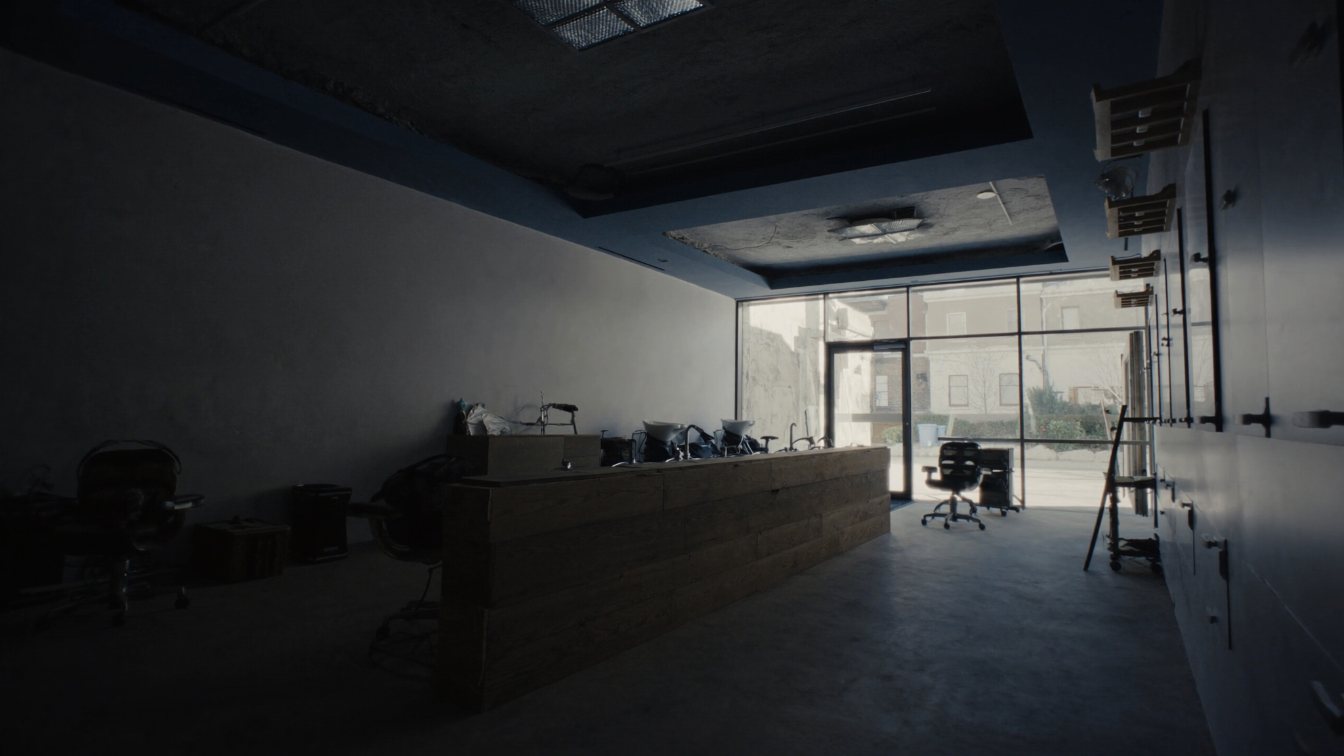
A photography or podcast studio in Ontario needs a unit where the zoning permits the use (Toronto's Zoning By-law 569-2013 defines a production studio and permits it in CR, EL, E and EO zones, subject to site exceptions), enough clear height and loading for sets and lighting, quiet neighbours, adequate power and HVAC, and a lease that expressly allows hourly third-party bookings. If the unit's previous major occupancy was different, section 10 of the Building Code Act can require a change of use permit even with no construction, and any booths or rooms you build need a building permit.
Looking for studio space in Toronto or the GTA? Tell me what you need and I will send you units that fit, with the zoning and the lease checked before you commit.
What a photo or podcast studio unit actually needs
The studio units that work are usually less romantic than the loft people picture: a light industrial bay or commercial suite with the right structure, quiet neighbours and a lease that lets you bring clients in by the hour.
Before you look at finishes, sort the space against five physical tests:
- Clear height. For photo and video, height is the whole game. Measure to the underside of the lowest beam, duct or sprinkler line, not to the roof deck. A cyc wall, a lighting grid and overhead shots all eat height. For a podcast-only studio, height matters far less than isolation.
- Isolation from vibration and noise. A podcast booth beside a tenant running compressors, a gym dropping weights or a loading dock with trucks idling is a bad room no matter how much foam you hang. Visit at the busiest time of day, stand in the unit and listen.
- Loading. Photo work means sets, backdrops, furniture, products and sometimes vehicles. A drive-in or dock-level door and a short, level path to the shooting floor will save hours on every booking.
- Power. Continuous lighting, strobes, LED walls and HVAC for a sealed room all draw power. Ask what service the unit has and whether the panel has room for new circuits before you sign.
- Washroom and client space. Clients, talent and guests need a washroom, somewhere to change and somewhere to wait. Check what exists and whether it is shared with other units.
Industrial bays usually win on height and loading; plaza suites win on client parking and visibility but often lose on height and quiet.
Zoning: production studio, artist studio or something else
Zoning decides whether the use is allowed at the address at all, and it is separate from the building permit. In Toronto the city-wide Zoning By-law 569-2013 defines a production studio as premises used for producing live broadcasts, motion pictures, or audio or video recordings or transmissions, and says the mass reproduction of film or recordings is not a production studio. It defines an artist studio as premises used for creating art or craft, and a performing arts studio as premises used for rehearsal of music, dance or theatre.
A podcast studio fits the production studio wording closely. A photography studio is less clear: product and video shoots read like production; a portrait studio that is really a customer-facing service can be read differently. Settle the label before you sign, because the label decides which zones work.
In the current office consolidation of 569-2013, production studio appears in the permitted-use lists for the Commercial Residential (CR) zone and for the Employment Light Industrial (EL), Employment Industrial (E) and Employment Industrial Office (EO) zones. That is a good start, but site-specific exceptions and older former-municipality by-laws still apply to some properties, so the zone map alone is not proof.
The cheapest way to get a written answer in Toronto is a Zoning Use Review, which the city describes as confirming whether a proposed use is permitted at a specific location without submitting plans; the fee is $214.79 per request per registered lot as of January 1, 2026. If your use is not on that form, or you are also building rooms, a Zoning Applicable Law Certificate is the fuller review. In Mississauga, Brampton, Vaughan or Oakville, ask the zoning section of the building department what the closest defined use is and whether it is permitted in that zone. Brampton’s own change-of-use guidance tells applicants to check with its Zoning Plans Examiner before applying.
Key takeaway
Get the use named in writing before you sign. “Production studio” is permitted in more Toronto employment and commercial-residential zones than people expect, but a studio that rents out for parties and launches can drift into uses the city zones and licenses separately.
Hourly rentals, sublets and events: where studios get into trouble
Most studios pay the rent by renting the room to other photographers, creators and brands by the hour or day. That model raises three separate questions, and landlords and cities look at each one differently.
- Is hourly rental allowed under your lease? Most commercial leases prohibit assigning, subletting or “parting with possession” of any part of the premises without the landlord’s consent. A short booking is usually closer to a licence to use the room than a sublease, but you do not want to argue that after the fact. Ask for the lease to say plainly that short-term bookings of the studio to third parties are part of the permitted use and do not need consent each time.
- Does the booking change the use? A shoot is a shoot. A product launch with a DJ and 120 guests is something else. Toronto lists entertainment places of assembly and nightclubs among the categories that need a zoning review for a business licence, and those uses are zoned more tightly than a studio.
- Is alcohol involved? The AGCO says a special occasion permit lets you sell alcohol at private or public events, and that a private place is an indoor place the public would not normally be in and that is not rented out to the public. A studio rented out to the public is not that. If clients want bars at events, have them deal with the AGCO properly and keep your lease and insurance in step.
Watch for this
The Commercial Tenancies Act lets a landlord re-enter if you carry on a business that needs a municipal licence without having that licence. If your studio starts hosting events that fall into a licensed category, you put the lease itself at risk, not just a fine.
Building permit and change of use
Section 10 of the Building Code Act says that even when no construction is proposed, no one may change the use of a building or part of a building, or permit the use to be changed, if the change increases the hazard as determined by the Building Code, unless the chief building official has issued a permit. Toronto states it simply: even if no construction is proposed, if a change of use is proposed a building permit is required.
Whether you trigger it depends on the existing major occupancy of the unit. The Ontario Building Code groups uses into major occupancies, including Group A (assembly), D (business and personal services), E (mercantile) and F (industrial, split into high, medium and low hazard). A studio moving into a former warehouse bay, or into a former store, may be a change of major occupancy; a studio replacing another studio or an office may not. If the unit’s past use cannot be determined, the Code treats that as a change too.
Studios also tend to build: sound rooms, a client lounge, a makeup room, a washroom, new HVAC. That is construction, which needs a permit in its own right. Under Part 10 of the 2024 Building Code, a building that changes major occupancy must not end up with a lower performance level, and one of the tests is whether the existing floor and roof framing can carry the loads of the new occupancy. If you plan to rig lights or hang sets from the roof structure, get an engineer to look at it.
The full process, costs and timelines are in my guide to the change of use permit for commercial tenants.
Soundproofing, HVAC and the neighbours
Soundproofing is two problems: keeping outside noise out of your recordings and keeping your playback and shoots out of the neighbours’ space. Both are cheaper to solve by picking the right unit than by building.
- Room-in-a-room builds (floated floor, independent walls and ceiling) are construction, so they go on your permit drawings, and the extra weight is a structural question.
- Ventilation is where most DIY booths fail. A sealed booth gets hot and stuffy in minutes. Quiet ducting and a separate supply and return need a mechanical designer. Changing the HVAC also means the landlord’s consent under almost every lease.
- Noise limits are municipal. Toronto’s noise by-law sets amplified sound limits measured at a point of reception. Inside a neighbouring living area the limit is 50 dB(A) or 65 dB(C) from 7 a.m. to 11 p.m. and 42 dB(A) or 57 dB(C) overnight, and the city lists an $800 fine for amplified sound over the limits. If the plaza has apartments above, those numbers matter for late shoots with playback.
Ask the landlord what the neighbouring tenants do and when they operate.
Fire, occupant load and accessibility
A studio with a few people on set is a light use. A studio that hosts live-audience tapings, workshops or launches becomes an assembly space for those hours, and the Building Code says that where a room is used for different occupancies at different times, the occupant load uses the value that gives the greatest number of persons. In practice, design the exits, washrooms and fire separations for your busiest event, not your quietest shoot.
Under the Ontario Fire Code, the number of people in an assembly room cannot exceed its occupant load, and where that load is more than 60 persons it must be posted in a conspicuous location. Keep backdrops, drapes and set pieces out of the exit path.
On accessibility, Ontario’s customer service standard under O. Reg. 191/11 applies to every provider of goods, services or facilities with at least one employee in Ontario: you need policies on serving people with disabilities, including service animals and support persons. Physical barrier-free requirements come through the Building Code when you build or change the space, so ask your designer what your permit will trigger.
Studio checklist: what to confirm and who to ask
| Item | Why it matters | Who to ask |
|---|---|---|
| Zoning use name (production studio, artist studio, other) | Decides whether the address works at all | City zoning section; Toronto Zoning Use Review |
| Existing major occupancy of the unit | Decides whether a section 10 change of use permit applies | Landlord’s past permits; building department; your designer |
| Clear height to lowest obstruction | Lighting grid, cyc wall and overhead shots | Measure on site; landlord’s drawings |
| Roof and floor structure capacity | Rigging, sets, room-in-a-room builds | Structural engineer |
| Electrical service and panel space | Lighting loads and new circuits | Landlord; licensed electrical contractor |
| Neighbouring tenants and hours | Noise and vibration in recordings | Landlord; site visit at peak times |
| Loading door and path | Every shoot moves gear and sets | Site visit; lease schedule of loading rights |
| Hourly rental and event rights | Your revenue model | The lease; your lawyer |
The lease clauses that matter for a studio
Studio leases go wrong in the use clause and the alterations clause. The clauses I push for:
- Permitted use written for the real business. “Photography, video and audio production studio, including the rental of the studio to third parties by the hour or day for production purposes, and ancillary workshops and client events.” Not “office” or “studio” with no detail. My guide to the commercial lease use clause explains why one vague word matters.
- Short-term bookings carved out of the assignment and subletting clause. State that third-party bookings are licences to use the studio and do not need landlord consent.
- Landlord’s approval of your build. Attach a preliminary layout of booths, sets and HVAC changes as a schedule and have the landlord approve it in the lease, so you are not waiting on consent after you sign.
- Restoration. Say which studio improvements stay and which you must remove at the end. Removing a room-in-a-room build is expensive.
- Hours and access. 24-hour access, weekend use, and access to the loading door and freight elevator outside business hours.
- Noise covenant both ways. You will meet the noise by-law; the landlord will not lease the next unit to a use that makes recording impossible, or at least will give you notice and a right to object.
- Permit condition and free rent. The lease is conditional on zoning confirmation and, where needed, a change of use or construction permit, with fixturing time that starts once the permit is issued.
- HVAC and electrical. Who pays for upgrades, who maintains a dedicated studio HVAC unit, and what happens if base-building systems cannot support it.
Deal-killers to check on a viewing
- Clear height under ducts and sprinklers too low for your lighting.
- A gym, dance studio, woodshop or loading dock sharing a wall with your recording room.
- No drive-in or dock door, or a long carry through a common corridor.
- A zone where production studio is not permitted, or a use label that only fits after a stretch.
- A lease that limits use to “office” or bans third-party use of the premises.
- A landlord who will not consent to HVAC changes or a room build.
- No washroom inside the unit, and a shared one that closes at 6 p.m.
- Residential units above or beside you if you plan late shoots with playback.
Plenty of good studio space sits in industrial buildings; my guide to warehouse and industrial space in Ontario covers how those leases and additional rent work. If your studio will also teach, read the music school premises guide too.
Where I fit
I help photographers, video producers and podcasters across Toronto and the GTA find studio space that works, from light industrial bays in Etobicoke and Mississauga to commercial suites in Vaughan and Markham. Before you sign, I check the zoning use, ask about past permits, and read the lease for the use, subletting and alterations clauses that decide whether hourly bookings are allowed. If you are weighing an industrial unit, my industrial property value estimator gives a quick sense of the building behind the lease.
Find me studio space
Tell me the area, size, clear height, budget and timing, and whether you need loading or quiet, and I will send units that fit.
I will come back to you personally, usually the same day, with spaces that fit. If it is urgent, call or text 833-330-1925.
Frequently asked questions
Can I open a podcast studio in a commercial plaza in Toronto?
Often, yes. Toronto's Zoning By-law 569-2013 defines a production studio as premises for producing live broadcasts or audio or video recordings, and lists it as permitted in the CR zone that covers many main-street and plaza properties. Site-specific exceptions can change that, so confirm the address with a Zoning Use Review or the zoning section before signing a lease.
Is a photography studio a production studio for zoning?
It depends on what you do. Product, fashion and video shoots read naturally as production. A portrait studio that mainly serves walk-in customers may be classed differently by the city. Describe your actual activities to the zoning examiner and get the use named in writing, because the label decides which zones and which permits apply.
Do I need a permit to turn a warehouse bay into a studio?
Possibly, even with no construction. Section 10 of the Building Code Act requires a permit when a change of use increases the hazard as determined by the Building Code, such as a change of major occupancy. Any booths, washrooms, walls or HVAC work you add also need a building permit. Ask the building department before you commit.
Can I rent my studio out by the hour if I lease the space?
Only if your lease allows it. Most commercial leases restrict subletting or parting with possession without consent. Short bookings are usually closer to a licence than a sublease, but the safe route is a permitted-use clause that names third-party hourly and daily bookings and a carve-out from the assignment and subletting clause.
How much ceiling height does a photography studio need?
There is no code minimum for studio work, so it comes down to your lighting, backdrops and the shots you sell. Measure clear height to the lowest beam, duct or sprinkler pipe rather than the roof deck. Light industrial bays usually offer the most height; second-floor commercial suites often have the least.
What noise rules apply to a studio in Toronto?
Toronto's noise by-law sets amplified sound limits measured where people receive the sound. Inside a neighbour's living area the limit is 50 dB(A) or 65 dB(C) from 7 a.m. to 11 p.m. and 42 dB(A) or 57 dB(C) overnight. The city lists an $800 fine for amplified sound over the limits, which matters if apartments are nearby.
Can I host launch parties and events in my studio?
Be careful. Events change who is in the room and can push the space into an assembly or entertainment use. Toronto requires a zoning review for business licences in categories such as entertainment places of assembly and nightclubs. Alcohol needs AGCO approval, and the Fire Code caps how many people an assembly room can hold.
Sources
- City of Toronto — Zoning By-law 569-2013, Chapter 800 Definitions — production, artist and performing arts studio definitions
- City of Toronto — Zoning By-law 569-2013, Chapter 60.10 EL zone — production studio permitted in EL zone
- City of Toronto — Zoning Use Review — use-only review, $214.79 fee from Jan 1 2026
- Government of Ontario — Building Code Act, 1992 (e-Laws) — section 10 change of use permit
- Publications Ontario — 2024 Building Code Compendium update — major occupancies, Part 10, occupant load 3.1.17.1
- Government of Ontario — Fire Code, O. Reg. 213/07 — assembly occupant load and posting over 60
- City of Toronto — Noise — amplified sound limits and fine
- Government of Ontario — Commercial Tenancies Act (e-Laws) — re-entry for unlicensed business, s. 18(2)
- AGCO — Special occasion permits — alcohol at events, private place definition
Related reading
- Change of use permits for commercial tenants
- The commercial lease use clause
- Warehouse and industrial space in Ontario
- Music school premises
- Entertainment venue premises
- The use clause in a commercial lease
About the author — Jatin Dua, Toronto and GTA real estate broker
I am Jatin Dua, Broker of Record and co-founder of RE/MAX Quantum Realty Inc., Brokerage, Unit 101, 799 The Queensway, Toronto. I help business owners across Toronto and the GTA find, assess and lease commercial space, and I work with buyers and sellers of homes and businesses. Four-plus years of active GTA transactions and over $100 million in sales volume. Every rule here comes from a regulator, statute or by-law linked in the sources, so you can check all of it without asking me.
Reach me at [email protected] or 833-330-1925, or book a call.