
Published 18 October 2026 · By Jatin Dua, Broker of Record, RE/MAX Quantum Realty
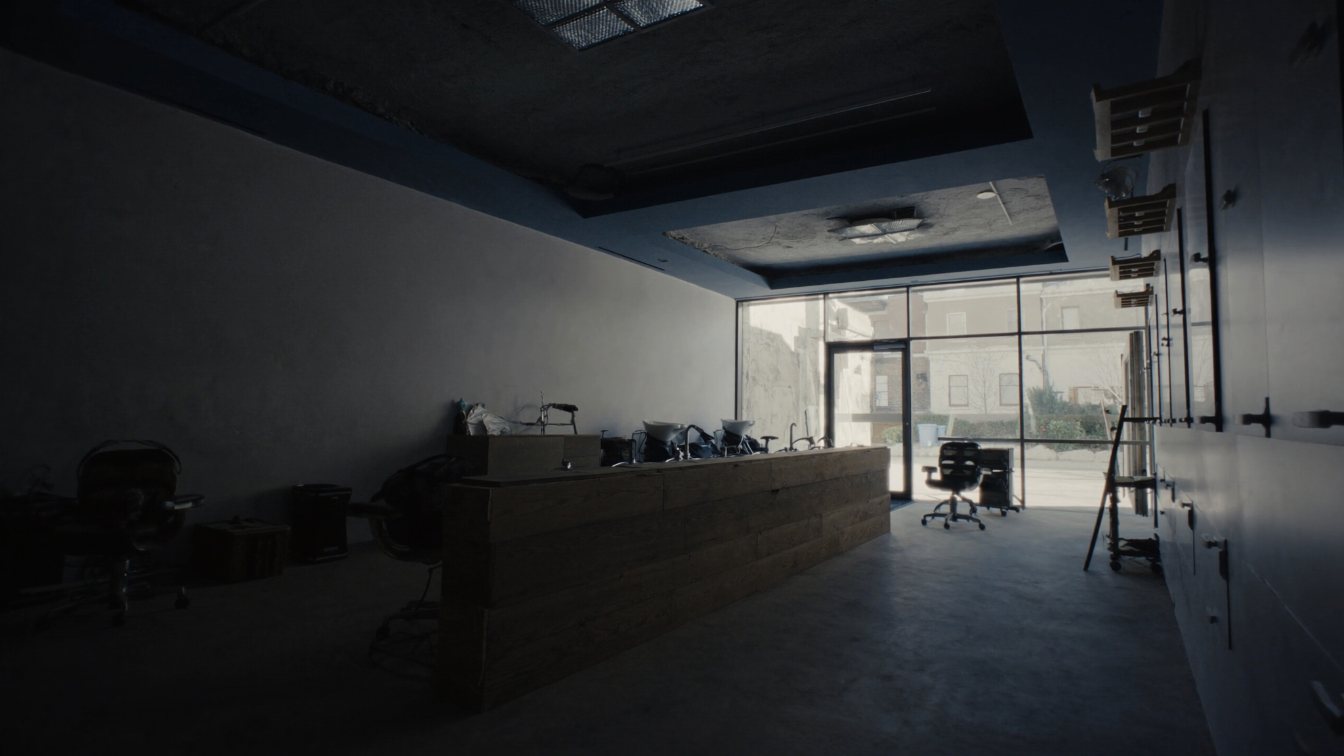
A pizza or take-out unit in Ontario needs a kitchen that meets O. Reg. 493/17: hot and cold running water, staff handwashing stations, a dishwasher or three-compartment sink, cold holding at 4°C and hot holding at 60°C. Fryers and any cooking that produces grease-laden vapour need an NFPA 96 hood and suppression under the Ontario Fire Code. A wood-fired oven must be installed to CSA-B365. Gas work needs a registered contractor, and Toronto and Peel require a grease interceptor. Confirm the zone permits a take-out eating establishment, and in Toronto apply for a Take-out or Retail Food Establishment licence.
Looking for pizza or take-out space in Toronto or the GTA? Tell me what you need and I will send you units that fit, with the zoning and the lease checked before you commit.
Take-out, delivery or seats: decide first
Before we tour any units, I ask a pizza client one question: will anyone eat inside? Toronto Zoning By-law 569-2013 defines a take-out eating establishment as premises where food is prepared and sold for consumption off the premises. An eating establishment serves customers who eat on the premises while seated. Some plaza units permit one but not the other, and a few tables can turn a take-out unit into a different use.
The Toronto licence follows the same line. Since 1 January 2025, a pickup and delivery shop needs a Take-out or Retail Food Establishment licence. The application fee is $197.60, the licence fee another $197.60 and renewal $261.04. A pizzeria with seating needs an Eating or Drinking Establishment licence instead. Most new applications need an approved zoning review first. Mississauga’s restaurant or retail food business licence names take-out restaurants as retail food businesses. It needs a Zoning Certificate of Occupancy or building permit and a Peel health clearance, and costs $225.66 new.
Ovens, fryers and the Fire Code
Ovens drive the whole pizza build. Ontario Fire Code Article 2.6.1.12 requires any cooking that produces smoke or grease-laden vapour to have an exhaust system and fire protection system that comply with NFPA 96. Article 2.6.1.13 requires them to be maintained to NFPA 96. Fryers for wings and fries, charbroilers and flat-tops all land you in that rule. You will need a hood, duct to the roof, make-up air, a wet-chemical suppression system, posted manual operating instructions (2.6.1.14) and Class K portable extinguishers (6.2.6.12).
- Gas or electric deck and conveyor ovens: Whether these need the same hood as fryers is a question for the fire and building officials reviewing your permit. Sentence 2.6.1.12(3)(b) excludes cooking that produces insignificant smoke or grease-laden vapour controlled by other approved measures. Bring the oven spec sheets to the permit meeting.
- Wood-fired or other solid-fuel ovens: Article 2.6.2.1 requires solid-fuel-burning appliances to be installed to CSA-B365. Expect the chimney or flue route, clearances to combustibles and storage for fuel to be reviewed closely. In a multi-storey building with residential units above, the flue route can be the end of the idea.
- Existing systems: Under 2.6.1.12(2), an existing hood and suppression system may be approved. A unit that held a pizzeria with fryers can save you a lot, but only if the system matches your line.
What the unit must have
| Item | Why it matters | Who to ask |
|---|---|---|
| Gas meter and line sized for ovens plus fryers | Deck ovens and fryers together are a heavy gas load; installation and alteration need a certificate holder and a registered contractor (O. Reg. 212/01 s. 6, 21) | Gas contractor, utility |
| Electrical service | Electric conveyor ovens, mixers, walk-in cooler and HVAC; work needs a Licensed Electrical Contractor and ESA notification | Electrician |
| Make table and walk-in or reach-in cooler | Toppings, cheese and dough held at 4°C or lower, with accurate thermometers (O. Reg. 493/17 s. 27, 30) | Refrigeration contractor |
| Hot holding for staged orders | Potentially hazardous food held hot must stay at 60°C or higher, with an easily read thermometer (s. 27, 30) | Equipment supplier |
| Three-compartment sink or dishwasher, plus handwashing stations | Required for utensils, pans and mixer bowls, with staff-only hand basins (s. 7(3)(c), 18) | Kitchen designer |
| Grease interceptor | Required in Toronto (Chapter 681) and Peel (By-law 53-2010); utensil sinks and cooking equipment drains must connect | Plumber, landlord |
| Dry storage on racks | Flour, boxes and canned goods stored on racks, shelves or pallets that protect food and can be cleaned (s. 31) | Landlord (storage room) |
Two other rules matter for a late-night shop. A food handler or supervisor with food handler training must be on site during every hour you operate (s. 32), including the 1 a.m. shift. Records of food purchases must be kept on the premises for a year (s. 29(2)).
Grease: what a pizza and wings line costs to maintain
Toronto Chapter 681, § 681-10B, requires a grease interceptor for any premises where food is cooked, heated, processed or prepared. The City’s maintenance rules set four-week servicing for hydro-mechanical units, or sooner if grease and solids reach 25 per cent of the liquid volume. A pizza shop with a fryer is not eligible for self-servicing, so you will need a waste carrier approved by the Ministry of the Environment, Conservation and Parks, and seven years of records. Peel’s Wastewater By-law 53-2010 places the same interceptor duty on business premises in Mississauga and Brampton. Ask the landlord for the existing interceptor’s size, location and service records before you rely on it.
The interceptor, hood and kitchen layout all go through two separate reviews. Toronto Public Health wants your plans before construction, showing equipment, exhaust canopies, sinks, hand basins and food and waste storage, and it inspects before you open. Peel Public Health wants notice at least 14 days before opening and approves floor plans. The building department reviews the same work under the building code. If the unit was never a food use, section 10 of the Building Code Act means a change of use that increases hazard needs a permit even if you build nothing.
Meat toppings and selling to other stores
Every meat topping on a pizza has to come from an animal inspected and approved under O. Reg. 31/05 or the federal rules, and be stamped or labelled accordingly (O. Reg. 493/17 s. 38). Buy from suppliers who can show it, and keep the invoices.
Some operators want to sell frozen or par-baked pizzas to convenience stores or other retailers. Ontario’s meat regulation, O. Reg. 31/05, contains an exemption in s. 2.1(1) for premises where the only meat products made are sandwiches or pizzas that include meat, or products that are 25 per cent meat or less by weight. A pizza wholesale line does not, on its own, need a provincial meat plant licence, though public health still inspects you under the Food Premises Regulation. If you ship outside Ontario, ask the Canadian Food Inspection Agency about federal licensing.
Delivery, parking and late hours
In Toronto, Chapter 200 of By-law 569-2013, as amended by By-law 89-2022, sets only maximum parking rates for eating establishments: 3.5, 4.0 or 6.0 spaces per 100 square metres depending on the parking zone. Zoning will rarely stop you, but the plaza lease can. Delivery drivers idling at the door, couriers on e-bikes and customers picking up orders need short-term stalls near your entrance. Ask for a few designated pickup stalls in the lease.
Late hours alone do not move a pizzeria into Toronto’s Expanded Activity licence. That category applies only when three of four criteria are met: open past 11 p.m. on most days, a liquor licence, entertainment and an occupant load over 150. A take-out shop is not an eating or drinking establishment at all. Check that the lease allows the hours you need.
The gas meter is the first number I ask for
A unit with the right gas and power, an existing hood that fits your line and a serviced interceptor can be open in weeks. A unit that needs a gas upgrade, a new duct to the roof and an interceptor in the slab can take months. Get those three facts before you negotiate rent.
The lease clauses that matter for a pizza or take-out shop
- Use clause: “Take-out and delivery restaurant selling pizza, wings, pasta, salads, sandwiches and related items, with incidental seating where permitted.” Broad wording protects a future sale. The use clause guide explains why.
- Exclusive: Pizza exclusives are among the most common in GTA plazas. Ask for one, and check none already exists.
- Gas and electrical capacity: Put the meter size and amperage in the lease, with the landlord covering any shortfall it represented.
- Exhaust and roof rights: Include the duct route, roof fan, make-up air unit and access for NFPA 96 cleaning, and say who pays for roof penetrations.
- Grease interceptor: Set out ownership, replacement if the City or Region orders one, and servicing costs.
- Hours and pickup parking: Late-night operation, designated pickup stalls and delivery vehicle access.
- Signage: Storefront and pylon signage, which matter more for take-out than for most uses.
- Fixturing and conditions: Conditions on zoning confirmation and permits, and a rent-free fixturing period.
- Assignment and franchise rider: Assignment on a sale, and a landlord-signed franchisor rider if you are a franchisee. For the exit side, read selling a franchise restaurant.
Deal-killers to check on a viewing
Check the hood against your menu, not against the sign
A former pizza shop’s hood may cover the ovens but not the fryer you want to add, and an old suppression system may not be serviceable. Ask for the latest NFPA 96 cleaning and suppression service tags, and get a hood contractor to look before you agree to buy the equipment.
- Gas service too small for ovens plus fryers, with a long utility upgrade time.
- No route for a duct or flue, especially below residential units.
- Zoning that permits a retail store but not a take-out eating establishment.
- A pizza exclusive held by another tenant.
- No stalls near the door for pickup and delivery.
- No room for an interceptor, or no truck access for servicing.
For the full kitchen rules, read the restaurant premises hub. If you plan delivery-only brands from the same kitchen, read the ghost kitchen and commissary guide.
Where I fit
I help pizza and take-out operators, franchise and independent, find plaza and main-street units across Toronto, Mississauga, Brampton, Vaughan and the rest of the GTA. Before you sign, I check gas, power, the hood and the interceptor, confirm zoning, and read the lease for exclusives, hours and assignment. If you are buying an existing shop, my restaurant valuation tool gives a starting number.
Find me pizza or take-out space
Tell me the area, size, oven and fryer plans, budget and timing, and I will send units with the gas, hood and parking a take-out kitchen needs.
I will come back to you personally, usually the same day, with spaces that fit. If it is urgent, call or text 833-330-1925.
Frequently asked questions
Does a pizza oven need a hood in Ontario?
It depends on what the cooking produces. Ontario Fire Code Article 2.6.1.12 requires an NFPA 96 hood and suppression system for cooking that produces smoke or grease-laden vapour, and excludes cooking that produces insignificant amounts controlled by other approved measures. Fryers almost always need a hood. For deck or conveyor ovens, the fire and building officials decide at the permit stage.
Can I put a wood-fired pizza oven in a leased unit in Ontario?
Possibly. Ontario Fire Code Article 2.6.2.1 requires solid-fuel-burning appliances to be installed to CSA-B365, so the flue route, clearances to combustibles and fuel storage will be reviewed. You also need a building permit and the landlord's consent to the flue. In buildings with residential units above, finding a legal flue route is often what stops the plan.
What licence does a pizza take-out need in Toronto?
A pickup and delivery shop with no on-site eating needs a Take-out or Retail Food Establishment licence: $197.60 to apply, $197.60 on approval and $261.04 to renew. If you add seating where customers eat on site, you need an Eating or Drinking Establishment licence. Most new applications require an approved zoning review for the business licence first.
Does a pizza shop need a grease trap?
Yes, in Toronto and Peel. Toronto Chapter 681 requires a grease interceptor wherever food is cooked, heated, processed or prepared, and Peel's Wastewater By-law 53-2010 requires one for business premises that may discharge fats, oils and grease. With a fryer, Toronto requires servicing every four weeks by an approved waste carrier, with records kept for seven years.
Do I need a meat plant licence to sell frozen pizzas to stores in Ontario?
Usually not. O. Reg. 31/05, Ontario's meat regulation, exempts premises where the only meat products made are sandwiches or pizzas that include meat, or products that are 25 per cent meat or less by weight. You are still a food premises inspected by public health, and the meat you use must come from inspected sources. Shipping outside Ontario raises federal questions.
Can I open a pizza shop in any plaza unit?
Only if zoning permits the use and the unit can take the kitchen. In Toronto, a take-out eating establishment and an eating establishment are separate defined uses, and a unit approved for retail may not permit either. Check gas and electrical capacity, a route for the exhaust duct, space for a grease interceptor, and any pizza exclusive already granted to another tenant.
Who can install gas equipment in a pizza shop in Ontario?
Under O. Reg. 212/01, only a person holding the appropriate certificate may install, alter, purge, activate, repair or service a gas appliance. Anyone in the business of installing appliances must be a registered contractor. Use a registered gas contractor for ovens and fryers, and have them confirm the meter and line can carry the full load before you sign.
Sources
- Government of Ontario (e-Laws) — O. Reg. 213/07: Fire Code — 2.6.1.12–2.6.1.14 NFPA 96, 2.6.2.1 CSA-B365, Class K
- Government of Ontario (e-Laws) — O. Reg. 493/17: Food Premises — temperatures, sinks, food handler, purchase records, meat sources
- Government of Ontario (e-Laws) — O. Reg. 31/05: Meat (Food Safety and Quality Act, 2001) — s. 2.1(1) exemption for pizzas and sandwiches with meat
- Government of Ontario (e-Laws) — O. Reg. 212/01: Gaseous Fuels — certificate holders and registered contractors
- City of Toronto — Take-out or retail food establishment licence — Take-out or Retail Food Establishment licence and fees
- City of Toronto — Zoning By-law 569-2013, Chapter 800 Definitions — take-out eating establishment definition
- City of Toronto — Zoning By-law 569-2013, Chapter 200 Parking Space Regulations — eating establishment parking maximums
- City of Toronto — Grease interceptor maintenance — four-week servicing, approved carrier, records
- City of Mississauga — Restaurant or retail food business licensing — take-out restaurants as retail food businesses
Related reading
- Restaurant premises in Ontario (food hub)
- Ghost kitchen and commissary premises
- Selling a franchise restaurant in Ontario
- The use clause in a commercial lease
- Restaurant valuation tool
- The use clause in a commercial lease
About the author — Jatin Dua, Toronto and GTA real estate broker
I am Jatin Dua, Broker of Record and co-founder of RE/MAX Quantum Realty Inc., Brokerage, Unit 101, 799 The Queensway, Toronto. I help business owners across Toronto and the GTA find, assess and lease commercial space, and I work with buyers and sellers of homes and businesses. Four-plus years of active GTA transactions and over $100 million in sales volume. Every rule here comes from a regulator, statute or by-law linked in the sources, so you can check all of it without asking me.
Reach me at [email protected] or 833-330-1925, or book a call.