
Published 18 October 2026 · By Jatin Dua, Broker of Record, RE/MAX Quantum Realty
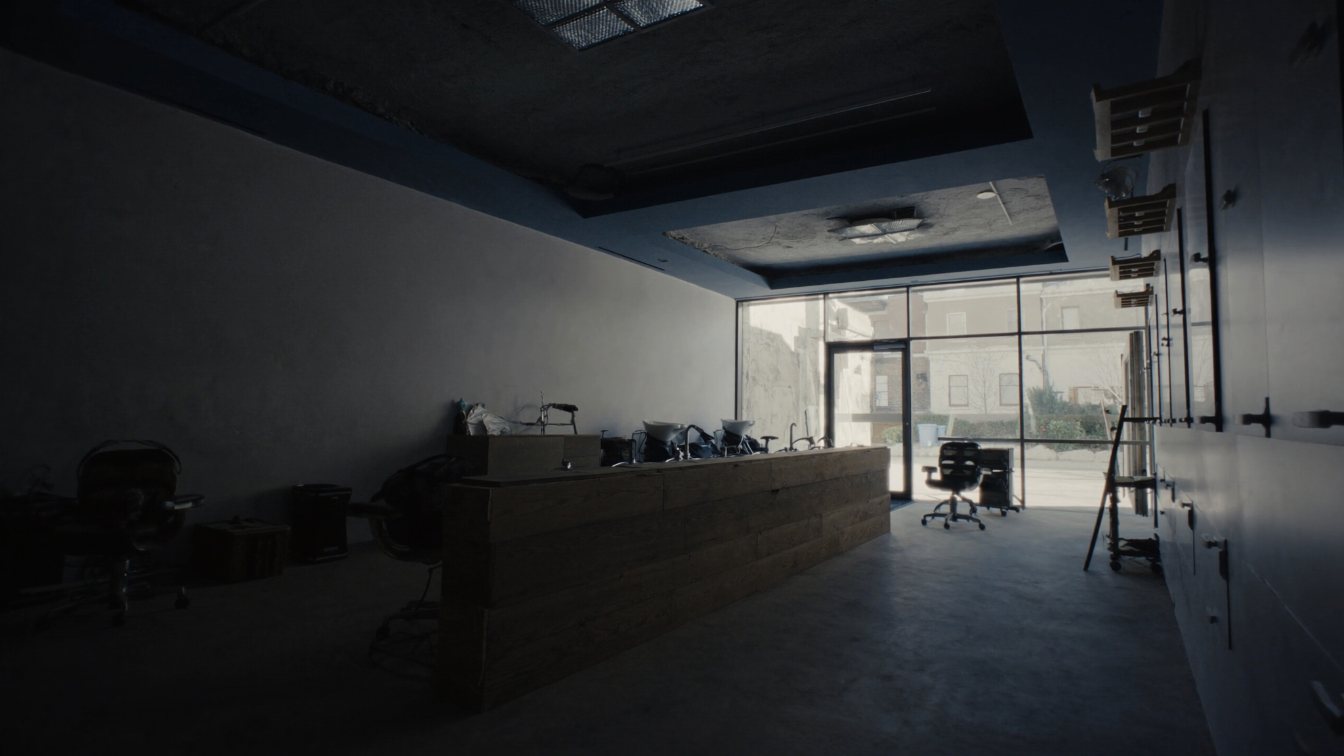
A ghost kitchen or commissary in Ontario is still a food premises under O. Reg. 493/17, and delivery-only meals still count as a food service premise, so the full kitchen, sanitation and food handler rules apply. The key questions are zoning and scale. In Toronto's Employment Light Industrial zone, eating and take-out eating establishments on a lot are capped at 500 square metres combined, and food manufacturing there cannot involve meat, fish or dairy. Supplying meat products to other businesses can require a provincial meat plant licence. Plan for a large grease interceptor, backflow protection, strong ventilation and a lease that allows shared use.
Looking for ghost kitchen or commissary space in Toronto or the GTA? Tell me what you need and I will send you units that fit, with the zoning and the lease checked before you commit.
Ghost kitchen, commissary or food plant: name the use correctly
“Ghost kitchen” is not a term in any Ontario statute or Toronto by-law. Regulators look at what you actually do, and three businesses get called ghost kitchens:
- Delivery-only restaurant: Meals cooked for delivery apps and pickup. O. Reg. 493/17 defines a food service premise as one where meals are prepared for immediate consumption “on the premises or elsewhere”. Delivery-only kitchens fit that definition, so the food handler rule in s. 32 applies: someone with food handler training on site during every operating hour.
- Shared or rentable kitchen: One landlord or operator renting stations or time slots to several food businesses.
- Commissary: A central kitchen preparing food for your own restaurants, food trucks or other businesses. Once you sell to other businesses, you may be producing food rather than serving meals, and different zoning and licensing rules apply.
Toronto Zoning By-law 569-2013 separates a take-out eating establishment (food prepared and sold for consumption off the premises) from a manufacturing use (fabricating, processing, packaging or producing goods). A delivery-only kitchen usually looks like the first. A commissary that packages product for resale can look like the second. Ask the zoning examiner, not the listing agent.
Zoning: why industrial units are not automatic
Many operators look at industrial bays because of the rent, ceiling height and loading. Toronto’s Employment Light Industrial (EL) zone permits eating establishments and take-out eating establishments, but the total interior floor area of all of them on a lot may not exceed 500 square metres (§ 60.10.20.100(6)). In a multi-unit industrial condo or business park, other tenants’ restaurants count against that cap.
The same zone permits a food manufacturing use only if it processes, packages or bakes foods that are not meats, fish or dairy products, and does not involve brewing or pickling (condition (10), amended by By-law 350-2024). Manufacturing uses in the EL zone are also capped at 5,000 square metres of interior floor area. A commissary producing marinated meats or dairy desserts for other businesses may not fit an EL unit at all. Other employment zones and site-specific exceptions differ, so get a written zoning answer for the exact address.
Outside Toronto, Mississauga, Brampton and Vaughan use their own zoning by-laws. Mississauga’s restaurant or retail food business licence requires a Zoning Certificate of Occupancy or a building permit before it is issued, so the zoning question is answered early there. For the industrial side of the search, my warehouse and industrial space guide covers loading, clear height and power.
Licences, health notice and inspections
- Health notice: Section 16(2) of the Health Protection and Promotion Act requires every person who intends to operate a food premises to notify the medical officer of health. In a shared kitchen with several businesses, expect each operator to file its own notice, and confirm with the health unit how they will inspect a multi-operator space.
- Toronto licence: A kitchen whose food is offered exclusively for consumption off-site falls within the Take-out or Retail Food Establishment licence: $197.60 to apply, $197.60 on approval and $261.04 a year to renew. Most new applications need a zoning review first.
- Plan review: Toronto Public Health wants plans before construction showing all equipment, exhaust canopies, sinks, hand basins and food and waste storage, and it inspects before opening. Peel Public Health wants 14 days’ notice before opening or before renovation work starts.
- Federal: Toronto Public Health notes that the Canadian Food Inspection Agency regulates federally registered establishments, generally those moving food across provincial or national borders. If a commissary will ship outside Ontario, talk to CFIA before you design.
Meat products: when a commissary needs a provincial licence
Ontario’s meat regulation, O. Reg. 31/05 under the Food Safety and Quality Act, 2001, licenses “freestanding meat plants”. It sorts processing into Category 1 activities (cutting, boning, grinding, marinating, slicing, packaging for wholesale) and Category 2 activities (canning, curing, dehydrating, emulsifying, fermenting, smoking, and making ready-to-eat meat products other than cooking for immediate consumption). The s. 2.1 exemptions decide whether a kitchen needs a licence:
| Your operation | Meat plant licence? | Who to ask |
|---|---|---|
| More than half of sales (by dollars or by meat weight) are meals for immediate consumption, on or off site | Exempt (s. 2.1(1) para. 1); public health inspects you | Public health unit |
| Only sandwiches or pizzas with meat, or products that are 25% meat or less by weight | Exempt (para. 2) | Public health unit |
| Category 1 only, and wholesale to non-consumers stays under the greater of 25% of meat products by weight or 20,000 kg a year | Exempt (para. 3) | OMAFA food safety licensing |
| Category 1 wholesale above that threshold, or any Category 2 production for resale | Licence likely required | OMAFA ([email protected]) |
The ministry’s licensing page says floor plans and specifications are reviewed against O. Reg. 31/05, and that you should not start construction before you receive an “appears to meet” letter. That changes the order of your lease conditions. Even where no licence is needed, manufactured meat products made on the premises need written food safety procedures approved by public health, records kept for a year, and tags identifying the plant of origin (O. Reg. 493/17 s. 34 to 37).
Grease, backflow, ventilation and power at commissary scale
Toronto Chapter 681 (§ 681-10B) requires a grease interceptor wherever food is cooked, heated, processed or prepared. The City notes that gravity interceptors, which suit high-volume kitchens, range from 300 to 2,000 gallons and must be sized under the Ontario Building Code. Installing or replacing one needs a building permit. The City may also require a new unit after a significant operational change or when a new business starts operating on the premises. In Peel, By-law 53-2010 imposes the same duty on business premises that may discharge fats, oils and grease.
Backflow classification can change with the use. Toronto Chapter 851, Schedule 5 lists restaurants as a moderate hazard but food processing as a severe hazard. The premise-isolation device has to match, and Chapter 851 requires the owner to notify the City when a property’s hazard classification changes.
Every cooking line that produces smoke or grease-laden vapour needs an NFPA 96 hood and suppression system under Fire Code Article 2.6.1.12. With six brands on six lines, that can mean several hoods, a large make-up air system and a roof that can carry the fans. Section 11 of the Food Premises Regulation requires ventilation that eliminates odours, fumes, smoke and excess heat. In a multi-tenant industrial building, odour complaints from neighbours are a real lease risk.
Food trucks based at a commissary add their own needs. Mobile premises need separate potable and waste water tanks with gauges (O. Reg. 493/17 s. 4), and Toronto requires mobile operations to follow Section 11 of the Food Service Establishment Environmental Code of Practice for grease (§ 681-10B(2)). Plan for water filling, waste disposal and truck parking on the lot.
Get the zoning and meat answers before the layout
The two questions that kill commissary deals are whether the zone allows your use at your size, and whether your product line needs an OMAFA meat plant licence. Both affect the floor plan, so answer them before you pay a kitchen designer.
The lease clauses that matter for a ghost kitchen or commissary
- Use clause: Cover delivery-only food preparation for multiple brands, catering and, if planned, wholesale production and food truck support.
- Licensing and sharing: If other operators will use the kitchen, you need the landlord’s consent to licences or subleases of stations or time slots, without a profit-sharing clause that kills the model.
- Conditions: Conditions on written zoning confirmation, building permit, public health plan approval and, where relevant, OMAFA’s “appears to meet” letter.
- Hours and access: Year-round 24-hour access, with HVAC, loading doors and lighting available.
- Exhaust, roof and odour: Rights for several hoods, roof fans and make-up air, plus a reasonable odour standard instead of a vague nuisance clause.
- Utilities: Gas, electrical and water capacity in writing, separate metering, and who pays for upgrades.
- Grease and backflow: Ownership, sizing responsibility and servicing for the interceptor and the backflow device.
- Parking and loading: Courier pickup stalls, truck bays and food truck overnight parking where permitted.
- Restoration: Limit end-of-term removal of hoods, interceptors and walk-ins.
Deal-killers to check on a viewing
The 500-square-metre cap is per lot, not per unit
In Toronto’s EL zone, every eating establishment and take-out eating establishment on the same lot shares one 500 m² interior floor area cap. A business park with a few existing restaurants may have little or nothing left for you. Ask the zoning examiner to confirm the remaining room for the specific lot.
- A zone that permits food manufacturing but excludes meat, fish and dairy when your product line needs them.
- No roof capacity or route for several exhaust ducts.
- A gas or electrical service far below what several lines need.
- A lease that bans sharing the premises with other operators.
- Neighbours in food-sensitive or office uses likely to complain about odour.
- No safe pickup point for couriers, especially in busy industrial yards.
For the full kitchen and permit rules, start with the restaurant premises hub. A single-brand delivery shop should also read the pizza and take-out guide, and a meat-focused commissary should read the butcher shop guide.
Where I fit
I help delivery-only brands and commissary operators find units across Toronto, Mississauga, Brampton, Vaughan and the rest of the GTA, from retail-zoned plaza units to light industrial bays. I get the zoning answer and check the utilities before you sign, and I read the lease for sharing rights, hours and restoration. For industrial units, my industrial property value estimator helps you judge whether the rent makes sense.
Find me ghost kitchen or commissary space
Tell me the area, size, number of lines, what you will produce, budget and timing, and I will send units where the zoning and utilities can work.
I will come back to you personally, usually the same day, with spaces that fit. If it is urgent, call or text 833-330-1925.
Frequently asked questions
Is a ghost kitchen legal in Toronto?
Yes, if zoning permits the use and the kitchen meets health and building rules. A delivery-only kitchen generally fits Toronto's take-out eating establishment definition and the Take-out or Retail Food Establishment licence. In the Employment Light Industrial zone, all eating and take-out eating establishments on a lot share a 500 square metre interior floor area cap, so confirm the remaining room.
Do delivery-only kitchens need a food handler on site in Ontario?
Yes. O. Reg. 493/17 defines a food service premise as one where meals are prepared for immediate consumption on the premises or elsewhere, which covers delivery-only kitchens. Section 32 requires at least one food handler or supervisor with food handler training on the premises during every hour the kitchen operates. Toronto and Peel no longer run courses, so use an approved provider.
Can I run a commissary kitchen in an industrial unit in Toronto?
Sometimes. In the Employment Light Industrial zone, food manufacturing is permitted only for foods that are not meats, fish or dairy, and not brewing or pickling. Manufacturing uses are capped at 5,000 square metres there. Eating and take-out uses share a 500 square metre cap per lot. Other employment zones and site-specific exceptions differ, so get a written zoning answer.
Does a commissary need a meat plant licence in Ontario?
It depends on what you make and who buys it. O. Reg. 31/05 exempts kitchens where most sales are meals for immediate consumption, kitchens making only sandwiches or pizzas with meat, and Category 1 processors whose wholesale stays under the greater of 25 per cent by weight or 20,000 kg a year. Curing, smoking or larger wholesale volumes usually need an OMAFA licence.
Do several food businesses in one shared kitchen each need approval?
Expect so. The Health Protection and Promotion Act requires every person who intends to operate a food premises to notify the medical officer of health. Each operator in a shared kitchen should plan to file its own notice and hold its own business licence where required. Ask the health unit how it inspects multi-operator kitchens before you set up the sharing model.
What size grease interceptor does a ghost kitchen need?
It must be sized under the Ontario Building Code for your fixtures and flow. Toronto notes that point-of-source units must meet CSA B481.1:22, and that gravity interceptors used for larger kitchens range from 300 to 2,000 gallons. Installing or replacing one needs a building permit, and Toronto may require a new unit when a new business starts on the premises.
Does a ghost kitchen need a different backflow device than a restaurant?
It might. Toronto Municipal Code Chapter 851, Schedule 5 lists restaurants as a moderate hazard and food processing as a severe hazard, and the premise-isolation backflow device must match the property's hazard level. If your commissary looks more like food processing, the device may need to change, and the owner must notify the City when the classification changes.
Sources
- City of Toronto — Zoning By-law 569-2013, Section 60.10 Employment Light Industrial (EL) Zone — EL zone 500 m² eating cap, food manufacturing exclusions
- City of Toronto — Zoning By-law 569-2013, Chapter 800 Definitions — take-out eating establishment and manufacturing use definitions
- Government of Ontario (e-Laws) — O. Reg. 493/17: Food Premises — food service premise definition, s. 32, mobile premises, meat records
- Government of Ontario (e-Laws) — O. Reg. 31/05: Meat (Food Safety and Quality Act, 2001) — Category 1 and 2 activities, s. 2.1 exemptions
- Government of Ontario — Applying for a meat plant operator licence — licensing process and appears-to-meet letter
- City of Toronto — Take-out or retail food establishment licence — Take-out or Retail Food Establishment licence and fees
- Government of Ontario (e-Laws) — Health Protection and Promotion Act, R.S.O. 1990, c. H.7 — s. 16(2) notice to the medical officer of health
- City of Toronto — Grease interceptor installation — gravity interceptor sizes, permit, new-business trigger
- City of Toronto — Municipal Code Chapter 851, Water Supply — moderate versus severe backflow hazard
Related reading
- Restaurant premises in Ontario (food hub)
- Pizza and take-out premises
- Butcher shop premises
- Warehouse and industrial space in Ontario
- Change of use permit for commercial tenants
- Industrial property value estimator
- The use clause in a commercial lease
About the author — Jatin Dua, Toronto and GTA real estate broker
I am Jatin Dua, Broker of Record and co-founder of RE/MAX Quantum Realty Inc., Brokerage, Unit 101, 799 The Queensway, Toronto. I help business owners across Toronto and the GTA find, assess and lease commercial space, and I work with buyers and sellers of homes and businesses. Four-plus years of active GTA transactions and over $100 million in sales volume. Every rule here comes from a regulator, statute or by-law linked in the sources, so you can check all of it without asking me.
Reach me at [email protected] or 833-330-1925, or book a call.