
Published 18 October 2026 · By Jatin Dua, Broker of Record, RE/MAX Quantum Realty
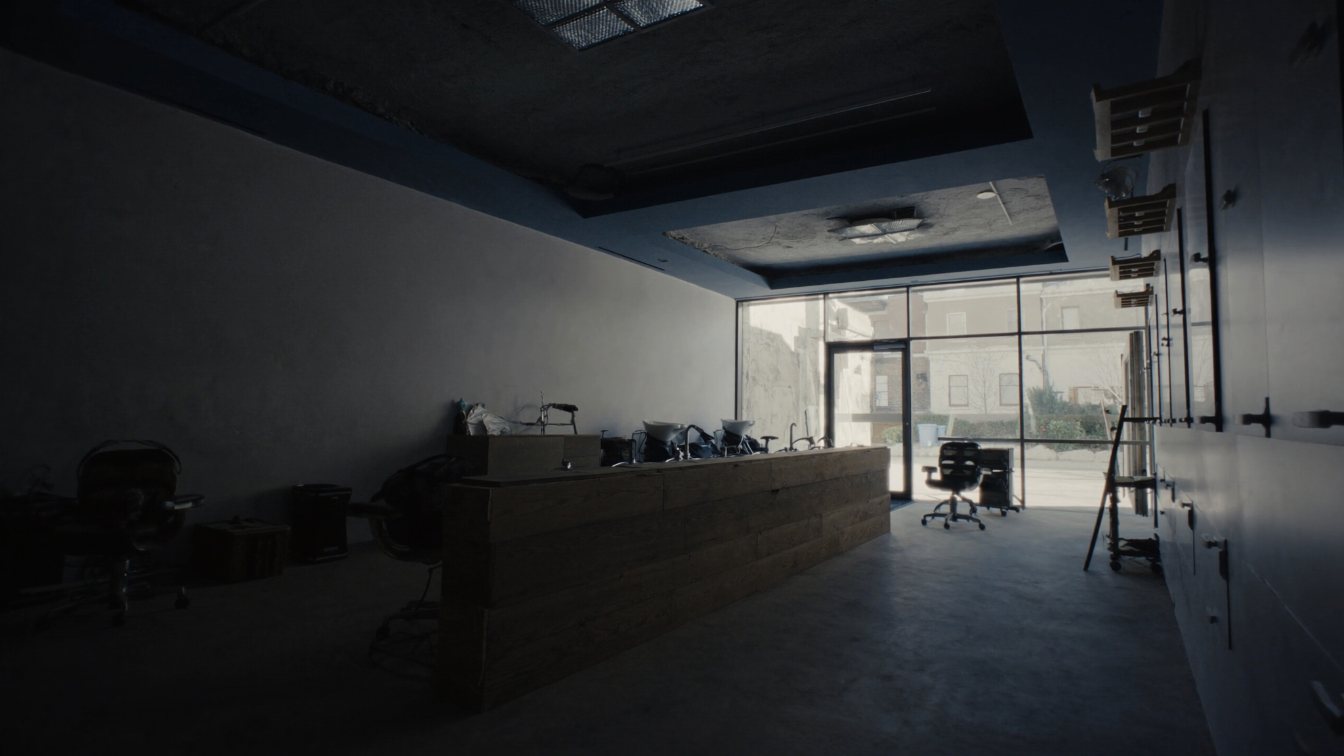
A tire shop that installs tires is a vehicle service use, not plain retail, so confirm zoning first: in Toronto a vehicle service shop must keep all work inside a wholly enclosed building, and in commercial zones the lot must abut a major street. Toronto needs a Public Garage licence and Brampton a Class A Automobile Service Station licence. If you store more than 425 cubic metres of tires in one fire compartment, the Ontario Fire Code's tire storage rules apply, with sprinklers required over 250 square metres. Retail collection of used tires needs no RPRA registration. Look for bays, overhead doors, a floor that can take hoists, and an oil interceptor.
Looking for tire shop space in Toronto or the GTA? Tell me what you need and I will send you units that fit, with the zoning and the lease checked before you commit.
What a tire shop unit must have
A tire business looks simple from the street: a few bays, a counter and a wall of rubber. The space requirements are not. Before I show a unit to a tire operator, I want to know four things.
- Bays and doors. Drive-in overhead doors sized for the vehicles you serve, with enough clear height inside for a two-post or four-post lift at full rise.
- Floor. A slab that can take anchored lifts, plus floor drains that run through an interceptor (more on that below).
- Storage volume. Where the inventory and the customers’ seasonal sets will sit, and how much. Volume is what triggers the Fire Code tire storage rules.
- Power and air. Capacity for a compressor, balancers, changers and lifts, and somewhere to put a noisy compressor that will not annoy the neighbours.
Customer parking matters more than people think. The spring and fall changeover rush fills a plaza lot, and a landlord who did not plan for it will start sending letters.
Zoning: tire installation is a vehicle service use
In Toronto’s Zoning By-law 569-2013, a vehicle service shop means premises used for vehicle service or customizing, such as mechanical, electrical, glass or upholstery service or installation of parts or accessories, but not spray painting or body work. Mounting and balancing tires fits that definition. A store that only sells tires off the shelf may be a retail store, but the moment you install, you are a vehicle service shop.
Where a vehicle service shop is permitted, the specific use rules in section 150.94 apply:
- all activities must take place in a wholly enclosed building, so no mounting tires in the parking lot;
- each vehicle access must be between 6.0 and 11.0 metres wide along the street lot line, and set back from other accesses and side lot lines;
- the building must meet minimum side and rear yard setbacks, larger where the lot abuts a residential zone or a street.
In the Commercial Local and Commercial Residential zones the lot must also abut a major street on the Policy Areas Overlay Map. In the Employment Industrial (E) zone the use is permitted with conditions, and a vehicle service shop there may have open storage only if it covers less than 20% of the lot area not covered by buildings and is fenced. That open storage line matters if you planned to keep tire cages or a storage trailer outside.
Brampton and Mississauga have their own definitions. Mississauga’s zoning by-law separates uses by vehicle type and repair type, so ask the city which use your shop falls under. Some Toronto addresses are still covered by former municipal zoning or site-specific exceptions, so always ask for the zoning review on the exact unit.
Licences before you open
Toronto. A public garage needs a Public Garage licence. The licence classes listed include repairs and car storage, and a Storage Rates Form is required if you charge for storage. You need an approved Zoning Review for Business Licence first (unless you are taking over a licensed business in the same category), plus an Occupancy Declaration Form signed by you and the landlord. In 2026 the city lists $521.33 for a new licence and $350.51 a year to renew. Ask the licensing office which classes fit tire installation and paid seasonal storage before you apply.
Brampton. Schedule 3 of the Business Licensing By-law 184-2023 puts tire installation and sales in the Class A Automobile Service Station licence. The schedule also requires you to exhibit tires and parts for sale inside an enclosed service building, to run engines only inside a building with adequate ventilation, to post your rates and hours, and to file a site plan showing the maximum number of vehicles parked or stored on site. A Class B licence for repair and servicing requires at least one licensed mechanic on staff, so if you plan brakes and alignments alongside tires, budget for that.
Ontario Fire Code: how much tire storage triggers the rules
Tires burn hot and long, and the Ontario Fire Code (O. Reg. 213/07) has a dedicated subsection for them. Subsection 3.2.1 of Division B applies to buildings where the bulk volume of tires stored in one fire compartment exceeds 425 cubic metres. Once you are over that line:
- a single pile can cover no more than 500 square metres, with a maximum length of 30 metres;
- pile height cannot exceed the height the sprinkler system was designed for, and that maximum must be posted;
- at least 914 mm must be kept between the top of the piles and the sprinkler deflectors, aisles between piles must be at least 1.8 metres wide, and piles must be 600 mm clear of columns and walls;
- the tire storage location is classified as a medium-hazard industrial occupancy;
- if the tire storage floor area exceeds 250 square metres, it must be sprinklered to NFPA 13, with a standpipe and hose system;
- extra 4A:80B dry chemical extinguishers are required for every 500 square metres, with no more than 25 metres of travel to one.
Outdoor storage has its own subsection (3.3.1), which applies above 300 cubic metres: piles no more than 3 metres high and 100 square metres in area, at least 15 metres from property lines and buildings, 6 metres between piles, and no hot work or heating devices in the yard.
Seasonal storage is a fire question
A shop that stores customers’ winter or summer sets can cross the 425 cubic metre threshold without noticing. Count the racks, multiply out the volume, and ask whether the building’s sprinkler design can carry that storage before you sell storage packages.
The “medium-hazard industrial” classification also matters for the building itself. If you are moving storage into a unit last used as a store or office, that can be a change in hazard, which brings in the building permit rules in my change of use guide.
Used tires, collection and tire fees
Ontario’s tire program moved to individual producer responsibility under the Tires Regulation (O. Reg. 225/18), administered by the Resource Productivity and Recovery Authority. For a retail shop, the RPRA guidance for tire collection site operators is reassuring: retailers that collect tires are not required to register or report as collectors.
If you want the tires you collect to count toward a producer’s targets (which is how most shops get free pickup), your site has to meet some conditions. It must accept tires free of charge, accept tires of similar rim size and weight to those you sell, take up to 10 tires a day from any person, accept tires still on rims, and be open to the public during normal business hours. Your pickup arrangement runs through a producer responsibility organization, processor or hauler.
Tire fees are a separate trap. RPRA’s compliance bulletin on charging tire fees confirms the old Ontario Tire Stewardship fee ended on December 31, 2018. You can still show a separate resource recovery fee on an invoice, but if you do, you must say who is responsible for the charge and how it will be used, and a verification report and audit must be submitted each year. Most small shops simply build the cost into the price.
If you import tires into Ontario yourself, rather than buying from a distributor, check whether you are a producer under the regulation, because the obligations are much heavier.
Drains, lifts and workplace safety
Tire shops usually do oil changes or at least handle wheel weights, lubricants and washing. In Toronto, Chapter 681 of the Municipal Code (Sewers) requires every premises where motor vehicles are repaired, lubricated or maintained, and which connects to a sewer, to install and maintain an oil interceptor to the current Building Code. Ask the landlord whether the unit has one, when it was last pumped out, and who maintains it.
Ontario’s Industrial Establishments regulation, R.R.O. 1990, Reg. 851, has two lines every tire operator should know. Section 77 requires safety chains, cages or other protection against blown-off side or lock rings when inflating a tire mounted on a rim. And section 7 can require a pre-start health and safety review when a vehicle lift or hoist is installed in a factory, unless the lift has been certified as meeting current applicable standards. Buying certified lifts and keeping the paperwork avoids that review.
| Check | Why it matters | Who to ask |
|---|---|---|
| Zoning permits a vehicle service shop at this address | Installation is not plain retail | City zoning review |
| Work and storage can stay inside the building | Toronto 150.94 and Brampton Schedule 3 | Landlord, site plan |
| Stored tire volume per fire compartment | Over 425 m3 triggers Fire Code 3.2.1 | Fire protection engineer, fire department |
| Sprinkler design and height | Pile height cannot exceed the design height | Landlord’s sprinkler drawings |
| Oil interceptor present and maintained | Toronto Chapter 681 | Landlord, plumber |
| Slab and clear height for lifts | Lift anchoring and full rise | Lift supplier, structural engineer |
The lease clauses that matter for a tire shop
- Use clause. Spell out tire sales, installation, balancing, minor service if you want it, and seasonal storage of customer tires. A clause that says “retail sale of tires” will be used against you the first time a customer complains about noise from the bays.
- Storage rights. Racking and mezzanines, the maximum storage you may keep, and whether any outdoor storage cages or trailers are allowed.
- Lift installation and restoration. Consent to anchor lifts and cut the slab if needed, and a clear statement of what you must restore at the end. Unrestricted restoration clauses can cost more than the lifts.
- Interceptor and drains. Who owns, pumps and repairs the oil interceptor, and a baseline record of its condition at handover.
- Environmental baseline and indemnity. A survey or at least photos of the slab and drains at possession, so you are not blamed for the previous tenant’s spills.
- Hours and noise. Compressors and impact guns are loud. Agree on operating hours, and where the compressor sits, before you sign.
- Parking allocation. Stalls for customers waiting on changeovers, and whether vehicles awaiting service can stay overnight.
- Exclusive. No other tire or auto service tenant in the same plaza.
- Sprinkler upgrades. If your storage needs a better sprinkler design, who pays for it.
Deal-killers to check on a viewing
A warehouse bay is not automatically a tire shop
An industrial unit with a drive-in door can still fail as a tire shop if zoning does not permit a vehicle service shop, if you need open storage beyond what the zone allows, or if the sprinkler system was designed for light storage. Each of these is expensive to fix and none is the landlord’s problem unless the lease says so.
- Clear height and door size for your lifts and the vehicles you serve, including light trucks.
- Floor drains that run to an interceptor rather than straight to the sewer or a storm catch basin.
- Sprinkler drawings showing the design storage height, compared with how high you want to rack tires.
- Residential neighbours close enough to complain about air tools.
- Driveway width and count if you need a new access, given Toronto’s 6.0 to 11.0 metre rule.
- Electrical service large enough for lifts, compressor and equipment.
If you are also doing brakes, suspension or diagnostics, read my notes on auto repair shop premises, and if you add hand washing or detailing, see auto detailing premises. For a pure storage and distribution operation, my guide to warehouse and industrial space covers the building side.
Where I fit
I help tire and auto service operators find bays, plaza units and small industrial space across Toronto, Mississauga, Brampton, Vaughan and the rest of the GTA. Before you sign, I confirm the zoning for a vehicle service use, check the doors, drains and sprinkler design against your storage plan, and read the lease for restoration and storage limits. If you are comparing buying with leasing, my industrial property value estimator gives a quick starting number.
Find me tire shop space
Tell me the area, number of bays, storage you need, budget and timing, and I will send units where a vehicle service use fits.
I will come back to you personally, usually the same day, with spaces that fit. If it is urgent, call or text 833-330-1925.
Frequently asked questions
What zoning does a tire shop need in Toronto?
If you install tires, Toronto treats the business as a vehicle service shop, defined to include installation of parts or accessories. Where permitted, all work must be inside a wholly enclosed building and driveway widths and setbacks apply. In commercial zones the lot must abut a major street. Ask for a zoning review on the exact address before signing.
How many tires can I store before the Fire Code applies?
The Ontario Fire Code's indoor tire storage subsection applies once the bulk volume of tires in one fire compartment exceeds 425 cubic metres. Then pile size, height, aisle and clearance limits apply, and a tire storage floor area over 250 square metres must be sprinklered to NFPA 13. Outdoor tire yards have separate rules above 300 cubic metres.
Do I need to register with RPRA to collect used tires?
Usually not. RPRA says retailers that collect tires are not required to register or report as collectors. If you want collected tires to count toward a producer's targets, your site must accept tires free, take up to 10 a day from anyone, accept tires on rims and stay open in normal business hours. Importers may be producers with heavier duties.
Can I charge a tire recycling fee in Ontario?
You can, but the old Ontario Tire Stewardship fee ended on December 31, 2018. If you show a separate resource recovery fee, the Tires Regulation requires you to state who is responsible for the charge and how it will be used, and a verification report and audit is required each year. Many shops build the cost into the tire price instead.
What licence does a tire shop need in Brampton?
Brampton's Business Licensing By-law 184-2023 lists tire installation and sales under the Class A Automobile Service Station licence in Schedule 3. Tires for sale must be displayed inside an enclosed service building, rates and hours must be posted, and the application needs a site plan. Repair and servicing under Class B requires a licensed mechanic on staff.
Does a tire shop need an oil interceptor?
In Toronto, yes, if vehicles are repaired, lubricated or maintained and the premises connects to a sewer. Chapter 681 of the Municipal Code requires an oil interceptor installed to the current Building Code and properly maintained. Peel and other regions have their own sewer by-laws, so ask the landlord what is installed and who maintains it.
Do vehicle lifts need a safety review in Ontario?
Under the Industrial Establishments regulation, installing a vehicle lift or hoist in a factory can require a pre-start health and safety review, unless the lift has been certified as meeting current applicable standards. The same regulation requires safety cages or similar protection when inflating a tire mounted on a rim. Buy certified equipment and keep the documents.
Sources
- Ontario e-Laws — O. Reg. 213/07, Fire Code — Div. B 3.2.1 indoor and 3.3.1 outdoor tire storage
- City of Toronto — Zoning By-law 569-2013, Chapter 800 Definitions — vehicle service shop definition
- City of Toronto — Zoning By-law 569-2013, Section 150.94 Vehicle Service Shop — enclosed building, access, setbacks
- City of Toronto — Public Garage licence — licence classes, storage rates, fees
- City of Brampton — Business Licensing By-law 184-2023, Schedule 3 — Class A tire installation, enclosed display
- RPRA — Tire Collection Site Operators — no registration for retail collectors, site conditions
- RPRA — Compliance Bulletin: Charging Tire Fees to Consumers — separate fee disclosure and audit
- Ontario e-Laws — R.R.O. 1990, Reg. 851, Industrial Establishments — s. 77 tire inflation cages, s. 7 lift review
- City of Toronto — Municipal Code Chapter 681, Sewers — oil interceptor for vehicle maintenance
Related reading
- Auto repair shop premises in Ontario
- Auto detailing premises in Ontario
- Collision and body shop premises
- Used car dealership premises
- Warehouse and industrial space in Ontario
- The use clause in a commercial lease
About the author — Jatin Dua, Toronto and GTA real estate broker
I am Jatin Dua, Broker of Record and co-founder of RE/MAX Quantum Realty Inc., Brokerage, Unit 101, 799 The Queensway, Toronto. I help business owners across Toronto and the GTA find, assess and lease commercial space, and I work with buyers and sellers of homes and businesses. Four-plus years of active GTA transactions and over $100 million in sales volume. Every rule here comes from a regulator, statute or by-law linked in the sources, so you can check all of it without asking me.
Reach me at [email protected] or 833-330-1925, or book a call.