
Published 18 October 2026 · By Jatin Dua, Broker of Record, RE/MAX Quantum Realty
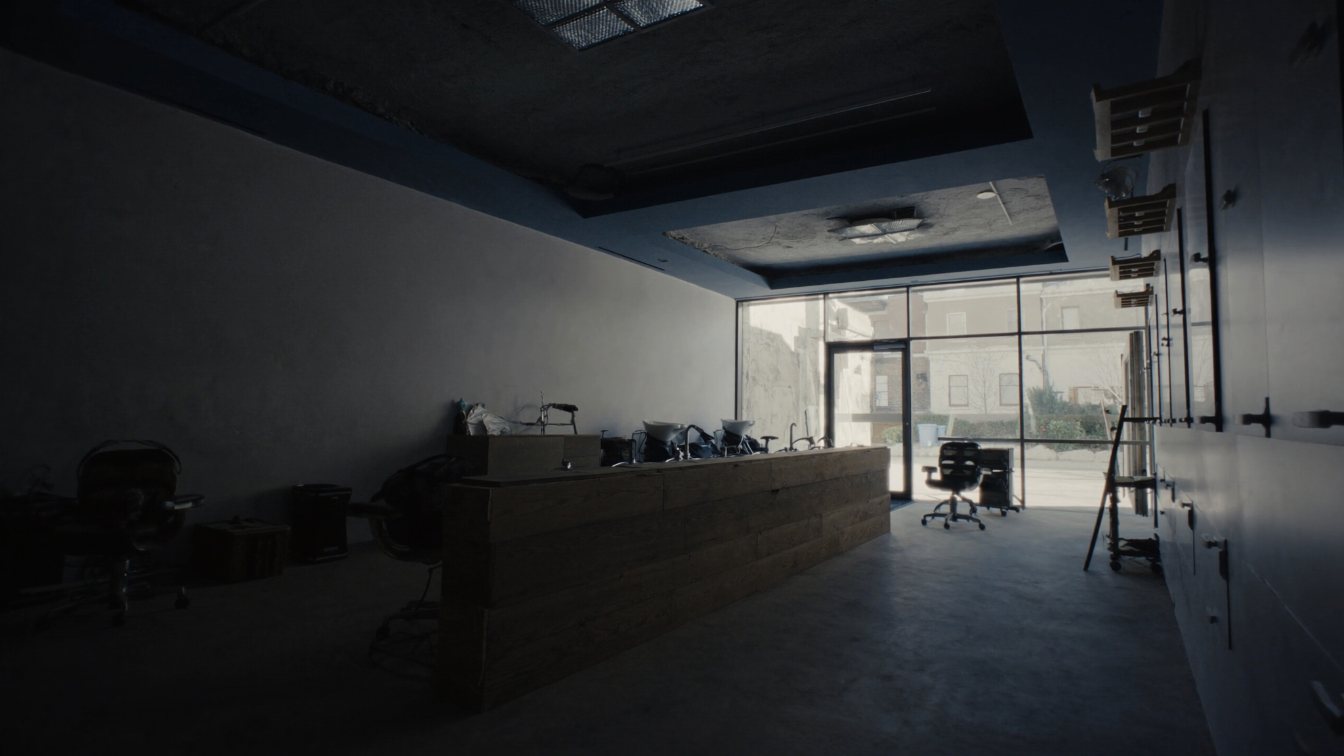
A collision and body shop in Ontario needs zoning that permits vehicle repair with spray painting, which in Toronto means employment zones, with a 100-metre separation from residential zones in the E zone. A spray booth needs environmental permission: small facilities can register on the Environmental Activity and Sector Registry under O. Reg. 347/12, but in a multi-tenant building only one booth spraying no more than two litres an hour qualifies, and anything larger needs an Environmental Compliance Approval. The booth must meet Fire Code Section 5.12, including noncombustible construction, exhaust interlocks and sprinklers. Toronto's Public Garage licence asks for the ministry certificate for the booth.
Looking for collision and body shop space in Toronto or the GTA? Tell me what you need and I will send you units that fit, with the zoning and the lease checked before you commit.
What the building must have
A collision shop is a light industrial use with a paint operation inside it. The building has to carry both. When I look at units for a body shop, I check:
- Clear height and depth for frame machines, lifts and a downdraft or crossdraft booth with its plenum and exhaust stack.
- Roof or wall penetrations the landlord will allow for the booth stack and make-up air unit.
- Distance to the property line and to homes, because the environmental registration criteria measure from the booth’s exhaust stack.
- Who else is in the building. A shop in a multi-unit building faces much tighter limits than one that occupies the whole building.
- Sprinklers and electrical capacity for the booth, compressors, welders and curing equipment.
- Yard space for damaged vehicles awaiting repair, if zoning and the licence allow it.
If the unit fails on stack location or neighbours, a paint operation may never be approved there, however good the rent.
Zoning: a body shop is a vehicle repair shop
Toronto’s Zoning By-law 569-2013 draws a sharp line. A vehicle service shop covers mechanical, electrical, glass or upholstery work and installing parts, but specifically excludes spray painting and repairing body or fender components. Those belong to a vehicle repair shop, defined as premises used for vehicle service, repair or customizing, such as spray painting and repairing body or fender components.
Vehicle repair shops do not appear in Toronto’s commercial zones. In the Employment Industrial (E) zone, section 60.20 permits a vehicle repair shop only on a lot at least 100.0 metres from a lot in the Residential or Residential Apartment zone categories. The Employment Heavy Industrial (EH) zone, under section 60.30, lists vehicle repair shop as a permitted use. That is the reason so many GTA body shops cluster in older industrial pockets.
Some Toronto properties are still governed by former municipal zoning by-laws or site-specific exceptions, so a zoning review on the exact address is the only reliable answer. In Mississauga, Brampton and the rest of the GTA, body work is usually treated separately from mechanical repair in zoning and licensing, so ask each city which use and class your shop falls under.
Spray booth approval: EASR registration or an ECA
Under Ontario’s Environmental Protection Act, a spray booth that discharges to the air needs permission. For small collision shops there is a shortcut: registration on the Environmental Activity and Sector Registry (EASR), which lets you operate if you meet standard requirements. If your activity does not meet the registration criteria, the ministry may require an Environmental Compliance Approval (ECA) instead, which is a longer and more technical process.
The registration rules are in O. Reg. 347/12, Registrations Under Part II.2 of the Act — Automotive Refinishing. Automotive refinishing is defined broadly: applying coatings to, or repairing or customizing, a vehicle body or body parts, and repairing or customizing the interior. A facility qualifies for registration only if it meets criteria that include:
- Whole building: one to three spray booths and a facility-wide coating application rate of no more than six litres per hour.
- Multi-unit building with at least one unit occupied by someone else: only one spray booth and no more than two litres per hour.
- Stack distance to your property line based on the application rate: none required at two litres per hour or less, then 20, 38, 55 and 75 metres as the rate climbs to six litres per hour.
- Noise: distances from the stack (indoor fans) or fan (outdoor fans) to the nearest noise receptor’s property line, such as a home, school, child care facility or place of worship, or acoustic barriers of at least 12 kilograms per square metre blocking the line of sight.
- Wastewater, if any, to a municipal sanitary sewer or an approved system.
The regulation does not cover vehicle manufacturers, shops primarily doing glass or mechanical and electrical repair, mobile refinishing, or booths that use water wash filtration. Those need a different route.
The plaza unit trap
In a multi-tenant building, EASR registration allows one booth spraying up to two litres an hour. If your business plan needs a second booth or more throughput, you either need the whole building or an ECA. Know which before you negotiate.
Fire Code rules for the booth
Section 5.12 of Division B of the Ontario Fire Code (O. Reg. 213/07) covers spray applications using flammable and combustible materials. The Fire Code defines the spraying area as anywhere within 6 metres of a spray booth or spraying operation that is not separated by a vapour-tight separation, which affects what else you can put near the booth. Key requirements include:
- booth walls and ceilings of steel frames with sheet steel at least 1.14 mm thick, or equivalent noncombustible construction, with smooth interior surfaces and noncombustible floors;
- overspray collection, and noncombustible, removable baffle plates;
- ventilation that keeps flammable vapours at or below 25% of the lower explosive limit, and an exhaust velocity of at least 30 metres per minute at any booth opening (18 for electrostatic spraying);
- a separate exhaust duct for each booth, with limited exceptions;
- spraying equipment interlocked to shut down if the ventilation fails;
- combustible residue and used filters removed or placed in proper containers the same day;
- automatic sprinkler protection in each spraying area, booth and spray room to NFPA 13, or for a fully enclosed booth, protection of the booth to NFPA 33, with sprinkler heads protected by thin bags;
- no space heaters or hot surfaces where residue collects, and strict limits on using a booth for drying or curing.
Where the spray operation is a major occupancy of the building, the Fire Code requires it to be separated from the rest of the building under the Building Code. That is a building permit question, which my change of use guide explains.
Ontario’s Industrial Establishments regulation, Reg. 851, can also require a pre-start health and safety review where a process carries a risk of ignition or explosion. One exemption is a process conducted inside a spray booth manufactured and installed to current standards, so buy a certified booth and keep the installation documents. The same rule applies to vehicle lifts, unless they are certified to current standards.
Licences before you open
Toronto. A body shop needs a Public Garage licence, with licence classes such as body and fender work and spray painting. If there is a spray booth, the application needs the Ministry of the Environment certificate, and the city says it must match your exact name and the exact address, including all units. If your EASR registration or ECA lists a different legal name or misses a unit number, fix that first. You also need an approved Zoning Review for Business Licence and an Occupancy Declaration Form signed by you and the landlord. The city lists $521.33 for a new licence and $350.51 to renew in 2026.
Brampton. Schedule 3 of the Business Licensing By-law 184-2023 puts window tinting and repairing, rebuilding, painting or wrapping vehicle exteriors in a Class F Automobile Service Station licence. A Class F licensee must have at least one licensed body person on staff and may not charge an administrative fee over $50. All Schedule 3 licensees must prepare written, sequentially numbered work orders unless the owner waives them, cannot store vehicles in disrepair outside for more than 30 days unless required by law, and are capped on daily storage charges for repaired vehicles not picked up within 24 hours.
| Item | Why it matters | Who to ask |
|---|---|---|
| Zoning permits a vehicle repair shop | Spray painting and body work are not a service shop | City zoning review |
| Distance to residential zones (Toronto E zone) | 100.0 metre separation | Zoning examiner, survey |
| Single or multi-tenant building | Decides booth count and litres per hour under O. Reg. 347/12 | Landlord, environmental consultant |
| Stack location and distances | Property line and noise receptor tests | Booth supplier, consultant |
| Sprinklers and booth fire protection | Fire Code 5.12.8 | Fire protection contractor, fire department |
| Ministry certificate matches legal name and full address | Toronto Public Garage licence | Your lawyer, ministry |
The lease clauses that matter for a body shop
- Use clause. Collision repair, body and frame work, refinishing with a spray booth, and related mechanical work. Many industrial leases prohibit painting unless it is named.
- Approval condition. Make the offer conditional on zoning confirmation and on the EASR registration or ECA path being available for your planned booth count and throughput.
- Booth installation rights. Consent to install the booth, cut the roof or wall for the stack and make-up air, and add electrical and gas service.
- Removal and restoration. Whether the booth is a tenant fixture you can take, and exactly what you must patch and restore. Roof penetrations are expensive to close properly.
- Environmental baseline and indemnity. A Phase I report or at least a documented condition survey at possession, and an indemnity limited to contamination you cause.
- Neighbour clause. Your right to object if the landlord leases nearby space to a use that becomes a noise receptor, such as a child care centre or place of worship, which could affect your registration.
- Yard and storage. Where damaged vehicles may sit, and how long, consistent with the licence.
- Insurance. The landlord’s requirements for a paint operation, and confirmation they will not block the use through their own insurer.
- Assignment. A clean path to sell the business, because the buyer will need its own approvals in its exact legal name.
Deal-killers to check on a viewing
A previous booth does not mean a valid approval
An old booth left behind by the last tenant does not come with permission you can use. The registration or approval belonged to them, the booth may not meet current standards, and the building may have changed. Treat it as equipment, not as a licence.
- Measure the distances. Stack to property line, and stack or fan to the nearest home, school or other noise receptor.
- Count the tenants. Anyone else in the building drops you to one booth at two litres an hour for EASR purposes.
- Residential zoning within 100 metres in Toronto’s E zone.
- Sprinkler system and whether it can be extended into the booth and spraying area.
- Roof structure for the booth stack and rooftop units.
- Electrical and gas capacity for the booth’s heat and curing cycle.
For the mechanical side of the business, including oil interceptors, see my notes on auto repair shop premises. For detailing and tint add-ons, see auto detailing premises, and for the building itself, warehouse and industrial space.
Where I fit
I help collision and refinishing shops find industrial units and freestanding buildings across Toronto, Mississauga, Brampton, Vaughan and the rest of the GTA. Before you sign, I check zoning and residential separation, how many tenants share the building, and whether the stack distances can work for registration, and I read the lease for booth installation, restoration and environmental terms. If you are weighing a purchase instead, my industrial property value estimator is a quick first look.
Find me collision and body shop space
Tell me the area, square footage, number of booths and bays, budget and timing, and I will send units where a paint operation can work.
I will come back to you personally, usually the same day, with spaces that fit. If it is urgent, call or text 833-330-1925.
Frequently asked questions
Does a spray booth need environmental approval in Ontario?
Yes. A small automotive refinishing facility can register on the Environmental Activity and Sector Registry under O. Reg. 347/12 if it meets the criteria on booth count, coating rate, stack distances, noise and wastewater. If it does not, it may need an Environmental Compliance Approval, which takes longer. Mobile refinishing and water wash booths are outside the registration regulation.
Can I put a spray booth in a multi-unit industrial building?
Possibly, but the limits are tight. Under O. Reg. 347/12, a facility in a building with another occupant qualifies for EASR registration only with one spray booth and a facility-wide coating application rate of no more than two litres per hour. A facility that occupies the whole building may have up to three booths and six litres per hour.
Where are body shops allowed in Toronto?
Toronto treats spray painting and body or fender work as a vehicle repair shop. It is not listed in the commercial zones. In the Employment Industrial zone it must be on a lot at least 100 metres from a residential zone, and the Employment Heavy Industrial zone lists it as permitted. Check the specific address for exceptions and older by-laws.
What Fire Code rules apply to an auto body spray booth?
Fire Code Section 5.12 requires noncombustible booth construction, overspray collection, ventilation keeping vapours at or below 25% of the lower explosive limit, at least 30 metres per minute exhaust at openings, interlocks that stop spraying if ventilation fails, daily residue and filter removal, and sprinkler protection to NFPA 13 or NFPA 33.
What licence does a body shop need in Toronto?
A Public Garage licence with the body and fender work and spray painting classes. If you have a spray booth, Toronto requires the ministry environmental certificate, and it must match your exact name and full address including units. You also need a zoning review and an occupancy declaration signed by the landlord. The 2026 fee for a new licence is $521.33.
What does Brampton require for a collision shop licence?
Brampton licenses exterior repair, rebuilding, painting, wrapping and window tinting as a Class F Automobile Service Station. The shop must have at least one licensed body person on staff and cannot charge an administrative fee over $50. Work orders, limits on outdoor storage of damaged vehicles, and caps on storage charges also apply under Schedule 3.
Can I use the spray booth the last tenant left behind?
You can use it as equipment if it meets current standards, but the previous tenant's EASR registration or ECA does not transfer to you, and Toronto requires the certificate to be in your exact name and address. Have the booth inspected against Fire Code Section 5.12 and confirm your own approval path before you rely on it.
Sources
- Ontario e-Laws — O. Reg. 347/12, Registrations Under Part II.2 of the Act — Automotive Refinishing — EASR criteria, booth count, distances
- Government of Ontario — Environmental Activity and Sector Registry — EASR vs ECA
- Ontario e-Laws — O. Reg. 213/07, Fire Code — Div. B Section 5.12 spray applications
- Ontario e-Laws — R.R.O. 1990, Reg. 851, Industrial Establishments — s. 7 pre-start review, spray booth exemption
- City of Toronto — Zoning By-law 569-2013, Chapter 800 Definitions — vehicle repair vs service shop
- City of Toronto — Zoning By-law 569-2013, Section 60.20 Employment Industrial Zone — 100 m residential separation
- City of Toronto — Zoning By-law 569-2013, Section 60.30 Employment Heavy Industrial Zone — vehicle repair shop permitted
- City of Toronto — Public Garage licence — spray booth certificate, classes, fees
- City of Brampton — Business Licensing By-law 184-2023, Schedule 3 — Class F, licensed body person
Related reading
- Auto repair shop premises in Ontario
- Auto detailing premises
- Tire shop premises
- Warehouse and industrial space
- Change of use permits for tenants
- The use clause in a commercial lease
About the author — Jatin Dua, Toronto and GTA real estate broker
I am Jatin Dua, Broker of Record and co-founder of RE/MAX Quantum Realty Inc., Brokerage, Unit 101, 799 The Queensway, Toronto. I help business owners across Toronto and the GTA find, assess and lease commercial space, and I work with buyers and sellers of homes and businesses. Four-plus years of active GTA transactions and over $100 million in sales volume. Every rule here comes from a regulator, statute or by-law linked in the sources, so you can check all of it without asking me.
Reach me at [email protected] or 833-330-1925, or book a call.