
Published 2 November 2026 · By Jatin Dua, Broker of Record, RE/MAX Quantum Realty
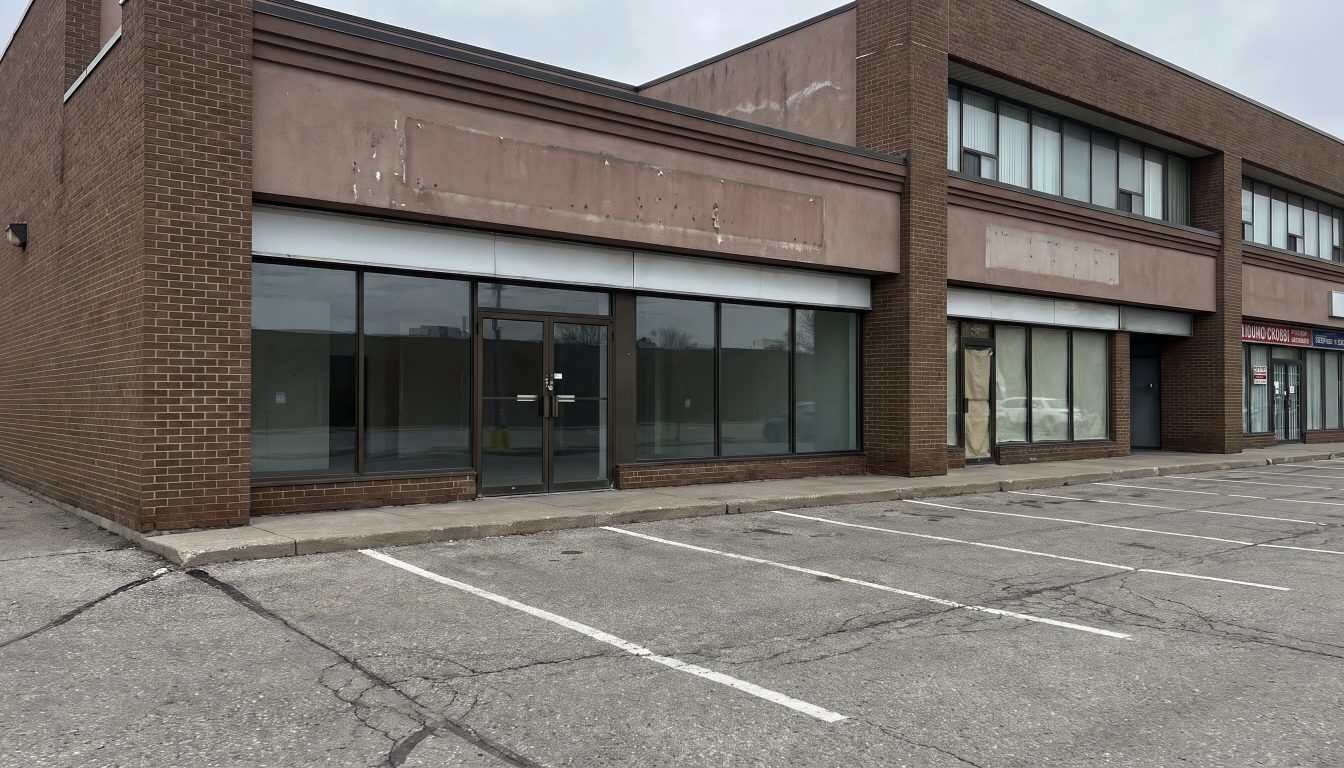
A medical clinic can only open where the zoning by-law lists medical office for that property. Most GTA commercial plaza zones allow it, but parking can be the problem: Markham requires 5.0 spaces per 100 m² for medical office against 3.33 for retail. Confirm each unit with a city zoning review before the lease goes firm.
This guide is for physicians, clinic operators and landlords who want to know whether a medical clinic is allowed in a particular GTA unit before a lease or purchase goes firm. You will get how Toronto, Mississauga, Brampton, Markham and Oakville define a medical office, whether a retail plaza works, parking rules, the home-office question, and how to confirm the zoning on a specific property.
Can a medical clinic go anywhere in the GTA?
No. A clinic can only operate where the zoning by-law lists “medical office” (or that city’s equivalent term) as a permitted use for that property. Every GTA city writes its own by-law, uses its own definition and sets its own parking rate, and many properties also carry a site-specific exception that adds or removes uses. The only safe answer for a given unit comes from the city, through a zoning certificate or a preliminary review, before you commit.
In practice, medical offices are usually allowed in commercial, mixed-use and some employment zones, rarely in industrial zones, and only in limited ways in residential zones.
How do GTA zoning by-laws define a medical office?
The wording matters, because it decides whether extras such as a small pharmacy, a lab or several practitioners fit inside the use.
| City and by-law | Term used | What the definition covers |
|---|---|---|
| Toronto, By-law 569-2013 | Medical office | In the Commercial Residential (CR) zone, the by-law says a medical office includes a medical clinic |
| Mississauga, By-law 0225-2007 | Medical Office; Medical Office – Restricted | Consultation, examination or treatment by a physician, dentist, drugless practitioner or licensed health professional; the full version may include accessory labs, diagnostic facilities, a drug and optical dispensary and a medical supply store, while the restricted version does not list those extras |
| Brampton, By-law 14-2026 (under appeal) | Medical Office or Clinic | Premises where a licensed medical doctor, dentist or drugless practitioner diagnoses, treats and examines patients, with no overnight accommodation |
| Markham, By-law 2024-19 | Medical Office | Medical, dental, surgical or therapeutic treatment by licensed or registered professionals, including clinics run by a number or variety of practitioners |
Source: City of Toronto By-law 569-2013 s. 40.10; City of Mississauga By-law 0225-2007 Part 1.2; City of Brampton Comprehensive Zoning By-law (final, 4 February 2026); City of Markham By-law 2024-19 office consolidation (20 July 2026). Confirm the current text with each city.
If your plan includes a pharmacy, lab collection or imaging, check that the definition and the zone allow it. Mississauga is the clearest example: a zone that lists only “Medical Office – Restricted” is a narrower permission than one that lists “Medical Office”.
Can a medical clinic go in a retail plaza?
Often yes, but not automatically. Most GTA commercial zones that cover plazas list medical office. Toronto’s CR zone permits it, and Brampton’s new by-law permits a medical office or clinic in its Local, General, Highway and Office Commercial zones, though not in its Recreational Commercial zone. My guide to walk-in medical clinic space in Ontario lists the Toronto and Mississauga commercial and employment zones that allow it, and notes that Toronto’s EL and E industrial zones do not.
Even where the zone works, three things can still block a plaza clinic:
- A site-specific exception that limits uses on that plaza.
- The lease. The landlord’s use clause, and exclusives held by other tenants such as a pharmacy or another clinic, can rule you out. My post on the commercial lease use clause covers how to word yours.
- Parking. Several by-laws require more parking for a medical office than for a store, which can trigger a shortfall when a retail unit converts.
Found a plaza unit that might work? Get a private range for its value or market rent with the estimator below.
How much parking does a medical office need in the GTA?
It depends on the city, and the gap between medical and retail rates is what catches people out.
| City | Medical office parking rule | For comparison |
|---|---|---|
| Toronto | No minimum; maximums only, by parking zone | Same tier as retail store |
| Markham | 5.0 spaces per 100 m² in Parking Zone 4; 3.0 in Parking Zone 3 | Retail store 3.33 and business office 2.86 per 100 m² in Zone 4 |
| Oakville | 1 space per 35 m² for the first 60% of a lot’s floor area in medical use; 1 per 18 m² for the whole building once medical exceeds 60% | Business office 1 per 35 m² |
| Brampton (By-law 14-2026) | Minimum 2.25 per 100 m² in Parking Regulation Area 2 and 3 in Area 3; maximum of 3 and no minimum in Area 1 | Grouped with office and convenience retail |
Source: City of Toronto By-law 569-2013 Chapter 200 (via my walk-in clinic guide); City of Markham By-law 2024-19, Tables 5.4.1 and 5.5.2; Town of Oakville By-law 2014-014 Part 5 (as amended by 2024-111); City of Brampton By-law 14-2026 Table 4.1.1. Rates apply to gross or net floor area as each by-law defines.
Oakville’s rule matters for anyone buying a medical building: once medical users fill more than 60% of the floor area, the higher rate applies to the entire building, which can limit how many clinics a landlord can add. Mississauga’s rates, which also run higher for medical office than for office, are in my walk-in clinic guide.
Can a doctor run a medical office from home in the GTA?
It depends on the city, and the rules differ sharply:
- Toronto allows a home occupation in the Residential Zone Category to be an office or medical office for a physician or other regulated health professional, with one employee besides the operator and no exterior alterations. In an apartment building, the unit must be on the first floor or in the basement.
- Markham excludes medical offices from home occupations, except that a medical office may be in a physician’s own dwelling if the lot fronts a provincial highway, an arterial road or a major or minor collector road shown in the Official Plan.
- Brampton’s new by-law says a home occupation cannot be a medical office, except for a drugless practitioner.
A home office also has to meet Building Code, accessibility and infection control expectations, so it rarely suits a full family practice.
Which Brampton zoning rules apply in 2027?
Both sets, for now. Brampton’s council passed a new Comprehensive Zoning By-law, 14-2026, on February 4, 2026, to replace By-law 270-2004. The city’s zoning page says the new by-law is under appeal, so both 270-2004 and 14-2026 apply, with the most restrictive provision prevailing. Some areas, including the Downtown Brampton and Bramalea GO station areas, were left out of the new by-law and stay under 270-2004.
The new by-law also allows small commercial uses, including a medical office or clinic, in some residential zones, limited to the ground floor, 200 m² per unit and 10% of the residential floor area. In my view, that opens room for small clinics at the base of new apartment buildings. Check both by-laws for any Brampton unit, and ask the city in writing which one governs.
Do you need a building permit or change of use approval?
Often, yes. Most clinic fit-outs need a building permit for exam-room walls, sinks and washrooms, and turning a store or warehouse unit into a clinic can count as a change of use under Ontario’s Building Code Act when it increases the hazard. Zoning approval and a building permit are separate steps. My guide to change of use permits for commercial tenants walks through the sequence, the drawings and the timelines.
How do you confirm the zoning on a specific property?
Ask the city before the deal goes firm. In Toronto, a Zoning Use Review confirms whether a use, including medical, dental and drugless practitioner uses, is permitted at an address, with no plans needed. The fee is $214.79 per request as of January 1, 2026. It does not review parking, loading or built form, so a parking shortfall needs a separate check. Other GTA cities offer zoning certificates or preliminary reviews; ask the zoning office which one fits.
Then add what zoning does not cover: the condo declaration if the unit is in a commercial condominium, the lease use clause and exclusives, and the landlord’s consent to your fit-out. Make your lease or offer conditional on all of these.
On every clinic search, I check zoning, parking and the lease use clause before anyone books a viewing. A unit that is perfect on paper but sits in a zone without medical office, or in a plaza with a pharmacy exclusive, wastes weeks. In Brampton in 2027, I check both by-laws every time.
A previous clinic in the unit does not prove the use is permitted. It may have been a legal non-conforming use, covered by a lapsed variance, or simply never approved. Get written confirmation from the city for your own use and floor area, and make the deal conditional on it.
What to do next
- Write down your planned services, including any pharmacy, lab collection or imaging, and the floor area you need.
- Look up the zone for each candidate unit and the by-law’s definition and parking rate.
- Order a zoning review or certificate from the city for your top choice.
- Check the lease use clause, other tenants’ exclusives and any condo declaration.
- Book a call with me to search for units zoned for medical office and to negotiate the conditions in your offer or lease.
Need help with this? Talk to me.
I’m Jatin Dua, Broker of Record at RE/MAX Quantum Realty, and I’m the best agent to do this kind of work for you in Toronto and across the GTA. Over $100 million in GTA sales and 100+ families helped sell. Feel free to contact me any time: call or text 833-330-1925 or email [email protected].
Frequently asked questions
What is the zoning for a medical clinic in Toronto?
A clinic needs a zone that permits medical office under Toronto Zoning By-law 569-2013. The Commercial Residential (CR) zone permits medical office and says it includes a medical clinic. Site-specific exceptions can change this, so order a Zoning Use Review for the address, which costs $214.79 as of January 1, 2026 and covers medical uses but not parking.
Can a medical clinic go in a retail plaza in Ontario?
Often, if the plaza’s zone lists medical office. In 2027, Toronto’s CR zone and Brampton’s Local, General, Highway and Office Commercial zones permit it. You still need to check site-specific exceptions, the landlord’s use clause, other tenants’ exclusives such as a pharmacy, and whether the plaza has enough parking for the higher medical office rate some cities apply.
How is a medical office defined in Mississauga zoning?
Mississauga Zoning By-law 0225-2007 defines a Medical Office as space, other than a hospital, used for consultation, examination or treatment by a physician, dentist, drugless practitioner or licensed health professional, and it may include accessory labs, diagnostic facilities, a drug and optical dispensary and a medical supply store. A narrower Medical Office – Restricted use leaves those extras out.
How many parking spaces does a medical office need in Markham?
Markham’s Zoning By-law 2024-19 requires 5.0 parking spaces per 100 square metres of gross floor area for a medical office in Parking Zone 4, and 3.0 in Parking Zone 3, as of the July 2026 consolidation. That compares with 3.33 for a retail store and 2.86 for a business office in Zone 4, so a converted retail unit can fall short.
Can a doctor have a medical office in their home in Toronto?
Yes, in the Residential Zone Category. Toronto’s By-law 569-2013 lets a home occupation be an office or medical office for a physician or regulated health professional, with one employee besides the operator and no exterior alterations. In an apartment building, the unit must be on the first floor or in the basement. Building Code and CPSO expectations still apply.
Which zoning by-law applies in Brampton in 2027?
Both, in most of the city. Brampton passed new Comprehensive Zoning By-law 14-2026 on February 4, 2026, but the city says it is under appeal, so By-law 270-2004 and By-law 14-2026 both apply and the most restrictive provision prevails. Areas excluded from the new by-law, such as Downtown Brampton’s station area, remain under 270-2004.
Does Oakville require more parking for a medical building?
Yes, once medical use dominates. Oakville’s Zoning By-law 2014-014 requires 1 space per 35 square metres of net floor area for the first 60% of a lot’s floor area used as medical offices. Where medical offices take up more than 60%, the rate becomes 1 space per 18 square metres for the entire building.
Do I need a change of use permit to open a clinic in an old store?
Possibly. Under Ontario’s Building Code Act, a change of use that increases the hazard needs a permit even if you build nothing, and most clinic fit-outs need a building permit anyway for walls, sinks and washrooms. Zoning approval is a separate step, so confirm the medical office use with the city first, then apply for the permit.
Can a doctor run a home medical office in Brampton?
Not under Brampton’s new Comprehensive Zoning By-law 14-2026. It says a home occupation cannot be a medical office, except for a drugless practitioner. Because the new by-law is under appeal and the older By-law 270-2004 also applies, with the most restrictive rule prevailing, confirm the position for your address with Brampton’s zoning office.
Sources
- City of Toronto: Zoning By-law 569-2013, Section 40.10 Commercial Residential Zone
- City of Toronto: Zoning By-law 569-2013, Section 150.5 Home Occupation
- City of Toronto: Zoning Use Review
- City of Mississauga: Zoning By-law 0225-2007, Part 1.2 Definitions
- City of Brampton: New Zoning By-law and mapping (By-law 14-2026 status)
- City of Brampton: Comprehensive Zoning By-law, final for adoption (February 4, 2026)
- City of Markham: Comprehensive Zoning By-law 2024-19, office consolidation (July 20, 2026)
- Town of Oakville: Zoning By-law 2014-014, Part 5 Parking
Related reading
- Where Can You Open a Dental Clinic in the GTA? Zoning by City (2027)
- Buying a Commercial Condo Unit for a Dental Clinic in the GTA (2027)
- Selling Your Dental Practice, Your Building, or Both: Options for Ontario Dentists in 2027
- The Canadian Dental Care Plan in 2027: What It Means for Buying, Selling or Opening a GTA Dental Practice
About the author — Jatin Dua, Toronto and GTA real estate broker
I am Jatin Dua, Broker of Record and co-founder of RE/MAX Quantum Realty Inc., Brokerage, Unit 101, 799 The Queensway, Toronto. I work with buyers and sellers across Toronto and the GTA and have helped more than 100 families sell. Four-plus years of active GTA transactions and over $100 million in sales volume.
Reach me at [email protected] or 833-330-1925, or book a call.
More from the library
- Buying a Day Spa in Ontario: Licences That Don’t Transfer, Public Health Rules, HST and What to Check
- Grocery Store Premises in Ontario: Refrigeration, Loading, Food Rules, Licences and the Lease
- Buying a Store With an Apartment Above in Etobicoke (2026)
- Long Branch or Humber Bay Shores? House vs Tower in 2026
- How to Buy a Vacant Lot in the GTA: A Step-by-Step Guide for 2026
- Massey Tower, 197 Yonge St: 60 Storeys Behind a 1905 Bank Hall
How this estimate is produced
The estimate blends recent selling prices for comparable units in the area with the details you entered: size, bedrooms, floor, exposure, parking, locker and condition. It is a statistical estimate, not an appraisal and not a formal opinion of value.
What it cannot see
- Interior condition and upgrades beyond what you told it
- Unit-specific issues: noise, an obstructed view, a pending special assessment
- Your reserve fund and where the maintenance fee is heading
- What is competing with you in your own building right now
What moves the number most
- Floor and exposure, which can separate otherwise identical units
- Parking and locker, each priced separately by buyers
- Kitchen and bathroom condition
- Maintenance fee per square foot against the rest of the building
Treat it as a range, not a price
A single figure to the dollar would be false precision. Use the estimate to decide whether a move is worth exploring. Before you price anything for the market, the number needs checking against what is actually selling and sitting in your building this month, and that takes a person. I will do that for you at no cost and with no obligation.
Market data is sourced from the Toronto Regional Real Estate Board. Information is deemed reliable but is not guaranteed. This tool does not provide an appraisal or a formal opinion of value, and it is not a substitute for advice on your specific property. Jatin Dua, Broker of Record, RE/MAX Quantum Realty.
