
Published 7 September 2026 · Updated 29 September 2026 · By Jatin Dua, Broker of Record, RE/MAX Quantum Realty
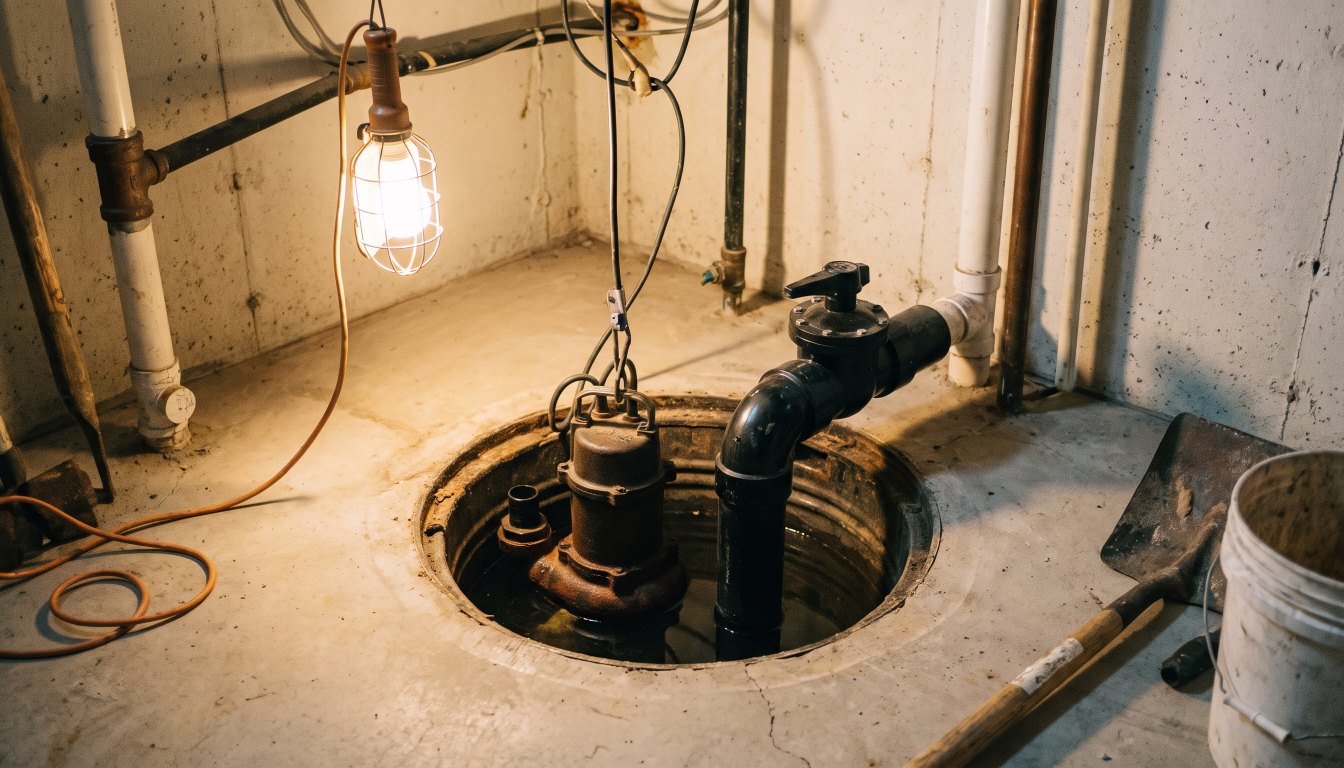
Because the damage compounds. Water reaches a finished lower level, and what follows is not a plumbing bill — it is flooring, millwork, drywall, insulation, mechanical equipment, contents, potential mould remediation, an insurance claim, and a permanent disclosure obligation when you sell. On a house with a $500,000 finished lower level, a drainage problem that costs $30,000 to solve can cause several times that in damage first.
The causes are almost always the same four: grading that falls toward the house, downspouts discharging at the foundation, failed or absent weeping tile, and no backwater valve where the municipal system can back up. On ravine lots, add slope drainage to the list.
Why the cost compounds
Consider what sits between water and your bank account in a large Toronto house: engineered flooring, custom millwork, drywall and insulation, mechanical equipment in a finished room, contents, and then remediation, insurance deductibles and a disclosure obligation at resale.
The repair that would have prevented it — regrading, extending downspouts, a backwater valve, sometimes weeping tile — is a fraction of the damage. Which is why every well-advised buyer at this level looks for water first and finishes second.
The four usual causes
1. Grading that falls toward the house
The most common and the most fixable. Over decades, soil settles, gardens are built up, patios are added, and the slope that once carried water away starts carrying it back. Walk every elevation and look at where the ground falls.
2. Downspouts discharging at the foundation
A roof of any size collects an enormous volume of water. Delivered to a downspout that empties beside the wall, it goes straight to the footing. Extending discharge well away from the house is among the cheapest interventions available.
3. Failed or absent weeping tile
Older Toronto houses may have clay tile that has collapsed or filled, or no perimeter drainage at all. This is expensive to correct and it is the reason a proper investigation matters before purchase rather than after.
4. No backwater valve
Where the municipal system can back up under heavy rain, a backwater valve on the sanitary line is the protection. Installation requires a permit and is one of the highest-value low-cost improvements on an older property.
Ravine lots: an extra layer
On a slope, water moves. That is useful when it moves away and expensive when it moves toward. The complication is that the obvious fix — regrading — is regulated. Inside a mapped ravine protected area, Municipal Code Chapter 658 requires a permit to alter the grade of land, to place or dump fill, and to injure, destroy or remove a tree. Where the property is also in a TRCA regulated area under O. Reg. 41/24, TRCA approval is required before a building permit issues.
What to look for when viewing
- Outside: the slope at every elevation, downspout discharge points, any low areas near the foundation, window wells and how they drain, and on a slope, any erosion or retaining structure.
- Inside, unfinished areas: efflorescence on foundation walls, staining, rust at the base of steel, the sump pit and how much sediment it holds.
- Inside, finished areas: a dehumidifier running in a finished room, cupped or lifting flooring, fresh paint only at the base of walls, and smell.
- Documents: permits for any past drainage or waterproofing work, insurance claim history where the seller will share it, and the inspection report.
For sellers
If there is history here, deal with it before you list. Fix it, document the fix with permits and invoices, and be straightforward. A buyer who discovers a water history mid-negotiation reprices the whole house, not just the repair — and sellers must not conceal or misrepresent known material latent defects, which is a matter to discuss with your lawyer before you go to market.
The practical takeaway
Investigate water before you investigate anything else, and remember that on a ravine lot the fix is regulated as well as expensive. A finished lower level is one of the most valuable spaces in a Toronto luxury home and the most vulnerable, and the difference between the two is usually a few hundred dollars of grading work nobody did.
Frequently asked questions
What causes basement water in Toronto homes?
Most commonly: negative grading that directs surface water toward the foundation, downspouts discharging beside the house, failed or absent weeping tile, cracks in foundation walls, and sewer backup where no backwater valve is installed. On sloped and ravine lots, water moving down the slope adds to all of it.
What is a backwater valve?
A device installed on the sanitary line that closes to prevent municipal sewage backing up into the house during heavy rain. It is one of the highest-value, lowest-cost protections available on an older Toronto property, and installation requires a permit.
Can I regrade a ravine property to fix drainage?
Not freely. Inside a mapped ravine protected area, altering the grade of land requires a permit under Municipal Code Chapter 658, as does placing fill and removing trees. Where the property is also in a TRCA regulated area under O. Reg. 41/24, TRCA approval is required. Plan the approvals before the work.
How do I check for water problems when viewing a house?
Look at where the ground slopes at every elevation, where the downspouts discharge, whether there is efflorescence or staining on foundation walls, whether a dehumidifier is running in a finished room, whether there is a sump and how hard it works, and whether the house smells of damp. Then have an inspector investigate properly.
Does water damage have to be disclosed when selling?
Sellers must not conceal or misrepresent known material latent defects. Whether a specific past issue must be disclosed is a legal question that depends on the facts, and it should be discussed with your lawyer before you list rather than at the negotiating table.
Is water covered by home insurance?
Overland water and sewer backup coverage are usually separate endorsements with their own limits and deductibles rather than automatic coverage. Read the policy, and ask specifically what water coverage a quote includes.
Thinking about buying or selling at the top end?
Send me the address, or the shortlist you are considering. I will tell you what the property is actually worth today, what the land is worth without the house, what the transfer tax and carrying costs will be, and whether the deal makes sense. Confidential, always.
[email protected] · 833-330-1925 · Book a free consultation
Confidential. Read personally and answered within 24 hours. I never share, sell or distribute your information.
Related reading
- What a real inspection on a luxury home should include
- How much is a finished lower level worth in a Toronto luxury home?
- Buying a ravine lot in Toronto: what the bylaw does to your plans
- Insuring a luxury home in Toronto: why the quote comes back strange
Sources
Everything above that is a rule, a rate or a published number comes from these. Verify anything that matters to your own deal.
- City of Toronto — Municipal Code Chapter 658, Ravine and Natural Feature Protection
- City of Toronto — When to apply for a tree or ravine permit
- Toronto and Region Conservation Authority — Replacing an existing home
About the author — Jatin Dua, Broker of Record
I’m the Broker of Record at RE/MAX Quantum Realty, 799 The Queensway in Etobicoke, and I work with buyers, sellers and investors across Toronto and the west GTA. A large part of my work sits in the upper end of the market, where the comparables are thin, the rules are heavier and the cost of a wrong number is measured in hundreds of thousands of dollars.
The free estimators on this site are mine. I built them because the first question every owner asks is “what is it worth?” and the honest answer starts with a number you can check yourself. [email protected] or 833-330-1925.