

Published 29 September 2026 · By Jatin Dua, Broker of Record, RE/MAX Quantum Realty
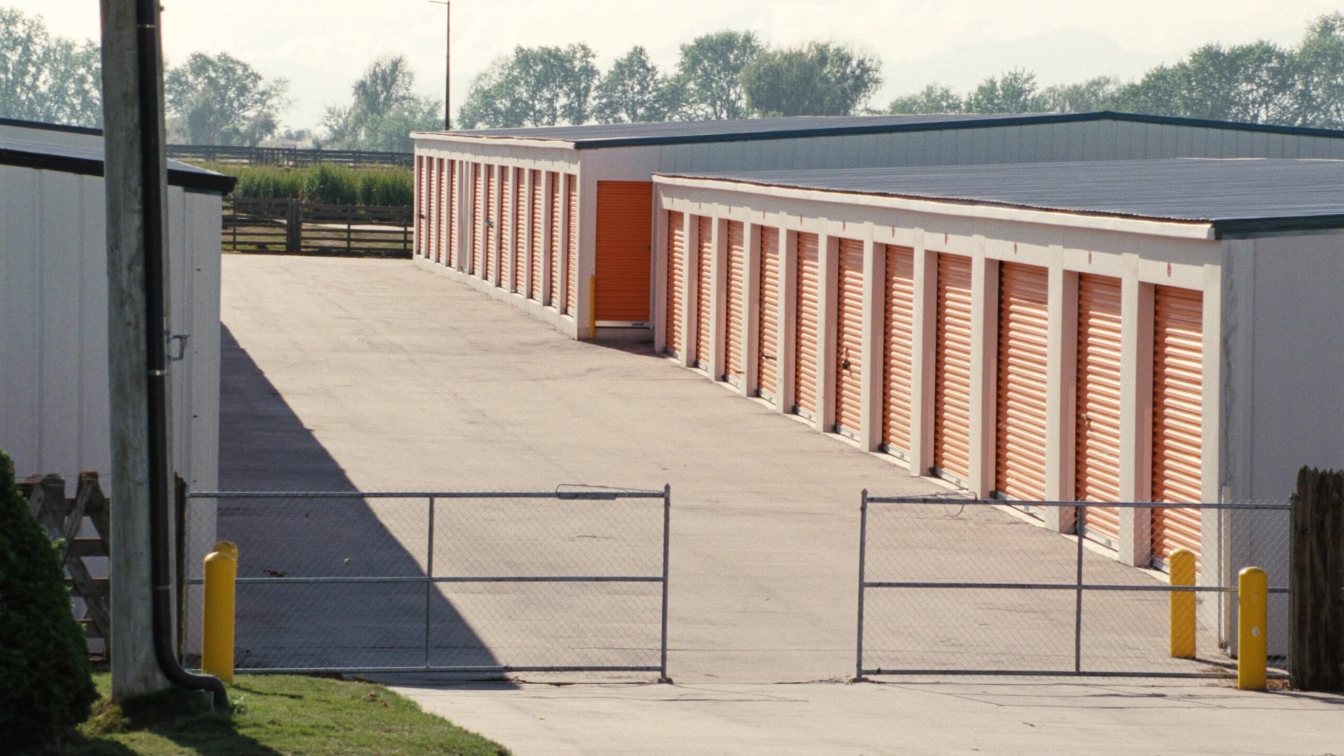
Buying a self-storage facility is mostly buying real estate with a rent roll attached. I found no provincial licence and no Toronto business-licence category for self-storage, so there is no licence to transfer. The law that shapes daily operations is the Repair and Storage Liens Act: the storer has a lien for unpaid charges, may sell stored goods once 60 days have passed after the amount became due, must give written notice at least 15 days before the sale, including to secured lenders registered under the PPSA, and after 12 months may give goods to a registered charity. Commercial property is taxable, so an HST-registered buyer self-assesses, and Ontario land transfer tax on a $5,000,000 property is $96,475 by my arithmetic. In Toronto, zoning permits a self-storage warehouse only in the EL zone. No primary source publishes storage multiples.
What you are really buying
| Piece | How it moves | What to check |
|---|---|---|
| Land and buildings | Transfer of title (or shares of the owning company) | Zoning, permits, environmental history, roof and doors |
| Customer agreements | With the business; by agreement in an asset deal | Standard form, lien and default terms |
| Unpaid units and lien files | With the business | Notices sent, sales held, records kept |
| Management software, website, phone number | By agreement | Who owns the accounts; third-party management contracts |
| Staff | Those you keep bring their service | Hire dates, pay |
| Insurance programs sold to tenants | By agreement | Who is the insurer, what commission flows |
The premises questions, zoning, occupancy and fire, are in self-storage facility zoning in Ontario.
Unpaid units: the Repair and Storage Liens Act
Ontario has no self-storage statute. A facility is a “storer” under the Repair and Storage Liens Act, and the rules for unpaid units come from there. A buyer should read the seller’s lien files against them:
- The lien. A storer who receives an article for storage has a lien for the agreed amount, or a fair value if none was agreed, and may keep possession until paid (s. 4(1)). The lien arises when the storer receives possession.
- Goods from someone other than the owner. If the storer knows or has reason to believe the goods came from someone other than the owner, it must give written notice within 60 days to the owner and anyone with a registered security interest, or the lien is limited to 60 days of charges (s. 4(4)).
- Right to sell. Once 60 days have passed after the day the storage charge became due (s. 4(7)).
- Notice of sale. In writing, at least 15 days before the sale, to the person who stored the goods, the owner, secured parties registered under the Personal Property Security Act (for a motor vehicle, searched by its serial number), and registered lien claimants, describing the goods, the amount owed, the daily charges and how to redeem (s. 15).
- Alternatives. The storer may propose to keep the goods in satisfaction of the debt (s. 17), and after holding them 12 months from when the right to sell arose may give them to a registered charity on conditions (s. 19).
Why this matters to a buyer: a facility that auctions units without proper notice is building up claims. Ask for the last two years of lien sales with copies of the notices and proof of delivery. Stored vehicles, boats and trailers deserve extra care because lenders often hold registered security in them.
Tax on closing: HST and land transfer tax
The sale of commercial real property is a taxable supply for HST. Where the buyer is registered, the seller does not collect the tax (Excise Tax Act s. 221(2)) and the buyer self-assesses (s. 228(4)): a registrant buying mainly for commercial activity reports it on its own return for the period. A buyer who is not registered pays and files by the end of the following month. Register before closing, and get your accountant to confirm.
If you are buying the operating business as well, a section 167 election on form GST44 can cover the business assets, but the Act excludes real property sold to a non-registrant from that relief.
| Price (illustrative) | Ontario land transfer tax | Plus Toronto municipal tax |
|---|---|---|
| $2,000,000 | $36,475 | $72,950 in total |
| $5,000,000 | $96,475 | $192,950 in total |
| $10,000,000 | $196,475 | $392,950 in total |
My arithmetic from the published brackets: above $400,000 the provincial tax on non-residential property is 2 percent of the price less $3,525, and Toronto’s commercial brackets mirror the provincial ones. Run your own figure in the land transfer tax calculator.
Environmental history
Ontario Regulation 153/04 treats storing and warehousing goods as an industrial use, and a building in a Building Code Group F industrial occupancy as one too. Self-service storage buildings are listed as industrial in the Ontario Association of Architects’ occupancy guide. The Environmental Protection Act requires a Record of Site Condition before a property moves from industrial or commercial use to a more sensitive use, such as residential or parkland. Continuing as self-storage does not trigger that rule, by my reading of section 168.3.1, but a lender will usually want a phase one environmental site assessment, and the site’s past matters.
Many storage facilities are conversions of older industrial buildings or former big-box sites. The regulation’s list of potentially contaminating activities includes commercial trucking and container terminals, gasoline storage in fixed tanks and commercial autobody shops. If any of those was on the site, expect a phase two.
Staff, accessibility and insurance
Employees you keep bring their years with the seller under section 9 of the Employment Standards Act, 2000, unless you hire them more than 13 weeks after the earlier of their last day and the sale date. Every business with an Ontario employee has AODA duties, and the design of public spaces standard applies if you renovate the office, counters or parking. Ask for the property insurance, any claims history, and how tenant goods insurance is sold and who earns the commission.
Documents to demand, and no multiple
No Canadian primary source publishes sale prices, multiples or capitalization rates for self-storage. Value comes from the income you can verify and the real estate under it. Ask for:
- A current rent roll: every unit, its size, rate, move-in date and balance owing.
- Occupancy by month for three years, by unit size.
- Three years of operating statements, with property tax, insurance, utilities, repairs and management fees separated.
- The standard customer agreement and the last two years of lien sale files.
- Building permits, the certificate of occupancy for any addition, and the fire inspection and sprinkler records.
- Title, survey, zoning confirmation and any environmental reports.
- Any third-party management contract and whether it ends on a sale.
With those in hand, test the price with the AI industrial property value estimator and the cap rate calculator, using your own verified net operating income rather than the seller’s pro forma.
Where I fit
I help buyers across the GTA assess storage sites as real estate first. If you are weighing storage against a plain industrial building, read buying a warehouse in Ontario; if the site was once a truck yard, trucking yard premises covers the fuel and spill history to look for. For a phase-one-style checklist in a riskier sector, see gas station environmental due diligence. Book a call or phone 833-330-1925.
Free tool — AI industrial property value estimator
Frequently asked questions
Do you need a licence to run a self-storage business in Ontario?
I found no provincial licence for self-storage and no self-storage category in Toronto’s business licensing chapter. The facility must still be in a zone that permits it, meet the Building and Fire Codes, and follow the Repair and Storage Liens Act for unpaid units.
When can a storage facility sell a unit’s contents in Ontario?
Under the Repair and Storage Liens Act, a storer may sell once 60 days have passed after the storage charge became due. It must give written notice of the sale at least 15 days beforehand to the person who stored the goods, the owner and registered secured parties.
Is there HST on buying a self-storage property?
Yes, commercial real property is a taxable supply. If the buyer is an HST registrant, the seller does not collect it and the buyer self-assesses and reports it under section 228(4) of the Excise Tax Act. Confirm the treatment with your accountant.
Where is self-storage allowed in Toronto?
Toronto’s city-wide zoning by-law permits a self-storage warehouse in the Employment Light Industrial (EL) zone. It is not listed in the E, EH or CR zones. Site-specific exceptions exist, so confirm the zoning of the actual lot. A plain warehouse is permitted more widely than self-storage.
What cap rate do self-storage facilities sell at in Ontario?
No Canadian primary source publishes cap rates or sale multiples for self-storage. Work from a verified rent roll and operating statements, and test the price against your own required return. Occupancy by unit size over three years tells you more than a single month.
Sources
- Repair and Storage Liens Act — e-Laws — storer’s lien, 60-day sale right, 15 days’ notice, charity after 12 months
- Government of Ontario — Register a security interest or search for a lien — online search $8
- Excise Tax Act, section 221 — Justice Laws Website — s. 221(2): seller does not collect on real property sold to a registrant
- Excise Tax Act, section 228 — Justice Laws Website — s. 228(4): buyer self-assesses
- Excise Tax Act, section 167 — Justice Laws Website — election on the sale of a business; not available where a registrant sells to a non-registrant
- Government of Ontario — Calculating land transfer tax — provincial brackets
- City of Toronto — Municipal Land Transfer Tax rates and fees — Toronto only
- O. Reg. 153/04, Records of Site Condition — e-Laws — industrial use definition, potentially contaminating activities, 18-month currency
- Environmental Protection Act — e-Laws — s. 168.3.1, record of site condition before a change to a more sensitive use
- Ontario Association of Architects — Guide to occupancies — assembly and industrial examples based on the Building Code
- City of Toronto Zoning By-law 569-2013 — EL zone (60.10) — employment light industrial permitted uses
- Employment Standards Act, 2000 — e-Laws — s. 9, sale of a business and continuity of employment
Related reading
- Self-storage facility zoning in Ontario
- Buying a warehouse in Ontario
- Trucking yard premises in Ontario
- Gas station environmental due diligence
- AI industrial property value estimator
- Cap rate calculator
- Land transfer tax calculator
About the author — Jatin Dua, Toronto and GTA real estate broker
I am Jatin Dua, Broker of Record and co-founder of RE/MAX Quantum Realty Inc., Brokerage, Unit 101, 799 The Queensway, Toronto. I work with buyers and sellers across Toronto and the GTA and have helped more than 100 families sell. Four-plus years of active GTA transactions and over $100 million in sales volume. Every figure here comes from a published table, regulator or statute linked in the sources, so you can check all of it without asking me.
Reach me at connect@jatindua.com or 833-330-1925, or book a call.