

Published 29 September 2026 · By Jatin Dua, Broker of Record, RE/MAX Quantum Realty
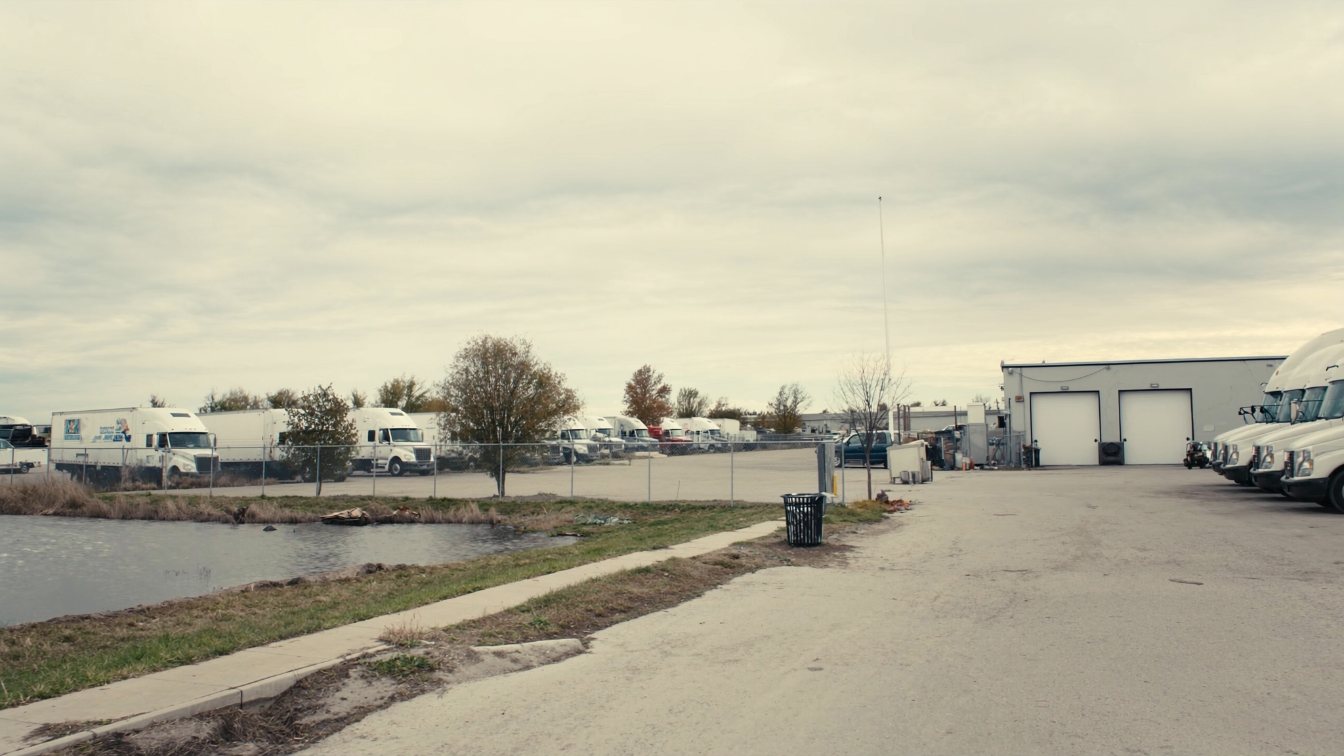
A truck yard is only as good as its zoning and its environmental permissions. Toronto’s by-law defines a vehicle depot as non-public storage of vehicles, which may include dispatching, maintenance and fuelling, and a shipping terminal as premises for transferring goods between vehicles. Both are permitted in the EH zone and, in the E zone, only on a lot at least 70 m from a residential zone; neither is listed in EL. Brampton warns that unauthorized truck yards are illegal and that a rezoning, if needed, and site plan approval must come before any work, including grading. Yards where trucks are repaired outdoors cannot use the simpler registry route for storm water works and may need an Environmental Compliance Approval. On-site tanks bring TSSA and Fire Code rules, and the regulation on site condition lists trucking terminals as potentially contaminating.
Zoning: vehicle depot, shipping terminal or open storage
Toronto’s Zoning By-law 569-2013 uses three labels a truck-yard buyer should know:
| Use | Definition, in short | Toronto employment zones |
|---|---|---|
| Vehicle depot | Non-public storing of vehicles (not construction or agricultural); may include dispatching, maintenance, service and fuelling | EH; E if at least 70 m from a residential zone |
| Shipping terminal | Transferring goods between vehicles or modes; may include ancillary maintenance, service and fuelling | EH; E if at least 70 m from a residential zone |
| Open storage | Storing goods, containers or equipment outside a wholly enclosed building; parking vehicles in a vehicle depot is not open storage | Separate rules |
Neither vehicle depot nor shipping terminal appears in the EL list. A lot that is fine for a warehouse can therefore be wrong for a trailer yard. Stacking containers is open storage, not a depot.
Outside Toronto the labels differ but the problem is the same. Brampton’s by-law enforcement page says zoning generally does not permit outside storage or the parking and storage of oversized vehicles on non-compliant lots, that converting land to a truck yard without approval is illegal, and that a zoning by-law amendment, if needed, and site plan approval must be obtained before any work, including grading. Owners and businesses can face fines and the cost of City work. When I look at a yard, the first document I ask for is the approved site plan.
Employment land and the movement of goods
The Planning Act’s definition of an “area of employment” expressly includes warehousing uses, “including uses related to the movement of goods”. Truck terminals sit squarely inside what employment areas are meant to protect. That helps an operator, because nearby land is harder to convert to housing. It also means a buyer hoping the yard is a future residential site should know that a municipality’s refusal of a private request to remove land from an area of employment cannot be appealed where its official plan has removal policies.
Buildings on the yard
The Ontario Association of Architects’ occupancy guide lists freight depots and repair garages as industrial. Adding a maintenance bay, a dispatch office or a cross-dock to a yard is construction that needs a permit, and turning an existing building into a repair garage is a change of use. Section 10 of the Building Code Act, 1992 bars a change of use that increases hazard without a permit.
A fire safety plan is required for a medium-hazard industrial building with an occupant load over 100, and for high-hazard industrial once over 25 (Fire Code 2.8.1.1). Most yard buildings are small, but a large cross-dock may cross a threshold.
Stormwater: registry or approval
A paved yard sheds a lot of water, often with oil and grit in it. Ontario lets many private storm water management works register on the Environmental Activity and Sector Registry instead of obtaining an Environmental Compliance Approval, but only where any processing, repair or maintenance of goods happens indoors and the works receive no process, cooling or wash water or sanitary sewage. The guidance specifically excludes a site where any outdoor repair and maintenance of motorized vehicles, equipment or heavy machinery takes place.
So a yard where drivers change fluids or tires outside may need an ECA. Truck washing adds wash water, which pushes the site further from the registry route. Ontario’s guidance also says most industrial sewage works require an ECA. Ask the seller for the approval or registration, the engineer’s storm water report and the maintenance records for separators and ponds.
Fuel tanks and spills
- Private outlet. A yard that fuels its own trucks is a private outlet under O. Reg. 217/01. TSSA says private outlets need no TSSA licence, but must follow the Liquid Fuels Handling Code and use TSSA-registered contractors for tank work.
- Cardlock. An unsupervised outlet not used by the general public needs a licence, which does not transfer to a buyer.
- Idle tanks. The Fire Code requires underground tanks out of service two years or more to be emptied, purged and removed, with contaminated soil replaced, unless the fire official allows abandonment in place. An aboveground tank out of service for up to 180 days must have its piping capped or valves locked.
- Spills. Whoever caused or permitted a spill, or had control of the substance, reports it to the Spills Action Centre (416-325-3000 or 1-800-268-6060, 24 hours).
Record of Site Condition risk
O. Reg. 153/04 lists commercial trucking and container terminals, fixed-tank fuel storage and commercial autobody shops as potentially contaminating activities. It also treats the storage, maintenance, fuelling or repair of vehicles used to maintain transportation systems as an industrial use. A yard that stays a yard does not need a Record of Site Condition, by my reading of section 168.3.1 of the Environmental Protection Act, which applies to changes to a more sensitive use such as residential or parkland. But a lender will want a phase one, and if you ever sell to a developer, the next buyer will price the cleanup. Phase one work must be no more than 18 months old when a record is submitted, so old reports have a shelf life.
Leasing a yard: clauses to insist on
- A use clause naming a vehicle depot or truck terminal, with maintenance and fuelling if you need them.
- A baseline environmental report at the start, attached to the lease.
- Clear responsibility for storm water works, permits and maintenance.
- Surface and drainage condition, and who repairs potholes and catch basins.
- Hours of operation and any restrictions near residential neighbours.
- Restoration obligations at the end of the term, tied to the baseline.
Where I fit
I help carriers and investors across Peel, Halton and Toronto check the zoning, the site plan and the environmental file before they commit to a yard. The business side is in buying a trucking company in Ontario, and indoor storage buildings in warehouse and light industrial space. For a related garage-and-fluids premises guide, see auto repair shop premises. Get a range for the land and buildings with the AI industrial property value estimator below, then book a call or phone 833-330-1925.
Free tool — AI industrial property value estimator
Frequently asked questions
Is a truck yard allowed in industrial zones in Toronto?
A vehicle depot or shipping terminal is permitted in Toronto’s EH zone and in the E zone only on a lot at least 70 m from a residential zone. Neither is listed in the EL zone. Check the lot for site-specific exceptions.
Is a truck parking lot illegal in Brampton?
Brampton says its zoning generally does not permit outdoor truck storage on non-compliant lots, and that converting land to a truck yard without a rezoning, if needed, and site plan approval is illegal. Owners and businesses can be fined and charged for City work.
Does a truck yard need an Environmental Compliance Approval?
It can. Private storm water works may register on the EASR only if repairs and maintenance happen indoors and no wash or process water enters the works. Outdoor repair and maintenance of vehicles is specifically excluded, which may mean an ECA is needed.
Who do you call about a fuel spill at a truck yard in Ontario?
The Spills Action Centre, 24 hours a day, at 416-325-3000 or toll-free 1-800-268-6060. The duty falls on whoever caused or permitted the spill or had control of the substance, which can include the operator of the yard. Keep the number posted near the fuel tanks.
Does a truck yard need a Record of Site Condition?
Not to keep operating as a yard, by my reading of the Environmental Protection Act. A record is required before a change to a more sensitive use such as residential or parkland. Trucking terminals are listed as potentially contaminating, so expect a phase one.
Sources
- City of Toronto Zoning By-law 569-2013 — Chapter 800 definitions — recreation use, place of assembly, warehouse, self-storage warehouse, vehicle depot
- City of Toronto Zoning By-law 569-2013 — E zone (60.20) — employment industrial permitted uses and conditions
- City of Toronto Zoning By-law 569-2013 — EH zone (60.30) — employment heavy industrial permitted uses
- City of Brampton — Illegal outdoor truck and intermodal storage facilities — zoning, site plan approval, enforcement
- Planning Act — e-Laws — s. 1(1) area of employment; s. 22(7.1)–(7.3) no appeal on removal
- Ontario Association of Architects — Guide to occupancies — assembly and industrial examples based on the Building Code
- Government of Ontario — Storm water management works guidance for the EASR — eligibility and exclusions, including outdoor vehicle repair
- Government of Ontario — Environmental permissions for sewage and storm water management works — most industrial sewage works need an ECA
- TSSA — Private fuel outlets — no TSSA licence; registered contractors; Liquid Fuels Handling Code
- Ontario Fire Code, O. Reg. 213/07 — e-Laws — occupant load 2.7.1.4, fire safety plans 2.8, records 1.1.2, tanks 4.3.16
- Government of Ontario — Report pollution and spills — Spills Action Centre 1-800-268-6060, 24/7
- O. Reg. 153/04, Records of Site Condition — e-Laws — industrial use definition, potentially contaminating activities, 18-month currency
Related reading
- Buying a trucking company in Ontario
- Warehouse and light industrial space
- Self-storage facility zoning
- Auto repair shop premises in Ontario
- Gas station environmental due diligence
- AI industrial property value estimator
About the author — Jatin Dua, Toronto and GTA real estate broker
I am Jatin Dua, Broker of Record and co-founder of RE/MAX Quantum Realty Inc., Brokerage, Unit 101, 799 The Queensway, Toronto. I work with buyers and sellers across Toronto and the GTA and have helped more than 100 families sell. Four-plus years of active GTA transactions and over $100 million in sales volume. Every figure here comes from a published table, regulator or statute linked in the sources, so you can check all of it without asking me.
Reach me at connect@jatindua.com or 833-330-1925, or book a call.