

Published 29 September 2026 · By Jatin Dua, Broker of Record, RE/MAX Quantum Realty
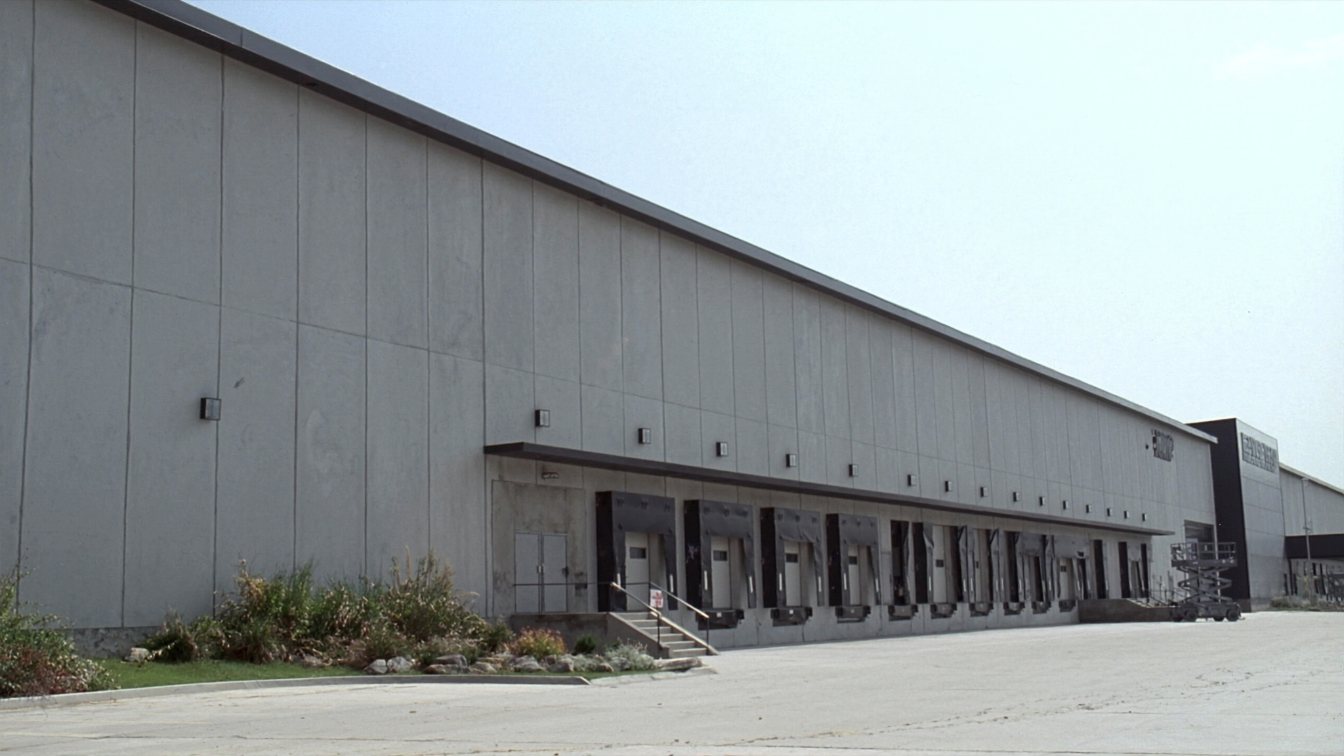
Buying a warehouse is a commercial real estate purchase with four money questions. HST: commercial property is taxable, and a registered buyer self-assesses rather than paying the seller (Excise Tax Act s. 221(2) and s. 228(4)). Land transfer tax: above $400,000 Ontario charges 2 percent less $3,525, so $96,475 on a $5,000,000 building, doubled to $192,950 in Toronto by my arithmetic. Environment: continuing an industrial use does not require a Record of Site Condition, by my reading, but a change to a more sensitive use such as residential does, and lenders expect a phase one. Zoning and planning: most warehouses sit in an “area of employment”, which protects the use but blocks easy conversion. Then come clear height, loading, power, fire systems and any tenant leases. No primary source publishes industrial cap rates.
What you are really buying
An industrial building is land, a box and, often, tenants. I split the review into four files: tax and closing costs, environmental history, planning status, and the building and its leases. Each can move the price. If you are buying an operating business that comes with the building, such as a distribution company, the business side follows the same asset-versus-share logic as any other acquisition; the building side is below. For renting space rather than buying, see warehouse and light industrial space in Ontario.
HST on a commercial purchase
A sale of commercial real property is a taxable supply. The Excise Tax Act changes who remits it:
- Buyer registered for HST: the seller does not collect it (s. 221(2), where the seller is not a non-resident and other conditions are met). The buyer self-assesses (s. 228(4)). A registrant buying mainly for use in commercial activities reports the tax on its return for the period in which it became payable.
- Buyer not registered: the seller collects it, or the buyer pays and files a separate return by the end of the month after the month the tax became payable.
Register the buying entity before closing, and have your accountant and lawyer confirm the treatment and the wording of the HST clause in the offer. If a seller’s operating business is included, a section 167 election on form GST44 may cover the business assets, but the Act carves real property sold to a non-registrant out of that relief.
Land transfer tax
| Price (illustrative) | Ontario land transfer tax | Toronto municipal tax | Total in Toronto |
|---|---|---|---|
| $2,000,000 | $36,475 | $36,475 | $72,950 |
| $5,000,000 | $96,475 | $96,475 | $192,950 |
| $10,000,000 | $196,475 | $196,475 | $392,950 |
My arithmetic from the published brackets: 0.5 percent to $55,000, 1 percent to $250,000, 1.5 percent to $400,000 and 2 percent above. The 2.5 percent provincial bracket over $2,000,000 applies only to land with one or two single family residences, so it does not apply to a warehouse. Toronto’s commercial brackets match the provincial ones; Mississauga, Brampton and the rest of the GTA outside Toronto have no municipal tax. Check any figure in the land transfer tax calculator.
Environmental: phase one, phase two and the Record of Site Condition
Ontario Regulation 153/04 defines industrial use to include assembling, manufacturing, storing, warehousing or distributing goods, and any building in a Group F industrial occupancy. Section 168.3.1 of the Environmental Protection Act requires a Record of Site Condition before land moves from industrial or commercial use to residential, parkland or another prescribed more sensitive use. Warehouse to warehouse, or warehouse to commercial, does not trigger it, by my reading.
That does not make the environment someone else’s problem:
- Lenders routinely ask for a phase one environmental site assessment.
- The regulation’s list of potentially contaminating activities includes commercial trucking and container terminals, fuel storage in fixed tanks, commercial autobody shops, metal fabrication and many kinds of manufacturing. Past tenants matter as much as the current one.
- If a record will ever be filed, the phase one and phase two work must be no more than 18 months old when it is submitted.
- A future buyer who wants to redevelop will price the cleanup into their offer.
Ask for every environmental report the seller has, and for the history of tenants going back as far as they can.
Employment land: protection and a ceiling
Since 2023 the Planning Act defines an “area of employment” as land designated in an official plan for clusters of business and economic uses: manufacturing, research and development connected with manufacturing, warehousing including the movement of goods, and retail and office uses associated with those. Institutional uses and unrelated commercial uses, such as stand-alone retail and office, are excluded. Uses lawfully established before the change may continue under the official plan.
For an owner this cuts both ways. Neighbouring land is harder to turn into housing, which protects trucks and night shifts from complaints. But if the value case depends on a future rezoning to residential or retail, the Planning Act gives no appeal when a municipality refuses a private request to remove land from an area of employment, where its official plan has removal policies. Price the building as industrial.
The building checks I run
None of these is set by a regulation; they are what tenants and future buyers compare, so they drive rent and resale:
- Clear height to the underside of the lowest joist or sprinkler line, not the roof peak.
- Loading: dock-level doors, drive-in doors, levellers, and the depth of the truck court for a 53-foot trailer to turn.
- Power: amperage and voltage at the main service.
- Sprinklers and fire alarm: the system type and whether it suits high-piled storage, plus the test records the Fire Code requires to be kept at the building for two years.
- Roof and slab: age, warranty, cracking and drainage.
- Office content as a share of the building.
- Permits: whether every mezzanine, addition and office was permitted.
Tenants and leases
A tenanted building is valued on its income. Ask for every lease and amendment, a rent roll, the recoverable operating costs and property tax reconciliations, and tenant estoppel certificates confirming the rent, term and defaults. Check whether any tenant has a right of first refusal or option to purchase, which can stop your deal outright. Then test the price with the cap rate calculator, using the net operating income you can verify. For a range on the building itself, use the AI industrial property value estimator below.
Where I fit
I help buyers and owner-users across Toronto, Peel, Halton, York and Durham assess industrial buildings: the tax on closing, the environmental file, the planning status and the physical checks. If the building will house self-storage, read buying a self-storage facility; if it comes with a fleet, buying a trucking company. For another environmental-first purchase, see gas station environmental due diligence. Book a call or phone 833-330-1925.
Free tool — AI industrial property value estimator
Frequently asked questions
Do you pay HST when buying a commercial building in Ontario?
Yes, a sale of commercial real property is a taxable supply. If you are an HST registrant, the seller does not collect it and you self-assess under section 228(4) of the Excise Tax Act, reporting it on your return. If you are not registered, you pay and file a separate return.
How much is land transfer tax on an industrial building in Toronto?
By my arithmetic from the published brackets, $96,475 in Ontario tax on a $5,000,000 building plus the same again in Toronto municipal tax, $192,950 in total. Outside Toronto only the provincial tax applies, so the same building in Mississauga or Vaughan costs $96,475.
Do I need a Record of Site Condition to buy a warehouse?
Not to buy it or keep it industrial, by my reading of the Environmental Protection Act. A record is required before a change to a more sensitive use such as residential or parkland. Lenders will usually still want a phase one environmental site assessment.
Can a warehouse be converted to residential in Ontario?
Only with the planning approvals and, because the use becomes more sensitive, a Record of Site Condition. If the land is in an area of employment, the municipality can refuse a private request to remove it, and the Planning Act gives no appeal where the official plan has removal policies.
What cap rate do warehouses sell at in the GTA?
No Canadian primary source publishes industrial cap rates. Work from the verified net operating income and the leases, and compare against recent sales with a broker who can pull them. Check tenant leases for rights of first refusal before you rely on them.
Sources
- Excise Tax Act, section 221 — Justice Laws Website — s. 221(2): seller does not collect on real property sold to a registrant
- Excise Tax Act, section 228 — Justice Laws Website — s. 228(4): buyer self-assesses
- Excise Tax Act, section 167 — Justice Laws Website — election on the sale of a business; not available where a registrant sells to a non-registrant
- Government of Ontario — Calculating land transfer tax — provincial brackets
- City of Toronto — Municipal Land Transfer Tax rates and fees — Toronto only
- O. Reg. 153/04, Records of Site Condition — e-Laws — industrial use definition, potentially contaminating activities, 18-month currency
- Environmental Protection Act — e-Laws — s. 168.3.1, record of site condition before a change to a more sensitive use
- Planning Act — e-Laws — s. 1(1) area of employment; s. 22(7.1)–(7.3) no appeal on removal
- Ontario Fire Code, O. Reg. 213/07 — e-Laws — occupant load 2.7.1.4, fire safety plans 2.8, records 1.1.2, tanks 4.3.16
Related reading
- Warehouse and light industrial space in Ontario
- Buying a self-storage facility
- Buying a trucking company in Ontario
- Gas station environmental due diligence
- AI industrial property value estimator
- Cap rate calculator
- Land transfer tax calculator
About the author — Jatin Dua, Toronto and GTA real estate broker
I am Jatin Dua, Broker of Record and co-founder of RE/MAX Quantum Realty Inc., Brokerage, Unit 101, 799 The Queensway, Toronto. I work with buyers and sellers across Toronto and the GTA and have helped more than 100 families sell. Four-plus years of active GTA transactions and over $100 million in sales volume. Every figure here comes from a published table, regulator or statute linked in the sources, so you can check all of it without asking me.
Reach me at connect@jatindua.com or 833-330-1925, or book a call.