
Published 2 November 2026 · By Jatin Dua, Broker of Record, RE/MAX Quantum Realty
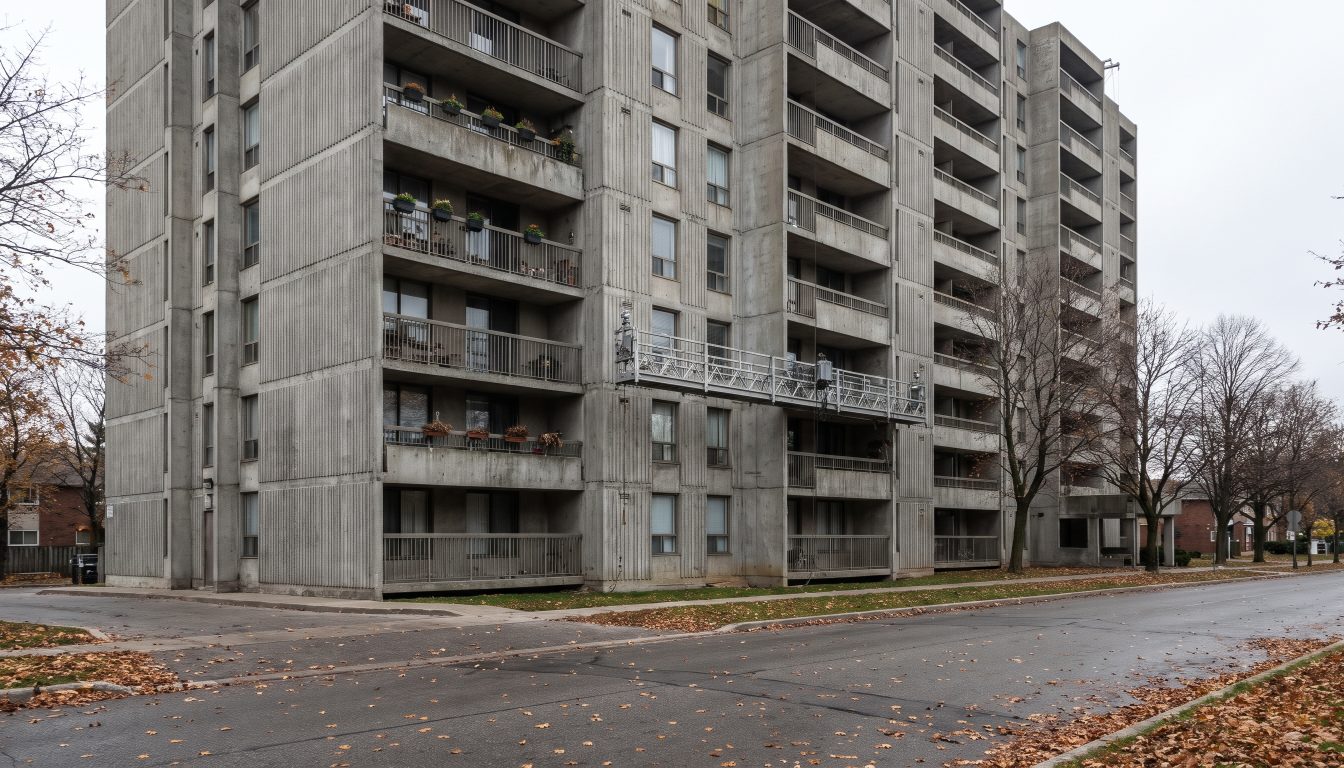
Most GTA condo fees are likely to rise again in 2027 because wages, water, insurance and repair costs all went up, and Ontario law requires reserve fund contributions that cover real repair costs, reviewed at least every three years. There is no cap on increases. Before buying, read the status certificate, reserve fund study and budget.
This guide is for GTA condo owners bracing for their 2027 budget letter, and for buyers who want to know whether a building’s fees are about to jump. You will see the costs pushing fees up, how the reserve fund study and insurance deductibles feed into your monthly bill, what rising fees do to resale value, and exactly what to check before you buy.
Will condo fees go up in 2027?
For most GTA buildings, probably yes, but there is no province-wide number. Each condo corporation’s board sets its own budget, and the fee you pay is your unit’s share of that budget under the declaration. The Condominium Act says the board manages the corporation’s affairs, and the reserve fund plan a board adopts is implemented without an owner vote.
What I can tell you is that nearly every cost a condo fee pays for rose going into 2027: staff wages, water, insurance and the price of major repairs. Inflation was 3.1% in September 2026, and the Bank of Canada expected it to reach about 3.5% by the end of 2026 before easing. A budget that only kept pace with inflation would still go up.
Why are condo fees going up?
A condo fee is a bundle of shared costs: building staff and contracts, utilities that are not separately metered, property insurance, management, routine repairs, and a contribution to the reserve fund for big future repairs. Here is the latest published data for each piece.
| What your fee pays for | Latest change | Source |
|---|---|---|
| Wages for contract cleaning, security and concierge staff paid near the minimum | Ontario general minimum wage rose from $17.60 to $17.95 an hour on 1 October 2026 (about 2%) | Ontario Ministry of Labour |
| Water and sewer (Toronto buildings) | Block 1 water rate up 3.75% from 1 January 2026 | City of Toronto |
| Building property insurance | Insured severe-weather losses in Canada passed $8 billion in 2024, a record, and $2.4 billion in 2025 | Insurance Bureau of Canada, CatIQ data |
| Major repairs and replacements | Toronto-area residential construction prices up 0.3% year over year in Q3 2026; new tariffs of 15% to 50% on some U.S. steel and aluminum products from 8 September 2026 | Statistics Canada |
| Reserve fund contributions | Must be enough to cover expected major repairs, reviewed in a study at least every three years | Condominium Act, 1998 and O. Reg. 48/01 |
Source: Ontario minimum wage page; City of Toronto water rates and fees (2026); IBC releases of 3 March 2025 and 27 January 2026; Statistics Canada, Building construction price indexes, third quarter 2026; Condominium Act, 1998 s. 93–94 and O. Reg. 48/01 s. 31.
The point of the table is not that any one line is huge. It is that almost every line moved up at once, and the reserve fund, which is often the largest single piece of a growing fee, is designed to catch up with real repair costs over time.
How does the reserve fund study push up condo fees?
The reserve fund is a mandatory savings account for major repairs and replacements, such as roofs, windows, elevators, boilers and the garage membrane. The Condominium Authority of Ontario (CAO) explains that each corporation must contribute an amount reasonably expected to cover those future costs, decided through a reserve fund study and a funding plan.
The rules work like this:
- A new corporation must complete a comprehensive reserve fund study within the year after it is registered.
- After that, a new study is due at least every three years, alternating between updates with and without a site inspection, under O. Reg. 48/01.
- Within 120 days of receiving a study, the board must propose a funding plan. Within 15 days of proposing it, the board must send owners a notice summarizing the study and the plan.
- Thirty days later, the board implements the plan. Owners do not vote on it.
The study looks at every common-element component expected to need major repair or replacement within at least the next 30 years. When a study finds that repair prices or the building’s needs have outgrown the current savings plan, contributions rise, and so do fees. For a deeper look at governance and what owners can and cannot vote on, see my guide on why condo fees keep going up and the document that tells you what is coming.
How do insurance costs and deductibles affect condo fees?
The Condominium Act requires every corporation to insure the units and common elements against major perils, which include fire, windstorm, hail and water escape, and to carry liability insurance. That premium is a common expense in everyone’s fee. As weather losses climb, building insurance gets more expensive and deductibles tend to rise.
The deductible matters more than most owners realize. Under section 105 of the Act, the part of a loss that falls inside the corporation’s deductible is a common expense. But if an owner, a tenant or someone living in the unit causes damage to the unit, the lesser of the repair cost and the deductible can be added to that owner’s common expenses. A corporation can also pass a by-law that extends this to other situations, as long as the corporation itself was not at fault.
So a higher building deductible can show up two ways: as higher fees for everyone when the building absorbs losses, and as a large one-off charge to one owner after a leak. Your own condo unit policy should cover that deductible chargeback. My guide to condo insurance and the deductible chargeback explains what to ask your insurer.
Condo Valuation
What’s your condo
worth today?
Three quick steps. Condos don’t price like houses — your floor, your view, and whether you own parking move the number more than anything else. This weighs all of them.
Reading recent condo sales…
Estimated market value
—
$0–$0
Most likely $0 · about $0 per square foot
What moved the number
Starting from what comparable units in your area sell for, here’s what your specifics added or subtracted.
Market context
—
—
Two units, same floor plan,
$90,000 apart.
That happens constantly in condos — one has the parking, the right exposure, or a board that keeps the reserve fund healthy. A model can’t see your status certificate. I can.
Do rising condo fees lower what my condo is worth?
They can, because fees reduce what a buyer can borrow. CMHC’s rules for insured mortgages count 50% of condo fees in a buyer’s gross debt service (GDS) ratio, which is capped at 39% of income, and the ratio is tested at the higher of the contract rate plus 2 points or 5.25%.
Here is a rough illustration. With an insured five-year fixed rate of 4.44% (the lowest available on 10 November 2026, according to Ratehub), a buyer qualifies at 6.44%. At that rate, every extra $100 a month in condo fees adds $50 to the GDS calculation, which cuts roughly $7,500 from the mortgage a buyer can qualify for on a 25-year amortization. That is my own calculation; lenders’ figures vary.
Fees also matter more when prices are falling. Condo apartment medians dropped across the GTA in 2026, and buyers compared monthly costs more closely.
| Area | Condo apartment median, Jan–Oct 2024 | Median, Jan–Oct 2026 | Change, 2026 vs 2025 | Average days on market, 2026 |
|---|---|---|---|---|
| Toronto C01 (downtown) | $680,000 | $600,000 | −6.6% | 37 |
| Toronto C08 (downtown east) | $657,750 | $565,000 | −7.4% | 38 |
| Mississauga | $583,000 | $485,000 | −9.3% | 42 |
| Brampton | $540,000 | $415,000 | −12.6% | 53 |
| Markham | $700,000 | $558,000 | −13.2% | 39 |
| Vaughan | $635,000 | $530,000 | −10.9% | 42 |
| Oshawa | $441,000 | $340,500 | −14.3% | 51 |
Source: TRREB MLS data via REALM, January–October 2024, 2025 and 2026; median sold prices and average days on market for condo apartments, municipal and TRREB district level only.
When two similar units are listed in the same area, the one with the lower fee for the same services usually sells first. My guide on whether high maintenance fees lower your condo’s value works through more examples.
What should I check about condo fees before buying in 2027?
The status certificate is your main tool. A corporation must provide one on request, and O. Reg. 48/01 caps the fee at $100 including tax. Under the Act and regulation, it must state:
- the current common expenses for the unit and any arrears;
- any increase in common expenses the board has declared since the current budget, and why;
- any assessments levied to increase reserve fund contributions, and why;
- any knowledge the corporation has of circumstances that may increase the unit’s common expenses.
Beyond the certificate, ask for:
- The date and type of the latest reserve fund study, and the notice of future funding that summarizes the plan. If a new study is due in 2027, expect change.
- The current budget, to see whether insurance, utilities or staffing jumped this year.
- The building insurance deductible for water damage, so your own policy matches it.
- What the fee includes: heat, hydro, water, parking and locker. A fee that includes utilities is more exposed to utility price changes.
- Recent board minutes, if the seller can provide them, for discussion of major projects, loans or special assessments.
Have your lawyer review the certificate before your condition expires. My guides to the status certificate and to spotting a special assessment before you buy cover what to look for line by line.
A low fee is not always good news. A building with fees well below similar buildings nearby may be underfunding its reserve fund, and the next study can correct that with a sharp increase or a special assessment. Compare the reserve fund balance and the planned contributions to the repairs listed in the study, not just the monthly number.
Which condos are most likely to see big fee jumps in 2027?
Based on how the rules work, these are the buildings I would look at most carefully:
- Buildings with a reserve fund study due in 2027. A new study resets the funding plan to current repair prices.
- Buildings approaching major replacements, such as windows, elevators, roofing or the parking garage, which a study’s component list will show.
- Buildings where heat, hydro or water are included in the fee, since utility increases pass straight through.
- Newer buildings in their first years, where the first comprehensive study, due within the year after registration, can change the budget the developer set.
This is my reading of the rules, not a published ranking. The only way to know for a specific building is to read its documents.
Can owners stop a condo fee increase?
Not directly. The Act gives the board the job of managing the corporation’s affairs, and the items the board must place before the annual general meeting are the financial statements and auditor’s report, not a budget for owners to approve. A reserve fund plan is implemented 30 days after owners are notified. Owners can still influence costs by attending meetings, asking questions about contracts and insurance, and standing for the board.
When I help a buyer choose between two condos, I look at the fee as a five-year number, not a one-month number. A slightly higher fee in a building with a healthy reserve fund and a recent study is often cheaper over time than a low fee in a building that has put off its big repairs. If you already own, read every notice of future funding your board sends. It is the clearest preview of next year’s fee you will get.
What to do next
- Find the date of your building’s last reserve fund study and when the next one is due.
- Read the most recent notice of future funding and this year’s budget, line by line.
- Check your unit insurance covers the corporation’s current water-damage deductible.
- If you are buying, make the deal conditional on your lawyer’s review of the status certificate.
- Before selling, estimate how your fee compares with similar units nearby, since buyers will.
Need help with this? Talk to me.
I’m Jatin Dua, Broker of Record at RE/MAX Quantum Realty, and I’m the best agent to do this kind of work for you in Toronto and across the GTA. Over $100 million in GTA sales and 100+ families helped sell. Feel free to contact me any time: call or text 833-330-1925 or email [email protected].
Frequently asked questions
Will condo fees go up in 2027 in Ontario?
Most likely, though each building is different and there is no province-wide figure. Costs that fees pay for rose going into 2027: Ontario’s minimum wage went to $17.95 an hour on 1 October 2026, Toronto raised its main water rate 3.75% for 2026, and severe-weather insurance losses stayed high. Reserve fund studies, required at least every three years, also reset contributions to current repair costs.
Why are my condo fees going up so much?
Usually because the reserve fund plan, insurance or utilities went up. Ontario’s Condominium Act requires reserve contributions large enough to cover expected major repairs, and a new study at least every three years can raise them sharply. Building insurance premiums and deductibles have risen with weather losses, and buildings that include heat, hydro or water in the fee pass utility increases straight through.
How much do condo fees increase each year in Ontario?
There is no set amount or legal cap on annual condo fee increases in Ontario. Each board sets its own budget, and a reserve fund plan is implemented 30 days after owners receive notice, without an owner vote. To see what your building plans, read the latest notice of future funding of the reserve fund and the status certificate, which must disclose declared increases.
Can a condo board raise fees without a vote in Ontario?
Yes. Under Ontario’s Condominium Act, 1998, the board manages the corporation’s affairs, including the budget, and owners do not vote to approve it. After a reserve fund study, the board proposes a funding plan, notifies owners within 15 days and implements it 30 days later. Owners can still ask questions at meetings, requisition a meeting or run for the board.
What is a reserve fund study in Ontario?
A reserve fund study is a formal review of a condo building’s major components, such as roofs, windows and elevators, and the money needed to repair or replace them over at least 30 years. In Ontario, a new corporation must do a comprehensive study within a year of registration, then another at least every three years under O. Reg. 48/01.
Do high condo fees affect getting a mortgage?
Yes. Under CMHC rules, 50% of condo fees count in your gross debt service ratio, which is capped at 39% of income and tested at the higher of your contract rate plus 2 points or 5.25%. At a 6.44% qualifying rate, each extra $100 a month in fees cuts roughly $7,500 from the mortgage you qualify for over 25 years, by my calculation.
What does the status certificate tell you about condo fees?
An Ontario status certificate must state the unit’s current common expenses, any increase declared since the budget and why, any assessments to boost the reserve fund, and any known circumstances that may increase common expenses. The fee is capped at $100 including tax. A buyer’s lawyer should review it before the condition period ends.
Who pays the condo insurance deductible in Ontario?
It depends who caused the damage. Under section 105 of Ontario’s Condominium Act, the deductible portion of a loss is normally a common expense shared by all owners. If an owner, tenant or occupant caused damage to their unit, the lesser of the repair cost and the deductible can be added to that owner’s common expenses, and a by-law can extend this further.
Are low condo fees a red flag?
Sometimes. Fees well below similar GTA buildings can mean the corporation is underfunding its reserve fund, and the next three-yearly study may correct that with a big increase or a special assessment. Compare the reserve fund balance and planned contributions with the repairs listed in the study. A low fee backed by a healthy, recent study is fine.
Sources
- Condominium Act, 1998, S.O. 1998, c. 19 (Ontario e-Laws)
- O. Reg. 48/01, General, under the Condominium Act, 1998 (Ontario e-Laws)
- Condominium Authority of Ontario — What is a condo reserve fund
- Government of Ontario — Minimum wage (Your guide to the Employment Standards Act)
- City of Toronto — Water rates and fees
- Statistics Canada — Building construction price indexes, third quarter 2026
- CMHC — Calculating GDS / TDS
- Ratehub — Best 5-year fixed mortgage rates in Canada
Related reading
- Biggest Condo Developers in Toronto: Track Records Buyers Should Check
- Is It a Good Idea to Buy a Condo in Toronto in 2027?
- Buying a House in Ontario on a Work Permit (2027): What the Foreign Buyer Ban Allows
- Can You Buy a House With No Down Payment in Ontario?
About the author — Jatin Dua, Toronto and GTA real estate broker
I am Jatin Dua, Broker of Record and co-founder of RE/MAX Quantum Realty Inc., Brokerage, Unit 101, 799 The Queensway, Toronto. I work with buyers and sellers across Toronto and the GTA and have helped more than 100 families sell. Four-plus years of active GTA transactions and over $100 million in sales volume.
Reach me at [email protected] or 833-330-1925, or book a call.
More from the library
- What Counts as Luxury Real Estate in Toronto? The Honest Answer
- Do Open Houses Still Work in Toronto?
- Selling a Waterfront House in the GTA: What Buyers Will Ask For, and Why You Should Have It First
- What Actually Moves a House’s Value in Toronto and the GTA (and How to Check Yours in 90 Seconds)
- Aldershot and North Shore Boulevard, Burlington: Living on Hamilton Harbour, Not the Lake
- 277 Davenport: Nine Hariri Pontarini Suites Where Yorkville Meets the Annex
