
Published 18 October 2026 · By Jatin Dua, Broker of Record, RE/MAX Quantum Realty
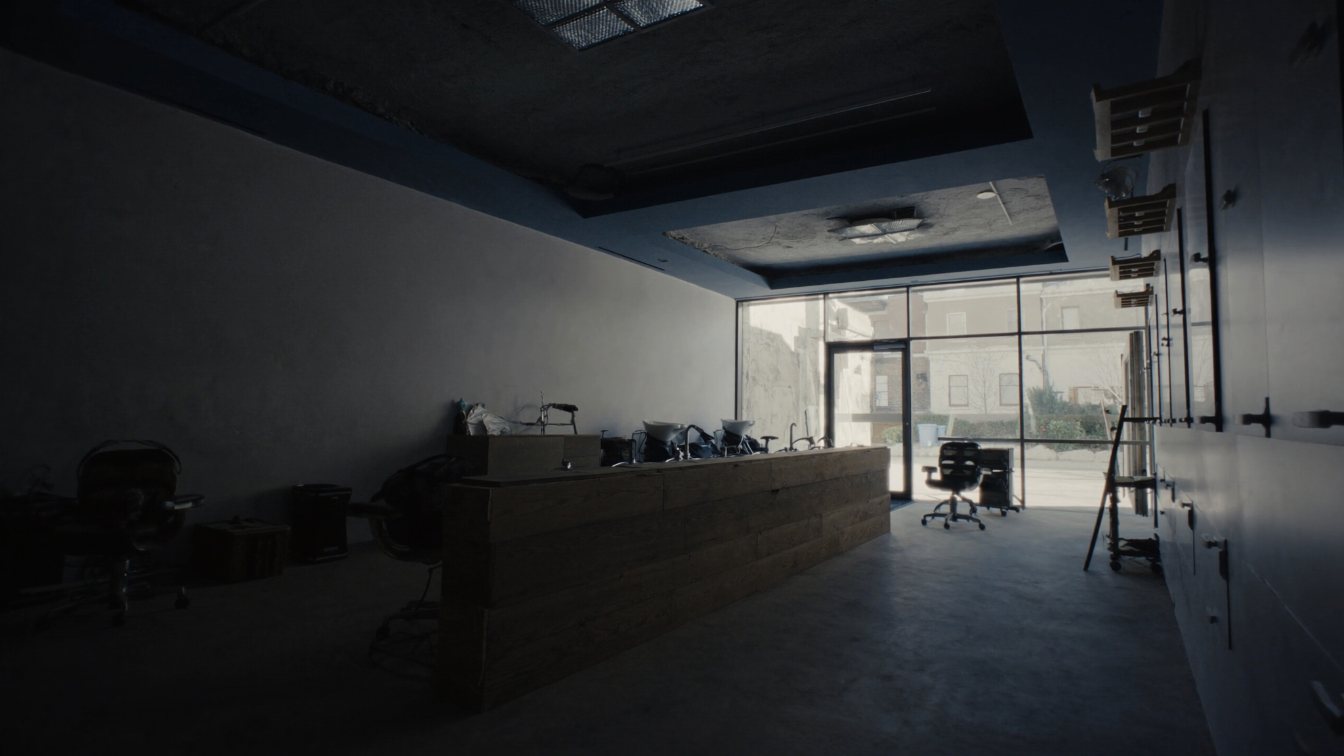
A mithai or sweet shop in Ontario is a food premise under O. Reg. 493/17: it needs hot and cold running water, staff-only handwashing stations, refrigeration that holds potentially hazardous sweets at 4°C or colder, thermometers in every case, and milk products that are pasteurized or made from pasteurized milk. Cooking that produces smoke or grease-laden vapour needs an exhaust hood and fire suppression to NFPA 96 under the Ontario Fire Code, and gas burners must be TSSA-approved. Notify public health before you open (Peel asks for 14 days) and get the city licence: take-out or retail food for counter sales, eating establishment if you add seating.
Looking for sweet shop space in Toronto or the GTA? Tell me what you need and I will send you units that fit, with the zoning and the lease checked before you commit.
What a mithai shop unit must have
An Indian sweet shop is two businesses under one roof: a production kitchen that boils milk, fries jalebi and roasts besan for hours, and a retail counter with long refrigerated and ambient display cases. Many in Brampton, Mississauga and Scarborough also run a snack and chaat counter or a few tables, which makes them a bakery-cafe hybrid. Before you sign, check that the unit can handle both halves:
- A kitchen at the back with room for large burners, a sink line, prep tables and a walk-in or reach-in coolers, separated from the customer area.
- A route for the exhaust duct from the hood to the roof. This is the single most important question; more below.
- Gas supply with enough capacity for high-output burners, or an electrical service big enough if you cook electric.
- A long, straight frontage for display cases, with power outlets along the run.
- Drainage for a three-compartment sink, a mop sink and equipment, and a clear answer from the landlord about any existing grease interceptor.
- Parking and queue space for Diwali, Eid, Raksha Bandhan and wedding season, when a good shop sells more in a week than in a normal month.
A second-generation food unit with an existing hood and gas line can save months. A former retail store with no venting route can cost more to convert than the business is worth in its first year.
Which licence fits your format
Your licence depends on whether customers take sweets away or eat on site. Most cities split these into two categories, and a hybrid with tables usually needs the eating-in one.
| City | Counter sales only | With seating or eat-in |
|---|---|---|
| Toronto | Take-Out or Retail Food Establishment: $395.20 new, $261.04 renewal (2026 figures) | Eating or Drinking Establishment: $536.64 at first application, $362.96 renewal; approved Zoning Review needed before you apply |
| Brampton | Fixed Food Premises Class A (bakery) or Class G (take-out only) | Class B (cafe or coffee shop) or Class F (restaurant) |
| Mississauga | Retail food licence (bakeries and take-out): $225.66 new, $220.04 renewal | Restaurant licence (food eaten on site) |
Brampton’s licence carries a $209 fee, needs proof of at least $2,000,000 commercial general liability insurance and a Peel Public Health inspection, and expires every January 31. Mississauga asks for a Zoning Certificate of Occupancy or a building permit and health clearance from the Region of Peel. Toronto requires staff who handle food in an Eating or Drinking Establishment to hold accredited food handler certification.
Food premises rules for sweets and dairy
O. Reg. 493/17 (Food Premises) applies to every sweet shop. The parts that matter most for mithai:
- Water and handwashing. Potable water, hot and cold running water under pressure where food is prepared and utensils are cleaned, and enough handwashing stations, used only for staff handwashing (s. 7(3)-(4)).
- Cold display. Potentially hazardous food must be kept at 4°C or lower, or 60°C or higher (s. 27), and refrigeration must be big enough for your stock and have accurate, readable thermometers (s. 30). Ask your inspector early which of your products they will treat as potentially hazardous, so you buy enough refrigerated case length instead of finding out at the pre-opening inspection.
- Milk. Milk products must be pasteurized, or made from milk that has been pasteurized (s. 39). Buy from licensed dairies and keep the invoices; the regulation also requires purchase records to be kept on site for a year (s. 29(2)).
- Finishes. Floors that are tight, smooth and non-absorbent, and walls and ceilings that can be cleaned (s. 7(1)). Sugar syrup and ghee get everywhere, so this is not a cosmetic point.
- Food handler. If part of your shop is a food service premise, for example a chaat or snack counter selling ready-to-eat portions, at least one trained food handler or supervisor must be on site every hour it operates (s. 32).
For the baking side of a hybrid, my bakery premises guide goes into ovens, flour storage and dough rooms.
Public health review before you build
Do not start construction before public health has seen your layout. Peel Public Health asks new food businesses to notify it at least 14 days before opening, and to notify it at least 14 days before starting construction if you are renovating. It reviews and approves floor plans, and there is no fee for the notification. In Toronto, Toronto Public Health asks for your plans before construction begins, showing equipment including refrigerators, stoves and exhaust canopies, sinks, handwash basins, food storage, waste storage and staff washrooms, and then inspects before you open.
Put the plan review inside your lease conditional period. If the inspector wants another handwash basin or a different sink layout, it is far cheaper to move a line on a drawing than to break concrete.
Cooking exhaust and fire protection
The Ontario Fire Code, O. Reg. 213/07, says a cooking operation producing smoke or grease-laden vapours must have an exhaust system and fire protection system that meet NFPA 96 (Article 2.6.1.12), and those systems must be maintained to NFPA 96 (Article 2.6.1.13). Deep-frying jalebi, samosas and pakoras clearly falls in that category. The Fire Code also requires portable extinguishers suitable for Class K fires to protect cooking operations (Article 6.2.6.12), and instructions for manually operating the suppression system posted in the kitchen (Article 2.6.1.14).
In practice this means:
- A commercial hood over the fryers and high-output burners, with a duct running to the roof, a suppression system, and make-up air.
- A duct route the landlord will approve. In a one-storey plaza that is usually straightforward. Under apartments or offices it can be impossible.
- Regular hood and duct cleaning and suppression servicing. Build these into your operating budget and your lease repair clause.
- A building permit for the hood, duct and make-up air work.
No duct route, no deal
If the landlord will not let you run an exhaust duct through the roof, or the unit sits under residential floors with no shaft, you cannot legally run a frying kitchen there. Do not sign on a promise that it “can be worked out later”. Get a mechanical contractor to confirm the route on site and write the landlord’s approval into the lease.
Gas burners and imported equipment
Many mithai kitchens want large high-output burners for kadhai work and milk reduction, and some owners try to bring equipment from India. In Ontario, fuel-burning appliances must be approved before they are installed or sold. The TSSA’s advisory on unapproved equipment says unapproved appliances cannot be activated until they have been approved and inspected by TSSA, normally through a field approval. Equipment that is not certified for Canada can delay your opening by weeks and add real cost. Buy certified burners where you can, and have a licensed gas fitter confirm the meter and line size can carry your total load before you sign.
Zoning: retail, take-out or manufacturing
A counter-service sweet shop usually fits within retail or take-out food permissions in commercial zones, and a shop with tables is usually an eating establishment. In Toronto, the Eating or Drinking Establishment licence needs an approved zoning review before you even apply, and the Take-Out or Retail Food Establishment licence needs zoning approval for most new applications. Two traps to watch:
- Wholesale production. If you plan to supply other stores, caterers or banquet halls in volume from this kitchen, ask the zoning examiner whether that changes the use. Some owners solve this by keeping production in an industrial unit and the shop in a plaza; see my commissary kitchen guide.
- Plaza exclusives and restrictions. Other tenants may hold exclusives for bakery items, Indian food or desserts. Ask for the list of existing exclusives before you write an offer.
The lease clauses that matter for a sweet shop
- Permitted use. “Manufacture on site and retail sale of Indian sweets, baked goods, snacks and prepared foods, with or without seating, including catering orders.” Leave room for a snack counter and tables later.
- Exclusive. No other Indian sweet shop, mithai counter or South Asian bakery in the plaza. Define it so it covers a restaurant that opens a sweets counter.
- Exhaust and roof rights. The right to install, run, service and replace the hood duct, make-up air unit and suppression system, with agreed roof penetration and restoration terms.
- Gas and electrical capacity. A landlord representation on existing gas and electrical service, and who pays for any upgrade or new meter.
- Hours. Extended and early hours in festival season, including 24-hour production in the days before Diwali if you need it.
- Parking and temporary queueing. The right to manage line-ups and, with landlord consent, use part of the sidewalk or a tent during peak weeks.
- Odour and nuisance. Landlords include these clauses for good reason. Negotiate a reasonable standard tied to a properly maintained hood, not “any odour”.
- Repair and cleaning. Who maintains the grease interceptor, hood, duct and rooftop fan, and how often.
- Conditional period. Enough time for public health plan review, a mechanical contractor’s duct route confirmation and a zoning answer.
Plan the lease around festival season
A mithai shop earns a large share of its year in a few weeks. Make sure your possession date, fixturing period and opening date land well before Diwali, not in the middle of it, and that nothing in the lease stops you running extra hours, extra staff and line-ups during those weeks.
Deal-killers to check on a viewing
- No legal route for an exhaust duct, or a landlord who refuses roof penetrations.
- Residential units directly above the kitchen with no shaft.
- Gas service too small for your burners, with no plan or budget to upgrade.
- An existing exclusive held by a bakery, dessert shop or Indian restaurant in the plaza.
- Parking that is already full at peak hours, or a landlord rule against queueing outside.
- A previous food tenant’s hood that was never permitted or certified. Ask for the permit and the last cleaning and suppression service records.
- Zoning that does not permit an eating establishment if you plan to add tables.
If you are planning a larger format with groceries alongside sweets, read my grocery store premises guide, and for a full sit-down restaurant, my restaurant premises guide.
Where I fit
I help sweet shop and bakery-cafe owners find space across Brampton, Mississauga, Scarborough and the rest of the GTA, with a focus on units that already have, or can legally get, a proper exhaust route and gas supply. I read the lease before you sign, check zoning and existing exclusives, and make sure your conditional period covers plan review. If you are buying an existing shop, my restaurant valuation tool is a useful first check.
Find me sweet shop space
Tell me the area, size, budget and timing, and whether you need frying, seating or a snack counter, and I will send you units that fit.
I will come back to you personally, usually the same day, with spaces that fit. If it is urgent, call or text 833-330-1925.
Frequently asked questions
What licence do I need to open a mithai shop in Brampton?
Brampton licenses food businesses under its Fixed Food Premises licence. A sweet shop selling for take-away usually fits Class A (bakery) or Class G (take-out only); with seating it may be Class B or F. The fee is $209, you need at least $2,000,000 in liability insurance, and Peel Public Health must inspect before you get the full licence.
Does a sweet shop need a commercial kitchen hood in Ontario?
If your cooking produces smoke or grease-laden vapours, such as deep-frying jalebi or samosas, the Ontario Fire Code requires an exhaust system and fire protection system that meet NFPA 96, maintained to the same standard. You also need Class K extinguishers for cooking operations. Light cooking with insignificant vapour may be handled by other approved measures, so ask your local fire department.
Do milk-based sweets need to be refrigerated in Ontario?
O. Reg. 493/17 requires potentially hazardous food to be kept at 4°C or lower, or 60°C or higher. Many milk-based sweets may fall in that category, so ask your public health inspector which products they will treat as potentially hazardous before you order display cases. Milk products must also be pasteurized or made from pasteurized milk.
How early must I tell Peel Public Health before opening a food shop?
Peel Public Health asks new food businesses to notify it at least 14 days before opening, and to notify it at least 14 days before starting construction if you are renovating. It also reviews and approves floor plans. There is no fee for the notification. Toronto Public Health similarly asks for plans before construction begins.
Can I use gas burners imported from India in my sweet shop kitchen?
Only once they are approved. The TSSA says unapproved fuel-burning appliances cannot be activated until they have been approved and inspected by TSSA, usually through a field approval. That takes time and money, so it is usually faster to buy burners already certified for use in Canada and have a licensed gas fitter size the gas supply.
Is a mithai shop with tables a restaurant for licensing purposes?
Usually yes. Toronto separates Take-Out or Retail Food Establishments from Eating or Drinking Establishments, Mississauga separates retail food from restaurants, and Brampton has different Fixed Food Premises classes. Once customers eat on site, expect the eat-in category, a zoning check for an eating establishment, and possibly washroom and accessibility requirements for a seating area.
What lease clauses protect a sweet shop during Diwali season?
Ask for extended and early operating hours, the right to manage line-ups and, with consent, use outdoor space during peak weeks, a possession date that leaves time to open before festival season, and an exclusive that stops the landlord leasing to another mithai shop. Also confirm exhaust, roof and gas rights so a mechanical failure cannot shut you down in peak weeks.
Sources
- Ontario e-Laws — O. Reg. 493/17: Food Premises — water, handwashing, 4°C rule, thermometers, milk pasteurization
- Ontario e-Laws — O. Reg. 213/07: Fire Code — NFPA 96 exhaust and suppression, Class K extinguishers
- TSSA — Fuels advisory: use of existing unapproved equipment (FS-122-08) — unapproved gas appliances, field approval
- City of Toronto — Changes to licensing and zoning bylaws for restaurants, bars and entertainment venues — Take-Out or Retail Food Establishment category and fees
- City of Toronto — Eating or Drinking Establishment licence — fees, zoning review, food handler certification
- Toronto Public Health — Submitting plans for a food business — plan review before construction
- Region of Peel — Opening a new food business or making changes — 14-day notice, floor plan review
- City of Brampton — Fixed Food Premises licence requirements (2026) — licence classes, fee, insurance, Food Check Peel
- City of Mississauga — Restaurant or retail food business licensing — retail food vs restaurant, fees, zoning certificate
Related reading
- Bakery premises requirements in Ontario
- Restaurant premises in Ontario
- Cafe and coffee shop premises
- Ghost kitchen and commissary premises
- The commercial lease use clause
- The use clause in a commercial lease
About the author — Jatin Dua, Toronto and GTA real estate broker
I am Jatin Dua, Broker of Record and co-founder of RE/MAX Quantum Realty Inc., Brokerage, Unit 101, 799 The Queensway, Toronto. I help business owners across Toronto and the GTA find, assess and lease commercial space, and I work with buyers and sellers of homes and businesses. Four-plus years of active GTA transactions and over $100 million in sales volume. Every rule here comes from a regulator, statute or by-law linked in the sources, so you can check all of it without asking me.
Reach me at [email protected] or 833-330-1925, or book a call.