
Published 18 October 2026 · By Jatin Dua, Broker of Record, RE/MAX Quantum Realty
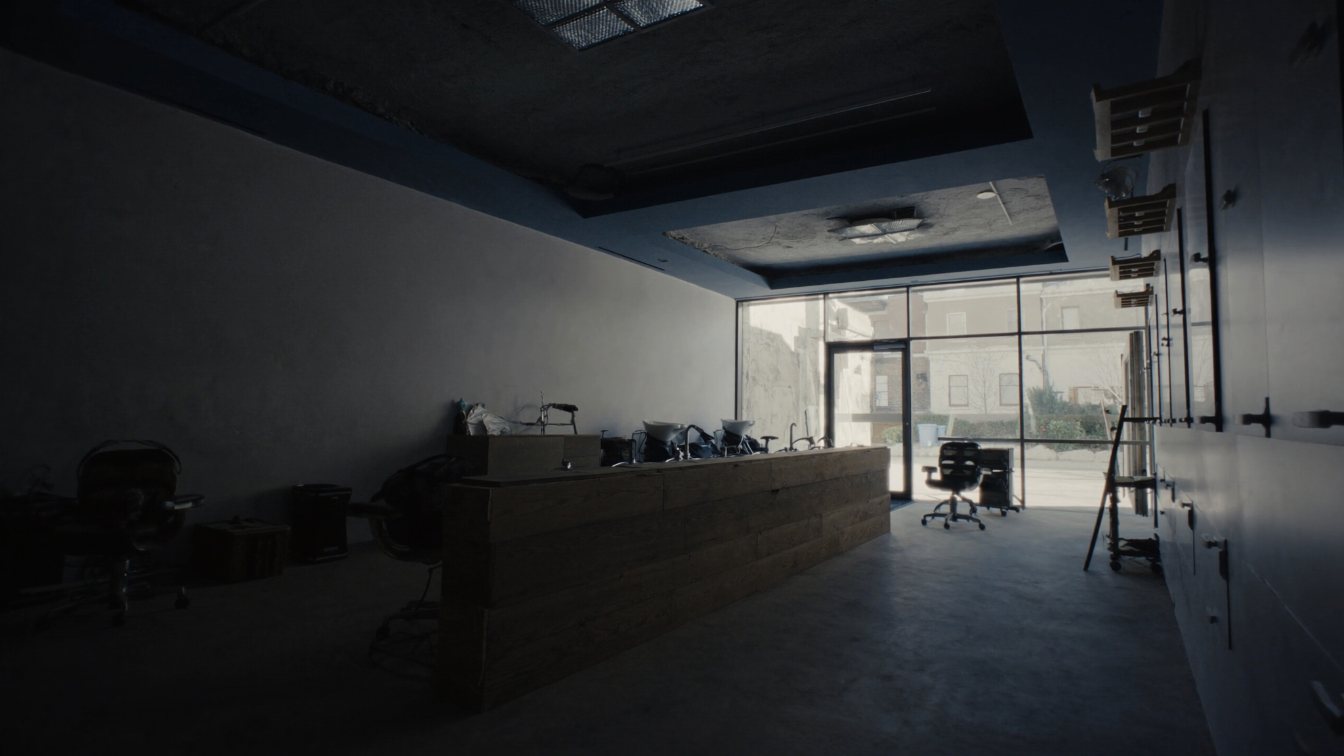
A boutique yoga or Pilates studio in Ontario needs zoning that permits a recreation or fitness use at that address. In Toronto that is usually 'recreation use', and in Mississauga 'recreational establishment'. Group classes generally make the room an assembly occupancy, so the Fire Code caps the room at its calculated occupant load, requires that number to be posted above 60 people, and requires a fire safety plan for the building. Hot yoga adds a heating and humidity load that the base-building HVAC, walls and ceiling were not designed for, so it needs its own mechanical design. Showers mean new plumbing and a building permit. Check the noise and vibration risk with your neighbours before you sign.
Looking for yoga or Pilates studio space in Toronto or the GTA? Tell me what you need and I will send you units that fit, with the zoning and the lease checked before you commit.
How a yoga studio differs from a gym
My gym and fitness studio guide deals with dropped weights, rubber flooring and 24-hour access. A yoga or reformer Pilates studio has a different risk profile. Members are quiet and barefoot. Classes are timed, so 30 people arrive and leave together. Hot yoga turns one room into a heated, humid space inside a building designed for retail air. The things that kill these deals are usually HVAC, change rooms, the class turnover and the neighbour on the other side of the demising wall, not structural loads.
The layout is also different. A gym spreads equipment across one open floor. A studio usually needs one or two clear rooms with no columns in the middle, a reception and retail counter that can handle a full class checking in at once, cubbies or lockers, and a corridor so the next class can wait without walking through the current one. Every column in the middle of a practice room costs you mat spaces in every class.
Zoning: confirm the use before you sign
In Toronto, Zoning By-law 569-2013 defines recreation use as premises used for sports, physical play or exercise, such as a fitness club. Most yoga and Pilates studios fit that. The by-law also defines a wellness centre as premises providing services for therapeutic and wellness purposes. A studio that sells private therapeutic sessions may be read that way. Each defined use is permitted only in certain zones, so ask the City’s zoning staff about the specific address and describe the business exactly as you will run it.
In Mississauga, Zoning By-law 0225-2007 defines a recreational establishment as premises used for athletic and leisure activities, and lists fitness centres in it. Plazas zoned for retail and service uses do not always permit it. In Brampton, Vaughan, Markham and Oakville, ask the municipality the same question in writing, and check how parking is calculated for your use. A 6 p.m. class with 30 cars in a busy plaza is often what the landlord worries about most.
Occupant load, assembly use and fire safety
The Ontario Association of Architects’ guide to occupancies puts gymnasia in the assembly category. A group exercise room is usually designed the same way. Your architect confirms the classification, and if the unit was previously retail or office, a change to assembly use is the kind of change that can need a permit under section 10 of the Building Code Act even without construction. Section 10 applies wherever a change of use would increase the hazard as determined under the building code.
Ontario’s Fire Code then applies to assembly occupancies:
- Article 2.7.1.4: the number of people in an assembly room may not exceed the lower of the occupant load calculated under the Fire Code or the number the exits were designed for under the Building Code.
- Article 2.7.1.5: when that occupant load is more than 60, it must be posted in a conspicuous location.
- Section 2.8: buildings containing an assembly occupancy need emergency planning, including a fire safety plan. In a plaza, find out whether the landlord’s plan covers your unit, or whether you need your own.
Plan your class size around the room’s exits and washroom count, not the number of mats that fit on the floor.
Key takeaway
Your maximum class size is a code number, not a marketing number. Get the architect to calculate it for the actual room before you build a timetable and a revenue model around it.
Hot yoga: heat, humidity and the building envelope
A hot room adds three loads the base building did not plan for: heat, moisture and odour. Each one has a premises consequence:
- Heating. Infrared panels add electrical load, so check the panel and use a licensed electrical contractor. In Ontario that contractor files the notification with the Electrical Safety Authority. Gas-fired heaters or humidifiers need TSSA-certified fuels technicians to install and service them.
- Humidity. Warm, wet air will condense on cold exterior walls, roof decks and ducts in a Canadian winter. The room needs a designed vapour control layer, moisture-tolerant finishes and dedicated exhaust or dehumidification. Without them, mould grows in the walls and ceiling, and the landlord’s restoration clause will make it your cost.
- Neighbours. Shared ceiling plenums and return air carry heat and humidity into the next unit. Ask whether the hot room can be sealed and served by its own equipment.
Get a mechanical engineer to design the hot room, and give the design to the landlord before the lease is firm. A landlord who sees the humidity numbers after you have signed has every reason to refuse the roof penetrations.
Watch out
Do not convert a standard room to a hot room after you open. It usually needs new walls, new mechanical equipment and a permit, and most leases treat it as an alteration that needs consent.
Showers, change rooms and floors
Members of a hot yoga studio expect showers. Each shower means supply, drainage and a floor drain, plus enough hot water for back-to-back classes. In Toronto, installing or modifying plumbing is building permit work. A gas water heater upgrade also brings in a TSSA-certified technician. Ask where the sanitary line is and how deep it runs, because trenching a slab for showers at the front of the unit is expensive.
For floors, yoga rooms use cork, rubber or sealed hardwood over an underlayment. Hot rooms need a floor that tolerates sweat and repeated disinfection. Reformer Pilates machines are heavy and are bolted or set on mats in rows, so confirm the slab or floor structure if you are on a second storey, and plan electrical outlets along the walls for lighting and audio rather than in the floor.
Towels are the hidden plumbing item. Hot yoga studios that rent mats and towels often run a commercial washer and dryer on site. That needs a drain, a dryer vent to the outside and possibly a gas line, and it adds to your hot water demand. If the landlord will not allow a dryer vent, budget for a laundry service instead and leave space for soiled and clean linen storage.
Noise and vibration
Instructors use amplified music and headsets, and Pilates springs and jumping boards transmit vibration. Toronto’s noise by-law limits amplified sound measured at a point of reception, such as a neighbour’s indoor living area. The limit is 50 dB(A) from 7 a.m. to 11 p.m. and 42 dB(A) from 11 p.m. to 7 a.m. It separately covers unreasonable and persistent noise or sound-induced vibration heard or felt for ten minutes or more. A 6 a.m. class under residential condos is the classic complaint. Ask the landlord about the neighbours and their hours. In a mixed-use building, add sound isolation to the fit-out budget.
Checklist before you commit
| Item | Why it matters | Who to ask |
|---|---|---|
| Permitted use | Recreation use (Toronto) or recreational establishment (Mississauga) must be permitted at the address | Municipal zoning staff |
| Occupant load and exits | Sets your maximum class size and may trigger a change of use permit | Architect, building department |
| Fire safety plan | Required for buildings containing an assembly occupancy | Landlord, local fire department |
| HVAC capacity and roof access | Hot room heat and humidity, extra exhaust | Landlord, mechanical engineer |
| Electrical panel | Infrared heaters, audio, lighting | Licensed electrical contractor |
| Water heater and drains | Showers and change rooms | Plumber, TSSA-certified gas technician |
| Neighbours and hours | Noise and vibration complaints | Landlord, site visit at class times |
| Parking at peak class times | Landlord approval and member retention | Landlord, zoning by-law parking rates |
The lease clauses that matter for a yoga or Pilates studio
- Permitted use naming yoga, hot yoga, Pilates (mat and reformer), barre, meditation and related retail. Include hot yoga explicitly if there is any chance you will add it.
- HVAC and roof rights for supplementary heating, dehumidification and exhaust, with responsibility for maintenance and replacement clearly assigned.
- Landlord’s work: plumbing stubs for showers, a water heater allowance and electrical capacity stated in amps.
- Hours of operation that let you run 6 a.m. and 9 p.m. classes, overriding the plaza’s standard hours.
- Noise clause with an objective standard, such as compliance with the municipal noise by-law, rather than “to the landlord’s satisfaction”.
- Parking: a fixed number of spaces or a statement that members may use common parking without restriction during class times.
- Exclusive on yoga and Pilates in the plaza, with a carve-out you can live with for gyms.
- Conditions on zoning confirmation, the architect’s occupant load review and the landlord’s approval of the mechanical design.
- Restoration: agree now whether the hot-room walls, showers and flooring stay at the end of the term.
Deal-killers to check on a viewing
- A rooftop unit already at capacity, no roof access, or a residential floor above with no way to vent.
- Only one washroom and no realistic path to change rooms for your class size.
- Zoning that permits retail and service uses but not recreation.
- Residential neighbours sharing a wall or slab, combined with a 6 a.m. timetable.
- Evening parking already full at 6 p.m. on a weekday. Visit at that time, not at 11 a.m.
- Low ceilings that rule out inversions and aerial props, if those are in your program.
If you also want to run kids’ classes or dance, read my martial arts and dance studio guide, which covers sprung floors and pick-up traffic. For the general rule on what a change of use means for a tenant, see change of use permits.
Where I fit
I help studio owners across Toronto, Mississauga, Oakville, Vaughan and the GTA find units that can take a hot room, showers and peak-hour parking. I confirm zoning, ask the landlord the HVAC and roof questions early, and read the use, hours and restoration clauses before you sign.
Find me yoga or Pilates studio space
Tell me the area, size, budget and timing, and whether you need a hot room, showers or reformer space.
I will come back to you personally, usually the same day, with spaces that fit. If it is urgent, call or text 833-330-1925.
Frequently asked questions
What zoning does a yoga studio need in Toronto?
Usually a zone that permits recreation use, which Toronto's Zoning By-law 569-2013 defines as premises used for sports, physical play or exercise, such as a fitness club. A studio focused on therapeutic sessions might be read as a wellness centre instead. Permission depends on the zone and any site exceptions, so get the City's zoning staff to confirm the use for the exact address.
Is a yoga studio an assembly occupancy in Ontario?
Often, yes. Group exercise rooms are usually designed as assembly occupancy, the same category the Ontario Association of Architects places gymnasia in. Your architect confirms this for the actual room. If it is assembly, the Fire Code limits the room to its occupant load, requires posting that load when it exceeds 60, and requires the building to have a fire safety plan.
What HVAC does a hot yoga studio need?
Its own design. A hot room adds heat, humidity and odour that standard retail HVAC was not designed for. A mechanical engineer should size the heating, exhaust or dehumidification, and the walls and ceiling need a designed vapour control layer to prevent condensation and mould. Get the landlord to approve the design, including roof penetrations, before the lease is firm.
Do I need a permit to add showers to a studio?
Usually yes. Toronto's building permit guidance lists installing or modifying plumbing systems as permit work. Showers also need drainage, floor drains and enough hot water for back-to-back classes. A gas water heater must be installed by a TSSA-certified technician. Ask where the unit's sanitary line runs before choosing where change rooms go.
Can a yoga studio operate in a Mississauga plaza?
If zoning permits it. Mississauga's Zoning By-law 0225-2007 defines a recreational establishment as premises for athletic and leisure activities, including fitness centres. Not every commercial zone permits it, and parking at peak class times is often the landlord's main concern. Get written zoning confirmation and a parking commitment in the lease before you waive conditions.
How do I avoid noise complaints from a yoga or Pilates studio?
Choose the unit with neighbours in mind and build in sound isolation. Toronto's noise by-law limits amplified sound at a neighbour's indoor living area to 50 dB(A) by day and 42 dB(A) from 11 p.m. to 7 a.m., and separately covers persistent noise or vibration felt for ten minutes or more. Avoid early classes under residential suites unless the fit-out isolates the floor.
How is a Pilates studio lease different from a gym lease?
The loads are different. A reformer studio has heavy machines but little impact, peak arrivals at class times and quieter operation. A gym has dropped weights and longer hours. A Pilates lease should focus on electrical capacity, flooring, class-time parking and an exclusive on Pilates. Hot yoga leases add HVAC, humidity and restoration terms.
Sources
- City of Toronto — Zoning By-law 569-2013, Chapter 800 Definitions — recreation use and wellness centre definitions
- City of Mississauga — Zoning By-law 0225-2007, Part 1.2 Definitions — recreational establishment definition
- Ontario Association of Architects — Guide to Occupancies — gymnasia classified as assembly
- Ontario e-Laws — Building Code Act, 1992 — s. 10 change of use permit
- Ontario e-Laws — O. Reg. 213/07, Fire Code — occupant load, posting above 60, fire safety plan
- City of Toronto — When do I need a building permit — plumbing work needs a building permit
- City of Toronto — Noise by-law — amplified sound limits, persistent noise and vibration
- Electrical Safety Authority — Licensed Electrical Contractors — licensed electrical contractors file notifications
- Technical Standards and Safety Authority — Fuels industry professionals — certified fuels technicians
Related reading
- Gym and fitness studio premises in Ontario
- Martial arts and dance studio premises
- Day spa premises in Ontario
- Change of use permits for commercial tenants
- Buying a gym in Ontario
- The use clause in a commercial lease
About the author — Jatin Dua, Toronto and GTA real estate broker
I am Jatin Dua, Broker of Record and co-founder of RE/MAX Quantum Realty Inc., Brokerage, Unit 101, 799 The Queensway, Toronto. I help business owners across Toronto and the GTA find, assess and lease commercial space, and I work with buyers and sellers of homes and businesses. Four-plus years of active GTA transactions and over $100 million in sales volume. Every rule here comes from a regulator, statute or by-law linked in the sources, so you can check all of it without asking me.
Reach me at [email protected] or 833-330-1925, or book a call.