

Published 29 September 2026 · By Jatin Dua, Broker of Record, RE/MAX Quantum Realty
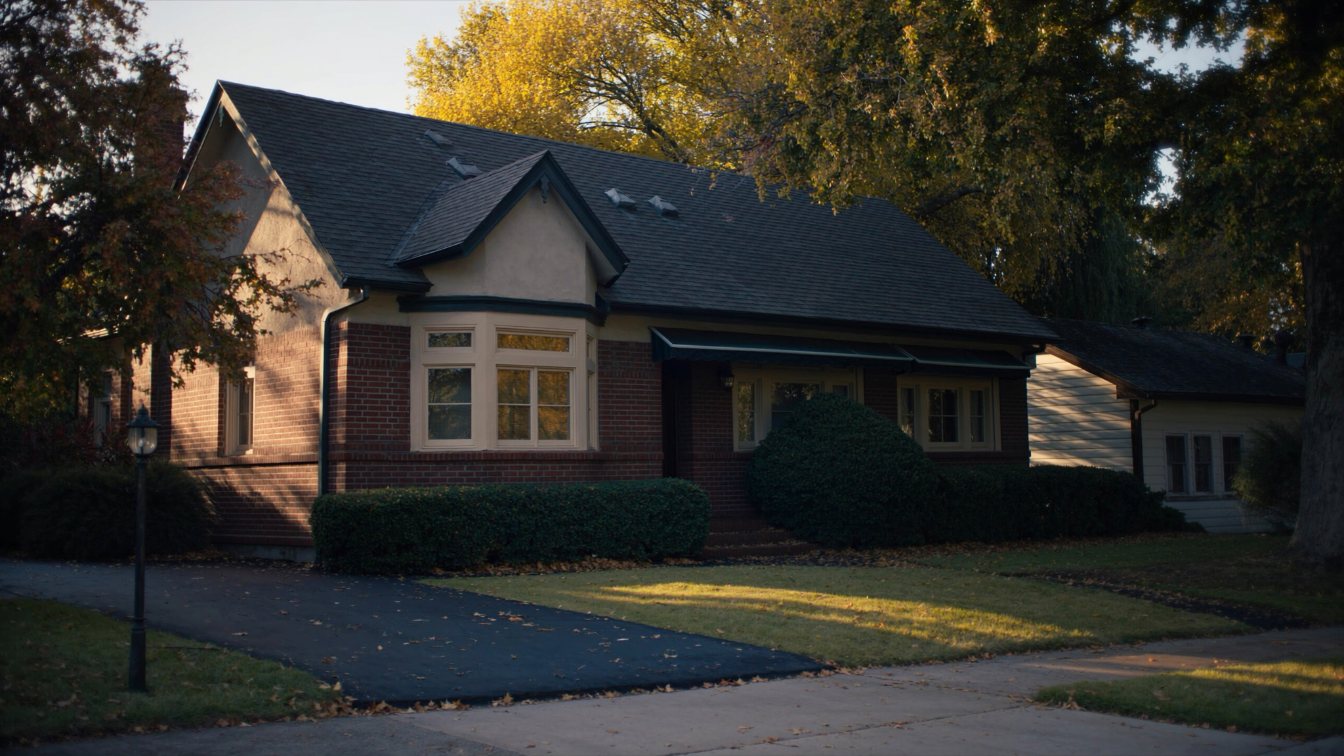
A bungalow still makes sense in retirement when one-floor living matters more to you than the lowest price or the least upkeep. TRREB does not publish bungalow prices separately, so the honest reference is the detached median: in August 2026 it was $1,100,000 in Toronto West, $950,000 in Toronto East and $860,000 across Durham Region. A given bungalow can sell above or below those figures. If the budget is tighter, a semi-detached (City of Toronto median $981,000) or a condo townhouse (GTA median $660,000) gives you some of the same benefits. Before you buy an older bungalow, check the basement stairs, the wiring, the drains and the roof, and budget for accessibility changes, some of which qualify for tax credits.
Why retirees still ask for bungalows
The appeal is simple. Everything you need every day sits on one floor: the bedroom, a full bathroom, the kitchen and, if you are lucky, the laundry. There is usually a yard, often a driveway and a garage, and a front door that is only a step or two above the walk. For a couple planning to stay put for fifteen or twenty years, that layout can carry them a long way without a stair lift.
The catch is that bungalows are not a single product. Many of the bungalows I see in Etobicoke, Scarborough and North York are older houses from the 1950s and 1960s, on generous lots, with the laundry and the second bathroom in the basement. When I walk a bungalow with a couple in their seventies, the first thing I check is the stairs to the laundry. A “one-floor home” with the washer in the basement is a two-floor home on laundry day.
This guide is about where a bungalow is still a sensible retirement choice in the GTA, what it is likely to cost, what to inspect, and what to do if the numbers do not work. If you are still deciding which city to retire in, start with my city-by-city comparison of the best places to retire in the GTA.
What TRREB can and cannot tell you about bungalow prices
I want to be straight about this. The Toronto Regional Real Estate Board (TRREB) reports prices by home type, but “bungalow” is not one of its categories. Bungalows are counted inside detached, together with two-storey houses, side-splits and back-splits. So nobody can honestly quote you a “GTA bungalow median” from the board’s public tables.
What you can use is the detached median as a reference point for a typical house in the area. A bungalow on a large lot in a sought-after pocket can sell well above it; a smaller or dated bungalow can sell below it. The figures below are from a single month, August 2026, so treat them as a snapshot.
| Area (detached, August 2026) | Sales | Median price |
|---|---|---|
| City of Toronto | 550 | $1,170,000 |
| Toronto West (incl. Etobicoke) | 185 | $1,100,000 |
| Toronto Central | 171 | $1,800,000 |
| Toronto East (incl. Scarborough) | 194 | $950,000 |
| Mississauga | 164 | $1,189,000 |
| Brampton | 260 | $947,500 |
| Oakville | 103 | $1,604,000 |
| Burlington | 89 | $1,250,000 |
| Newmarket | 61 | $1,090,000 |
| Pickering | 57 | $990,000 |
| Ajax | 45 | $935,000 |
| Durham Region | 389 | $860,000 |
Every row has more than 15 sales, so none is a tiny sample, but one month still moves around. For a specific street, a list of recent bungalow sales nearby tells you far more than any regional median. My what did my neighbour sell for page is a good start.
If the detached number is out of reach: alternatives with fewer stairs
Plenty of retirees come to me wanting a bungalow and leave happy with something else. The question is not the label; it is whether you can live on one level with the stairs you do have kept short. Here is how the other home types compared in August 2026:
| Area (median, Aug 2026) | Semi-detached | Freehold townhouse | Condo townhouse | Condo apartment |
|---|---|---|---|---|
| City of Toronto | $981,000 | $962,000 | $661,650 | $550,000 |
| Mississauga | $881,000 | $855,000* | $690,000 | $500,000 |
| Burlington | $898,500* | $870,000 | $660,000 | $482,500 |
| Markham | $945,000 | $995,000 | $750,000 | $563,800 |
| Durham Region | $719,750 | $722,000 | $553,100 | $457,500 |
*Fewer than 15 sales that month (Mississauga freehold townhouse 11, Burlington semi 12), so these can swing a lot.
- Semi-detached: often a similar floor plan to a two-storey detached, so check whether a main-floor bedroom is possible.
- Townhouses: usually two or three floors. Look for units with a main-floor primary bedroom, which some newer projects offer.
- Condo apartment: true one-level living with an elevator, but you trade the yard for monthly fees. My checklist for a senior-friendly condo building covers what to look for.
- Adult lifestyle communities: Courts of Canterbury in Port Perry is an adult-lifestyle community of bungalow and bungalow-loft homes; it is sold out, so only resales come up, and the developer’s page does not state the tenure outright. More options are in my guide to 55+ communities in and around the GTA.
One-floor living: what to check on the main floor
When a bungalow is going to be your home for the next twenty years, look at it the way you will use it at 85, not at 65. On the main floor I check:
- The front entrance. How many steps up from the walk? Is there room for a ramp or a railing on both sides if you need one later?
- A full bathroom on the main floor, ideally with room to swap the tub for a walk-in shower and space to add grab bars into solid framing.
- Doorways and hallways. Older bungalows often have narrow interior doors. Measure them if a walker or wheelchair is a realistic possibility.
- Laundry. If it is in the basement, is there a spot upstairs, often a closet near the kitchen or bathroom, where it could move?
- The side or garage door. Many people end up using the side door every day. Check the steps there too.
- Lighting and switches. Dim hallways and switches at the wrong end of a room are small things that cause falls.
None of these is a reason to walk away. They are the list you price out before you make an offer, so the renovation budget is part of the decision, not a surprise after closing.
The basement stairs and the rest of an older bungalow
An older bungalow can be a solid house with good bones. It can also be a house where the big systems are original or were updated a long time ago. A proper home inspection is not optional here, and I usually recommend making the offer conditional on one. I have written a full inspection checklist for 1950s and 1960s bungalows; the short version:
- Basement stairs: steep treads, low headroom and a single railing are common. Can they be rebuilt, or can what you use every day come upstairs?
- Electrical: panel capacity, the age of the wiring, and whether any older wiring is still in use. Insurers may ask about it.
- Plumbing and drains: the supply pipes and the drain line out to the street. A camera scope of the drain is worth considering in older houses.
- Water in the basement: grading, downspouts, signs of past leaks and any waterproofing work.
- Roof, windows and insulation: the age of each and what replacement would mean.
- Heating and cooling: the age of the furnace and air conditioner and whether they have been serviced.
- Materials: older homes can contain materials that should be tested before renovation work. Your inspector can tell you what to look into.
Ask your inspector to flag which items are safety issues, which are upcoming costs and which are cosmetic. That split is what you and your family need to decide whether the house works.
The lot: the part nobody budgets for
The lot is part of why bungalows hold their value, and it is also the part that gets harder with age. Before you buy, be honest about who will do each of these jobs in ten years:
- Snow clearing on the driveway, the walk and the front steps
- Lawn cutting, leaves in the fall and garden beds
- Gutters and downspouts, which on a bungalow are low enough to tempt you onto a ladder
- Trees, including the large mature ones that make these streets attractive
Get a price for having those services done, and put it in your monthly budget next to property tax and utilities. It is usually still cheaper than condo fees, but it is not free.
The lot can also work for you. Ontario’s Bill 23 allows up to three residential units on many serviced lots as of right, and in Toronto a garden suite can have up to a 60 m² building footprint. Some families use a bungalow lot to build a suite for a parent or to plan for a future caregiver. My guide to moving a parent in explains those rules.
Paying for accessibility changes: credits and programs
A few programs can soften the cost of making a bungalow easier to live in. They each have their own rules, so treat this as a list of things to ask your accountant about:
- Federal Home Accessibility Tax Credit: a non-refundable credit on up to $20,000 a year of eligible expenses per home, for renovations that help someone 65 or older (or eligible for the disability tax credit) live more safely. CRA’s own pages do not agree on the current credit amount, so I am not quoting one; check line 31285 with your accountant.
- Multigenerational Home Renovation Tax Credit: if you create a self-contained unit so a senior can live with family. See the next guide in this series.
- March of Dimes Home and Vehicle Modification Program: for Ontario residents with a permanent or ongoing mobility disability, with an income test. Its FAQ mentions a maximum of $15,000 per applicant; the document is undated.
- Property tax relief for accessibility modifications such as a ramp: the Ontario seniors guide points you to MPAC (1-866-296-6722).
All of this is covered in more depth in my guide to aging-in-place renovations and the credits that help pay for them.
The money: what moving into a bungalow costs and frees up
For many retirees, a bungalow is a move sideways or a modest step down in price, not a big release of equity. Here are three illustrative moves, median to median, before selling costs, legal fees and land transfer tax:
| Move (detached medians, Aug 2026) | Sell | Buy | Difference |
|---|---|---|---|
| Oakville to Burlington | $1,604,000 | $1,250,000 | $354,000 |
| Toronto Central to Toronto West | $1,800,000 | $1,100,000 | $700,000 |
| Toronto West to Durham Region | $1,100,000 | $860,000 | $240,000 |
Remember the buying costs. On a $1,100,000 purchase, Ontario land transfer tax works out to $18,475 using the province’s brackets. Buy in the City of Toronto and the municipal land transfer tax, which uses the same brackets up to $2,000,000, adds another $18,475, for about $36,950 in total (my arithmetic). First-time buyer refunds do not apply to anyone who has owned a home before, which is most retirees. My land transfer tax calculator will run your own number.
Property tax differs by city too. Rates apply to the MPAC assessed value, not the market price. For 2026, every $100,000 of assessed value costs about $767.31 in Toronto (0.767311%), $850.96 in Oakville (0.850960%) and $1,015.29 in Burlington. Use the downsizing money planner below to compare the monthly cost of staying where you are with the cost of a bungalow move.
Next steps if a bungalow is on your list
- Decide which matters most: one-floor living, the yard, the price, or being close to family.
- Get a realistic value for your current home, using recent sales on your street, not a regional average.
- Shortlist two or three areas and look at recent bungalow sales there, not just the detached median.
- Walk each house with the main-floor list above, and price the changes before you make an offer.
- Make your offer conditional on an inspection, and ask the inspector to separate safety items from future costs.
- Talk to your accountant before you renovate about which credits you may qualify for.
If you would like a second set of eyes on a bungalow, or a straight answer on what your current home would sell for, book a call or phone me at 833-330-1925.
Free tool — Downsizing money planner
Downsizing money planner
See roughly how much a move frees up, what the next place costs, and how long the money lasts. Prices start at TRREB’s August 2026 medians; change any number to match your home.
Want the line-by-line breakdown, plus what homes like yours actually sold for on your street? I’ll show the full breakdown here and send you a short written plan. No obligation, no spam.
Estimates only, not advice or a valuation. Starting prices are TRREB Market Watch August 2026 medians (one month, whole-municipality figures). Rent default: Rentals.ca August 2026 Toronto average asking rent. Retirement home default: CMHC’s last Seniors’ Housing Survey (2021, Toronto, studio or private room with meals; CMHC has since discontinued it), so expect higher today. Land transfer tax uses Ontario’s brackets, plus Toronto’s municipal tax for Toronto purchases; repeat buyers get no first-time rebate. Property tax is estimated on the price, but your bill is based on MPAC’s assessed value, which is usually lower.
Frequently asked questions
Are bungalows cheaper than two-storey houses in the GTA?
Not reliably. TRREB counts bungalows inside the detached category and does not publish separate bungalow prices. In many established neighbourhoods a bungalow on a large lot sells at or above the local detached median because buyers value the lot and the one-floor layout. Look at recent bungalow sales on nearby streets rather than assuming a discount.
What should I look for in a bungalow for retirement?
A main-floor bedroom and full bathroom, laundry that is or can be moved upstairs, few steps at the front and side doors, doorways wide enough for a walker, and good lighting. In older bungalows also check the basement stairs, wiring, drains, roof and furnace. Price the changes before you make an offer.
Is a bungalow better than a condo for seniors?
It depends on what you value. A bungalow gives you a yard, privacy and no condo fees, but you are responsible for snow, lawns, gutters and repairs. A condo gives you an elevator and shared maintenance, with monthly fees. Many people choose based on how much outdoor work they still want to do in ten years.
How much does a bungalow cost in Toronto?
TRREB does not report bungalows separately. The closest reference is the detached median, which was $1,170,000 for the City of Toronto in August 2026, $1,100,000 in Toronto West and $950,000 in Toronto East. That is one month of data, and a bungalow on a large lot can sell above it. Recent nearby bungalow sales are the better guide.
Can I get a tax credit for making my bungalow accessible?
Possibly. The federal Home Accessibility Tax Credit applies to up to $20,000 of eligible expenses a year per home for someone 65 or older or eligible for the disability tax credit. There is also the March of Dimes Home and Vehicle Modification Program for people with a mobility disability, which has an income test. Confirm eligibility with your accountant first.
Sources
- TRREB — Market Watch, August 2026 — detached, semi, townhouse and condo sales and medians by area
- Canada Revenue Agency — Line 31285, Home accessibility expenses — $20,000 eligible expense limit, 65+ or DTC eligibility
- March of Dimes Canada — HVMP FAQ — $15,000 per applicant (undated)
- Government of Ontario — A guide to programs and services for seniors: Home and housing — property tax relief for accessibility modifications, MPAC contact
- Government of Ontario — Calculating land transfer tax — provincial brackets
- City of Toronto — Municipal Land Transfer Tax rates and fees — Toronto brackets as of 1 April 2026
- City of Toronto — Property Tax Rates and Fees — 2026 residential rate 0.767311%
- Town of Oakville — Tax Rates — 2026 residential rate 0.850960%
- City of Burlington — Understanding Your Property Tax Bill — 2026 tax per $100,000 of assessment
- Environmental Registry of Ontario — Notice 019-6197 — Bill 23, up to three units per lot
- City of Toronto — Expanding Housing Options in Neighbourhoods — garden suite 60 m2 footprint
- Geranium — Courts of Canterbury — bungalow and bungalow-loft adult-lifestyle community, sold out
Related reading
- Best Places to Retire in the GTA (2026): A City-by-City Comparison
- Inspection checklist for 1950s and 1960s bungalows
- Aging-in-Place Renovations and the Credits That Help Pay
- What Makes a Condo Building Good for Seniors
- 55+ Communities In and Around the GTA
- What Your House Buys When You Downsize, City by City
- Moving a Parent In: Suites, Additions and Rules in Ontario
About the author — Jatin Dua, Toronto and GTA real estate broker
I am Jatin Dua, Broker of Record and co-founder of RE/MAX Quantum Realty Inc., Brokerage, Unit 101, 799 The Queensway, Etobicoke. I work with buyers and sellers across Toronto and the GTA, and I have helped more than 100 families sell, many of them downsizing after decades in the same house. Four-plus years of active GTA transactions and over $100 million in sales volume. Every market figure here comes from TRREB’s published tables and every rule from the regulator or the legislation, so you can check all of it without asking me.
Reach me at connect@jatindua.com or 833-330-1925, or book a call.