

Published 8 August 2026 · Updated 10 September 2026 · By Jatin Dua, Broker of Record, RE/MAX Quantum Realty
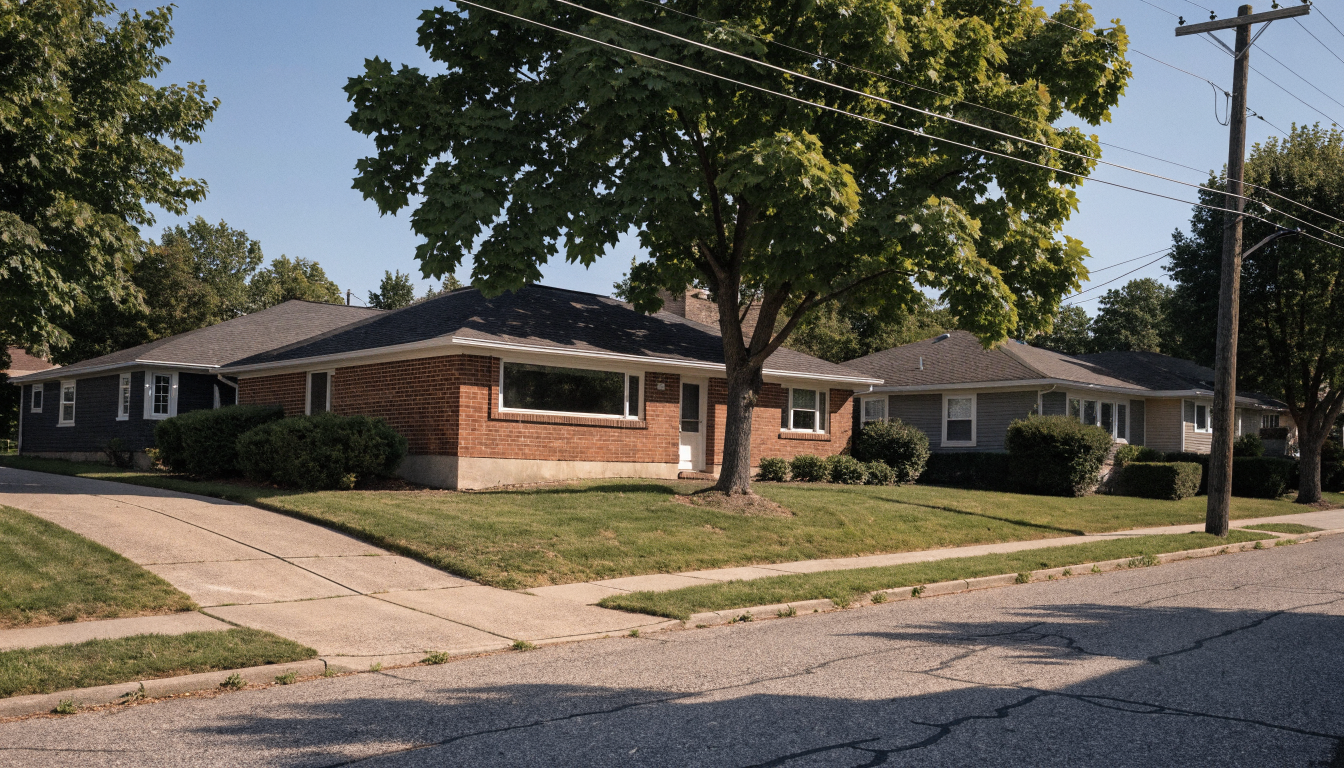
Most of Etobicoke’s detached stock is post-war, and these houses share a predictable set of issues. The five that actually change your offer or your ability to close: knob-and-tube wiring (many insurers will not bind coverage until it is removed, which can block your financing), aluminum wiring in late-1960s and 1970s homes (insurable but usually requires specific remediation), galvanized steel or lead supply lines (restricted flow; lead is a health issue and Toronto has a replacement programme), asbestos in insulation, tiles and duct wrap, and clay sewer laterals vulnerable to root intrusion. None of these are automatic dealbreakers. All of them are negotiable — if you find them before you waive conditions.
Etobicoke developed largely between the late 1940s and the 1960s, which means a very large share of its detached stock shares the same construction era, the same materials and the same failure points.
That is genuinely useful, because it means you know what to look for. These houses are usually well built — solid framing, real plaster, decent lots. The problems are almost entirely in the systems, and systems are quantifiable.
The point of this list is not to scare you off. It is to make sure you find these things during your inspection period, when they are a price negotiation, rather than after closing, when they are just your problem.
Always use a licensed home inspector. This is what to make sure they check and what the findings mean.
Electrical — knob-and-tube and aluminum wiring
Knob-and-tube — the one that can stop a deal
Found in homes wired before roughly the 1950s. Ceramic knobs and tubes with wiring run through them, no ground conductor.
The critical issue is insurance, not safety alone. Many Ontario insurers will not bind a policy on a home with active knob-and-tube, or will require its removal within a set period. No insurance means no mortgage advance, which means you cannot close.
If you find it: get an insurance quote during your condition period, not after. This is the single most common reason a post-war purchase falls apart late.
Aluminum wiring
Common in homes wired in the late 1960s and 1970s. It is not inherently unsafe, but connections between aluminum and copper can loosen and overheat over time.
Most insurers will cover it subject to remediation — typically pigtailing with approved connectors by a licensed electrician, and an ESA inspection. Budget it and confirm your insurer’s specific requirement.
Service size
Many original Etobicoke bungalows still have 60-amp service. That is inadequate for a modern household and insufficient if you plan central air, an EV charger or a basement suite. An upgrade to 100 or 200 amps is a known, quotable cost.
Panels
Ask specifically about the panel make. Certain older panel types have a poor reputation with insurers and inspectors. Your inspector will identify it.
What it means for your offer: Get an insurance quote during your condition period if there is knob-and-tube. No insurance means no mortgage, and that is a failed closing, not a discount.
Plumbing — galvanized, lead and clay drains
Galvanized steel supply piping
Standard in this era. It corrodes from the inside, progressively narrowing the pipe. Symptoms: poor pressure, discoloured water on first draw, pressure dropping sharply when a second tap opens.
Test it yourself on the viewing — run an upstairs tap, then flush a toilet and see what happens to the flow.
Lead — take this seriously
Some older Toronto homes still have a lead water service line from the street. This is a health issue, particularly for children and pregnant women.
The City of Toronto has a lead service line replacement programme for the City-owned portion, and offers water testing. The portion on private property is generally the owner’s responsibility. Ask whether the service line has been replaced and confirm with the City — this is checkable before you buy.
Clay sewer laterals
Clay drain pipe was standard. Joints are vulnerable to tree root intrusion — and mature Etobicoke streets have a lot of large trees.
A camera scope of the sewer lateral is worth every dollar on any house of this age. A standard inspection does not include it and will not find a collapsed or root-blocked drain. Replacing a lateral, particularly under a driveway or the road allowance, is a five-figure job.
Backwater valve
Ask whether one is installed. Toronto has had subsidy programmes for basement flooding protection, and insurers increasingly ask.
What it means for your offer: Pay for a sewer camera scope. It is the cheapest way to avoid the most expensive surprise in a post-war house.
Thinking about buying or selling here?
I work this area every week and I will give you a straight answer, including when the answer is to wait. No pressure, and no drip campaign you cannot get out of.
Call or text 833-330-1925 Send me a message
Jatin Dua, Broker of Record — RE/MAX Quantum Realty Inc., Brokerage. Not intended to solicit buyers or sellers currently under contract with another brokerage.
Asbestos, insulation and the basement
Asbestos
Used widely in this era — floor tiles and the adhesive beneath them, pipe and duct wrap, some plaster and textured ceilings.
Undisturbed and in good condition it is generally not a hazard. It becomes one when disturbed — which means it matters most if you plan to renovate, and it should be a line in your renovation budget rather than a reason to walk.
Removal must be done by qualified professionals following Ontario regulations. Do not let a general contractor rip out old tile without testing.
Vermiculite insulation
Loose, pebbly, grey-brown attic insulation. Some vermiculite may contain asbestos. It should be tested rather than assumed either way, and left undisturbed pending results.
Basement moisture — the Etobicoke-specific point
Look for efflorescence on foundation walls, staining at the base, musty smell, fresh paint only on the lower walls, and how the ground slopes away from the house.
This matters more in parts of Alderwood and Long Branch, where properties sit near the Etobicoke Creek floodplain under TRCA regulation. Ask directly about past water entry and check whether flood insurance is available and at what cost — it is not automatic near a regulated watercourse.
Ceiling height if you want a suite
If a legal basement apartment is part of your plan, measure the clear height. The Ontario Building Code requires 1.95 m (6 ft 5 in) for habitable rooms. Below that means underpinning, which changes the budget completely. Measure before you offer.
What it means for your offer: Asbestos is a renovation budget item, not a dealbreaker. Basement moisture and ceiling height are what actually decide whether the house works for your plans.
Roof, windows, HVAC — and how to use the findings
The quick list
Roof: ask its age. Asphalt shingle typically lasts 15–25 years. Check for curling, granule loss and the state of flashing.
Windows: original single-pane or early double-glazing is common. Look for failed seals — fogging between panes. A full replacement is a significant, quotable cost.
Furnace and AC: ask the age. Furnaces generally 15–20 years, AC 10–15. Check whether either is rented — a rental contract transfers and is a real monthly cost buyers forget.
Water heater: almost always rented. Confirm the contract and the buyout.
Attic insulation: often minimal by modern standards. Cheap to improve and immediately reduces heating cost.
How to actually use all of this
1. Get real quotes during your condition period. Not estimates from the internet — actual numbers from actual trades. “The wiring needs work” is not negotiable. “Here is a $14,000 quote from a licensed electrician” is.
2. Bundle it into one figure. Sellers respond far better to a single number with documentation than to a list of complaints.
3. Choose your remedy. A price reduction, a credit on closing, or the seller completing the work before closing. A credit is usually cleanest — you control the work and the contractor.
4. Know when to walk. Individually quotable items are fine. Walk when problems are systemic — foundation movement, widespread water damage, a failed sewer plus knob-and-tube plus a roof at end of life. At that point you are buying a project, and it should be priced as one.
The perspective worth keeping
Every house of this age has a list. A house with a $40,000 list at a price $80,000 below a renovated comparable is a good buy. The list is not the problem — an unpriced list is the problem.
What it means for your offer: Turn findings into quoted numbers during your conditions, bundle them into one figure, and take a credit rather than seller-completed work.
Post-war Etobicoke bungalow — inspection priorities
| Item | Era | Why it matters | Action |
|---|---|---|---|
| Knob-and-tube wiring | Pre-1950s | Insurers may refuse — blocks financing | Insurance quote during conditions |
| Aluminum wiring | Late 1960s–70s | Connections loosen and overheat | Pigtail remediation + ESA; confirm insurer |
| 60-amp service | Common | Inadequate for modern use, AC, EV, suite | Quote a 100/200-amp upgrade |
| Galvanized supply pipe | 1940s–60s | Corrodes internally, restricts flow | Test pressure at two fixtures |
| Lead service line | Older homes | Health issue | Confirm with City; replacement programme exists |
| Clay sewer lateral | Standard | Root intrusion; five-figure repair | Camera scope — not in a standard inspection |
| Asbestos / vermiculite | Widespread | Hazard only if disturbed | Test; budget into renovation |
| Basement moisture | Any | Worse near Etobicoke Creek floodplain | Ask about water entry; check insurance |
| Ceiling height | Any | 1.95 m needed for a legal suite | Measure before offering |
- Legal basements, garden suites and multiplexes in Etobicoke
- M8W guide: Alderwood and Long Branch
- Top 5 places to build custom in Etobicoke
- Top 5 custom home building mistakes
- Flooring compared for 2026
- M9A, M9B and M9C: central Etobicoke
- Best time of year to buy or sell in Etobicoke
- Closing costs in Etobicoke
Buying a post-war house in Etobicoke?
I will tell you what to expect before you even book the inspection, help you turn the findings into quoted numbers during your condition period, and negotiate the credit. The difference between a priced list and an unpriced one is usually five figures.
Talk to JatinFree home valuationNet proceeds calculatorConfidential. Reviewed personally and answered within 24 hours. I never share, sell or distribute your information.
Frequently asked questions
Can I get insurance on a house with knob-and-tube wiring in Ontario?
Often not without conditions. Many Ontario insurers will not bind a policy on a home with active knob-and-tube wiring, or will require its removal within a set period. This matters more than the safety question alone, because no insurance means no mortgage advance and therefore no closing. If an inspection finds knob-and-tube, obtain an insurance quote during your condition period rather than after waiving conditions — this is the most common reason a post-war house purchase collapses late in the process.
Is aluminum wiring a problem in a 1960s or 1970s home?
It is manageable rather than disqualifying. Aluminum wiring is not inherently unsafe, but connections between aluminum and copper can loosen and overheat over time. Most insurers will provide coverage subject to remediation, typically pigtailing with approved connectors performed by a licensed electrician and an Electrical Safety Authority inspection. Get a quote for the remediation during your condition period and confirm your specific insurer’s requirement, since these vary.
Should I get a sewer camera inspection when buying an older Etobicoke home?
Yes. Clay sewer laterals were standard in post-war Etobicoke construction and their joints are vulnerable to tree root intrusion, which is a real risk on mature streets with large trees. A standard home inspection does not include a camera scope and will not identify a collapsed or root-blocked drain. Replacing a lateral, particularly one running under a driveway or into the road allowance, is a five-figure job. The scope is inexpensive relative to that risk and it is the single best-value additional inspection on a house of this age.
Is asbestos in an older Etobicoke house a dealbreaker?
Generally not. Asbestos was used widely in this construction era in floor tiles and their adhesive, pipe and duct wrap, and some plaster and textured ceilings, but undisturbed and in good condition it is generally not a hazard. It becomes a concern when disturbed, which means it matters most if you plan to renovate — treat it as a line in the renovation budget rather than a reason to walk away. Removal must be carried out by qualified professionals following Ontario regulations, so never allow a general contractor to remove old tile without testing first.
What ceiling height do I need for a basement apartment in an Etobicoke bungalow?
The Ontario Building Code requires a minimum clear ceiling height of 1.95 metres, about 6 feet 5 inches, for habitable rooms. This is the most common reason basement suite projects fail in post-war homes. If the basement does not meet it, underpinning is required — excavating below the existing footings to lower the floor — which significantly increases cost and complexity. If a legal suite is part of why you are buying, measure the clear height before you make an offer, not after.
How do I use inspection findings to negotiate?
Get real quotes from licensed trades during your condition period rather than internet estimates, then bundle them into a single documented figure. Sellers respond far better to one number supported by quotes than to a list of complaints. Then choose your remedy — a price reduction, a credit on closing, or the seller completing the work beforehand. A credit is usually cleanest because you control the contractor and the standard of work. Walk away when problems are systemic rather than individually quotable, such as foundation movement combined with widespread water damage and end-of-life systems.
Post-war Etobicoke bungalows built in the late 1940s through 1960s share predictable inspection issues. Knob-and-tube wiring, found in homes wired before roughly the 1950s, is significant primarily because many Ontario insurers will not bind coverage or require removal within a set period, and without insurance a mortgage cannot be advanced. Aluminum wiring in late-1960s and 1970s homes is insurable subject to remediation, typically pigtailing with approved connectors by a licensed electrician with an Electrical Safety Authority inspection. Many original homes retain 60-amp electrical service, inadequate for modern use, air conditioning, EV charging or a basement suite. Galvanized steel supply piping corrodes internally, restricting flow. Some older Toronto homes retain lead water service lines, a health concern for which the City of Toronto operates a replacement programme for the City-owned portion and offers water testing. Clay sewer laterals are vulnerable to tree root intrusion and require a camera scope, which is not included in a standard home inspection; replacement is a five-figure cost. Asbestos in floor tiles, adhesive, pipe and duct wrap is generally not hazardous undisturbed but matters for renovation planning, and vermiculite attic insulation should be tested. Basement moisture is a heightened concern near the Etobicoke Creek floodplain in parts of Alderwood and Long Branch. The Ontario Building Code requires a minimum clear ceiling height of 1.95 metres for habitable rooms, which determines basement suite feasibility.
Thinking about buying or selling here?
I work this area every week and I will give you a straight answer, including when the answer is to wait. No pressure, and no drip campaign you cannot get out of.
Call or text 833-330-1925 Send me a message
Jatin Dua, Broker of Record — RE/MAX Quantum Realty Inc., Brokerage. Not intended to solicit buyers or sellers currently under contract with another brokerage.
Sources and further reading
Ontario Building Code habitable room ceiling height requirements · Electrical Safety Authority requirements for aluminum wiring remediation · City of Toronto lead water service line replacement programme and water testing · Ontario regulations governing asbestos removal · Toronto and Region Conservation Authority regulated area mapping for Etobicoke Creek · general Ontario insurer practice regarding knob-and-tube wiring. Insurer requirements, municipal programmes and Code provisions change — confirm current requirements directly.
Looking at Etobicoke more broadly? Start with my Etobicoke community guide — the neighbourhoods, what each pocket is like, and where they sit relative to one another.
General information prepared August 2026. This is NOT a substitute for a professional home inspection and is not building code, electrical, insurance or legal advice. Always retain a licensed home inspector, and engage licensed electricians, plumbers and qualified asbestos professionals as required. Insurer requirements regarding knob-and-tube and aluminum wiring vary between companies and change — obtain a specific insurance quote during your condition period before waiving conditions. Ontario Building Code requirements, City of Toronto programmes and conservation authority regulation are subject to change and are property-specific; verify for the individual address. Flood insurance availability near a regulated watercourse varies by insurer. Jatin Dua is a Realtor with RE/MAX Quantum Realty and is not a home inspector, electrician, plumber, contractor or insurance broker.