
Published 2 November 2026 · By Jatin Dua, Broker of Record, RE/MAX Quantum Realty
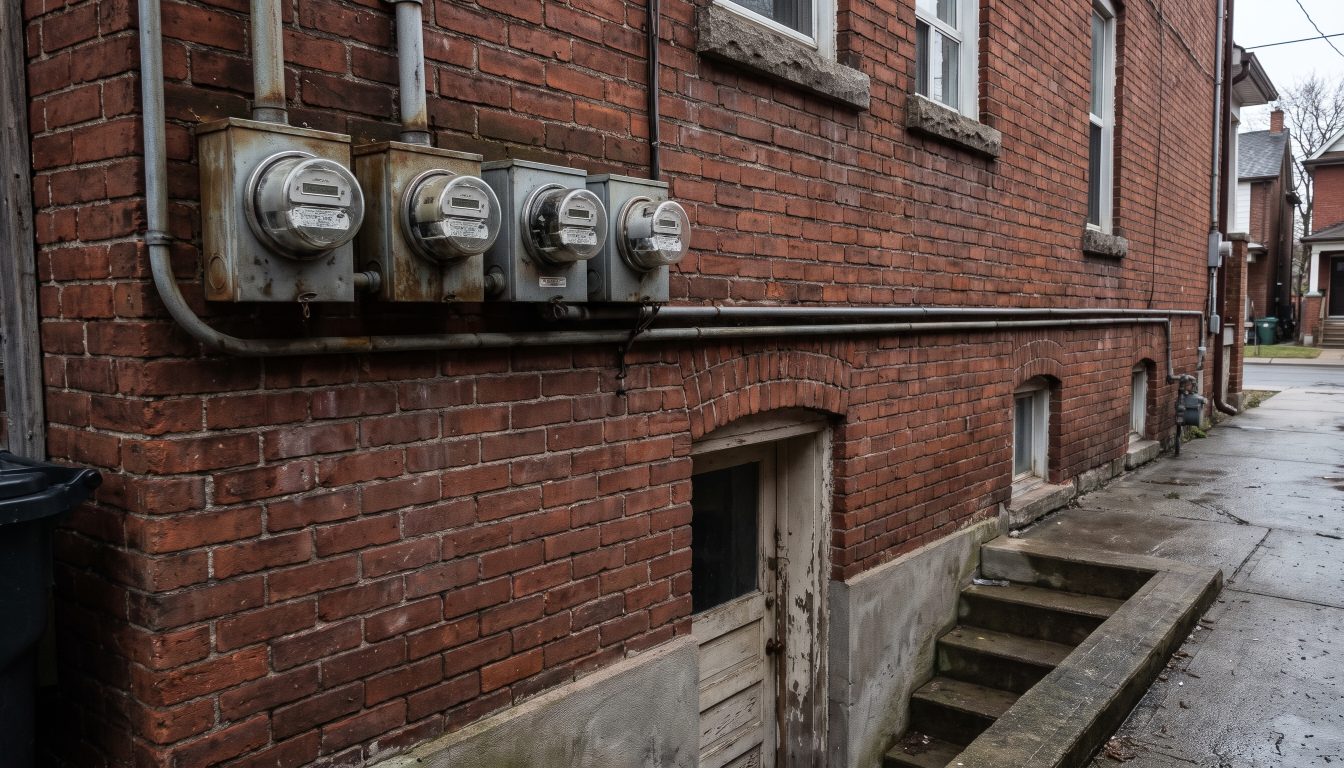
Yes, if the lease says the tenant pays. If utilities are included, an Ontario landlord cannot add a charge later on their own. Moving hydro to a suite meter or splitting a bill in a building of six units or fewer needs the tenant’s written consent, 30 days’ notice and a rent reduction. Flat utility fees are not allowed.
This guide is for Ontario tenants who have been told to start paying hydro, gas or water, and for landlords who want to set up utility costs the legal way. You will learn what the lease controls, when a landlord can move a bill onto a tenant, how submetering and bill-splitting work, and what happens when utility bills go unpaid.
Can a landlord charge for utilities in Ontario?
Yes, if the lease says the tenant pays. Ontario’s standard lease has a section that lists which services are included in the rent and who is responsible for electricity, heat and water. Whatever you both agree there at the start is what applies.
The Residential Tenancies Act, 2006 (the RTA) defines “utilities” as heat, electricity and water, and counts them among the services that can be part of your rent. That matters because once a utility is included in the rent, the landlord cannot simply start billing for it later. Changing that deal has strict rules, covered below.
This is general information as of November 2026, not legal advice. For your situation, contact the Landlord and Tenant Board (LTB), a community legal clinic, a paralegal or a lawyer.
How do I know if utilities are included in my rent?
Look at your lease first. If you signed Ontario’s standard lease, the services and utilities section lists what is in the base rent and what is charged separately. If your lease is silent or unclear, look at how things have actually worked: whose name is on the hydro and gas accounts, and who has been paying.
Three set-ups need extra care:
- Condos: some buildings include hydro in the maintenance fee, others meter each unit. A tenant pays only what the lease says, not whatever the owner pays the corporation.
- Houses with a basement unit: if both units share one meter, the lease must say how the bill is shared, and the section 138 rules below apply.
- Suite-metered apartments: check whether you will be the provider’s customer, and ask for the provider’s fees and deposit policy before signing.
Get anything unclear in writing before you sign. My post on residential lease clauses in Ontario covers how to word extra terms.
Can a landlord start charging for hydro if it was included?
Not on their own. Two parts of the law block it:
- Section 134 of the RTA bans a landlord from collecting any fee, premium or other charge beyond the lawful rent unless a regulation allows it. A new monthly “utility fee” added mid-tenancy does not qualify.
- The guide to the standard lease says any change to the agreement must be agreed to in writing.
The legal ways to shift a utility to the tenant are an agreement, a suite meter for electricity, or bill-splitting in a small building. Each one requires the tenant’s written consent and comes with a rent cut. When a landlord and tenant agree that the landlord will stop providing heat, electricity or water, section 125 and O. Reg. 516/06 require the rent to drop by at least the actual cost to the landlord of that utility.
| How the tenant ends up paying | Tenant consent needed? | Key rules |
|---|---|---|
| Set out in the lease from the start | Yes, by signing the lease | Lease section on services and utilities governs |
| Agreement to stop providing an included utility | Yes, in writing | Rent must drop by at least the landlord’s actual cost (s. 125, O. Reg. 516/06 s. 16) |
| Electricity moved to a suite meter | Yes, on the LTB-approved form | Prescribed information first, 30 days’ written notice, rent reduction (s. 137) |
| Share of one bill, building of 6 units or fewer | Yes, in writing | 30 days’ notice, rent reduction, equal split or square footage only (s. 138) |
| Extra electricity for a tenant’s window or portable air conditioner | No | Rent increase up to actual cost, since July 1, 2026 (s. 36.1) |
| New flat “utility fee” added mid-lease | Not allowed | Banned as an extra charge (s. 134) |
Source: Residential Tenancies Act, 2006, ss. 36.1, 125, 134, 137, 138; O. Reg. 516/06, s. 16; O. Reg. 394/10; LTB brochure on suite meters (current consolidations as of November 2026).
Instant Home Valuation
What’s your home
worth today?
Answer six quick questions and get an instant value range built from current Toronto & GTA sale data — property type, size, condition, lot and location all weighted the way a real pricing conversation weighs them. Takes about ninety seconds.
Reading recent GTA sale data…
Building your estimate
Estimated market value
—
$0–$0
Most likely value $0 · roughly $0 per square foot
What moved the number
Starting from the area baseline for your property type, here’s what each answer added or subtracted.
Market context
Recent local averages for comparison.
—
A range is a starting point.
A strategy is what sells.
This model doesn’t know that your neighbour’s identical semi went $80,000 over asking last month, or which two upgrades actually pay back in your area. That conversation is free and takes twenty minutes.
How does submetering work for Ontario tenants?
A suite meter (or sub-meter) measures the electricity one unit uses. The LTB’s brochure on suite meters says a landlord can install one without your consent, but cannot have you billed for electricity without your written consent on the LTB’s approved form. If you say no, the landlord keeps paying.
Before asking you to consent, the landlord must give you:
- the suite meter provider’s contact details and its security deposit policy
- its fees, how they are calculated and any planned increases
- a statement that the provider may cut power if you fall behind
- the best available information on the fridge’s age and energy efficiency, if the landlord supplies it
- contact information for the Ontario Energy Board
- the amount of your rent reduction and how it was calculated
If you agree, the landlord must give at least 30 days’ written notice before the change (O. Reg. 394/10). Installing the meter may need a short power cut, which requires 24 hours’ written notice, with a time between 8 a.m. and 6 p.m.
Three more protections matter. If electricity is the main source of heat, the brochure says the landlord cannot end its duty to supply electric heat. A lease clause in which you agree in advance to switch to a suite meter later is void (s. 137(18)). And if a landlord breaks these rules, you can file Form T7, which costs $53 and is not offered online. Most T7 claims must be filed within one year of the breach.
Can a landlord split the utility bill between tenants?
In small buildings, yes, but only by the rules. Section 138 lets a landlord of a building with no more than six rental units, who supplies a utility to every unit, charge each tenant a portion of the cost. For an existing tenant, the landlord needs:
- the tenant’s written consent
- written notice at least 30 days before the charge starts, stating the rent reduction, the method used and how the reduction was calculated
- a rent reduction under the regulation’s rules
O. Reg. 394/10 allows two methods: divide the total cost equally by the number of units, or divide it by square footage. Every unit sharing the bill must use the same method, and late-payment charges cannot be passed on. Before signing a new tenant, the landlord must disclose the unit’s percentage share and the building’s total utility cost for the most recent period available.
That is a common fix for a house with an upstairs unit and a basement unit on one hydro meter. A “you pay 40%” clause should match one of those methods and come with the required disclosure.
Can a landlord charge extra for my air conditioner?
Sometimes. Since July 1, 2026, section 36.1 gives tenants, in most cases, the right to install a window or portable air conditioner where the landlord does not supply air conditioning, after telling the landlord in writing. If the landlord pays for electricity under the lease, the landlord may raise the rent by the actual cost of the electricity the unit uses, or a reasonable estimate. The increase must come off again if you remove it or stop using it for the season. It does not apply if your lease says you can run an air conditioner with no rent increase.
This increase sits outside the yearly guideline. For other mid-lease increases, see can a landlord increase rent mid-lease.
What happens if a tenant does not pay the utility bills?
If the lease makes the tenant responsible and they do not pay, the landlord can apply to the LTB for the costs under section 88.2. The application can be made while the tenant lives there or up to one year after they leave. Any rent deposit owing back to the tenant is set off against the amount ordered.
For bills split under section 138, the landlord cannot serve an N4 for non-payment of rent based on the unpaid utility share, because the share is not rent. Where electricity is suite-metered and the tenant is the customer, the provider can enforce payment under its own rules.
Landlords: the account in your name is your responsibility to the utility. If you stop paying and the gas or power is shut off, section 21 of the RTA treats it as if you withheld a vital service yourself. Tenants: if the account is in your name, do not let it fall behind. A disconnection can make the unit unlivable and still leave the debt with you.
My post on whether a landlord can turn off utilities covers vital services and what the LTB can order. Heat has its own rules in Toronto, set out in my guide to the Toronto heat bylaw.
How should landlords set up utilities on a new rental?
Decide before you list. If each unit has its own meters, have tenants open their own accounts from day one and say so in the lease. If you hold one account for several units in a building of six or fewer, follow the section 138 rules, including the disclosure to new tenants. If you include utilities, price them into the rent, because you cannot easily add them back later.
Many utility disputes start with a vague lease line like “tenant pays utilities” on a house with one meter. Spell it out: which utilities, whose name is on each account, the split method and the share. For tenants comparing listings, an included-utilities unit at a slightly higher rent can be the cheaper home once you add up winter heating. My post on how much rent you can charge in Toronto covers pricing for landlords.
What to do next
- Read the utilities section of your lease and note who pays heat, electricity and water.
- If asked to take over a bill mid-tenancy, ask for the proposed rent reduction and calculation in writing before agreeing.
- For a suite meter, read the provider information carefully. You can say no.
- Landlords sharing one bill across units: use the equal or square-footage method, give 30 days’ written notice and reduce the rent.
- If a landlord adds a utility charge without your agreement, keep paying rent and get advice from the LTB or a legal clinic.
Need help with this? Talk to me.
I’m Jatin Dua, Broker of Record at RE/MAX Quantum Realty, and I’m the best agent to do this kind of work for you in Toronto and across the GTA. Over $100 million in GTA sales and 100+ families helped sell. Feel free to contact me any time: call or text 833-330-1925 or email [email protected].
Frequently asked questions
Can a landlord charge for hydro in Ontario?
Yes, if your lease says you pay it. If hydro is included in your rent, an Ontario landlord cannot start charging for it on their own. The switch needs your written agreement with a rent reduction, or the formal suite meter process with your written consent on the Landlord and Tenant Board’s form, prescribed information and 30 days’ notice.
Can my landlord make me pay utilities in the middle of my lease?
Not without your written agreement. Ontario’s current Residential Tenancies Act bans extra charges beyond lawful rent, and the standard lease guide says changes must be agreed in writing. If you agree to take over heat, electricity or water, Ontario Regulation 516/06 requires your rent to drop by at least the landlord’s actual cost of that utility.
What is submetering for tenants in Ontario?
Submetering means a separate suite meter measures one unit’s electricity. In Ontario in 2027, a landlord can install one without consent, but cannot transfer the electricity bill to a current tenant without written consent on the LTB-approved form. The landlord must give provider details, fees and a rent reduction calculation first, then 30 days’ written notice before the change.
Can a landlord split the hydro bill between upstairs and basement tenants?
Yes, in buildings with six or fewer rental units, if the rules are followed. The landlord needs each existing tenant’s written consent, must give 30 days’ written notice and must reduce the rent. Ontario Regulation 394/10 allows only an equal split by number of units or a split by square footage, applied the same way to every unit.
Are utilities included in rent in Ontario?
Only if your lease says so. Ontario’s current standard lease lists which services are included in the rent and who pays electricity, heat and water. There is no rule that utilities must be included. If you will pay electricity in a suite-metered unit, the landlord must first give you the unit’s electricity use for the most recent 12 months.
Can my landlord evict me for not paying utilities in Ontario?
Not with an N4 if the utility was split under section 138, because that share is not rent. An Ontario landlord can instead apply to the Landlord and Tenant Board for unpaid utility costs the lease required you to pay, while you live there or up to one year after you leave.
Can my landlord charge me for running an air conditioner in 2027?
Sometimes. Since July 1, 2026, Ontario tenants can install a window or portable air conditioner after notifying the landlord in writing. If the landlord pays your electricity, rent can rise by the actual cost of the electricity the air conditioner uses, and must come down when you remove it or stop using it for the season.
Is a utility fee legal in an Ontario rental?
Not as a new flat charge. Section 134 of Ontario’s current Residential Tenancies Act bans landlords from collecting fees, premiums or similar charges beyond the lawful rent unless a regulation permits them. A tenant can be required to pay utilities set out in the lease, or under the formal suite meter or bill-splitting rules, but not an added fee.
Is a lease clause agreeing to a suite meter later valid in Ontario?
No. A clause where you agree in advance to switch to a suite meter later is void in Ontario in 2027. Section 137(18) of the Residential Tenancies Act voids any lease term saying a tenant has consented, or will consent, to ending the landlord’s duty to supply electricity on a future date. Consent has to be given later, on the LTB form, after you receive the required information.
Sources
- Residential Tenancies Act, 2006, S.O. 2006, c. 17 (e-Laws, current consolidation)
- O. Reg. 394/10, Suite Meters and Apportionment of Utility Costs
- O. Reg. 516/06 (General) under the Residential Tenancies Act, s. 16
- LTB brochure: Information for Landlords and Tenants About Suite Meters
- Ontario: Guide to Ontario’s standard lease
- Ontario: Renting in Ontario, your rights
- Tribunals Ontario: LTB forms, filing and fees
Related reading
- Can My Landlord Enter Without Notice in Ontario?
- Can a Landlord Evict You Without Going to the LTB in Ontario?
- Can My Landlord Raise the Rent Every Year in Ontario? 2027 Rules
- Can a Landlord Put Security Cameras in or Outside a Rental in Ontario?
About the author — Jatin Dua, Toronto and GTA real estate broker
I am Jatin Dua, Broker of Record and co-founder of RE/MAX Quantum Realty Inc., Brokerage, Unit 101, 799 The Queensway, Toronto. I work with buyers and sellers across Toronto and the GTA and have helped more than 100 families sell. Four-plus years of active GTA transactions and over $100 million in sales volume.
Reach me at [email protected] or 833-330-1925, or book a call.