
Published 18 October 2026 · By Jatin Dua, Broker of Record, RE/MAX Quantum Realty
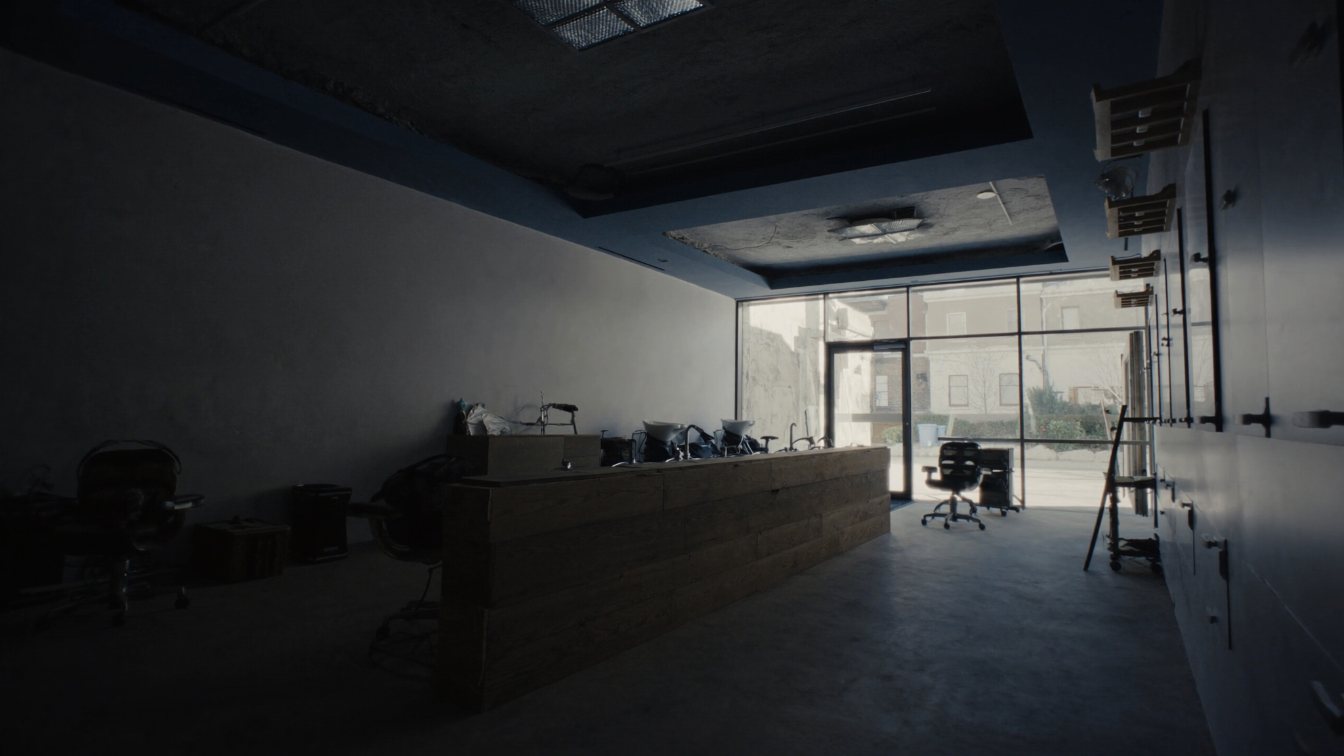
A furniture or mattress showroom needs a large, open unit with a usable loading door, a zone that permits retail, and a plan for stock. In Toronto's employment industrial zone, a retail store is only allowed alongside a manufacturing use on the same lot and capped at 20% of its floor area, so a showroom in an industrial bay is often not permitted. Back-of-house storage of upholstered and foam stock falls under the Fire Code's indoor storage rules: in unsprinklered buildings, individual storage areas are limited to 500 m2 and 4.5 m high. Mattresses sold in Canada must meet Health Canada's flammability test.
Looking for furniture or mattress showroom space in Toronto or the GTA? Tell me what you need and I will send you units that fit, with the zoning and the lease checked before you commit.
Showroom, warehouse or both: what zoning sees
Furniture and mattress retailers are the tenants I see most often caught between two kinds of building. The rent in an industrial bay with dock doors is attractive, and the space suits bulky stock. But the business is retail, with the public walking through, and zoning treats that very differently.
Toronto’s Zoning By-law 569-2013 defines a retail store as premises in which goods or commodities are sold, rented or leased, and a warehouse as premises used for keeping or storing goods to which the general public does not have access. The moment customers browse the stock, the space is not a warehouse. The by-law’s definition of ancillary (naturally and normally incidental, subordinate in purpose or floor area, and exclusively devoted to a permitted use) is what lets a store keep a stockroom behind the showroom, but a so-called showroom at the front of a mostly storage building may be read the other way round.
The employment industrial (E) zone is where most Toronto industrial bays sit, and its rules are strict: a retail store must be associated with a permitted manufacturing use on the same lot, and the total interior floor area of all retail stores on the lot may not exceed 20 percent of the gross floor area of that manufacturing use. A furniture importer with no manufacturing on site will usually not fit. If you build or upholster furniture on site, the showroom portion may work. Get a zoning review on the exact address before you negotiate.
Mississauga, Brampton and Vaughan have large employment areas with their own permissions, some of which allow showroom or ancillary retail uses. Check the zone and any site-specific exception there too. My warehouse and industrial space guide covers the industrial side in more detail.
What the unit must have
| Item | Why it matters | Who to ask |
|---|---|---|
| Loading door and access | Containers and box trucks need a dock or grade-level door and room to manoeuvre | Landlord; site plan |
| Clear height | Racked mattress and boxed furniture storage, plus sprinkler clearance above | Landlord; sprinkler contractor |
| Floor capacity | Dense stacked stock and forklifts load the slab and any mezzanine | Structural engineer |
| Sprinkler system details | Decides how much and how high you can store | Landlord’s fire protection contractor |
| Frontage and visibility | Destination shoppers still need to find you from the arterial road | Landlord; sign by-law |
| Parking | Weekend showroom traffic plus customer pickups | Landlord; zoning review |
| Separation between showroom and stock | Fire separations, if required, depend on occupancy and area | Architect or qualified designer |
Don’t rely on the listing for floor load or clear height. Ask for drawings, and for a mezzanine, a structural engineer’s letter on what it was designed to carry.
Storing foam, mattresses and upholstered stock under the Fire Code
Foam-filled furniture and mattresses burn hot and fast, and back-of-house storage is where inspectors focus. The Ontario Fire Code’s indoor general storage rules (Subsection 3.2.2) apply to storage of combustible solids, including in shelves and racks. The key limits:
- Size of storage areas. An individual storage area may not exceed 500 m² in a building that is not sprinklered, or 1,000 m² in a sprinklered building.
- Height. Storage in an unsprinklered building may not exceed 4.5 m. A building with any individual storage area over 6.4 m high must be protected with a sprinkler system designed and installed to NFPA 13 (or an approved system installed before 2015).
- Clearance. At least 457 mm between sprinkler deflectors and the top of any storage, and 300 mm horizontal clearance where stock rises above the lower chords of the framing.
- Aisles. Aisles separating storage areas must be at least 2.4 m wide; access aisles to exits, fire department access panels and fire protection equipment must be at least 1.0 m; and at least one main aisle must run the length of the building, 2.4 m wide for storage up to 6 m high and 3.6 m above that. Storage areas over 200 m² need main aisles reachable from two fire department access points.
- Pallets. Idle combustible pallets generally belong outdoors. Indoors in an unsprinklered building they are limited to 1.2 m high and a small aggregate area.
The sprinkler question is the one that decides your stocking plan. Sprinkler design depends on the commodity stored and how it is stored, and foam-heavy stock can call for more protection than the system a previous tenant needed for boxed goods. Ask the landlord for the sprinkler design criteria and have a fire protection engineer confirm that your mattresses and upholstered furniture, at the heights you plan, are within it.
A sprinkler system designed for someone else’s stock
The most expensive surprise in a furniture lease is learning after you move in that the building’s sprinklers were designed for a lighter commodity or lower storage height. Upgrading can mean new piping, heads or water supply. Make the lease conditional on a fire protection engineer’s review of your storage plan, and put any upgrade cost on the landlord or into the rent.
The showroom floor: aisles, fire safety plans and occupancy
On the sales floor, the Fire Code’s mercantile aisle rules apply where the floor isn’t divided into rooms off corridors and needs more than one exit: each required exit must be served by an aisle at least 1,100 mm clear, with a choice of two directions to an exit. Room-set displays are where this goes wrong. Keep sofas and bed frames out of exit paths.
A fire safety plan is required for buildings containing a mercantile occupancy with an occupant load over 300, a medium-hazard industrial occupancy over 100, or a low-hazard industrial occupancy over 300, among others. A big furniture store or a building mixing showroom and storage can cross those lines.
Under section 10 of Ontario’s Building Code Act, a change in the use of a building or part of a building that increases the hazard, as determined under the Building Code, needs a permit even without construction. Turning a warehouse bay into a public showroom, or a showroom into dense storage, may be that kind of change. My change of use guide explains how to find out. Ontario’s Building Code is now O. Reg. 163/24, adopting the National Building Code of Canada 2020 with Ontario amendments, so a new design follows the current code.
Mattress rules and deliveries
Mattress flammability. Health Canada’s Mattresses Regulations (SOR/2016-183), made under the Canada Consumer Product Safety Act, set a cigarette ignition test (CAN/CGSB-4.2 No. 27.7-2023) that mattresses must meet. Health Canada’s industry guide is aimed at manufacturers, importers, distributors and retailers, including futon sellers. The regulations exclude mattress pads, crib, cradle and bassinet mattresses, and furniture parts that can be slept on but aren’t separate mattresses. The regulations were last amended in June 2026. If you import your own brand, get test reports from the factory before the container ships.
Delivery and loading hours. Toronto’s noise by-law (Chapter 591) prohibits sound from loading, unloading, delivering and handling products from 11 p.m. to 7 a.m., and until 9 a.m. on weekends and statutory holidays. Under the City of Toronto Act, that restriction does not apply to the delivery of goods to retail business establishments. Loading your own trucks for early customer deliveries is a different activity, so plan your dispatch hours with that in mind, and check whether the lease or site plan restricts truck hours further.
Key takeaway
For a furniture or mattress tenant, the two questions that decide the unit are whether zoning allows retail at that address and whether the sprinklers can protect the stock you plan to store. Answer both in writing before the lease is firm.
The lease clauses that matter for a furniture or mattress showroom
- Use clause. Retail sale and display of furniture, mattresses, bedding and home decor, with ancillary storage, assembly, customer pickup and delivery dispatch.
- Zoning and sprinkler condition. A conditional period to confirm the retail use is permitted and that the sprinkler system suits your commodity and storage height.
- Sprinkler and fire upgrades. If upgrades are needed, who pays, who manages the work, and whether rent starts before it’s done.
- Loading rights. Exclusive or shared use of the dock or drive-in door, truck court access, trailer parking and permitted hours.
- Floor load and racking. The landlord’s representation of floor capacity and consent to install racking, with removal obligations at the end.
- Signage. Fascia and pylon rights, especially in employment areas where pylon space is limited.
- Outdoor storage and displays. Usually prohibited. If you need a container on site during a delivery peak, negotiate it now.
- Additional rent and HVAC. Large units carry big TMI bills. Ask for a breakdown, and confirm the showroom HVAC can heat and cool customer space, not just a warehouse.
- Exclusive. In a power centre, an exclusive on furniture or mattress retail, defined by floor area so a department store’s home section doesn’t count.
See my use clause guide for how use, exclusive and radius clauses interact.
Deal-killers to check on a viewing
- E zone with no manufacturing. In Toronto, a retail showroom in an employment industrial zone without manufacturing on the lot generally doesn’t comply.
- Low clear height under sprinklers. Measure from the floor to the sprinkler deflectors, then subtract 457 mm. That is your real stacking height.
- No sprinklers in a large unit. Storage areas are capped at 500 m² and 4.5 m high, which rarely suits a mattress retailer.
- Loading door in the wrong place. A door that opens into the showroom, or a shared truck court blocked by a neighbour’s trailers.
- Mezzanine with no rating. Without an engineer’s letter, assume it can’t carry stacked stock.
- Parking count. Weekend showroom traffic in an industrial condo complex can overwhelm shared parking and annoy neighbours.
- Second floor showroom. Getting sofas upstairs without a freight elevator is a daily cost.
Where I fit
I help furniture, mattress and home decor retailers find large-format units across Toronto and the GTA, from power-centre boxes to showroom-friendly employment units in Mississauga, Vaughan and Brampton, and I check zoning and the sprinkler picture before you commit. I read the lease with you and push for the zoning and fire protection conditions above, and if you are weighing a building purchase instead, the industrial property value estimator is a useful starting point.
Find me furniture or mattress showroom space
Tell me the area, size, budget and timing, plus how much stock you keep on site and how it arrives, and I will send units that can take it.
I will come back to you personally, usually the same day, with spaces that fit. If it is urgent, call or text 833-330-1925.
Frequently asked questions
Can I open a furniture showroom in an industrial unit in Toronto?
Often not. In Toronto's employment industrial zone, a retail store must be associated with a permitted manufacturing use on the same lot and is capped at 20 percent of that manufacturing use's gross floor area. A furniture importer with no manufacturing on site generally won't comply. Get a zoning review on the exact address before signing.
What is the difference between a showroom and a warehouse under zoning?
Toronto's zoning by-law defines a warehouse as premises for keeping or storing goods to which the general public does not have access. A retail store is premises where goods are sold. Once customers browse your stock, the space is retail, and storage behind the showroom must be ancillary to the store.
How high can I stack mattresses in a storage area in Ontario?
Under the Ontario Fire Code, storage in an unsprinklered building may not exceed 4.5 m, and any storage area over 6.4 m high requires a sprinkler system to NFPA 13. You must also keep at least 457 mm between sprinkler deflectors and the top of storage. The sprinkler design for your specific stock sets the practical limit.
Do mattresses sold in Canada have to meet a flammability standard?
Yes. Health Canada's Mattresses Regulations under the Canada Consumer Product Safety Act require mattresses to pass a cigarette ignition test. Mattress pads and crib, cradle and bassinet mattresses are excluded from these particular regulations. Health Canada's industry guide is addressed to manufacturers, importers, distributors and retailers, including futon sellers.
Can I load delivery trucks at night at my Toronto furniture store?
Toronto's noise by-law bans sound from loading, unloading and delivering goods from 11 p.m. to 7 a.m., and until 9 a.m. on weekends and holidays. Under the City of Toronto Act, that ban doesn't apply to deliveries of goods to retail businesses. Loading your own outbound trucks is different, and your lease may restrict hours further.
Do I need a change of use permit to turn a warehouse into a showroom?
Possibly. Ontario's Building Code Act requires a permit where a change of use increases the hazard as determined under the Building Code, even with no construction. Opening a storage space to the public, or converting a showroom into dense storage, can trigger that. Have an architect or qualified designer review it before signing.
What lease clauses matter most for a furniture store?
A use clause covering display, sale, storage and delivery dispatch; a condition that zoning permits retail and the sprinklers suit your stock; clear responsibility for sprinkler or fire upgrades; loading door and truck court rights; the landlord's floor load representation and consent to racking; signage; and a breakdown of additional rent.
Sources
- Ontario e-Laws — O. Reg. 213/07, Fire Code — indoor general storage limits, aisles, fire safety plan
- City of Toronto — Zoning By-law 569-2013, Chapter 800 Definitions — retail store, warehouse, ancillary
- City of Toronto — Zoning By-law 569-2013, Chapter 60.20 Employment Industrial Zone — retail tied to manufacturing, 20% cap
- Ontario e-Laws — Building Code Act, 1992 — section 10 change of use
- Ontario e-Laws — O. Reg. 163/24, Building Code — NBC 2020 with Ontario amendments
- Justice Laws — Mattresses Regulations (SOR/2016-183) — definition, cigarette test, 2026 amendment
- Health Canada — Industry guide to mattress flammability requirements — who the rules address
- City of Toronto — Municipal Code Chapter 591, Noise — loading hours and retail delivery exception
Related reading
- Warehouse and industrial space in Ontario
- Dollar and discount store space
- Change of use permits for tenants
- The commercial lease use clause
- Industrial property value estimator
- The use clause in a commercial lease
About the author — Jatin Dua, Toronto and GTA real estate broker
I am Jatin Dua, Broker of Record and co-founder of RE/MAX Quantum Realty Inc., Brokerage, Unit 101, 799 The Queensway, Toronto. I help business owners across Toronto and the GTA find, assess and lease commercial space, and I work with buyers and sellers of homes and businesses. Four-plus years of active GTA transactions and over $100 million in sales volume. Every rule here comes from a regulator, statute or by-law linked in the sources, so you can check all of it without asking me.
Reach me at [email protected] or 833-330-1925, or book a call.