

Published 29 September 2026 · By Jatin Dua, Broker of Record, RE/MAX Quantum Realty
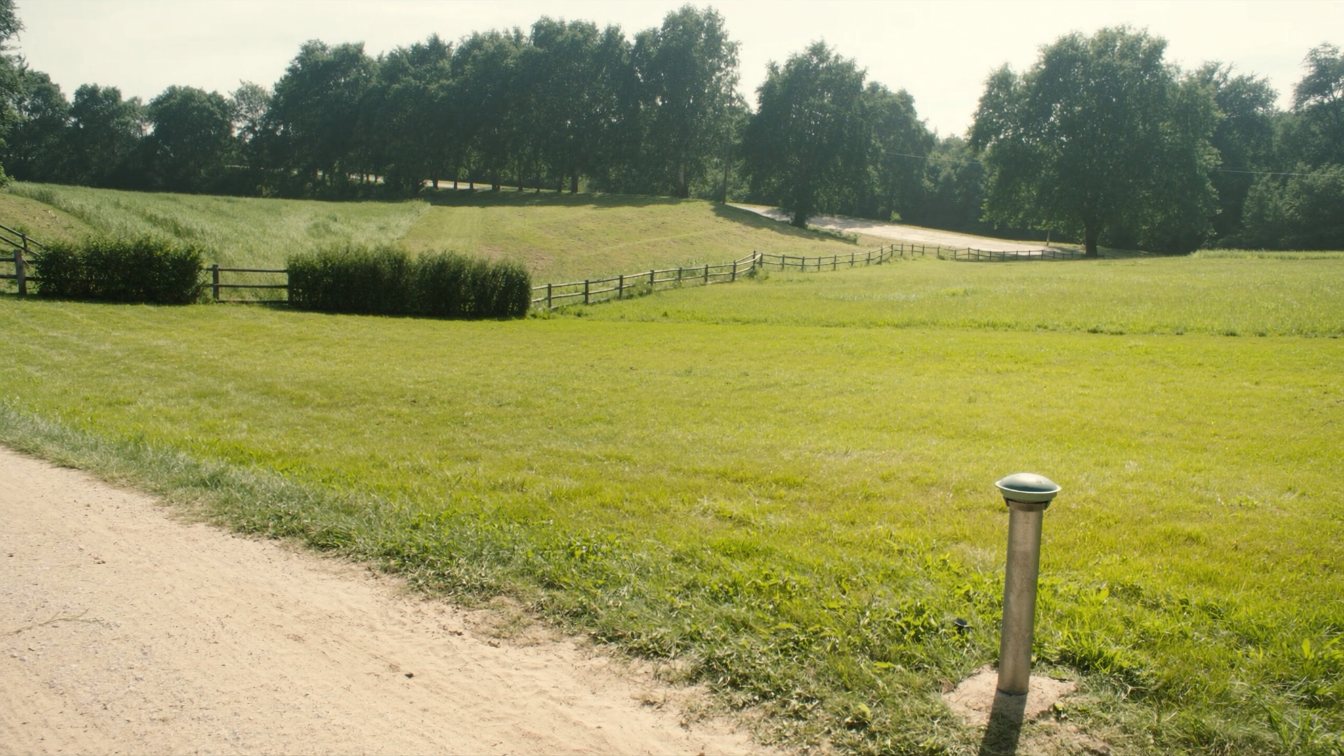
A rural lot without municipal services needs a private septic system and a well, and both are regulated. Septic systems of 10,000 litres a day or less fall under Part 8 of the Ontario Building Code and need a permit before they are built, from the municipality’s building department or, in some regions, the health unit (Durham Region’s Health Department handles them outside Oshawa). An inspector must approve the system before any part of it is covered. Wells must be built by a licensed well contractor, and a well record is filed with the Province; the Wells Help Desk (1-888-396-9355) can help find one. Public Health Ontario offers free bacterial water test kits. For a vacant lot, make your offer conditional on soil and percolation testing and a septic design; for an existing home, on a septic inspection and water tests.
Why septic and water decide a rural lot’s value
On a city lot, services are at the lot line and nobody thinks about them. On a rural lot, the septic bed and the well are two of the most expensive and most constrained parts of the build. Soil, slope, groundwater and the size of the lot decide where a septic bed can go and how big it must be. The well has to deliver enough safe water. If either fails, the lot may not be buildable, or it may cost far more than the buyer planned.
That is why I never value a rural lot without asking what the ground is like and what records exist. See how to buy a vacant lot in the GTA for where this fits in the full process.
Who regulates septic systems
Ontario’s Building Code Act and the Ontario Building Code, in Part 8, set the standards for on-site sewage systems that discharge 10,000 litres a day or less. That covers almost every house.
Who issues the permit depends on where the land is:
| Area (examples) | Who approves and inspects | What their page says |
|---|---|---|
| Town of Caledon | The Town’s building department | A building permit is needed for new on-site systems or changes that may affect one; a Town inspector must inspect before any part is covered |
| Durham Region (outside Oshawa) | Durham Region Health Department | Permits for new systems, tank replacements and repairs; septic record searches available |
Other GTA municipalities use their own building departments or an agency. The Province’s page on septic systems reminds owners that they are responsible for maintaining their system. Always call the local authority to confirm who holds the records for a specific lot.
Finding the septic records
For an existing home or a lot with an old system, the permit file tells you what was approved, when and where. Durham Region lets owners, their designates and listing agents request a septic record search, and has charged a fee for it since 1 April 2025. Other municipalities offer similar file searches through the building department.
Durham also runs a mandatory inspection program in the Lake Simcoe watershed, in Brock and Uxbridge, for systems within 100 metres of water that were installed before 1 January 2016. If you are buying there, ask whether the inspection has been done and what it found.
No record does not always mean no permit; older files can be incomplete. But a system with no record, and no one who knows its age, should be inspected before you waive conditions.
Septic maintenance and what an inspection looks at
Caledon’s guidance is to have the septic tank inspected every two years and pumped every four years to prevent the build-up of sludge. A seller who can show pumping receipts and a recent inspection is giving you real information.
A pre-purchase inspection by a qualified septic contractor usually covers the tank’s condition, the baffles, the sludge and scum levels, the distribution system and signs of trouble in the leaching bed, such as wet areas or odours. Ask for a written report. If the system is old or failing, replacement needs a permit, and the design will depend on the soil, which is why soil information matters even on a lot with an existing house.
Wells: construction, records and testing
- Who builds them. Only licensed well contractors, using licensed well technicians with the right class of licence, under the Wells Regulation, O. Reg. 903/90 under the Ontario Water Resources Act.
- Well records. The contractor files a well record with the Ministry of the Environment, Conservation and Parks. The Wells Help Desk, 1-888-396-9355 or wellshelpdesk@ontario.ca, helps locate records and licensed contractors.
- Bacteria. Public Health Ontario provides free sample kits for bacterial testing of private well water.
- Chemistry. Chemical testing is done by licensed laboratories for a fee.
- Unused wells. An unused well must be plugged and sealed by a licensed contractor following the nine steps in section 21.1 of the Wells Regulation. An old well on a vacant lot is a cost to budget for.
The Province recommends testing on a regular basis and watching for changes in the water. For a purchase, I suggest testing during the conditional period, and asking the seller for past results.
The conditions to put in a rural offer
| Property | Conditions I usually recommend |
|---|---|
| Vacant rural lot | Soil and percolation testing; a septic designer’s opinion that a system fits; confirmation of where a well can go; conservation authority check; survey |
| Rural home | Septic inspection with a written report; well water bacterial and chemical tests; a flow test for quantity; septic and well records from the authority; home inspection |
Make the conditional period long enough for lab results. Your lawyer drafts the conditions; the dates need to be realistic for the season, since testing frozen ground in January is harder than in June.
Other rural checks: conservation, plans and access
Many rural lots have a creek, pond or wetland, and the septic bed and well have to fit around them. Conservation authorities regulate watercourses with a defined bed and banks, hazardous lands and wetlands with 30 metres around them under Ontario Regulation 41/24, in effect since 1 April 2024; see conservation authority regulated land. Much of the rural GTA is also in the Greenbelt or on the Oak Ridges Moraine; see what you can build on Greenbelt and Moraine land. Finally, confirm the lot fronts on an open public road and ask the municipality whether it is maintained year-round.
What this means for price
A rural lot with good soil, a known well location and room for a septic bed away from water is worth more than one that needs an engineered system or has a creek through the middle. When I compare rural land, I adjust for those differences rather than just acreage. The estimator below gives a starting range for a lot or acreage.
The AI land value estimator below gives you a range for a lot or acreage in about a minute, from the same inputs a buyer’s appraiser starts with.
For sellers, the records and test results are marketing: they turn a buyer’s condition into a fact. See how to sell vacant land in Ontario. If you are looking at rural land and want a second opinion, book a call or phone 833-330-1925.
Free tool — AI land value estimator
Land Valuation
What’s your land
worth today?
Three quick steps. Land doesn’t price like a house — what you’re allowed to build on it, how far along the approvals are, and whether services reach the lot line move the number more than anything else. This weighs all of them.
Reading recent land sales…
Estimated land value
—
$0–$0
Most likely $0 · about $0 per acre · $0 per buildable sq ft
What moved the number
Starting from what comparable land in your municipality trades for, here’s what your specifics added or subtracted.
What would raise it
Approvals are the biggest lever on land. Here is what each next step is worth on this parcel.
—
Development sites are listed at $1
for a reason.
Sellers let the market price them — and the market only pays for what it can see: the planning file, the servicing letter, the environmental reports. A model can’t read your file. I can, and I know which developers are buying right now.
Frequently asked questions
Do you need a permit for a septic system in Ontario?
Yes. Septic systems of 10,000 litres a day or less are governed by Part 8 of the Ontario Building Code and need a permit before construction, from the municipality’s building department or, in some regions, the health unit. An inspector must approve the system before any part of it is covered. Replacements and repairs usually need a permit too.
How often should a septic tank be pumped in Ontario?
The Town of Caledon’s guidance is to have the tank inspected every two years and pumped every four years to prevent sludge build-up. Actual needs depend on household size and the system, so ask a septic contractor. When buying, ask the seller for pumping receipts and any inspection reports.
How do I find the well record for a property in Ontario?
Licensed well contractors file well records with the Ministry of the Environment, Conservation and Parks. The Wells Help Desk, at 1-888-396-9355 or wellshelpdesk@ontario.ca, can help you find the record for a well and a licensed contractor in your area. Records for older wells may be incomplete or missing.
Is well water testing free in Ontario?
Bacterial testing is. Public Health Ontario provides free sample collection kits for bacterial analysis of private well water. Chemical testing is done by licensed laboratories, which charge a fee. For a purchase, test during the conditional period and ask the seller for past results.
Should I buy a house with an old septic system?
It can be fine if a qualified inspector finds the tank and bed in good condition and the records are available. If the system is old, undocumented or failing, replacement will need a permit and a design based on the soil. Make your offer conditional on a written septic inspection so the cost is known before you firm up.
Sources
- Town of Caledon — Septic systems — Part 8, 10,000 litres a day or less
- Region of Durham — Sewage and septic systems — record searches, Lake Simcoe inspections
- Government of Ontario — Septic systems
- Government of Ontario — Wells on your property — licensed contractors, well records, testing, abandonment
- Hamilton Conservation Authority — Conservation Authorities Act and new O. Reg. 41/24 — in effect 1 April 2024
- Government of Ontario — Oak Ridges Moraine Conservation Plan — four designations, O. Reg. 140/02
- Government of Ontario — Greenbelt Plan (2017), PDF — sections 3.2.5, 4.5 and 4.6
Related reading
- How to buy a vacant lot in the GTA
- Greenbelt and Oak Ridges Moraine land
- What to check before buying land in Ontario
- Conservation authority regulated land
- Encroachments and possessory claims
- How much is my land worth?
About the author — Jatin Dua, Toronto and GTA real estate broker
I am Jatin Dua, Broker of Record and co-founder of RE/MAX Quantum Realty Inc., Brokerage, Unit 101, 799 The Queensway, Toronto. I work with buyers and sellers across Toronto and the GTA and have helped more than 100 families sell. Four-plus years of active GTA transactions and over $100 million in sales volume. Every figure here comes from a published table, regulator or statute linked in the sources, so you can check all of it without asking me.
Reach me at connect@jatindua.com or 833-330-1925, or book a call.